Champagne Bubbles Orange
Papaver nudicaule
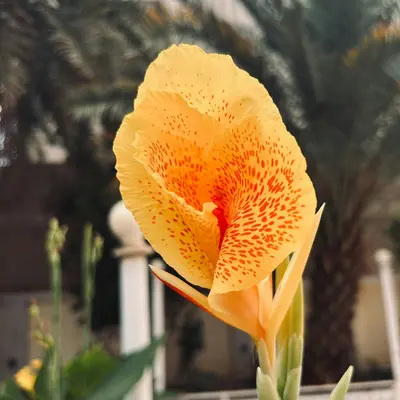
Brilliant orange 3-5" blooms are borne on sturdy, straight, 12-20" stems. Productive plants produce uniform, crinkled, cup-shaped blooms that sparkle and float above clumps of soft, gray-green foliage. Lightly fragrant.
Harvest
85-100d
Days to harvest
Sun
Full sun to partial shade
Zones
2–7
USDA hardiness
Height
12-20 inches
Planting Timeline
Showing dates for Champagne Bubbles Orange in USDA Zone 7
All Zone 7 flower →Zone Map
Click a state to update dates
Champagne Bubbles Orange · Zones 2–7
Growing Details
Complete Growing Guide
Brilliant orange 3-5" blooms are borne on sturdy, straight, 12-20" stems. Productive plants produce uniform, crinkled, cup-shaped blooms that sparkle and float above clumps of soft, gray-green foliage. Lightly fragrant. According to Johnny's Selected Seeds, Champagne Bubbles Orange is 85 - 100 days to maturity, perennial, hybrid (f1). Notable features: Use for Cut Flowers and Bouquets, Attracts Beneficial Insects.
Light: Full sun (6 or more hours of direct sunlight a day), Partial Shade (Direct sunlight only part of the day, 2-6 hours). Drainage: Good Drainage. Maintenance: Low. Propagation: Root Cutting, Seed. Regions: Mountains.
Harvesting
Champagne Bubbles Orange reaches harvest at 85 - 100 days from sowing per Johnny's Selected Seeds. Expect 3-5" at peak.
Fruit in the form of an elliptical, many seeded capsule. Seeds are small or minute, kidney-shaped and pitted or very finely reticulated.
Type: Capsule.
Storage & Preservation
Fresh Champagne Bubbles Orange flowers are best stored in a cool location with high humidity to extend vase life to 7-10 days. Keep stems in fresh, cool water (65-70°F) away from direct sunlight and ethylene-producing fruits. Change water every 2-3 days and trim stems at an angle. For preservation, air-dry flowers by hanging upside-down in a dark, well-ventilated area for 2-3 weeks, or press flowers between parchment paper under books for flat preservation. Alternatively, preserve blooms in silica gel for 5-7 days to maintain shape and color for crafts or arrangements.
History & Origin
Champagne Bubbles Orange is an F1 hybrid developed through controlled cross-pollination. Listed in the Johnny's Selected Seeds catalog.
Origin: Greenland, Europe, Northern Africa, Asia, and Canada
Advantages
- +Brilliant orange blooms create striking visual impact in garden beds.
- +Sturdy 12-20" stems are ideal for cutting and floral arrangements.
- +Lightly fragrant flowers add sensory appeal beyond visual beauty.
- +Easy growing difficulty makes this variety suitable for beginners.
- +Productive plants deliver uniform, abundant crinkled cup-shaped blooms consistently.
Considerations
- -Short 85-100 day season limits extended blooming period in gardens.
- -Gray-green foliage remains modest and doesn't provide strong visual contrast.
- -Iceland poppies prefer cool climates and struggle in hot regions.
- -Plants decline quickly after blooming and require frequent deadheading maintenance.
Companion Plants
Marigolds (especially Tagetes patula) and alyssum are the most useful neighbors here. Tagetes patula's root secretions deter aphids and whiteflies, and alyssum draws in parasitic wasps that knock back soft-bodied pest populations before they settle in. Nasturtiums pull double duty — they lure aphids away from more desirable plants and their low sprawl fills gaps at ground level without competing for light at the 12–20 inch height Champagne Bubbles occupies. Zinnias and cosmos fit well visually and don't crowd the root zone.
Black Walnut is the one to keep far off — its roots release juglone, a compound that suppresses many flowering plants, and Iceland poppies aren't tolerant of it. Fennel is a quieter problem; it doesn't kill neighbors outright, but its allelopathic root exudates stunt nearby plants and it tends to attract pests that then spread to whatever grows beside it. Give fennel its own isolated bed.
Plant Together
Marigolds
Repel aphids, whiteflies, and nematodes while attracting beneficial insects
Alyssum
Attracts beneficial predatory insects and provides ground cover to retain moisture
Nasturtiums
Act as trap crops for aphids and cucumber beetles, drawing pests away
Petunias
Repel aphids, tomato hornworms, and squash bugs with natural compounds
Zinnias
Attract beneficial pollinators and predatory insects while providing color contrast
Cosmos
Attract beneficial insects and provide structural support without competing for nutrients
Lavender
Repels moths, fleas, and mosquitoes while attracting beneficial pollinators
Basil
Repels aphids, spider mites, and thrips with aromatic compounds
Keep Apart
Black Walnut
Produces juglone toxin that inhibits growth and can cause wilting in sensitive plants
Fennel
Releases allelopathic compounds that inhibit germination and growth of nearby flowers
Eucalyptus
Produces allelopathic chemicals that suppress growth of most other plants
Troubleshooting Champagne Bubbles Orange
What you'll see, why it happens, and what to do about it.
Seedlings damping off at soil level — stem pinches, plant collapses — within the first 2-3 weeks after germination
Likely Causes
- Pythium or Rhizoctonia fungi in overwatered seed trays
- Poor airflow around seedlings kept under humidity domes too long
What to Do
- 1.Water only when the top of the mix is dry to the touch; these seeds are tiny and don't need constant moisture once sprouted
- 2.Remove humidity domes the moment germination starts and run a small fan nearby for 30 minutes a day
- 3.Start fresh in sterile seed-starting mix — don't reuse last year's tray soil
Buds forming but failing to open, or petals browning and dropping before fully unfurling
Likely Causes
- Botrytis cinerea (gray mold) — common in cool, wet springs when air sits still around the flowers
- Temperatures consistently above 75°F during bud development, pushing the plant past its comfort zone (zones 2–7, not a heat lover)
What to Do
- 1.Space plants at least 10-12 inches apart so air moves through the planting
- 2.Cut affected buds and stems cleanly and bin them — don't compost gray mold debris
- 3.If you're in a warmer zone, start seeds indoors in February so bloom finishes before summer heat arrives
Foliage developing a white powdery coating, spreading leaf to leaf through mid-season
Likely Causes
- Powdery mildew (Erysiphe spp.) — triggered by warm days, cool nights, and low airflow
- Overcrowded planting blocking light and circulation
What to Do
- 1.Apply a diluted neem oil spray (2 tsp per quart of water) early in the morning so it dries before full sun hits
- 2.Thin crowded plants — once powdery mildew gets rolling, airflow is your main tool
- 3.Don't overhead water in the evening; wet foliage overnight accelerates spread
Frequently Asked Questions
How long do Champagne Bubbles Orange flowers last in a vase?▼
Are Champagne Bubbles Orange flowers good for beginners?▼
Can you grow Champagne Bubbles Orange in containers?▼
When should I plant Champagne Bubbles Orange?▼
What makes Champagne Bubbles Orange unique compared to other orange flowers?▼
How far apart should I space Champagne Bubbles Orange plants?▼
Zone-by-Zone Planting Calendar
| Zone | Indoor Start | Transplant | Direct Sow | Harvest |
|---|---|---|---|---|
| Zone 1 | May – June | July – August | July – September | — |
| Zone 2 | April – May | June – July | June – August | — |
| Zone 11 | January – January | January – February | January – March | — |
| Zone 12 | January – January | January – February | January – March | — |
| Zone 13 | January – January | January – February | January – March | — |
| Zone 3 | April – May | June – July | June – August | — |
| Zone 4 | March – April | June – June | June – July | — |
| Zone 5 | March – April | May – June | May – July | — |
| Zone 6 | March – April | May – June | May – July | — |
| Zone 7 | February – March | April – May | April – June | — |
| Zone 8 | February – March | April – May | April – June | — |
| Zone 9 | January – February | March – April | March – May | — |
| Zone 10 | January – January | February – March | February – April | — |
Growing Guides from Wind River Greens
Sources & References
External authority sources used in compiling this guide.
- BreederJohnny's Selected Seeds
See the Methodology page for how this data is sourced, what's AI-assisted, and known limitations.