Brightwell Rabbiteye Blueberry
Vaccinium virgatum 'Brightwell'
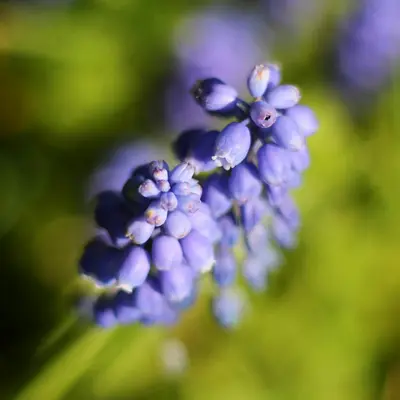
A premium rabbiteye blueberry variety developed by the University of Georgia, prized for its exceptionally large, firm berries with outstanding sweet flavor. This vigorous, upright bush produces heavy yields of light blue fruit that stores and ships better than most varieties. Perfect for hot, humid climates where Northern highbush varieties struggle.
Harvest
60-70d
Days to harvest
Sun
Full sun to partial shade
Zones
7–10
USDA hardiness
Height
0-12 feet
Planting Timeline
Showing dates for Brightwell Rabbiteye Blueberry in USDA Zone 7
All Zone 7 berry →Zone Map
Click a state to update dates
Brightwell Rabbiteye Blueberry · Zones 7–10
Growing Details
Complete Growing Guide
Brightwell rabbiteye blueberries require full sun and acidic soil (pH 4.5–5.5) to thrive, particularly in the hot, humid Southeast where they outperform Northern highbush varieties. Unlike their finicky cousins, Brightwell tolerates heat stress and poor drainage better, though consistent moisture prevents fruit drop during establishment. Plant in early spring or fall, spacing bushes 4–6 feet apart to allow air circulation that reduces fungal diseases common in humid regions. Watch for leafspot and stem cankers in prolonged wet conditions; thin dense growth to improve airflow. Brightwell's upright habit means less pruning than sprawling varieties, but remove low-growing canes to encourage the 8–12 foot frame. One key difference: this cultivar produces heavier crops than comparable rabbiteyes, so thin flower buds in year two to direct energy into root development rather than early fruit, ensuring vigor for decades of production.
Soil pH: Acid (<6.0). Height: 0 ft. 6 in. - 12 ft. 0 in.. Spread: 0 ft. 6 in. - 12 ft. 0 in..
Harvesting
Brightwell rabbiteyes reach peak harvest readiness when berries develop their characteristic light blue color with a subtle silvery bloom and feel slightly soft when gently squeezed—a tactile indicator that sugars have fully concentrated. Unlike single-harvest varieties, Brightwell produces berries progressively over several weeks, requiring multiple passes through the canopy every three to four days during peak season to collect fruit at optimal ripeness. For best results, harvest in early morning after dew dries but before afternoon heat, as the firm berries are less prone to bruising when cool and their superior shipping quality is maximized when picked at this stage rather than overripe.
Fruit shape, color, and size vary with species with many being dark blue or bright red. They all have a distinct "crown" of 4-5 parts on the blossom end. The fruits are initially green, transition to reddish-pink, then blue with a glaucous coat.
Color: Blue, Green, Pink, Red/Burgundy. Type: Berry. Length: < 1 inch. Width: < 1 inch.
Garden value: Edible, Showy
Harvest time: Summer
Edibility: All fruits in this genus are safe to eat, though a few are not palatable. Most are sweet and/or tart and many, including blueberries and cranberries, are grown commercially for their fruit.
Storage & Preservation
Freshly harvested Brightwell berries store best at 32–40°F with 90–95% humidity in shallow containers that allow air circulation; avoid stacking to prevent bruising. Under these conditions, expect a shelf life of 10–14 days. For longer preservation, freezing is ideal—spread berries on a tray, freeze solid, then transfer to freezer bags for up to a year of storage. The excellent eating quality and balanced sweet-tart flavor make these berries particularly suited to jam-making; cook with minimal added pectin since natural sugars concentrate nicely. Canning as a syrup works well, though freezing better preserves the delicate fresh flavor. Drying is also viable, though it concentrates tartness. Because Brightwell berries have thicker skins than some rabbiteye varieties, they hold their integrity exceptionally well through mechanical processing, making them reliable for commercial juice or pie filling applications if you're processing larger harvests.
Companion Plants
The best companions for Brightwell are plants that tolerate — or actively prefer — the same acidic, well-drained soil blueberries need. Azaleas and rhododendrons are the obvious choices: both thrive at pH 4.5–5.5, so you're not fighting conflicting soil requirements when you mix them into the planting. Pine trees do something more active — their needle drop slowly acidifies the surrounding soil over years, and their duff makes a decent free mulch for the blueberry bed. Strawberries earn their place as a ground cover between rows; they fill space that would otherwise grow weeds, handle the same pH range, and stay shallow enough that root competition with Brightwell's fibrous mat isn't much of an issue. Around here in the southeast, thyme is a solid low-growing border choice too — it handles the summer heat without flinching and may deter some soil-level pests, though I wouldn't stake much on that last claim.
The harmful companions are mostly a soil-chemistry mismatch. Brassicas, tomatoes, and asparagus all prefer near-neutral soil in the pH 6.0–7.0 range, so planting them close to blueberries puts you in an impossible position — acidify enough for the Vaccinium and the vegetables sulk; back off and the blueberry shows chlorosis within a season. Black walnut is a different problem entirely: it produces juglone, an allelopathic compound that suppresses root development in sensitive plants, and blueberries are on the sensitive list. Sixty feet of separation is the standard recommendation, and if you've got an established walnut on the property line, site your blueberry bed on the opposite end of the garden.
Plant Together
Azalea
Shares similar acidic soil requirements and shallow root systems
Rhododendron
Thrives in same acidic conditions and provides complementary flowering periods
Pine Trees
Acidify soil naturally through needle drop and provide beneficial mycorrhizal fungi
Ferns
Prefer acidic soil and provide ground cover without competing for nutrients
Cranberry
Compatible acid-loving plant that shares similar growing requirements
Strawberry
Acts as living mulch and attracts beneficial pollinators
Thyme
Repels harmful insects and tolerates acidic soil conditions
Marigold
Deters nematodes and other soil-borne pests naturally
Keep Apart
Black Walnut
Produces juglone toxin that inhibits blueberry growth and development
Brassicas
Prefer alkaline soil conditions opposite to blueberry requirements
Tomato
Requires neutral to slightly alkaline soil, incompatible with acidic conditions
Asparagus
Needs alkaline soil and deep root system competes aggressively for nutrients
Nutrition Facts
Per 100g serving. % Daily Value based on 2,000 calorie diet. Source: USDA FoodData Central (FDC #2346411)
Pests & Disease Resistance
Resistance
Good resistance to stem canker and leaf spot diseases
Common Pests
Blueberry maggot, aphids, scale insects, birds
Diseases
Mummy berry, anthracnose, root rot in poorly drained soils
Troubleshooting Brightwell Rabbiteye Blueberry
What you'll see, why it happens, and what to do about it.
Berries shriveling and turning brown before fully ripening, often with a gray powdery coating inside the mummified fruit
Likely Causes
- Mummy berry (Monilinia vaccinii-corymbosi) — a fungal disease that overwinters in infected fruit on the ground and shoots spores up in spring
- Wet spring weather during bloom, which gives spores ideal conditions to infect flowers
What to Do
- 1.Rake up and dispose of any mummified berries under the bush — don't compost them, bag and trash them
- 2.Apply a 3-4 inch layer of fresh wood chip mulch over the soil surface before bloom to physically block spore release
- 3.If you had mummy berry last year, apply a copper-based fungicide at bud swell and again at early bloom
Leaves turning yellow between the veins while the veins themselves stay green, starting on newer growth
Likely Causes
- Iron chlorosis caused by soil pH above 5.5 — Brightwell can't pull iron from soil that isn't acidic enough
- Waterlogged roots that reduce nutrient uptake even when pH is correct
What to Do
- 1.Test your soil pH — if it's above 5.5, work in elemental sulfur at the rate on the package and retest in 60 days
- 2.Mulch with pine needles or aged pine bark, which gradually acidify the soil as they break down
- 3.Don't plant Brightwell anywhere that holds standing water after rain; root rot follows quickly, and you won't recover a bush that's been sitting wet for two or three seasons
Berries disappearing overnight or found pecked open on the ground, with no insect damage visible on leaves
Likely Causes
- Bird pressure — robins, mockingbirds, and cedar waxwings will strip a mature Brightwell bush in two or three days at peak ripeness
- Squirrels, which tend to take whole clusters and leave bare stems behind
What to Do
- 1.Net the bushes with 3/4-inch mesh bird netting before the first berries blush — once birds find the crop, adding netting after the fact rarely stops them
- 2.Use a sturdy PVC hoop frame so the netting doesn't drape directly on the fruit, which lets birds peck right through it
- 3.Harvest every 2-3 days at peak season rather than waiting for a single large pick
Frequently Asked Questions
How long does Brightwell blueberry take to produce fruit?▼
What pollinates Brightwell rabbiteye blueberry?▼
Can you grow Brightwell blueberry in containers?▼
Is Brightwell blueberry good for beginners?▼
When should I plant Brightwell blueberry bushes?▼
What does Brightwell blueberry taste like compared to store-bought?▼
Zone-by-Zone Planting Calendar
Growing Guides from Wind River Greens
Sources & References
External authority sources used in compiling this guide.
- ExtensionNC State Extension
- USDAUSDA FoodData Central
See the Methodology page for how this data is sourced, what's AI-assisted, and known limitations.