Clematis Jackmanii
Clematis x jackmanii
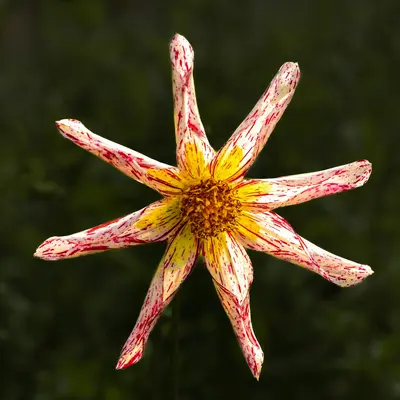
The most popular and reliable clematis variety, famous for its prolific display of rich purple flowers that bloom from mid-summer through early fall. This vigorous climbing vine can transform any vertical space with its abundant 4-6 inch blooms, making it perfect for trellises, arbors, and fences. Jackmanii is incredibly hardy and forgiving, making it the ideal choice for gardeners new to clematis growing.
Sun
Full sun to partial shade
Zones
3–9
USDA hardiness
Difficulty
Easy to Moderate
Planting Timeline
Showing dates for Clematis Jackmanii in USDA Zone 7
All Zone 7 flower →Zone Map
Click a state to update dates
Clematis Jackmanii · Zones 3–9
Growing Details
Complete Growing Guide
Light: Full sun (6 or more hours of direct sunlight a day), Partial Shade (Direct sunlight only part of the day, 2-6 hours). Soil: High Organic Matter. Soil pH: Alkaline (>8.0), Neutral (6.0-8.0). Drainage: Good Drainage, Moist. Spacing: 12 inches-3 feet, 3 feet-6 feet. Growth rate: Medium. Maintenance: Medium. Propagation: Division, Layering, Stem Cutting. Regions: Coastal, Mountains, Piedmont.
Harvesting
many small, dry fruits each with a silky-plumose tail
Color: Brown/Copper. Type: Achene.
Storage & Preservation
Fresh-cut Clematis Jackmanii flowers last longest when stems are immediately placed in lukewarm water and then moved to cool water once conditioned. Re-cut stems underwater every 2-3 days and change water completely. Fresh arrangements typically maintain quality for 5-7 days in cool indoor conditions.
For dried preservation, harvest flowers at peak bloom before any petal deterioration. Bundle small groups of 3-5 stems with rubber bands and hang upside down in a dark, dry area with good air circulation. Properly dried clematis flowers retain color for 6-12 months when stored away from direct light.
Seed heads can be harvested after they develop their characteristic feathery plumes, usually 4-6 weeks after flowering. These make excellent additions to dried arrangements and maintain their silvery appearance indefinitely when kept dry. Both flowers and seed heads should be stored in loosely covered containers with silica gel packets to prevent moisture reabsorption.
History & Origin
Origin: N. America, Europe, India, Australia, China, Japan, New Zealand
Advantages
- +Attracts: Bees, Butterflies, Hummingbirds
Considerations
- -Toxic (Leaves, Sap/Juice): High severity
- -Causes contact dermatitis
Companion Plants
Hosta and Heuchera do the most useful work here — both are shade-tolerant and low-growing enough to sit at the base of the vine, shading the root zone and keeping soil temperatures down through the hottest weeks, which Jackmanii needs to bloom well into September. Roses are a time-tested pairing because Jackmanii threads through canes without rooting at the same depth, so neither plant crowds the other underground. Lavender and catmint share Jackmanii's preference for alkaline soil (pH 7.0-8.0) and dry feet, so they won't compete. Black Walnut is a hard no — juglone produced by its root system accumulates in the soil and will cause dieback that looks like wilt but won't recover no matter how deep you planted the crown.
Plant Together
Hosta
Provides shade for clematis roots while allowing vine to climb above
Lavender
Repels aphids and spider mites that commonly attack clematis
Roses
Creates beautiful color combinations and both benefit from similar growing conditions
Heuchera
Low-growing groundcover that shades clematis roots and retains soil moisture
Catmint
Deters aphids and ants while providing complementary purple-blue flowers
Astilbe
Thrives in partial shade created by clematis and helps cool root zone
Clematis Montana
Different bloom times extend flowering season and similar care requirements
Boxwood
Evergreen structure provides year-round support and root shading
Keep Apart
Black Walnut
Releases juglone toxin that inhibits clematis growth and can cause wilting
Large Maples
Shallow root system competes aggressively for water and nutrients
Mint
Invasive spreading can overwhelm clematis root system and compete for resources
Pests & Disease Resistance
Resistance
Good resistance to clematis wilt
Common Pests
Aphids, earwigs, slugs, spider mites
Diseases
Clematis wilt, powdery mildew, leaf spot
Troubleshooting Clematis Jackmanii
What you'll see, why it happens, and what to do about it.
Entire vine wilts and collapses suddenly — stems turn dark brown or black at or just above soil level, sometimes overnight
Likely Causes
- Clematis wilt (Calophoma clematidina) — a fungal pathogen that blocks water movement in the stem
- Planting too shallow — crown less than 2 inches below soil surface, leaving it vulnerable
What to Do
- 1.Cut the affected stems all the way back to soil level and dispose of them in the trash, not the compost
- 2.Don't panic — if the crown was planted 2-3 inches deep, new shoots usually emerge from below ground within a few weeks
- 3.Next planting season, set the crown deeper and mulch the base to keep soil moisture steady without waterlogging
White powdery coating on leaves and young stems, typically showing up in mid to late summer
Likely Causes
- Powdery mildew (Erysiphe ranunculi) — a fungal disease that thrives when days are warm and nights are cool, especially with poor airflow
- Overcrowded planting or a fence/wall position that traps humid air
What to Do
- 1.Remove and trash the worst-affected leaves — don't compost them
- 2.Apply a dilute baking soda spray (1 tablespoon per gallon of water) or a neem oil solution every 7-10 days as a low-cost suppression measure
- 3.Prune surrounding shrubs or plants to open up at least 6-10 inches of airspace around the vine
New growth distorted or sticky, with clusters of small soft-bodied insects on stem tips and flower buds
Likely Causes
- Aphids (commonly Aphis gossypii or Myzus persicae) — they congregate on tender new growth and excrete honeydew that attracts sooty mold
- Absence of natural predators, often because nearby plants were sprayed broadly with insecticide
What to Do
- 1.Knock aphids off with a firm spray of water from a hose — do this 3 mornings in a row
- 2.If the infestation persists, apply insecticidal soap directly to the colonies, coating the undersides of leaves
- 3.Plant catmint (Nepeta) within 2-3 feet — it draws parasitic wasps that keep aphid populations in check
Frequently Asked Questions
How long does Clematis Jackmanii take to establish and bloom well?▼
When should I plant Clematis Jackmanii?▼
Can you grow Clematis Jackmanii in containers?▼
Is Clematis Jackmanii good for beginners?▼
How do you prune Clematis Jackmanii?▼
What's the difference between Clematis Jackmanii and other purple clematis?▼
Zone-by-Zone Planting Calendar
| Zone | Indoor Start | Transplant | Direct Sow | Harvest |
|---|---|---|---|---|
| Zone 3 | April – May | June – July | June – August | — |
| Zone 4 | March – April | June – June | June – July | — |
| Zone 5 | March – April | May – June | May – July | — |
| Zone 6 | March – April | May – June | May – July | — |
| Zone 7 | February – March | April – May | April – June | — |
| Zone 8 | February – March | April – May | April – June | — |
| Zone 9 | January – February | March – April | March – May | — |
| Zone 10 | January – January | February – March | February – April | — |
| Zone 1 | May – June | July – August | July – September | — |
| Zone 2 | April – May | June – July | June – August | — |
| Zone 11 | January – January | January – February | January – March | — |
| Zone 12 | January – January | January – February | January – March | — |
| Zone 13 | January – January | January – February | January – March | — |
Growing Guides from Wind River Greens
Sources & References
External authority sources used in compiling this guide.
- ExtensionNC State Extension
See the Methodology page for how this data is sourced, what's AI-assisted, and known limitations.