Lavender Twist Weeping Redbud
Cercis canadensis 'Covey'
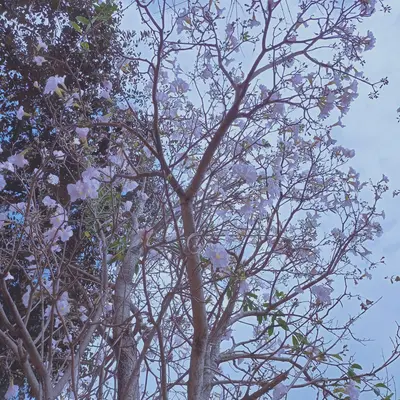
A remarkable weeping form of redbud that creates a living sculpture in the landscape with its gracefully cascading branches and stunning spring flower display. The twisted, contorted branches are covered with bright pink-purple flowers before the heart-shaped leaves emerge, creating an unforgettable sight. This award-winning tree brings unique character and four-season interest to any garden.
Sun
Full sun to partial shade
Zones
4–9
USDA hardiness
Height
20-30 feet
Planting Timeline
Showing dates for Lavender Twist Weeping Redbud in USDA Zone 7
All Zone 7 ornamental-tree →Zone Map
Click a state to update dates
Lavender Twist Weeping Redbud · Zones 4–9
Growing Details
Complete Growing Guide
The Lavender Twist weeping redbud thrives in full sun to part shade and prefers well-draining soil, but this cultivar's contorted branching structure requires thoughtful pruning timing—remove dead wood immediately after flowering in spring while the tree is actively growing, as late-season cuts invite canker diseases. Unlike upright redbuds, this weeping form benefits from occasional thinning of crossing or rubbing branches to maintain its sculptural form and prevent fungal infections in the dense canopy. Watch for Botryosphaeria canker and verticillium wilt, which can exploit wounds, so sterilize tools between cuts. The cultivar is generally pest-resistant but may show vulnerability to spider mites in hot, dry conditions; adequate moisture during establishment prevents stress-related susceptibility. A practical tip: stake young trees loosely for their first year to guide a strong central leader, as the naturally cascading growth habit can sometimes become leggy without structural support during youth.
Light: Full sun (6 or more hours of direct sunlight a day), Partial Shade (Direct sunlight only part of the day, 2-6 hours). Soil: Clay, High Organic Matter, Loam (Silt), Sand. Soil pH: Acid (<6.0), Alkaline (>8.0), Neutral (6.0-8.0). Drainage: Good Drainage, Moist, Occasionally Dry. Height: 20 ft. 0 in. - 30 ft. 0 in.. Spread: 25 ft. 0 in. - 35 ft. 0 in.. Spacing: 12-24 feet, 24-60 feet. Growth rate: Medium. Maintenance: Low. Propagation: Seed. Regions: Mountains, Piedmont.
Harvesting
Peak readiness for Lavender Twist Weeping Redbud occurs when flowers transition from tight buds to fully open blooms displaying their brightest pink-purple coloration, typically mid-to-late spring depending on your climate zone. The flowers should feel papery and dry to the touch rather than limp, indicating optimal maturity for cutting. Since this cultivar produces a concentrated flush of blooms over 2-3 weeks rather than continuous flowering, adopt a single intensive harvest approach by cutting stems during early morning hours when moisture content is highest, which extends vase life significantly. Gather stems with at least three to four nodes of foliage to encourage branching and maintain the tree's graceful weeping structure for next season's display.
By summer (after flowers) but possibly lasting through fall and even winter, this plant has green turning to brown, flat, oblong seedpods (with about 9 seeds per pod) which are about 2 to 4 inches long. The brown seed pods can look a little untidy hanging from the tree into the winter.
Color: Brown/Copper, Green, Red/Burgundy. Type: Legume. Length: 1-3 inches. Width: < 1 inch.
Garden value: Showy
Harvest time: Fall, Summer
Edibility: The flowers are edible and taste similar to peas. Contain high amounts of vitamin C.
Storage & Preservation
Fresh redbud flowers keep refrigerated in a sealed, dampened paper towel-lined container for up to 2-3 days. They're best used fresh in salads or as garnishes within 24 hours of harvest. For preservation, crystallize flowers by coating with egg white and superfine sugar, then air-drying on parchment for 2-3 days—they'll keep in an airtight container for several weeks and work beautifully as cake or salad garnishes. Alternatively, dry flowers in a dark, well-ventilated space (hanging bunches upside down takes 1-2 weeks) for herbal tea blending or decorative arrangements. Frozen flowers lose textural appeal but retain color; freeze individual petals on a baking sheet, then transfer to freezer bags for up to 3 months—use only in cooked applications. Do not can redbud flowers; their delicate nature and low-acid profile make them unsuitable for safe water-bath or pressure canning.
History & Origin
The 'Covey' cultivar of Cercis canadensis, commercially known as Lavender Twist Weeping Redbud, emerged from deliberate breeding efforts to develop ornamental weeping forms of native eastern redbud. While detailed documentation of the original breeder and exact year of introduction remains limited in readily available horticultural records, this cultivar represents decades of selection work within the ornamental tree industry focused on enhancing the naturally weeping habit occasionally observed in wild redbud populations. The variety gained recognition through modern nursery propagation and marketing, eventually receiving ornamental awards that established its reputation. Its twisted branching characteristic and pendulous form distinguish it from standard upright redbud varieties, reflecting targeted breeding for landscape novelty and visual interest rather than traditional heritage cultivation.
Origin: Eastern and central North America, NC to E. Mexico
Advantages
- +Gracefully cascading branches create dramatic living sculpture in landscape design.
- +Stunning bright pink-purple flowers bloom before leaves for maximum spring impact.
- +Award-winning twisted form provides unique four-season visual interest and character.
- +Heart-shaped foliage emerges after flowers, extending ornamental appeal through seasons.
Considerations
- -Susceptible to canker, leaf spot, and verticillium wilt diseases requiring management.
- -Scale insects, caterpilars, and leafhoppers frequently infest this variety's foliage.
- -Moderate difficulty level means regular pruning and maintenance expertise is necessary.
- -Weeping form's delicate cascading branches require careful staking and structural support.
Companion Plants
The best companions for Lavender Twist are shade-tolerant perennials that fill in beneath its canopy without putting up a fight for resources. Hostas, Coral Bells (Heuchera), and Astilbe all have shallow, fibrous root systems that coexist easily with the redbud's roots, and their foliage texture plays well against the tree's rounded, heart-shaped leaves. Ferns and Wild Ginger belong in the same category — low-growing plants that accept dappled light and don't need supplemental water once they've settled in. Bleeding Heart (Dicentra) is a natural fit for a different reason: it goes dormant on its own by midsummer, right as the canopy thickens, so the timing works out without any management on your part.
Black Walnut (Juglans nigra) is the one to keep well away — its roots release juglone, a compound documented to damage or kill Cercis species, and the affected zone can extend well beyond the tree's visible drip line. Large Maples and mature Pines are a different kind of problem: no allelopathy, just sheer root mass. A 30-year-old Norway Maple has lateral roots pushing out 30–40 feet, and they'll pull moisture and nutrients away from a young redbud before it has any real anchor in the soil.
Plant Together
Hostas
Thrive in partial shade under the tree canopy, complementary foliage textures
Astilbe
Enjoys dappled shade and moist soil conditions similar to redbud preferences
Coral Bells
Shade tolerant with colorful foliage that complements redbud's purple spring flowers
Ferns
Natural woodland companions that thrive in the filtered light beneath redbud
Wild Ginger
Native groundcover that shares similar soil and moisture requirements
Bleeding Heart
Spring bloomer that appreciates partial shade and complements redbud's flowering time
Caladium
Shade-loving plant with colorful leaves that enhance the understory appeal
Ajuga
Low-growing groundcover that tolerates root competition and provides spring color
Keep Apart
Black Walnut
Produces juglone which is toxic to redbud and can cause stunting or death
Large Maples
Aggressive root systems compete heavily for water and nutrients
Pine Trees
Acidify soil significantly, while redbud prefers neutral to slightly alkaline conditions
Pests & Disease Resistance
Resistance
Good resistance to most diseases
Common Pests
Scale insects, caterpillars, leafhoppers
Diseases
Canker, leaf spot, verticillium wilt
Troubleshooting Lavender Twist Weeping Redbud
What you'll see, why it happens, and what to do about it.
Sunken, discolored patches on bark — often with cracking or oozing — usually appearing on the trunk or main branches
Likely Causes
- Botryosphaeria or Cytospora canker — fungal infections that enter through wounds, pruning cuts, or winter damage
- Drought stress weakening the tree's ability to compartmentalize infection
What to Do
- 1.Prune at least 6 inches below the visibly infected tissue, cutting back to healthy wood; sterilize your saw between cuts with 70% isopropyl alcohol
- 2.Dispose of infected branches in the trash, not the compost pile
- 3.Water deeply during dry spells — even drought-tolerant trees are vulnerable to canker when stressed in their first 2–3 years
Small, raised tan or brown bumps along stems and branches that don't scrape off easily, paired with sticky residue or sooty mold on leaves below
Likely Causes
- Scale insects (most commonly Oystershell scale, Lepidosaphes ulmi, or Calico scale, Eulecanium cerasorum) feeding on bark and excreting honeydew
- The sooty mold is secondary — a fungus colonizing the honeydew, not a direct infection
What to Do
- 1.In late winter before bud break, apply a dormant horticultural oil spray — coat stems thoroughly to smother overwintering scale
- 2.For active infestations in the growing season, a summer-weight horticultural oil applied when crawlers are moving (typically late spring) is more effective than contact insecticides on adults
- 3.Check for ants farming the scale; if present, use a sticky barrier band around the trunk to block them, since ants actively protect scale colonies from predators