Saucer Magnolia
Magnolia × soulangeana
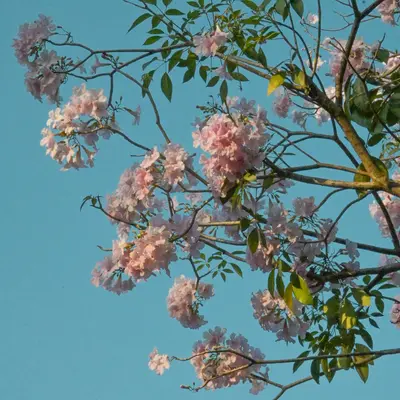
A breathtaking early spring bloomer that produces large, tulip-shaped flowers in shades of pink, purple, and white before the leaves emerge. This classic magnolia hybrid is perfect for creating a stunning focal point in the landscape and signaling the arrival of spring with its magnificent floral display.
Sun
Full sun to partial shade
Zones
5–8
USDA hardiness
Height
10-30 feet
Planting Timeline
Showing dates for Saucer Magnolia in USDA Zone 7
All Zone 7 ornamental-tree →Zone Map
Click a state to update dates
Saucer Magnolia · Zones 5–8
Growing Details
Complete Growing Guide
Light: Dappled Sunlight (Shade through upper canopy all day), Full sun (6 or more hours of direct sunlight a day), Partial Shade (Direct sunlight only part of the day, 2-6 hours). Soil: Clay, Loam (Silt), Sand. Soil pH: Acid (<6.0). Drainage: Good Drainage, Moist. Height: 10 ft. 0 in. - 30 ft. 0 in.. Spread: 10 ft. 0 in. - 25 ft. 0 in.. Spacing: 6-feet-12 feet, 12-24 feet. Growth rate: Medium. Maintenance: Medium. Regions: Coastal, Mountains, Piedmont.
Harvesting
Fruits are cone-like aggregations of follicles. Each follicle opens to reveal a seed, which often has a colorful, fleshy seed coat.
Type: Aggregate, Follicle.
Storage & Preservation
Saucer Magnolia blooms are not typically harvested for storage like produce. If cutting branches for arrangements, place stems in cool water immediately after cutting and keep in a cool location (50-65°F) away from direct sunlight. Cut flowers last 7-10 days. For preserving the experience, photograph blooms during peak flowering, as the display is ephemeral. Alternatively, dry individual petals between newspaper in a cool, dark place for 2-3 weeks to create potpourri or pressed flower arrangements that capture the spring beauty long-term.
History & Origin
Origin: The Americas & Asia.
Advantages
- +Attracts: Bees, Moths, Pollinators, Songbirds
Companion Plants
Hostas, ferns, and Japanese Painted Fern are the most practical companions here — they're shallow-rooted and genuinely thrive in the partial shade a mature Saucer Magnolia casts by midsummer, so you're working with the tree's footprint rather than against it. Azaleas, Rhododendrons, and Camellias share the same pH sweet spot (5.5–6.5) and won't strain the soil for moisture. Black Walnut is the one to plant nowhere near this tree — the juglone it releases through roots and decomposing leaf litter accumulates to toxic levels within about 50–60 feet and will steadily decline a young magnolia. Large ornamental grasses cause a quieter problem: their dense root mats pull water aggressively and can stress the tree through its first 3–4 establishment years before symptoms are obvious.
Plant Together
Hostas
Thrive in partial shade under magnolia canopy and complement the tree's flowering period
Azaleas
Share similar acidic soil preferences and bloom time, creating layered spring display
Ferns
Flourish in the dappled shade and help retain soil moisture around shallow roots
Camellia
Compatible acidic soil needs and provides winter interest when magnolia is dormant
Hellebores
Early blooming perennial that thrives in partial shade and complements magnolia's spring flowers
Rhododendrons
Share acidic soil requirements and shallow root systems that won't compete aggressively
Japanese Painted Fern
Adds silvery foliage contrast and thrives in the cool, moist conditions under magnolia
Coral Bells
Tolerates partial shade and provides colorful foliage that complements magnolia's texture
Keep Apart
Black Walnut
Produces juglone toxin that can inhibit magnolia growth and cause leaf yellowing
Large Grasses
Compete aggressively for water and nutrients near magnolia's shallow root zone
Eucalyptus
Allelopathic compounds can inhibit growth and establishment of magnolia trees
Pests & Disease Resistance
Resistance
Moderate resistance, susceptible to scale and canker
Common Pests
Magnolia scale, aphids, thrips
Diseases
Bacterial canker, leaf spot, powdery mildew
Troubleshooting Saucer Magnolia
What you'll see, why it happens, and what to do about it.
Raised, waxy brown bumps on branches and stems, sometimes with sticky honeydew residue or sooty mold coating the bark beneath
Likely Causes
- Magnolia scale (Neolecanium cornuparvum) — one of the largest soft scales in North America, overwinters as nymphs on young wood
- Dense canopy or crowded planting that slows drying and traps humidity
What to Do
- 1.In late summer, spray crawler-stage nymphs (typically August) with horticultural oil — this is your best window; adults under their waxy shells are much harder to kill
- 2.Scrub visible adult scales off small branches with a stiff brush dipped in diluted isopropyl alcohol
- 3.If infestation is heavy two years running, apply a systemic imidacloprid drench in spring, though be aware of pollinator risks during bloom
Sunken, discolored lesions on the trunk or main scaffold branches, sometimes with cracked or weeping bark, appearing in spring or after a hard freeze
Likely Causes
- Bacterial canker (Pseudomonas syringae) — enters through wounds, frost cracks, or pruning cuts; thrives in cool, wet conditions
- Pruning in late fall or early winter that leaves fresh wounds exposed to freezing temps
What to Do
- 1.Cut out all cankered wood back to healthy tissue — sterilize your saw or loppers with 70% isopropyl between every cut
- 2.Time any major pruning to just after bloom in spring, not fall, so wounds close before cold weather arrives
- 3.Skip wound-sealing paint; NC State Extension advises it doesn't prevent infection and can trap moisture against the cut
Frequently Asked Questions
When should I plant Saucer Magnolia trees?▼
How long does Saucer Magnolia bloom?▼
Can you grow Saucer Magnolia in containers?▼
How large does Saucer Magnolia get?▼
Is Saucer Magnolia good for beginner gardeners?▼
Zone-by-Zone Planting Calendar
Growing Guides from Wind River Greens
Sources & References
External authority sources used in compiling this guide.
- ExtensionNC State Extension
See the Methodology page for how this data is sourced, what's AI-assisted, and known limitations.