Gray-Headed Coneflower
Ratibida pinnata
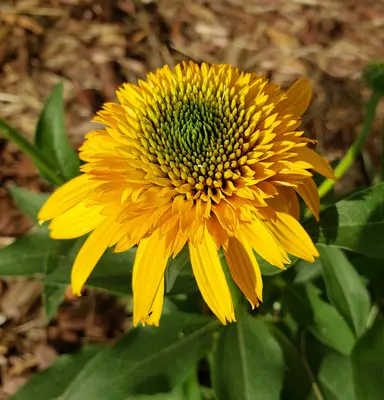
Gray-Headed Coneflower (Ratibida pinnata) is a perennial native wildflower. Hardy in USDA zones 3 to 8.
Sun
Full sun to partial shade
Zones
3–8
USDA hardiness
Height
4 feet
Planting Timeline
Showing dates for Gray-Headed Coneflower in USDA Zone 7
All Zone 7 native-wildflower →Zone Map
Click a state to update dates
Gray-Headed Coneflower · Zones 3–8
Growing Details
Complete Growing Guide
Light: Full sun (6 or more hours of direct sunlight a day), Partial Shade (Direct sunlight only part of the day, 2-6 hours). Soil: Clay, Loam (Silt), Sand, Shallow Rocky. Drainage: Good Drainage, Moist, Occasionally Dry. Growth rate: Medium. Maintenance: Low. Propagation: Division, Seed. Regions: Coastal, Mountains, Piedmont.
Harvesting
Seeds are formed in the disc flowers
Type: Achene. Length: < 1 inch. Width: < 1 inch.
Harvest time: Fall, Summer
Storage & Preservation
Gray-Headed Coneflower seeds store exceptionally well when properly dried. After extracting seeds from the dried cone, spread them on a paper plate in a warm, dry location for 2–3 weeks to cure completely. Store in an airtight container (glass jar or seed envelope) in a cool, dry place or refrigerator; seeds remain viable for 2–3 years with proper storage.
For dried flower arrangements, cut mature flowers just as the petals begin to recurve, bundle with twine, and hang upside-down in a warm, dark, well-ventilated space for 2–3 weeks. Dried heads retain their structure and color for several years, making them ideal for winter arrangements or craft projects. Fresh-cut flowers can be refrigerated in water for up to 10 days, though they naturally last 7–9 days at room temperature in a standard vase.
History & Origin
Origin: South East Canada to U.S.A
Advantages
- +Attracts: Bees, Butterflies, Pollinators, Predatory Insects, Songbirds
- +Low maintenance
Companion Plants
Purple Coneflower (Echinacea purpurea), Black-Eyed Susan (Rudbeckia hirta), and Wild Bergamot (Monarda fistulosa) are the natural running mates here. They bloom on overlapping schedules through June and August, share similar drought tolerance once established, and collectively attract a broader range of native bees than any single species does — Ratibida's drooping yellow rays appeal especially to long-tongued bees that can't work the tighter florets of Rudbeckia as efficiently. Little Bluestem and Switchgrass make good structural companions because their deep fibrous roots don't crowd Ratibida's crown the way a dense low ground cover would. Prairie Dropseed fills the 12–18-inch gap beneath without shading out lower leaves.
The three harmful companions — Crown Vetch (Coronilla varia), Autumn Olive (Elaeagnus umbellata), and Purple Loosestrife (Lythrum salicaria) — are all invasive species. The threat isn't chemical, it's competitive: all three spread aggressively enough to physically displace native plantings within 2–3 seasons. Get them out of the bed before you plant, not after you notice the coneflowers thinning.
Plant Together
Purple Coneflower
Similar growing requirements and bloom times, attracts beneficial pollinators
Black-Eyed Susan
Complementary bloom periods, shared native habitat preferences, attracts butterflies
Wild Bergamot
Natural pest deterrent properties, attracts beneficial insects and hummingbirds
Little Bluestem Grass
Provides structural support and winter interest, shares drought tolerance
New England Aster
Extends pollinator season into fall, similar soil and moisture needs
Prairie Dropseed
Creates natural prairie ecosystem, improves soil structure and drainage
Wild Quinine
Compatible native partner, provides different bloom texture and height variation
Switchgrass
Offers wind protection and structural support, enhances prairie aesthetic
Keep Apart
Crown Vetch
Aggressive spreader that can outcompete and smother native wildflowers
Autumn Olive
Invasive shrub that creates dense shade and depletes soil nutrients
Purple Loosestrife
Highly invasive wetland plant that disrupts native plant communities
Troubleshooting Gray-Headed Coneflower
What you'll see, why it happens, and what to do about it.
Seedlings or young transplants wilting and failing to establish, stems at soil level look pinched or rotted
Likely Causes
- Damping off (Pythium or Rhizoctonia spp.) from overly wet soil and poor drainage
- Planting into heavy clay that stays saturated after spring rains
What to Do
- 1.Let the top inch of soil dry out between waterings — Ratibida pinnata is drought-tolerant once established and hates wet feet as a seedling
- 2.Amend planting beds with coarse sand or fine gravel if drainage is genuinely poor
- 3.If starting seeds indoors, use a sterile seed-starting mix and bottom-water only
Leaves with irregular tan or brown patches, sometimes with a faint powdery coating, appearing mid-to-late summer
Likely Causes
- Powdery mildew (Erysiphe cichoracearum or related species) — common on coneflowers in humid conditions with poor airflow
- Plants spaced too tightly, especially once they reach full 4-foot height
What to Do
- 1.Space plants at least 18 inches apart — 24 inches if your site has low airflow — to let foliage dry between rains
- 2.Cut badly affected stems back to the basal rosette in late summer; the plant will come back fine
- 3.Skip overhead watering on mature plants; drip or ground-level watering keeps foliage dry
Plants produce only a low rosette of leaves in year one and never bloom
Likely Causes
- Normal slow-establishing behavior — Ratibida pinnata frequently spends its first season building roots and doesn't send up flowering stalks until year two
- Insufficient cold stratification if direct-seeded into warm spring soil without a prior winter chill period
What to Do
- 1.Direct sow in fall or in early spring (March–May in zone 7) so seeds receive natural cold stratification through freeze-thaw cycles
- 2.If you missed fall sowing, cold-stratify seeds in a damp paper towel in the refrigerator for 30 days before direct sowing
- 3.Don't pull the rosette thinking it failed — mark the spot and give it a second season; plants that root well in year one typically carry 10–20 flowering stalks by year two
Frequently Asked Questions
How long does Gray-Headed Coneflower take to bloom from seed?▼
Can you grow Gray-Headed Coneflower in containers?▼
Is Gray-Headed Coneflower good for beginners?▼
What's the difference between Gray-Headed Coneflower and Purple Coneflower?▼
When should I plant Gray-Headed Coneflower?▼
Does Gray-Headed Coneflower attract pollinators?▼
Zone-by-Zone Planting Calendar
Growing Guides from Wind River Greens
Sources & References
External authority sources used in compiling this guide.
- ExtensionNC State Extension
See the Methodology page for how this data is sourced, what's AI-assisted, and known limitations.