Lady Coral Lavender
Callistephus chinensis
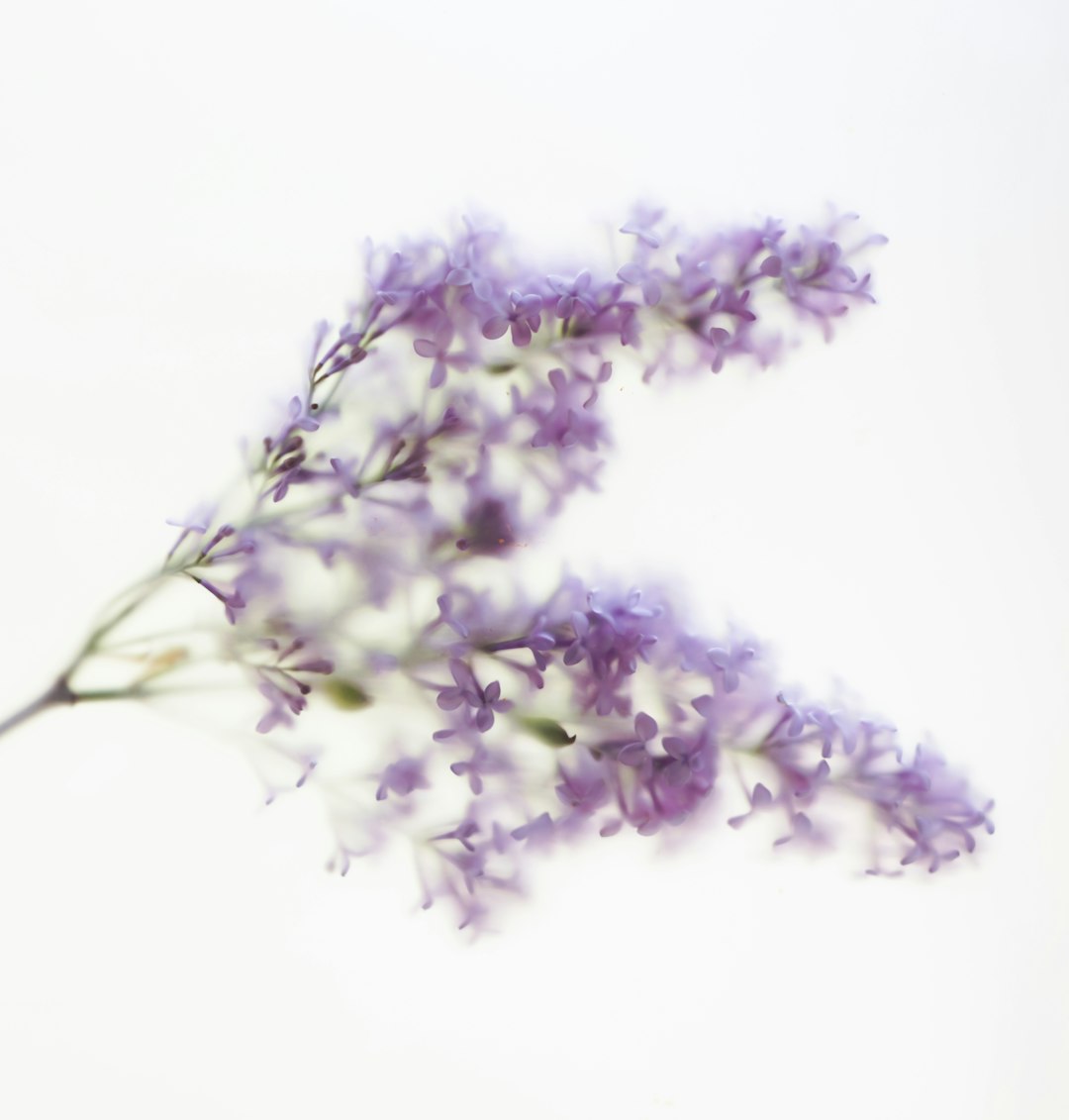
The unique, captivating color of Lady Coral Lavender is simply indescribable - you have to see it to believe it. A favorite in our trials and reminiscent of the silvery full moon, her lilac-taupe petals are tightly packed into 2 1/2-3 1/2" blooms. A bit later to bloom than our other China asters.
Harvest
115-125d
Days to harvest
Sun
Full sun to partial shade
Zones
2–11
USDA hardiness
Height
1-3 feet
Planting Timeline
Showing dates for Lady Coral Lavender in USDA Zone 7
All Zone 7 flower →Zone Map
Click a state to update dates
Lady Coral Lavender · Zones 2–11
Growing Details
Succession Planting
Lady Coral Lavender runs 115–125 days from seed, so timing is everything. Start seeds indoors in late February or early March (zone 7), transplant out in April, and you'll hit blooms in July — right before the worst heat arrives. For a second flush, start another flat indoors in late May; those plants will peak in September and October when the weather cooperates again. Don't bother sowing after mid-June in zone 7 — you won't clear the 115-day minimum before a hard frost takes the plants.
The threshold to respect is 85°F daytime highs. Above that, flower quality drops fast and susceptibility to aster yellows climbs. Two windows — spring and fall — beat trying to push Callistephus through a Georgia August.
Complete Growing Guide
The unique, captivating color of Lady Coral Lavender is simply indescribable - you have to see it to believe it. A favorite in our trials and reminiscent of the silvery full moon, her lilac-taupe petals are tightly packed into 2 1/2-3 1/2" blooms. A bit later to bloom than our other China asters. According to Johnny's Selected Seeds, Lady Coral Lavender is 115 - 125 days to maturity, annual, open pollinated. Notable features: Use for Cut Flowers and Bouquets.
Light: Full sun (6 or more hours of direct sunlight a day), Partial Shade (Direct sunlight only part of the day, 2-6 hours). Soil: Clay, High Organic Matter, Loam (Silt), Sand. Soil pH: Acid (<6.0), Neutral (6.0-8.0). Drainage: Good Drainage, Moist. Height: 1 ft. 0 in. - 3 ft. 0 in.. Spread: 1 ft. 0 in. - 1 ft. 6 in.. Spacing: Less than 12 inches. Growth rate: Rapid. Maintenance: Medium. Regions: Coastal, Mountains, Piedmont.
Harvesting
Lady Coral Lavender reaches harvest at 115 - 125 days from sowing per Johnny's Selected Seeds. Expect 2 1/2-3 1/2" at peak. As an annual, harvest continues until frost ends the season.
The fruit is a rough-textured, glandular, purple-mottled cypsela that turns gray with age.
Storage & Preservation
Lady Coral Lavender blooms are best enjoyed fresh and should be stored in a cool location, ideally in a refrigerator at 35-40°F with moderate humidity to extend vase life to 7-10 days. For preservation, try air-drying bunches in a dark, well-ventilated area for 2-3 weeks to create long-lasting dried arrangements. Alternatively, press blooms between parchment paper under heavy weights for 2-4 weeks to preserve them for crafts and decorative projects. Freeze-drying is another option for enthusiasts seeking to retain color and form. Always harvest in early morning when stems are fully hydrated.
History & Origin
Lady Coral Lavender is open-pollinated, meaning seed saved from healthy plants will produce true-to-type offspring. Listed in the Johnny's Selected Seeds catalog.
Origin: China and Southern Russia
Advantages
- +Unique lilac-taupe color is visually striking and memorable in arrangements
- +Full, densely-packed petals create impressive 2.5-3.5 inch blooms
- +Easy to grow makes it ideal for beginner gardeners
- +Long vase life typical of quality China aster varieties
Considerations
- -Later bloom time requires longer growing season than standard asters
- -China asters susceptible to powdery mildew in humid conditions
- -Tall varieties may require staking in windy locations
Companion Plants
Rosemary, sage, and thyme make sense next to Lady Coral Lavender because all three are Mediterranean herbs that want the same dry-ish, well-drained conditions the aster prefers. They don't compete hard for water or crowd the root zone, and their volatile oils — carvacrol in thyme, camphor in rosemary — do seem to confuse or deter some of the aphids and thrips that bother aster flowers. In our zone 7 Georgia garden, running a low edge of thyme along the bed also keeps the soil from baking and cracking around aster roots during June. French marigolds (Tagetes patula) pull a different trick: their roots produce alpha-terthienyl, a compound that suppresses root-knot nematodes in the soil — worth having if that bed previously grew tomatoes or peppers.
Catmint (Nepeta) and echinacea are worth growing nearby because they draw in parasitic wasps and hover flies that knock back leafhopper populations. Leafhoppers (Macrosteles quadrilineatus) are the primary vector for aster yellows phytoplasma, which is one of the worst things that can happen to this plant. A few echinacea plants within 10–15 feet won't eliminate the risk, but they shift the insect balance in your favor.
Mint stays out of this bed entirely — its underground runners will physically displace aster roots within a single season, no debate. Black walnut is a harder constraint: the tree produces juglone through its roots and decomposing hulls, and Callistephus is sensitive enough that planting within 50 feet of one is a reliable way to lose the crop. If there's a walnut on your property line, pick a different bed.
Plant Together
Rosemary
Similar Mediterranean growing conditions, both repel deer and rabbits
Sage
Compatible water and soil needs, both attract beneficial pollinators
Thyme
Shares drought tolerance and well-draining soil requirements
Marigolds
Repel aphids and nematodes while attracting beneficial insects
Catmint
Similar growing conditions and both deter rodents and insects
Echinacea
Complementary bloom times and both attract butterflies and bees
Sedum
Drought-tolerant groundcover that doesn't compete for nutrients
Ornamental Grasses
Provide structural contrast and share low water requirements
Keep Apart
Black Walnut
Releases juglone toxin that inhibits lavender growth and development
Impatiens
Requires high moisture and rich soil, opposite of lavender's preferences
Mint
Aggressive spreader that competes for space and prefers moist conditions
Troubleshooting Lady Coral Lavender
What you'll see, why it happens, and what to do about it.
Gray, powdery coating on leaves and stems, usually showing up mid-summer when nights cool down but days stay warm
Likely Causes
- Powdery mildew (Erysiphe cichoracearum) — a fungal pathogen that thrives in humid air with poor circulation
- Dense planting with no airflow between plants
What to Do
- 1.Space plants at least 10–12 inches apart from the start — you can't fix a crowded bed after the fact
- 2.Apply a diluted neem oil spray (2 tsp per quart of water) every 7–10 days once you see the first signs
- 3.Pull and trash badly affected stems; don't compost them
Stems collapsing at soil level on young transplants or seedlings, plant tips over and dies within a day or two
Likely Causes
- Fusarium wilt (Fusarium oxysporum) or Pythium damping-off — both soil-borne, both triggered by overwatering and poor drainage
- Starting seeds in non-sterile potting mix reused from a previous season
What to Do
- 1.Start seeds in fresh, sterile seed-starting mix — don't reuse last year's trays or mix
- 2.Water in the morning so the soil surface can dry before nightfall; avoid misting overhead
- 3.If damping-off hits a flat, pull affected seedlings immediately and improve drainage; the survivors are usually fine
Flower buds staying tight and brown, or fully developed blooms turning papery and bleached within 2–3 days of opening
Likely Causes
- Heat stress — China asters (Callistephus chinensis) abort or bleach blooms quickly above 85°F
- Aster yellows phytoplasma, transmitted by leafhoppers (Macrosteles quadrilineatus), which causes distorted growth and color loss
What to Do
- 1.Cut blooms in the early morning when temperatures are lowest and get them into water immediately
- 2.Check leaf undersides for leafhoppers — small, fast-moving, wedge-shaped insects — and use row cover early in the season to exclude them
- 3.In zone 7, set transplants out in April so plants are blooming before the worst of July heat; a second sowing started indoors in late May can catch the September cool-down
Frequently Asked Questions
How long do Lady Coral Lavender blooms last in a vase?▼
Can I grow Lady Coral Lavender in containers?▼
When should I plant Lady Coral Lavender seeds?▼
Is Lady Coral Lavender good for beginners?▼
What makes Lady Coral Lavender's color unique?▼
Can I use Lady Coral Lavender for cut flowers and arrangements?▼
Zone-by-Zone Planting Calendar
| Zone | Indoor Start | Transplant | Direct Sow | Harvest |
|---|---|---|---|---|
| Zone 3 | April – May | June – July | June – August | — |
| Zone 4 | March – April | June – June | June – July | — |
| Zone 5 | March – April | May – June | May – July | — |
| Zone 6 | March – April | May – June | May – July | — |
| Zone 7 | February – March | April – May | April – June | — |
| Zone 8 | February – March | April – May | April – June | — |
| Zone 9 | January – February | March – April | March – May | — |
| Zone 10 | January – January | February – March | February – April | — |
| Zone 1 | May – June | July – August | July – September | — |
| Zone 2 | April – May | June – July | June – August | — |
| Zone 11 | January – January | January – February | January – March | — |
| Zone 12 | January – January | January – February | January – March | — |
| Zone 13 | January – January | January – February | January – March | — |
Growing Guides from Wind River Greens
Sources & References
External authority sources used in compiling this guide.
- BreederJohnny's Selected Seeds
See the Methodology page for how this data is sourced, what's AI-assisted, and known limitations.