Bizzy Lizzy
Impatiens walleriana
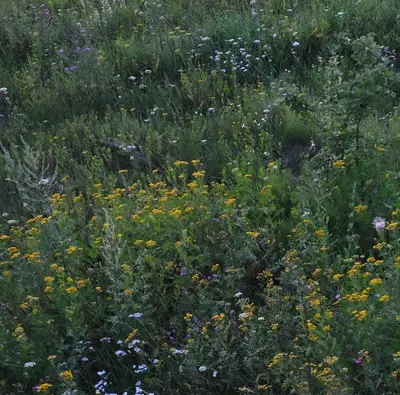
Bizzy Lizzy (Impatiens walleriana) is a perennial native wildflower. Hardy in USDA zones 10 to 11.
Sun
Partial shade
Zones
10–11
USDA hardiness
Height
6-24 inches
Planting Timeline
Showing dates for Bizzy Lizzy in USDA Zone 11
All Zone 11 native-wildflower →Zone Map
Click a state to update dates
Bizzy Lizzy · Zones 10–11
Growing Details
Complete Growing Guide
This vibrant impatiens thrives in consistently moist, well-draining soil and partial to dappled shade, distinguishing it from sun-loving native wildflowers that tolerate drought. Plant after the last frost in spring, as Bizzy Lizzy demands warmth and cannot endure freezing temperatures outside zones 10-11. Unlike hardier natives, this cultivar requires regular deadheading to prevent early flowering exhaustion and maintain the compact, bushy form it's known for; without it, plants become leggy and stop blooming prolifically. Keep foliage dry during watering to reduce susceptibility to powdery mildew and stem rot, common issues in humid conditions. Watch for spider mites in indoor or sheltered settings. A practical tip: pinch back young plants when they reach 4-6 inches tall to encourage multiple branching and denser flowering rather than accepting the single-stem growth that often emerges from nursery specimens.
Light: Dappled Sunlight (Shade through upper canopy all day), Deep shade (Less than 2 hours to no direct sunlight), Partial Shade (Direct sunlight only part of the day, 2-6 hours). Soil: High Organic Matter. Soil pH: Neutral (6.0-8.0). Drainage: Good Drainage, Moist. Height: 0 ft. 6 in. - 2 ft. 0 in.. Spread: 0 ft. 6 in. - 2 ft. 0 in.. Spacing: Less than 12 inches, 12 inches-3 feet. Growth rate: Rapid. Maintenance: Low. Propagation: Seed, Stem Cutting.
Harvesting
Bizzy Lizzy flowers reach peak readiness when petals display vibrant, fully saturated color and feel slightly papery to the touch, indicating mature development. The blooms are ideally harvested when they have opened completely but before any petal edges begin to curl or fade. This cultivar thrives on continuous harvesting rather than a single harvest, as removing spent flowers encourages prolific reblooming throughout the growing season. For best results, harvest in early morning when stems are fully hydrated and flowers have maximum vase life. Regular deadheading not only extends the flowering period but also promotes bushier, more abundant plant growth, making Bizzy Lizzy an exceptionally rewarding choice for gardeners seeking sustained color over many months.
The fruit is a dehiscent capsule. It produces explosive capsules that roll suddenly inward and have a ribbed, rubbery-succulent texture. The seed pods burst open in the late summer and fall from September through October.
Color: Green. Type: Capsule. Length: < 1 inch. Width: < 1 inch.
Harvest time: Fall, Summer
Storage & Preservation
Bizzy Lizzy flowers are best enjoyed fresh and should be kept in a cool location away from direct sunlight. Store cut stems in a vase with fresh water at room temperature (65-70°F), changing water every 2-3 days for a shelf life of 7-10 days. For preservation, press flowers between absorbent paper under heavy weight for 2-3 weeks to create dried arrangements. Alternatively, air-dry by hanging stems upside down in a well-ventilated, dark space for 1-2 weeks. A third method is to preserve flowers in silica gel for 3-5 days, which maintains color better than traditional drying.
History & Origin
Impatiens walleriana, commonly known as Bizzy Lizzy, originated in East Africa, particularly Tanzania and Mozambique, where wild populations still exist. The species was introduced to European horticulture during the Victorian era and became a foundational parent for numerous impatiens hybrids. While specific breeding records for the "Bizzy Lizzy" cultivar name are not well documented in available horticultural literature, this variety emerged from the extensive twentieth-century breeding work on I. walleriana by commercial seed companies seeking compact, floriferous forms suitable for container gardening and bedding. The cultivar represents the culmination of decades of selection for vigor and prolific flowering rather than a single identified breeder or institution.
Origin: Kenya, Malawi, Mozambique, Tanzania, and Zimbabwe
Advantages
- +Blooms continuously throughout warm seasons with minimal deadheading required
- +Thrives in shade where many wildflowers struggle to flower
- +Attracts hummingbirds and pollinators to gardens with ease
- +Requires little fertilizer and tolerates poor soil conditions well
- +Self-seeds readily for natural garden expansion and propagation
Considerations
- -Extremely susceptible to spider mites and whitefly infestations indoors
- -Demands consistently moist soil or wilts quickly in dry conditions
- -Limited hardiness restricts outdoor cultivation to tropical warm zones only
- -Prone to root rot and fungal diseases in poorly draining soil
Companion Plants
Ferns, Caladium, Coleus, and Hosta are the natural partners here — all of them want partial shade and consistent moisture, so they're drawing from the same conditions rather than fighting over different ones, and the varied leaf textures fill a bed without anyone crowding anyone else out. Sweet Alyssum planted at the edges attracts parasitic wasps and predatory beetles that put a dent in whitefly pressure. Around here in the Southeast, keep Black Walnut at least 50 feet away — its roots leach juglone, a compound that blocks cellular respiration in Impatiens walleriana and will drop your plants within a season — and skip Mint in the same bed, since its rhizomes spread aggressively enough to physically displace shallower-rooted neighbors like this one.
Plant Together
Begonia
Similar shade and moisture requirements, complementary flowering periods
Caladium
Provides contrasting foliage texture while sharing shade preferences
Ferns
Creates natural woodland understory conditions, similar humidity needs
Coleus
Thrives in same partial shade conditions, adds colorful foliage contrast
Torenia
Similar growing requirements and attracts beneficial pollinators
Astilbe
Enjoys moist, shaded conditions and provides textural interest
Hosta
Creates complementary shade garden with similar water and light needs
Sweet Alyssum
Attracts beneficial insects that help with pest control
Keep Apart
Black Walnut
Produces juglone toxin that inhibits growth of many flowering plants
Sunflower
Competes for resources and creates too much shade, reducing flowering
Mint
Aggressive spreading habit can overwhelm and crowd out impatiens
Pests & Disease Resistance
Common Pests
Spider mites, whiteflies, mealybugs
Diseases
Powdery mildew, root rot, stem rot
Troubleshooting Bizzy Lizzy
What you'll see, why it happens, and what to do about it.
Fine webbing on leaf undersides, leaves look dusty or stippled, plant looks washed out
Likely Causes
- Spider mites (Tetranychus urticae) — thrive in hot, dry conditions and move fast once established
- Low humidity around the plant, especially under shade cloth or eaves
What to Do
- 1.Blast the undersides of leaves with a strong stream of water every 2-3 days to knock mite populations down
- 2.Apply insecticidal soap (2-3% concentration) in the evening so it doesn't burn foliage in heat
- 3.Keep soil consistently moist and mist surrounding air — mites hate humidity above 60%
Tiny white insects flying up in a cloud when you brush the plant, sticky residue on leaves
Likely Causes
- Whiteflies (Trialeurodes vaporariorum) — congregate on the undersides of leaves and reproduce quickly in warm weather
- Dense planting with poor airflow trapping populations near the canopy
What to Do
- 1.Set yellow sticky traps at canopy height to monitor and reduce adult populations
- 2.Apply neem oil (diluted to 1-2%) to leaf undersides at dusk, repeat every 7 days for 3 weeks
- 3.Space plants at least 12-18 inches apart so air can move through — crowding is free pest housing
White powdery coating on upper leaf surfaces, leaves curling or distorting, usually worse in late summer
Likely Causes
- Powdery mildew (Podosphaera xanthii or Erysiphe spp.) — a fungal disease that spreads via airborne spores and doesn't need wet leaves to take hold
- Fluctuating humidity combined with shade, common in humid Southeast summers
What to Do
- 1.Remove and bag affected leaves immediately — don't compost them
- 2.Spray with a potassium bicarbonate solution (1 tbsp per gallon of water) on a dry morning, coating both leaf surfaces
- 3.Thin out dense clumps to improve airflow; powdery mildew accelerates where air stagnates
Stems turning brown or black at the soil line, plant wilting despite moist soil, pulls up with almost no root resistance
Likely Causes
- Root rot or stem rot caused by Pythium spp. or Rhizoctonia solani — both triggered by waterlogged or poorly draining soil
- Planting in a low spot where water pools after rain
What to Do
- 1.Pull the affected plant — once the crown is rotted, it won't bounce back
- 2.Before replanting, work 2-3 inches of coarse perlite or pine bark fines into the top 8 inches of soil to open up drainage
- 3.Water only when the top inch of soil is dry, and never let containers sit in standing water
Frequently Asked Questions
How long do Bizzy Lizzy flowers last when cut?▼
Is Bizzy Lizzy good for beginner gardeners?▼
Can you grow Bizzy Lizzy in containers?▼
When should I plant Bizzy Lizzy?▼
What does Bizzy Lizzy need to thrive?▼
Why are my Bizzy Lizzy flowers dropping?▼
Zone-by-Zone Planting Calendar
Growing Guides from Wind River Greens
Sources & References
External authority sources used in compiling this guide.
- ExtensionNC State Extension
See the Methodology page for how this data is sourced, what's AI-assisted, and known limitations.