Ghost Plant
Graptopetalum paraguayense
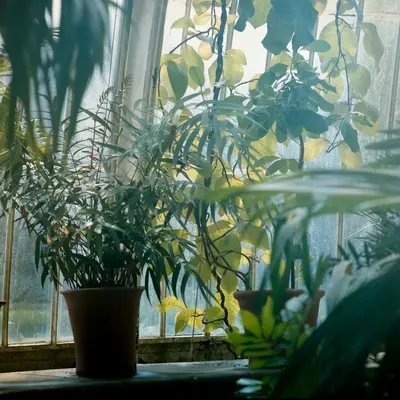
A stunning rosette-forming succulent with thick, powdery blue-gray leaves that take on pink and purple hues in bright sunlight. This easy-care beauty produces cascading stems perfect for hanging baskets and readily forms new plants from dropped leaves. Its ethereal coloring and prolific growth habit make it a favorite among both beginner and experienced succulent collectors.
Sun
Full sun to partial shade
Zones
9–11
USDA hardiness
Height
6-12 inches
Complete Growing Guide
Light: Full sun (6 or more hours of direct sunlight a day), Partial Shade (Direct sunlight only part of the day, 2-6 hours). Soil: Sand, Shallow Rocky. Drainage: Good Drainage, Occasionally Dry. Height: 0 ft. 6 in. - 1 ft. 0 in.. Spread: 2 ft. 0 in. - 3 ft. 0 in.. Spacing: Less than 12 inches. Growth rate: Medium. Maintenance: Low. Propagation: Division, Leaf Cutting, Stem Cutting.
Harvesting
Ghost plants reach peak harvest readiness when individual rosettes display full color intensity, showing rich pink or purple tones rather than their default blue-gray, and measure 2-3 inches across with plump, firm leaves. For leaf propagation, harvest individual leaves by gently twisting them from the base until they separate cleanly, selecting only those with intact bases. This variety supports continuous harvesting throughout the growing season rather than a single harvest, as new rosettes constantly form along cascading stems. For optimal success, time your leaf collection during spring and early summer when the plant's vigor is highest, avoiding winter dormancy when propagation rates drop significantly.
Bloom time: Spring
Storage & Preservation
Ghost Plants are succulents and don't require traditional food storage. Instead, store mature plants in a cool, bright location (65-75°F) with low humidity to prevent rot. Indoors on a sunny windowsill or under grow lights is ideal. These plants are extremely long-lived when properly cared for—individual rosettes can persist for years. Propagation methods: (1) Leaf propagation—remove individual leaves, let callus over for 3-5 days, then place on dry soil until roots form; (2) Stem cuttings—allow cuts to dry 1-2 weeks before planting in succulent mix; (3) Offset division—separate mature rosettes and pot individually for fastest establishment.
History & Origin
The Ghost Plant originates from Mexico, where Graptopetalum paraguayense naturally occurs despite its species name suggesting a South American origin. The genus Graptopetalum was formally described in the 19th century, with this particular species becoming widely cultivated in ornamental horticulture during the 20th century. However, specific documentation regarding who first introduced it commercially, the exact year of cultivation, or any deliberate breeding program is remarkably sparse. The plant appears to have entered the succulent trade through general horticultural channels rather than a named breeder or formal breeding initiative, making it a naturally occurring species that was simply recognized and propagated for its striking aesthetic qualities rather than being deliberately developed.
Origin: Mexico
Advantages
- +Stunning powdery blue-gray leaves shift to pink and purple in sunlight.
- +Extremely easy to grow, making it perfect for beginner plant collectors.
- +Cascading stems naturally suited for hanging baskets and trailing displays.
- +Readily propagates from single dropped leaves without special rooting hormone.
- +Prolific growth habit quickly fills spaces and creates full-looking arrangements.
Considerations
- -Vulnerable to mealybugs and scale insects that hide in leaf rosettes.
- -Root rot develops quickly if soil stays moist or drains poorly.
- -Leaves lose their striking color in insufficient light, appearing pale green.
- -Susceptible to fungal infections when humidity levels remain consistently high.
Companion Plants
Graptopetalum paraguayense pairs well with other drought-tolerant succulents — Sedum, Echeveria, Hens and Chicks, and Jade Plant all share the same watering rhythm (let the soil dry completely, then soak), so no one plant's needs are quietly drowning its neighbor's roots. Aloe and Prickly Pear work for the same reason, and their upright forms give a container useful height contrast without root competition. Mint, ferns, and impatiens are the ones to skip — all three want consistently moist soil, and once they're in the same pot or bed, you'll end up overwatering the ghost plant every time trying to keep them from wilting.
Plant Together
Sedum
Similar water and light requirements, creates attractive succulent combinations
Echeveria
Complementary growth habits and identical care needs for drought-tolerant gardens
Aloe Vera
Shares same watering schedule and helps create natural pest-deterrent environment
Jade Plant
Similar drought tolerance and creates structured succulent arrangements
Hens and Chicks
Provides ground cover while sharing identical water and soil requirements
String of Pearls
Trailing habit complements upright growth, same minimal water needs
Prickly Pear Cactus
Similar xerophytic adaptations and helps deter browsing animals
Lavender
Thrives in same well-draining soil and repels common garden pests
Keep Apart
Mint
Requires frequent watering which can cause root rot in Ghost Plant
Impatiens
High moisture needs and shade preference conflict with succulent requirements
Ferns
Need consistently moist soil and humidity that promotes fungal issues in succulents
Pests & Disease Resistance
Resistance
Good resistance when not overwatered
Common Pests
Mealybugs, aphids, scale insects
Diseases
Root rot from overwatering, fungal issues in humid conditions
Troubleshooting Ghost Plant
What you'll see, why it happens, and what to do about it.
White cottony clusters in leaf axils or along the stem, usually noticed when moving the plant
Likely Causes
- Mealybugs (Pseudococcidae) — common on succulents, especially in warm, stagnant indoor air
- Overcrowded planting that makes inspection difficult
What to Do
- 1.Dab individual bugs with a cotton swab soaked in 70% isopropyl alcohol — works on contact
- 2.Follow up with a neem oil spray (2 tsp per quart of water) every 7 days for 3 weeks
- 3.Quarantine the plant from other succulents immediately; mealybugs move between pots faster than you'd expect
Mushy, translucent stem base or roots that pull apart easily, often with a faint sour smell
Likely Causes
- Root rot from overwatering — Graptopetalum paraguayense can't tolerate standing moisture for more than a day or two
- Poorly draining soil mix (standard potting mix retains too much water for succulents)
- Pot without drainage holes
What to Do
- 1.Unpot immediately, cut away all black or brown mushy roots with sterile scissors, and let the plant air-dry for 24-48 hours before repotting
- 2.Repot into a gritty mix — at least 50% perlite or coarse sand to 50% potting soil
- 3.Hold off watering entirely for 10-14 days after repotting to let wound tissue callous over
Leaves stretching out, gaps widening between them, plant leaning toward a window
Likely Causes
- Etiolation — insufficient light forcing the plant to elongate toward whatever source it can find
- Getting fewer than 4 hours of direct sun per day indoors
What to Do
- 1.Move the plant to a south- or east-facing window where it gets at least 4-6 hours of direct sun daily
- 2.A grow light set 6-12 inches above the plant for 12-14 hours per day will stop the stretching within a few weeks
- 3.The stretched stem won't compact back — behead the rosette, let the cut end callous 2-3 days, and re-root it for a compact new plant
Tan or brown soft spots on leaves, sometimes with a water-soaked ring, appearing after a humid stretch
Likely Causes
- Botrytis cinerea or similar fungal rot, triggered by humidity above 60% combined with poor airflow
- Water pooling in the rosette after overhead watering
What to Do
- 1.Remove affected leaves cleanly at the base and bin them — don't compost
- 2.Water at soil level only; tip the pot to drain any pooled water from the rosette center
- 3.Run a small fan nearby for 4-6 hours a day — indoors, airflow does more than most people expect
Frequently Asked Questions
Is Ghost Plant a good succulent for beginners?▼
How long does a Ghost Plant live?▼
Can you grow Ghost Plant in containers indoors?▼
Why is my Ghost Plant turning brown or losing color?▼
How often should you water Ghost Plant?▼
Can Ghost Plant propagate from fallen leaves?▼
Growing Guides from Wind River Greens
Sources & References
External authority sources used in compiling this guide.
- ExtensionNC State Extension
See the Methodology page for how this data is sourced, what's AI-assisted, and known limitations.