Large-Flowered Tickseed
Coreopsis grandiflora
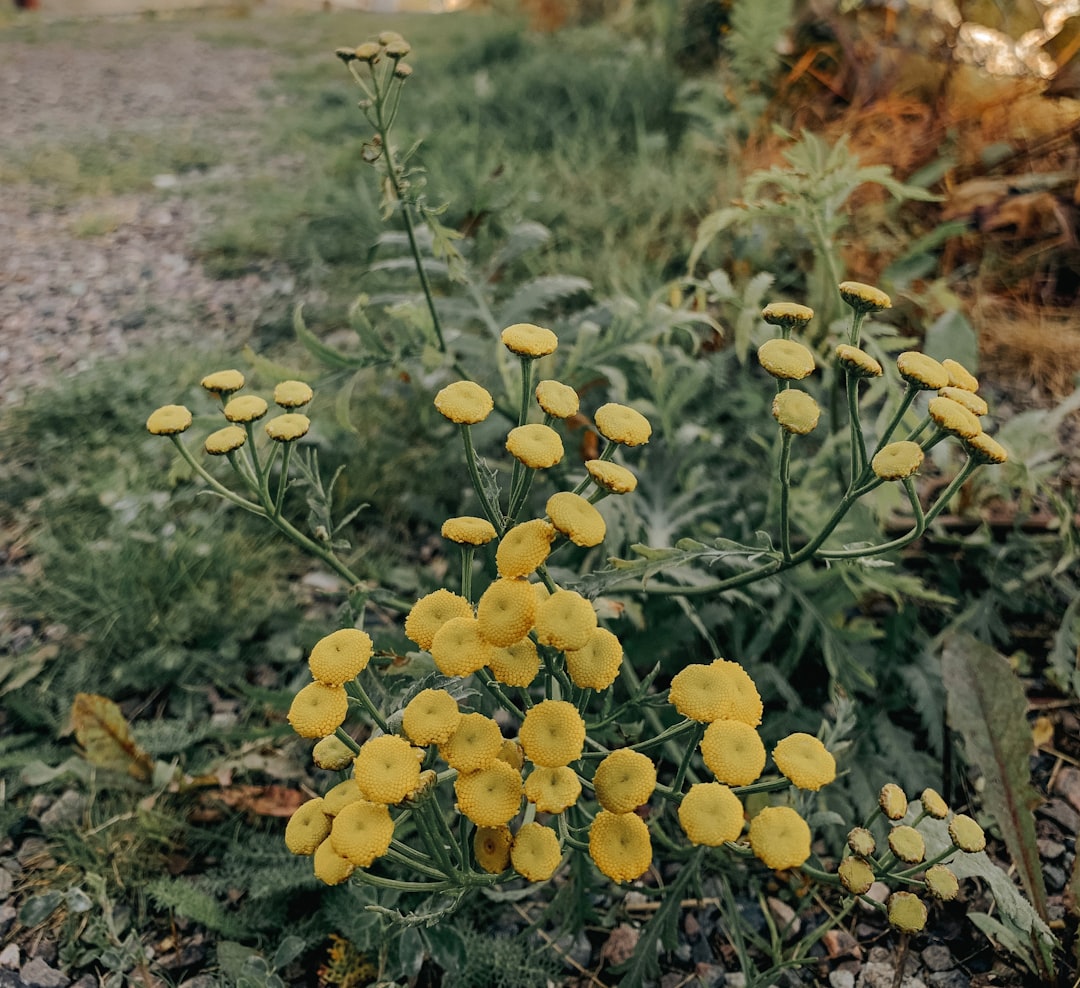
Large-Flowered Tickseed (Coreopsis grandiflora) is a perennial native wildflower. Hardy in USDA zones 4 to 9.
Sun
Partial shade
Zones
4–9
USDA hardiness
Height
1-3 feet
Planting Timeline
Showing dates for Large-Flowered Tickseed in USDA Zone 7
All Zone 7 native-wildflower →Zone Map
Click a state to update dates
Large-Flowered Tickseed · Zones 4–9
Growing Details
Complete Growing Guide
Light: Partial Shade (Direct sunlight only part of the day, 2-6 hours). Soil: Clay, Sand, Shallow Rocky. Soil pH: Acid (<6.0), Neutral (6.0-8.0). Drainage: Good Drainage, Occasionally Dry. Height: 1 ft. 0 in. - 3 ft. 0 in.. Spread: 1 ft. 0 in. - 3 ft. 0 in.. Spacing: 12 inches-3 feet. Growth rate: Medium. Maintenance: Medium. Propagation: Division, Seed. Regions: Coastal, Mountains, Piedmont.
Harvesting
The achenes are flat and oblong.
Type: Achene.
Harvest time: Summer
Storage & Preservation
Large-Flowered Tickseed flowers are best enjoyed fresh and should be placed in a cool location away from direct heat and ripening fruit, ideally in a vase with fresh water at room temperature (65-70°F) with moderate humidity. Cut flowers typically last 7-10 days. For preservation, dry flowers by hanging bundles upside-down in a warm, well-ventilated area for 2-3 weeks—they retain color beautifully and last indefinitely. Alternatively, press flowers between parchment paper under weight for 2-4 weeks for crafts or arrangements. For seed saving, allow spent flowers to dry on the plant, then collect seed heads in fall for next year's planting.
History & Origin
Origin: Canada, U.S.A., NC
Advantages
- +Produces abundant golden-yellow flowers from summer through fall consistently
- +Thrives in poor, sandy soils where many plants struggle or fail
- +Requires minimal water once established, making it drought-tolerant
- +Hardy across zones 4-9 with excellent cold and heat tolerance
- +Attracts pollinators while remaining deer and rabbit resistant
Considerations
- -Short-lived perennial often declining after 2-3 years without deadheading
- -Prone to root rot and fungal issues in wet, poorly-drained soils
- -Self-seeds aggressively, potentially becoming weedy in cultivated gardens
Companion Plants
The native prairie companions in this plant's beneficial list — Purple Coneflower (Echinacea purpurea), Black-Eyed Susan (Rudbeckia hirta), Wild Bergamot (Monarda fistulosa), and Little Bluestem Grass (Schizachyrium scoparium) — share the same basic needs as Coreopsis: lean soil, good drainage, and full to partial sun. Little Bluestem is a particularly good structural partner because its deep fibrous roots pull from a different zone than Coreopsis's shallow root system, so the two sidestep most competition for water and nutrients. Yarrow and Butterfly Weed (Asclepias tuberosa) fill out the pollinator draw without muscling in on space.
The harmful companions are a different story. Black Walnut (Juglans nigra) produces juglone, a root-exuded compound that moves through soil and suppresses susceptible plants — and Coreopsis falls in that category. Tree of Heaven (Ailanthus altissima) and Crown Vetch (Coronilla varia) are both prolific spreaders; either one can shade out a Coreopsis planting within a season or two if they get a foothold nearby. Give all three a wide berth.
Plant Together
Purple Coneflower
Similar growing conditions, attracts beneficial pollinators and creates complementary bloom succession
Black-Eyed Susan
Compatible native wildflower with similar water and soil needs, extends flowering season
Wild Bergamot
Attracts beneficial insects and pollinators, helps deter harmful pests through aromatic oils
Little Bluestem Grass
Provides structural support and winter interest, compatible prairie companion with similar drought tolerance
New England Aster
Late-season bloomer that extends pollinator resources, similar soil and sun requirements
Yarrow
Attracts beneficial predatory insects, improves soil through deep taproot
Prairie Dropseed
Native grass companion that provides contrast and doesn't compete for resources
Butterfly Weed
Attracts butterflies and beneficial insects, complementary root systems and bloom times
Keep Apart
Black Walnut
Produces juglone toxin that inhibits growth of many wildflowers including tickseed
Tree of Heaven
Aggressive invasive that releases allelopathic chemicals suppressing native wildflower growth
Crown Vetch
Invasive legume that forms dense mats and outcompetes native wildflowers for space and nutrients
Troubleshooting Large-Flowered Tickseed
What you'll see, why it happens, and what to do about it.
Powdery white coating on leaves, usually appearing mid-summer when nights cool down
Likely Causes
- Powdery mildew (Erysiphe cichoracearum) — worse in humid conditions with poor airflow
- Plants spaced too tightly at under 12 inches, trapping moisture between foliage
What to Do
- 1.Cut affected stems back hard — Coreopsis grandiflora rebounds quickly from aggressive pruning
- 2.Thin the clump if it's crowded; open spacing to at least 12-18 inches between plants
- 3.Apply a diluted neem oil spray (2 tsp per gallon) every 7 days until symptoms stop spreading
Stems rotting at the base, plant wilting despite adequate soil moisture
Likely Causes
- Crown rot (Sclerotinia sclerotiorum or Rhizoctonia solani) — almost always triggered by consistently wet, poorly drained soil
- Mulch piled directly against the crown, holding moisture against the stem
What to Do
- 1.Dig the plant, cut away all soft rotted tissue, and replant only if a firm, healthy crown remains
- 2.Work coarse sand or fine gravel into the bed before replanting — Coreopsis wants lean, fast-draining soil, not amended loam
- 3.Pull mulch back 2-3 inches from the base of the plant going forward
Leaves stippled with tiny pale dots, bronze or silvery sheen across the foliage
Likely Causes
- Twospotted spider mite (Tetranychus urticae) — flares up during hot, dry spells above 85°F
- Overhead irrigation that wets foliage without raising humidity enough to deter mites
What to Do
- 1.Blast the undersides of leaves with a firm stream of water — does more than most people expect
- 2.Apply insecticidal soap (1 tbsp per quart of water) directly to leaf undersides every 5-7 days for 2-3 applications
- 3.Back off nitrogen fertilizer; soft new growth is exactly what mites prefer
Plant flowers heavily in year one, then thins out and blooms poorly by year three
Likely Causes
- Natural clump exhaustion — Coreopsis grandiflora is a short-lived perennial, often behaving closer to a biennial in heavy clay soils
- Center of the clump dying out while the outer edges stay green, a reliable sign the plant needs division
What to Do
- 1.Divide every 2-3 years in early spring before growth exceeds 3 inches — dig the whole root mass, split into fist-sized sections, and replant the vigorous outer pieces
- 2.Deadhead spent flowers consistently through the season to redirect energy away from seed set
- 3.If the original site has heavy clay, amend with compost and grit before replanting divisions
Frequently Asked Questions
How long do Large-Flowered Tickseed flowers last in a vase?▼
Is Large-Flowered Tickseed good for beginners?▼
Can you grow Large-Flowered Tickseed in containers?▼
When should I plant Large-Flowered Tickseed seeds?▼
How often does Large-Flowered Tickseed bloom?▼
Does Large-Flowered Tickseed attract pollinators?▼
Zone-by-Zone Planting Calendar
Growing Guides from Wind River Greens
Sources & References
External authority sources used in compiling this guide.
- ExtensionNC State Extension
See the Methodology page for how this data is sourced, what's AI-assisted, and known limitations.