Li Ren Choi
Brassica rapa var. chinensis
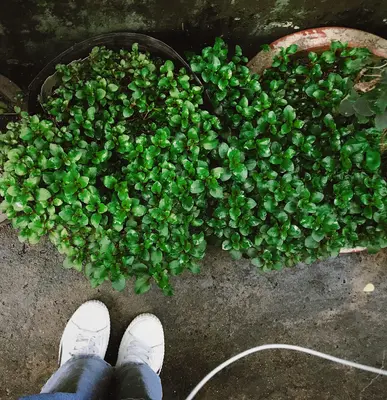
Wikimedia Commons via Brassica
Unlike most green-stemmed pac chois, heads are proportional and filled out at the true baby size. This smaller size results in quicker kitchen prep - simply cut in halves or quarters and cook. For mini-head production only, as heads will not become large.
Harvest
37d
Days to harvest
Sun
Full sun to part shade
Zones
5–9
USDA hardiness
Height
3 feet
Planting Timeline
Showing dates for Li Ren Choi in USDA Zone 7
All Zone 7 lettuce →Zone Map
Click a state to update dates
Li Ren Choi · Zones 5–9
Growing Details
Succession Planting
Li Ren Choi hits harvest in about 37 days, which makes succession planting worth the small extra effort. In zone 7, direct sow every 14 days from March 1 through late April for a spring run, then stop once daytime highs are consistently above 85°F — heat pushes it toward bolting and turns the leaves bitter fast. Pick back up in late August through early October for a fall harvest that can stretch into November.
The spring window closes faster than most people expect around here. A late-April sowing can work fine; a mid-May sowing often runs straight into heat before heads size up properly. Mark your cutoff date and stick to it. Fall rounds tend to be more forgiving since temperatures are dropping rather than climbing, and you're far less likely to lose a planting to a sudden heat spike mid-run.
Complete Growing Guide
Unlike most green-stemmed pac chois, heads are proportional and filled out at the true baby size. This smaller size results in quicker kitchen prep - simply cut in halves or quarters and cook. For mini-head production only, as heads will not become large. According to Johnny's Selected Seeds, Li Ren Choi is 37 days to maturity, annual, hybrid (f1). Notable features: Cold Tolerant, Hydroponic Performer.
Light: Full sun (6 or more hours of direct sunlight a day), Partial Shade (Direct sunlight only part of the day, 2-6 hours). Soil: Clay, Loam (Silt), Sand. Soil pH: Acid (<6.0), Neutral (6.0-8.0). Drainage: Good Drainage, Moist. Height: 0 ft. 10 in. - 2 ft. 0 in.. Spread: 1 ft. 0 in. - 2 ft. 0 in.. Spacing: 12 inches-3 feet. Growth rate: Medium. Maintenance: Medium. Propagation: Seed, Stem Cutting. Regions: Coastal, Mountains, Piedmont.
Harvesting
Li Ren Choi reaches harvest at 37 days from sowing per Johnny's Selected Seeds. As an annual, harvest continues until frost ends the season.
The fruits dry and split when ripe.
Color: Brown/Copper, Green. Type: Siliqua. Length: > 3 inches.
Garden value: Edible
Harvest time: Fall, Summer
Bloom time: Spring, Summer
Edibility: The foliage is edible raw or cooked but when cooked can emit an unpleasant odor.
Storage & Preservation
# Storage and Preservation
Li Ren Choi keeps best in a plastic bag in your refrigerator's crisper drawer at 32–40°F with high humidity (95% relative humidity is ideal). Store unwashed to reduce moisture loss, and expect 7–10 days of acceptable freshness before the leaves begin to yellow and soften.
Freezing works reasonably well: blanch whole baby heads or chopped leaves in boiling water for 2–3 minutes, then plunge into ice water, drain thoroughly, and freeze in airtight containers for up to three months. Use thawed greens in soups, stir-fries, or braised dishes rather than fresh applications where texture matters most.
Pickling is an underrated option for this variety—its tender stems and mild flavor adapt well to quick vinegar brines. Light fermentation in salt brine also preserves the greens while developing a pleasant tangy bite.
History & Origin
Li Ren Choi is an F1 hybrid developed through controlled cross-pollination. Listed in the Johnny's Selected Seeds catalog.
Brassica is a genus of plants in the cabbage and mustard family (Brassicaceae). The members of the genus are informally known as cruciferous vegetables, cabbages, mustard plants, or simply brassicas. Crops from this genus are sometimes called cole crops—derived from the Latin caulis, denoting the stem or stalk of a plant.
Advantages
- +Quick 37-day maturity makes succession planting practical for continuous harvests
- +Compact baby heads require minimal prep time compared to full-sized varieties
- +Proportional heads at mini-size provide consistent quality without oversized outer leaves
- +Easy difficulty rating means reliable success for beginner and experienced gardeners
Considerations
- -Mini-head-only constraint limits yield per square foot versus standard pac choi
- -Restricted to baby production means no flexibility for larger head development
- -Smaller individual plants require more densely planted beds for worthwhile harvests
Companion Plants
Chives and garlic are the workhorses here — their sulfur compounds genuinely disrupt aphids and cabbage moths scouting for egg-laying sites, and both stay shallow enough not to crowd Li Ren Choi's roots at 6–8 inch spacing. Marigolds (Tagetes spp.) add another layer of insect confusion; in our zone 7 Georgia garden I tuck them at the bed corners where they pull double duty as a border. Keep fennel and broccoli out — fennel is allelopathic to most brassicas, and broccoli shares enough of the same pest and disease pressure (clubroot, downy mildew) that planting them together just concentrates your problems in one spot.
Plant Together
Chives
Repels aphids and other pests that commonly attack lettuce
Marigolds
Deters nematodes and aphids while attracting beneficial insects
Carrots
Loosens soil for lettuce roots and doesn't compete for same nutrients
Radishes
Quick-growing companion that helps break up soil and deters flea beetles
Garlic
Natural pest deterrent that repels aphids and slugs
Nasturtiums
Acts as trap crop for aphids and cucumber beetles
Spinach
Similar growing requirements and can be interplanted for space efficiency
Dill
Attracts beneficial insects like ladybugs that control aphids
Keep Apart
Sunflowers
Too tall and creates excessive shade, stunting lettuce growth
Broccoli
Competes heavily for nitrogen and space, can overshadow lettuce
Fennel
Releases allelopathic compounds that inhibit lettuce germination and growth
Nutrition Facts
Per 100g serving. % Daily Value based on 2,000 calorie diet. Source: USDA FoodData Central (FDC #2346388)
Pests & Disease Resistance
Common Pests
Flea beetles, cabbage moths, aphids, slugs
Diseases
Clubroot, bacterial soft rot, downy mildew
Troubleshooting Li Ren Choi
What you'll see, why it happens, and what to do about it.
Seedlings collapsing at the soil line within the first 1–2 weeks after direct sowing — stems look pinched or water-soaked at the base
Likely Causes
- Damping off (Pythium spp. or Rhizoctonia solani) — soilborne fungi that thrive in cool, wet, poorly-drained beds
- Overwatering before seedlings have established, keeping the surface soggy
What to Do
- 1.Let the top inch of soil dry out between waterings — Li Ren Choi needs consistent moisture, but 'consistent' doesn't mean perpetually wet
- 2.If starting in trays or a greenhouse, NC State Extension's IPM guidance recommends heating your soil medium to kill pathogens before use and ensuring good airflow around seedlings
- 3.Rotate brassicas out of any bed where this has happened for at least 4 years — the fungus persists in the soil
Small, ragged shotholes punched through leaves starting soon after germination, often with tiny dark jumping insects visible on the foliage
Likely Causes
- Flea beetles (Phyllotreta spp.) — especially aggressive on young brassica seedlings in spring and early fall
- Slow establishment from dry soil or poor fertility makes damage worse; stressed seedlings can't outgrow the feeding
What to Do
- 1.Cover beds with row cover (Reemay or equivalent) immediately after sowing — flea beetles can wipe out a planting before you notice them
- 2.Pull the cover once plants are 4–5 inches tall and putting on new leaves faster than beetles can chew
- 3.Direct sow radishes in an adjacent row as a trap crop; flea beetles will often hit the radishes first and leave the bok choy alone
Frequently Asked Questions
How long does Li Ren Choi take to mature?▼
Is Li Ren Choi good for beginners?▼
Can you grow Li Ren Choi in containers?▼
What does Li Ren Choi taste like?▼
How much sunlight does Li Ren Choi need?▼
Why should I choose Li Ren Choi over standard pac choi?▼
Zone-by-Zone Planting Calendar
| Zone | Indoor Start | Transplant | Direct Sow | Harvest |
|---|---|---|---|---|
| Zone 3 | — | — | May – June | June – October |
| Zone 4 | — | — | April – June | June – October |
| Zone 5 | — | — | April – May | May – November |
| Zone 6 | — | — | April – May | May – November |
| Zone 7 | — | — | March – May | April – November |
| Zone 8 | — | — | March – April | April – December |
| Zone 9 | — | — | February – March | March – December |
| Zone 10 | — | — | January – March | February – December |
| Zone 1 | — | — | June – July | July – September |
| Zone 2 | — | — | May – July | June – September |
| Zone 11 | — | — | January – February | January – December |
| Zone 12 | — | — | January – February | January – December |
| Zone 13 | — | — | January – February | January – December |
Growing Guides from Wind River Greens
Sources & References
External authority sources used in compiling this guide.
- BreederJohnny's Selected Seeds
- USDAUSDA FoodData Central
See the Methodology page for how this data is sourced, what's AI-assisted, and known limitations.