Cimmaron Romaine
Lactuca sativa 'Cimmaron'
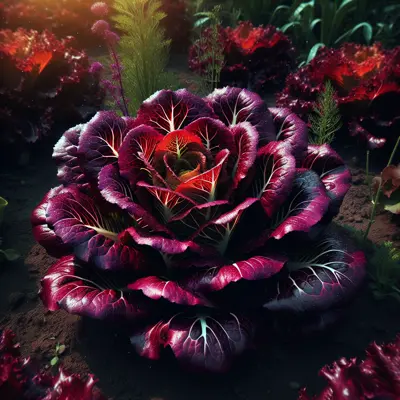
A striking red romaine lettuce that brings vibrant color and exceptional crunch to any garden or salad bowl. This heat-tolerant variety produces tall, upright heads with deep burgundy-red outer leaves and crisp, sweet hearts that maintain their color even in warm weather. Cimmaron offers both visual appeal and outstanding flavor, making it a favorite among gardeners who want something special.
Harvest
55-65d
Days to harvest
Sun
Full sun to partial shade
Zones
2–11
USDA hardiness
Height
6-12 inches
Planting Timeline
Showing dates for Cimmaron Romaine in USDA Zone 7
All Zone 7 lettuce →Zone Map
Click a state to update dates
Cimmaron Romaine · Zones 2–11
Growing Details
Succession Planting
Direct sow Cimmaron every 14 days starting around March 1 and continue through late April. Then pick it back up again in late August through mid-September for a fall run — the harvest window can stretch into November if you don't get a hard freeze below 28°F. Stop spring sowings once daytime highs are consistently hitting 80°F; Cimmaron tolerates heat a bit better than butterhead types, but it will bolt and turn bitter past that threshold.
For the fall succession, count back 65 days from your first expected frost date to set your last direct-sow date. In most of zone 7 that lands around September 20-25. Sow a bit thicker than you think you need — germination rates drop in warm late-summer soil, so oversow and thin to 6-8 inches once seedlings reach 2 inches tall.
Complete Growing Guide
Cimmaron Romaine thrives in cool to moderate temperatures but distinguishes itself through genuine heat tolerance that allows spring and early summer sowings when other romaines bolt prematurely. Plant seeds directly 2-3 weeks before your last frost and again in mid-summer for fall harvest, taking advantage of its 55-65 day maturity window. This cultivar prefers consistent moisture and fertile, well-draining soil rich in organic matter, though it tolerates slightly warmer conditions than traditional romaines without immediate bolting. Watch for slugs and aphids that are particularly attracted to the tender burgundy foliage, and ensure adequate spacing—at least 8 inches between plants—to promote air circulation and prevent fungal issues like downy mildew. One key practice: harvest outer leaves regularly once the plant reaches 6 inches tall, which encourages continued productivity and prevents the plant from channeling energy into premature flowering, effectively extending your harvest window by several weeks.
Light: Full sun (6 or more hours of direct sunlight a day), Partial Shade (Direct sunlight only part of the day, 2-6 hours). Soil: High Organic Matter. Soil pH: Neutral (6.0-8.0). Drainage: Good Drainage, Moist. Height: 0 ft. 6 in. - 1 ft. 0 in.. Spread: 0 ft. 6 in. - 1 ft. 0 in.. Spacing: Less than 12 inches. Growth rate: Rapid. Maintenance: Medium. Propagation: Seed. Regions: Coastal, Mountains, Piedmont.
Harvesting
Harvest Cimmaron Romaine when the heads reach 6-12 inches tall and the outer burgundy-red leaves feel firm and crisp to the touch, signaling peak tenderness. The deep color intensity of the outer leaves and the density of the heart are reliable indicators of maturity at 55-65 days. For continuous harvests, remove outer leaves individually while leaving the center intact to encourage regrowth, or cut entire heads at soil level for a single yield. Time your main harvest in early morning when leaves are fully hydrated and crispest, which enhances both texture and flavor. This heat-tolerant variety maintains quality even as temperatures rise, so avoid waiting too long past peak readiness, as the leaves may eventually bolt or become bitter.
Tiny seeds with a dandelion-like tuft (pappus) to aid in wind dispersal.
Color: Brown/Copper. Type: Achene. Length: < 1 inch. Width: < 1 inch.
Harvest time: Summer
Edibility: Leaves can be used raw or cooked in salads, sandwiches, and other dishes. Head lettuce can be stored for 2-3 weeks while leaf and butterhead store for 1-2 weeks.
Storage & Preservation
Store freshly harvested Cimmaron romaine in the refrigerator at 32-36°F with high humidity. Wrap heads loosely in damp paper towels, then place in perforated plastic bags in the crisper drawer. Properly stored heads maintain quality for 7-10 days, though color intensity may fade slightly.
Avoid washing before storage—excess moisture promotes decay. Instead, rinse just before use and dry thoroughly in a salad spinner. For longer preservation, the outer leaves can be dehydrated at 135°F for crispy garnishes, though this destroys the fresh texture that makes romaine valuable.
While freezing isn't recommended for fresh eating, you can blanch and freeze Cimmaron for cooked applications like lettuce soup or stir-fries. The variety's sturdy leaves also work well for fermented applications like lettuce kimchi, where the red coloration creates an attractive finished product.
History & Origin
The origins of Cimmaron Romaine are not extensively documented in horticultural literature, though the variety represents the broader tradition of colored romaine lettuce breeding that gained prominence in European seed catalogs during the late twentieth century. Red and burgundy romaine varieties emerged through selective breeding programs focused on enhancing pigmentation while maintaining the crispness and upright head formation characteristic of classic romaine types. Cimmaron likely descends from this lineage of ornamental and culinary red romaines, though specific breeder attribution and introduction date remain unclear. The variety's heat tolerance suggests incorporation of genetics selected for warm-season performance, a priority for modern seed companies developing improved cultivars for diverse growing conditions.
Origin: Mediterranean to Siberia
Advantages
- +Deep burgundy-red leaves provide striking visual appeal in gardens and salads.
- +Exceptional heat tolerance allows successful growing through warm summer months.
- +Crisp, crunchy texture with sweet, mild flavor makes it highly palatable.
- +Moderate difficulty level makes it accessible to both beginner and experienced gardeners.
- +Fast maturation in 55-65 days provides quick harvests from planting.
Considerations
- -Susceptible to multiple pests including aphids, thrips, leafminers, slugs, and snails.
- -Vulnerable to downy mildew and lettuce mosaic virus in humid conditions.
- -Tall upright heads require consistent watering and may bolt in extreme heat.
- -Red coloring may fade or diminish under insufficient light or poor soil.
Companion Plants
Radishes are the most practical neighbor here — direct-sow them 4-6 inches apart alongside Cimmaron and they'll be pulled well before the lettuce needs the space, and they draw leafminers away from your lettuce leaves in the process. Chives and garlic both deter green peach aphid (Myzus persicae) through scent, and at their mature height they won't shade a plant that already tolerates 4 hours of sun. If you've had root-knot nematode pressure in the bed before, NC State Extension notes that a solid French marigold planting the prior season genuinely reduces soil nematode loads — worth planning if you rotate that bed into lettuce the following year. Keep fennel out entirely; it suppresses most vegetables nearby through allelopathic root compounds, and broccoli competes directly for the same shallow moisture zone that Cimmaron depends on for consistent 1-1.5 inches per week.
Plant Together
Basil
Repels aphids and whiteflies, may improve lettuce flavor
Chives
Deters aphids and other soft-bodied insects that damage lettuce
Carrots
Deep roots don't compete with shallow lettuce roots, provides ground cover
Radishes
Quick-growing, helps break up soil and can be harvested before lettuce needs space
Marigolds
Repels nematodes and aphids, attracts beneficial insects
Nasturtiums
Acts as trap crop for aphids and cucumber beetles, attracts beneficial predators
Spinach
Similar growing requirements, can be interplanted for succession harvests
Garlic
Repels aphids, slugs, and other pests that commonly attack lettuce
Keep Apart
Broccoli
Competes for nutrients and space, can shade lettuce and stunt growth
Fennel
Inhibits growth of most garden plants including lettuce through allelopathy
Sunflowers
Tall growth creates excessive shade and competes heavily for water and nutrients
Nutrition Facts
Per 100g serving. % Daily Value based on 2,000 calorie diet. Source: USDA FoodData Central (FDC #169247)
Pests & Disease Resistance
Resistance
Good heat tolerance, resistant to bolting, moderate disease resistance
Common Pests
Aphids, thrips, leafminers, slugs and snails
Diseases
Downy mildew, lettuce mosaic virus, bacterial leaf spot
Troubleshooting Cimmaron Romaine
What you'll see, why it happens, and what to do about it.
Seedlings collapse at the soil line within 7-10 days of transplanting or germination — stem looks pinched or water-soaked at the base
Likely Causes
- Damping off (Pythium spp. or Rhizoctonia solani) — soil-borne fungi that thrive in cold, wet, poorly-drained conditions
- Overwatering or compacted seedling mix that holds moisture too long
What to Do
- 1.Pull the dead seedlings immediately and check surrounding soil for white fuzzy mycelium — if you see it, don't replant in that spot until you amend drainage
- 2.Water in the morning so the soil surface dries out by evening; avoid wetting the stem base
- 3.Start seeds in a sterile, well-draining germination mix and don't reuse last year's trays without washing them with a dilute bleach solution
Yellow angular patches on the upper leaf surface with a grayish-purple fuzz on the underside, appearing in cool, wet weather
Likely Causes
- Downy mildew (Bremia lactucae) — spreads fast in temperatures between 50–65°F with high humidity or leaf wetness
- Dense planting with poor air circulation
What to Do
- 1.Remove and trash (don't compost) affected outer leaves as soon as you spot them
- 2.Space plants at least 6-8 inches apart and water at the base — drip or soaker hose cuts leaf wetness dramatically
- 3.Rotate lettuce out of the same bed for at least one season; Bremia spores persist in soil debris
Leaves puckered or curled, with sticky residue on the surface; plant growth stalls around day 20-30
Likely Causes
- Aphid colonies (commonly green peach aphid, Myzus persicae) feeding on new growth — also a primary vector for lettuce mosaic virus
- Thrips feeding, which leaves silvery streaking on leaf surfaces alongside the curling
What to Do
- 1.Knock aphids off with a firm stream of water from the hose — do it early in the day so leaves dry before nightfall
- 2.If populations persist, spray insecticidal soap directly on the colonies, hitting the undersides of leaves; repeat every 5-7 days
- 3.Check for ants farming the aphids up the stems — controlling ant access often slows re-infestation considerably
Frequently Asked Questions
How long does Cimmaron romaine take to grow?▼
Can you grow Cimmaron romaine in containers?▼
Is Cimmaron romaine good for beginners?▼
What does Cimmaron romaine taste like?▼
When should I plant Cimmaron romaine?▼
Why is my Cimmaron romaine not turning red?▼
Zone-by-Zone Planting Calendar
| Zone | Indoor Start | Transplant | Direct Sow | Harvest |
|---|---|---|---|---|
| Zone 3 | — | — | May – June | July – October |
| Zone 4 | — | — | April – June | June – October |
| Zone 5 | — | — | April – May | June – November |
| Zone 6 | — | — | April – May | June – November |
| Zone 7 | — | — | March – May | May – November |
| Zone 8 | — | — | March – April | May – December |
| Zone 9 | — | — | February – March | April – December |
| Zone 10 | — | — | January – March | March – December |
| Zone 1 | — | — | June – July | August – September |
| Zone 2 | — | — | May – July | July – September |
| Zone 11 | — | — | January – February | February – December |
| Zone 12 | — | — | January – February | February – December |
| Zone 13 | — | — | January – February | February – December |
Growing Guides from Wind River Greens
Sources & References
External authority sources used in compiling this guide.
See the Methodology page for how this data is sourced, what's AI-assisted, and known limitations.