Serviceberry
Amelanchier canadensis
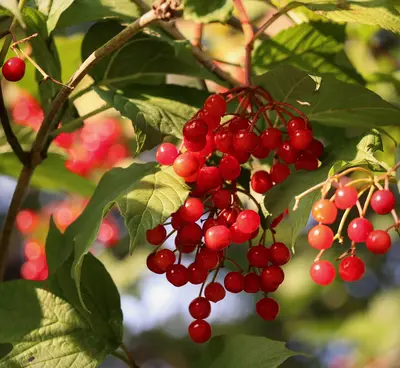
A multi-season native treasure that offers delicate white spring flowers, sweet edible berries in summer, and spectacular orange-red fall foliage. This smaller shade tree is perfect for compact yards and provides food for both wildlife and humans, making it an excellent choice for eco-conscious gardeners.
Sun
Full sun to partial shade
Zones
3–8
USDA hardiness
Height
15-25 feet
Planting Timeline
Showing dates for Serviceberry in USDA Zone 7
All Zone 7 shade-tree →Zone Map
Click a state to update dates
Serviceberry · Zones 3–8
Growing Details
Complete Growing Guide
Light: Dappled Sunlight (Shade through upper canopy all day), Full sun (6 or more hours of direct sunlight a day), Partial Shade (Direct sunlight only part of the day, 2-6 hours). Soil: Clay, Loam (Silt), Sand. Drainage: Good Drainage, Moist, Occasionally Wet. Height: 15 ft. 0 in. - 25 ft. 0 in.. Spread: 15 ft. 0 in. - 20 ft. 0 in.. Spacing: 12-24 feet. Growth rate: Medium. Maintenance: Medium. Propagation: Seed, Stem Cutting. Regions: Coastal, Piedmont.
Harvesting
Berry-like pome starts out green then turns red and finally matures to dark purplish-black from May to June.
Color: Black, Green, Purple/Lavender, Red/Burgundy. Type: Pome. Length: < 1 inch. Width: < 1 inch.
Garden value: Edible, Showy
Harvest time: Summer
Edibility: Edible berries are similar to blueberries and are used in jams, jellies and pies.
Storage & Preservation
Fresh serviceberries are best stored in the refrigerator at 32-40°F in a breathable container with 85-90% humidity for 5-7 days. They spoil quickly at room temperature. For longer preservation, freeze whole berries on a tray before transferring to freezer bags (up to 12 months), or make jam by cooking berries with sugar and lemon juice for excellent shelf-stable storage. Dried berries can be stored in airtight containers for several months. Dehydrating is another traditional method, producing chewy, concentrated-flavor berries ideal for winter use.
History & Origin
Amelanchier canadensis, commonly called Serviceberry, is a native North American species with deep roots in Eastern and Midwestern ecosystems rather than a deliberately bred cultivar. The common name likely derives from the Old English word "service," referring to the service tree of Europe, though documentation of this etymological connection remains somewhat unclear. This species has been utilized by Indigenous peoples and early settlers for centuries for its edible berries and medicinal properties. Unlike many ornamental trees developed through formal breeding programs, Serviceberry emerged into cultivation through recognition of its natural ornamental and practical qualities, making it a heritage landscape choice that reflects traditional ecological knowledge rather than deliberate horticultural breeding.
Origin: Eastern North America
Advantages
- +Attracts: Bees, Butterflies, Small Mammals, Songbirds
- +Edible: Edible berries are similar to blueberries and are used in jams, jellies and pies.
Companion Plants
Serviceberry is a woodland-edge tree, and the companions that suit it best reflect that. Wild Ginger, Ferns, and Astilbe all occupy the understory layer without competing for the same resources — they're adapted to dappled light beneath a 15-25 foot canopy and prefer the same slightly acidic soil (pH 5.0–6.5) that serviceberry wants. Hostas do the same job in drier pockets under the drip line. Their shallow fibrous roots stay out of the way of the tree's own system entirely.
Coral Bells and Wild Columbine are worth planting in the transition zone at the canopy edge — both handle the shift from part sun to deeper shade as the tree matures and the shade footprint expands over 5-10 years. Elderberry works well as a large-shrub companion at the perimeter; it fruits at roughly the same time as serviceberry in late spring, draws the same bird traffic, and doesn't crowd the tree's lower limbs. Trillium is a nice fit in naturalized plantings, but it's slow to establish and resents disturbance once it's settled in.
Black Walnut, Norway Maple, and Tree of Heaven all need to stay well away. Black Walnut releases juglone — a germination- and root-inhibiting compound that moves through soil from both living roots and decomposing leaf litter — and serviceberry is sensitive enough that proximity causes slow decline rather than a dramatic crash (making it easy to misdiagnose). Norway Maple and Tree of Heaven are aggressive competitors for light and water; Tree of Heaven also spreads prolifically across zones 5–8 and will outgrow almost anything planted nearby.
Plant Together
Wild Ginger
Thrives in similar acidic soil conditions and provides complementary ground cover
Coral Bells
Tolerates partial shade and attracts pollinators that benefit serviceberry flowering
Astilbe
Enjoys similar moisture levels and acidic soil, creates attractive understory planting
Ferns
Natural woodland companions that thrive in the filtered shade serviceberry provides
Wild Columbine
Native woodland plant that attracts beneficial insects and pollinators
Hosta
Excellent shade companion that helps retain soil moisture around serviceberry roots
Elderberry
Compatible native shrub that attracts birds which help disperse serviceberry seeds
Trillium
Native spring ephemeral that complements serviceberry's early blooming period
Keep Apart
Black Walnut
Produces juglone which is toxic to serviceberry and inhibits its growth
Tree of Heaven
Aggressive invasive that competes heavily for nutrients and releases allelopathic compounds
Norway Maple
Creates dense shade and shallow root competition that suppresses serviceberry growth
Pests & Disease Resistance
Resistance
Good disease resistance
Common Pests
Aphids, scale, borers
Diseases
Fire blight, leaf spot, rust
Troubleshooting Serviceberry
What you'll see, why it happens, and what to do about it.
Branch tips wilting and turning dark brown or black in spring, often with a shepherd's-crook curl at the end
Likely Causes
- Fire blight (Erwinia amylovora) — a bacterial disease that enters through flowers and new growth during warm, wet spring weather
- Pruning cuts or hail wounds left untreated, giving the bacteria an entry point
What to Do
- 1.Prune out infected wood at least 8-12 inches below the visible damage; sterilize your pruners with 70% isopropyl alcohol between every single cut
- 2.Trash the prunings — don't compost them
- 3.Avoid heavy nitrogen fertilization, which pushes the soft new growth that fire blight loves
Swollen, lumpy tunnels under the bark near the base or main scaffold branches, with sawdust-like frass visible
Likely Causes
- Roundheaded apple tree borer (Saperda candida) — larvae tunnel into the heartwood and can girdle young trees over 1-2 seasons
- Trees already stressed by drought or poor drainage are hit harder and recover more slowly
What to Do
- 1.Probe visible entry holes with a flexible wire to kill larvae mechanically, or inject a labeled pyrethroid if the infestation is heavy
- 2.Wrap the base of young trees (up to about 18 inches) with tree-wrap or hardware cloth to deter egg-laying adults in June and July
- 3.Keep the root zone consistently moist — a stressed tree compartmentalizes borer damage far less effectively than a healthy one
Frequently Asked Questions
How long does it take for serviceberry trees to produce fruit?▼
Is serviceberry good for beginners?▼
Can you grow serviceberry in containers?▼
What does serviceberry taste like?▼
When should I plant serviceberry trees?▼
How much sun does serviceberry need?▼
Zone-by-Zone Planting Calendar
Growing Guides from Wind River Greens
Sources & References
External authority sources used in compiling this guide.
- ExtensionNC State Extension
See the Methodology page for how this data is sourced, what's AI-assisted, and known limitations.