Red Shiso
Perilla frutescens
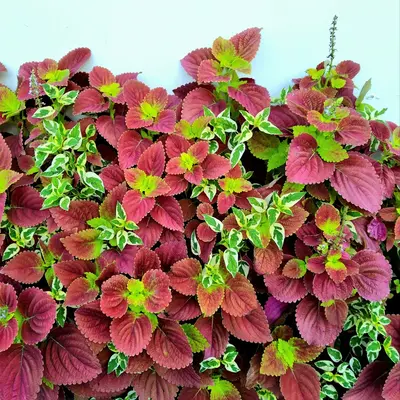
Distinct cinnamon/clove flavor and aroma with the spiciness of cumin. Used in Asian cooking, sushi, and salad mix. Red shiso adds brilliant color to radish pickles and umeboshi plums. Also known as perilla. Edible Flowers: The flowers are a flavorful addition to salads and Asian dishes. Pairs well with fish, rice, noodles, and cucumbers. The minty, basil-like flavor has hints of clove and cumin.
Harvest
80-85d
Days to harvest
Sun
Full sun to partial shade
Zones
10–11
USDA hardiness
Height
1-3 feet
Planting Timeline
Showing dates for Red Shiso in USDA Zone 7
All Zone 7 herb →Zone Map
Click a state to update dates
Red Shiso · Zones 10–11
Growing Details
Complete Growing Guide
Distinct cinnamon/clove flavor and aroma with the spiciness of cumin. Used in Asian cooking, sushi, and salad mix. Red shiso adds brilliant color to radish pickles and umeboshi plums. Also known as perilla. Edible Flowers: The flowers are a flavorful addition to salads and Asian dishes. Pairs well with fish, rice, noodles, and cucumbers. The minty, basil-like flavor has hints of clove and cumin. According to Johnny's Selected Seeds, Red Shiso is 80 - 85 days to maturity, annual, open pollinated. Notable features: Use for Cut Flowers and Bouquets, Edible Flowers.
Light: Full sun (6 or more hours of direct sunlight a day), Partial Shade (Direct sunlight only part of the day, 2-6 hours). Soil: High Organic Matter. Drainage: Good Drainage, Occasionally Wet. Height: 1 ft. 0 in. - 3 ft. 0 in.. Spread: 0 ft. 3 in. - 1 ft. 6 in.. Spacing: Less than 12 inches. Growth rate: Rapid. Maintenance: High. Propagation: Seed. Regions: Coastal, Mountains, Piedmont.
Harvesting
Red Shiso reaches harvest at 80 - 85 days from sowing per Johnny's Selected Seeds. As an annual, harvest continues until frost ends the season.
.06 inch reticulate nutlet gray-brown
Color: Brown/Copper, Gray/Silver. Length: < 1 inch. Width: < 1 inch.
Edibility: Leaves as a salad herb, flavoring
Storage & Preservation
Red shiso leaves are best stored at 40–45°F in a plastic bag or sealed container with a paper towel to absorb excess moisture; they'll keep fresh for up to two weeks. For longer preservation, freeze leaves whole on a tray, then transfer to freezer bags for up to three months. Drying works well too—hang bundles in a warm, airy space or use a dehydrator at 95–105°F until brittle. Red shiso ferments beautifully; pack leaves with salt (about 15% by weight) in a jar and let them cure for several weeks to develop complex umami flavors perfect for condiments. A note specific to this variety: the distinctive red pigmentation and peppery-licorice flavor remain most vibrant when leaves are harvested just before full maturity and frozen or fermented quickly rather than dried, which can mute their characteristic color and taste.
History & Origin
Red Shiso is open-pollinated, meaning seed saved from healthy plants will produce true-to-type offspring. Listed in the Johnny's Selected Seeds catalog.
Origin: Himalayas to Southeast Asia
Advantages
- +Distinctive cinnamon-clove flavor elevates Asian dishes and sushi preparations uniquely
- +Brilliant red color naturally enhances pickles, plums, and salad presentations
- +Easy to grow with 80-85 day maturity suits beginner gardeners
- +Edible flowers provide dual-purpose ornamental and culinary value simultaneously
- +Versatile pairing with fish, rice, noodles, and cucumber dishes
Considerations
- -Strong minty-basil aroma may overpower delicate dishes if over-used
- -Invasive self-seeding tendency requires active management to prevent takeover
- -Prefers warm weather and struggles in cooler climates consistently
Companion Plants
Red shiso fits naturally alongside tomatoes, peppers, and eggplant, and there's a practical reason for it beyond folklore. Shiso's aromatic oils — primarily perillaldehyde and limonene — are thought to confuse or deter aphids and spider mites, which hammer eggplant and peppers all summer long in zone 7 Georgia gardens. It won't replace your pest management program, but tucking shiso along the edges of a nightshade bed costs you nothing and may buy some margin. Basil is another close companion; both herbs share similar heat and moisture requirements, both bolt if you skip a harvest, and planting them together means you're already in that bed every few days anyway.
Marigolds pull their weight here too. French marigolds (Tagetes patula) release thiophene compounds from their roots that suppress soil nematodes — the same nematodes that stress soft-stemmed annuals like shiso by damaging feeder roots and making plants more vulnerable to secondary infections.
Fennel, black walnut, and mint are the three to keep well away. Fennel is broadly allelopathic — it releases root exudates that stunt neighboring plants, and shiso is not immune. Black walnut produces juglone through its roots and decomposing leaves, and that toxin builds up in the soil within roughly 50 feet of the trunk; shiso planted inside that radius tends to yellow, stall, and die without any obvious above-ground cause. Mint is less chemically aggressive but spreads fast enough underground to crowd out shiso's root zone before you realize what's happening — keep it in a container if you want it nearby.
Plant Together
Tomatoes
Shiso repels aphids and hornworms that commonly attack tomatoes
Peppers
Mutual pest deterrent - shiso repels aphids while peppers don't compete for nutrients
Eggplant
Shiso deters flea beetles and aphids that frequently damage eggplant
Basil
Both herbs repel similar pests and have compatible growing requirements
Cucumbers
Shiso repels cucumber beetles and ants while providing beneficial ground cover
Beans
Beans fix nitrogen which benefits shiso, while shiso repels bean beetles
Lettuce
Shiso provides partial shade for cool-season lettuce and deters aphids
Marigolds
Both plants repel nematodes and create a strong pest-deterrent combination
Keep Apart
Black Walnut
Produces juglone which is toxic to shiso and inhibits its growth
Fennel
Allelopathic properties inhibit growth of most herbs including shiso
Mint
Aggressive spreader that competes for space and nutrients, can overwhelm shiso
Nutrition Facts
Per 100g serving. % Daily Value based on 2,000 calorie diet. Source: USDA FoodData Central (FDC #172232)
Pests & Disease Resistance
Common Pests
Flea beetles, spider mites, Japanese beetles
Diseases
Powdery mildew, leaf spot
Troubleshooting Red Shiso
What you'll see, why it happens, and what to do about it.
White powdery coating on upper leaf surfaces, usually showing up in late summer when nights cool down
Likely Causes
- Powdery mildew — a fungal infection that spreads via airborne spores and thrives in humid conditions with poor airflow
- Crowded spacing under 18 inches, which traps moisture around the foliage
What to Do
- 1.Mix 1 tablespoon baking soda plus 1 tablespoon summer horticultural oil into 1 gallon of water and spray as a preventive every 3 to 5 days — NC State's organic disease management guidelines list this as effective against powdery mildew
- 2.Don't exceed the recommended concentration or you'll scorch the leaves
- 3.Thin plants to at least 18–24 inches apart and remove the worst-affected leaves to slow spread
Small ragged holes punched through new leaves, mostly on seedlings or young transplants in May and June
Likely Causes
- Flea beetles — tiny, fast-jumping insects that chew shot-hole damage and are worst on stressed or newly transplanted starts
- Transplant shock leaving plants too weak to outgrow the damage quickly
What to Do
- 1.Cover transplants with floating row cover for the first 2–3 weeks after setting out — flea beetles are worst at establishment and plants usually outpace the damage once they hit 12 inches tall
- 2.Keep soil evenly moist; water-stressed shiso takes longer to recover and the beetles do more cumulative damage
- 3.If pressure is heavy, apply diatomaceous earth around the base of plants and reapply after rain
Frequently Asked Questions
How long does it take red shiso to grow from seed to harvest?▼
Is red shiso good for beginners?▼
Can you grow red shiso in containers?▼
What does red shiso taste like?▼
When should I plant red shiso seeds?▼
How much water does red shiso need?▼
Zone-by-Zone Planting Calendar
| Zone | Indoor Start | Transplant | Direct Sow | Harvest |
|---|---|---|---|---|
| Zone 3 | April – May | June – July | — | July – October |
| Zone 4 | March – April | June – July | — | July – October |
| Zone 5 | March – April | May – June | — | June – October |
| Zone 6 | March – April | May – June | — | June – November |
| Zone 7 | February – March | April – June | — | June – November |
| Zone 8 | February – March | April – May | — | May – December |
| Zone 9 | January – February | March – April | — | April – December |
| Zone 10 | January – January | February – April | — | April – December |
| Zone 11 | January – January | January – March | — | March – December |
Growing Guides from Wind River Greens
Sources & References
External authority sources used in compiling this guide.
- BreederJohnny's Selected Seeds
- USDAUSDA FoodData Central
See the Methodology page for how this data is sourced, what's AI-assisted, and known limitations.