Quickstar
Brassica oleracea var. gongylodes
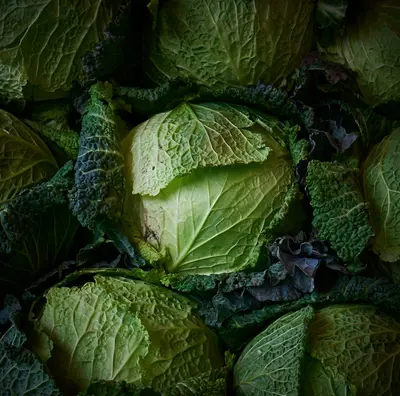
Very uniform in maturity with exceptional earliness and good flavor. Excellent yields.
Harvest
37d
Days to harvest
Sun
Full sun to partial shade
Zones
6–9
USDA hardiness
Height
10-24 inches
Planting Timeline
Showing dates for Quickstar in USDA Zone 7
All Zone 7 brassica →Zone Map
Click a state to update dates
Quickstar · Zones 6–9
Growing Details
Succession Planting
Quickstar's 37-day days-to-harvest makes it one of the better kohlrabi varieties for back-to-back plantings. In zone 7, direct sow or transplant every 21 days from late March through early May for a spring run, then pick it back up in late August through mid-September for fall. Don't push plantings into the heat — kohlrabi bulbs get woody and bitter when daytime highs stay above 80°F, so let the gap between late May and late August sit empty for this crop.
A single indoor sow in February, transplanted out in April, lines up well for a late-April to May harvest before summer crowds the bed. The fall window is often the cleaner one anyway — cabbage worm pressure tends to drop noticeably as temperatures cool below 65°F, and the bulbs size up without the bolting risk that dogs the spring plantings.
Complete Growing Guide
Very uniform in maturity with exceptional earliness and good flavor. Excellent yields. According to Johnny's Selected Seeds, Quickstar is 37 days to maturity, hybrid (f1). Notable features: Easy Choice.
Light: Full sun (6 or more hours of direct sunlight a day), Partial Shade (Direct sunlight only part of the day, 2-6 hours). Soil: Clay, Loam (Silt), Sand. Soil pH: Acid (<6.0), Neutral (6.0-8.0). Drainage: Good Drainage, Moist. Height: 0 ft. 10 in. - 2 ft. 0 in.. Spread: 1 ft. 0 in. - 2 ft. 0 in.. Spacing: 12 inches-3 feet. Growth rate: Medium. Maintenance: Medium. Propagation: Seed, Stem Cutting. Regions: Coastal, Mountains, Piedmont.
Harvesting
Quickstar reaches harvest at 37 days from sowing per Johnny's Selected Seeds.
The fruits dry and split when ripe.
Color: Brown/Copper, Green. Type: Siliqua. Length: > 3 inches.
Garden value: Edible
Harvest time: Fall, Summer
Edibility: The foliage is edible raw or cooked but when cooked can emit an unpleasant odor.
Storage & Preservation
Harvest Quickstar kohlrabi when bulbs reach 2–3 inches in diameter for peak tenderness. Store fresh bulbs in the refrigerator at 32–40°F in a perforated plastic bag within the crisper drawer; they'll keep for up to three weeks. Remove leaves before storage to prevent moisture loss from the bulb itself.
For preservation, freezing works best: peel, dice into ½-inch cubes, blanch for three minutes, cool in ice water, then freeze in airtight containers for up to eight months. Quickstar's mild, slightly sweet flavor holds up well when frozen, making it reliable for winter soups and stir-fries. Drying is less common but possible—slice thinly, dehydrate at 125°F until brittle, and store in an airtight container.
A worthwhile tip: pickle small whole bulbs or quarters in a basic vinegar brine; their firm texture resists mushiness better than many kohlrabi varieties, yielding consistently crisp results for six months or longer.
History & Origin
Quickstar is an F1 hybrid developed through controlled cross-pollination. Listed in the Johnny's Selected Seeds catalog.
Origin: W. Europe
Advantages
- +Remarkably fast maturity at just 37 days saves garden space and time
- +Exceptional uniformity ensures consistent harvest timing across entire planting
- +Outstanding flavor quality makes Quickstar superior to many competing kohlrabi varieties
- +Easy difficulty level makes this ideal for beginner and novice gardeners
- +Excellent yields provide abundant harvests despite the short growing season
Considerations
- -Very early maturity means narrow harvest window before quality decline
- -Limited bolt resistance in hot climates causes rapid flowering and toughness
- -Prefers consistent moisture and fertility; sensitive to drought stress periods
- -Small bulb size compared to later-maturing varieties limits per-plant yield weight
Companion Plants
Nasturtiums and marigolds pull their weight near kohlrabi for different reasons: nasturtiums act as a trap crop, drawing aphids off the bulb before they build up, while French marigolds planted densely suppress soil pest populations over a full season. Dill and chamomile attract small parasitic wasps — the kind that lay eggs in cabbage looper and imported cabbageworm (Pieris rapae) larvae — so keep a few plants within 10 feet if those caterpillars show up year after year. Mustard needs to stay out of the bed entirely; it's a host for Plasmodiophora brassicae, the same pathogen behind clubroot, and planting it nearby is essentially inoculating your soil. Tomatoes are a poor neighbor too — their deep water draw at 18–24 inches competes directly with kohlrabi's shallower root zone and they can carry fungal issues that complicate a brassica rotation.
Plant Together
Nasturtium
Acts as trap crop for aphids and flea beetles, draws pests away from brassicas
Marigold
Repels cabbage worms, aphids, and other brassica pests with strong scent
Dill
Attracts beneficial wasps that parasitize cabbage worms and aphids
Onions
Strong sulfur compounds repel cabbage root maggots and aphids
Lettuce
Grows well in shade of brassicas, maximizes garden space efficiency
Spinach
Compatible root systems and similar growing requirements
Mint
Deters flea beetles and ants that can damage brassica seedlings
Chamomile
Improves soil health and may enhance flavor of brassicas
Keep Apart
Tomatoes
Compete for nutrients and may stunt brassica growth through root competition
Strawberries
Inhibit brassica growth and both plants suffer from shared soil pathogens
Mustard
Same family plants compete for nutrients and attract identical pests
Nutrition Facts
Per 100g serving. % Daily Value based on 2,000 calorie diet. Source: USDA FoodData Central (FDC #747447)
Pests & Disease Resistance
Common Pests
Cabbage worms, cabbage loopers, flea beetles, aphids
Diseases
Clubroot, black rot, powdery mildew
Troubleshooting Quickstar
What you'll see, why it happens, and what to do about it.
Leaves riddled with small, irregular shot holes — worst on young seedlings in early spring or fall
Likely Causes
- Flea beetles (Phyllotreta spp.) — tiny, jumping beetles that chew dozens of pinholes before the plant can size up
- Seedlings transplanted before soil has warmed enough to push fast early growth
What to Do
- 1.Cover transplants immediately with row cover and seal the edges; Quickstar's 37-day sprint means even 2 weeks of protection buys significant size advantage
- 2.Delay transplanting until soil temps are consistently above 50°F so plants grow through the pressure faster
- 3.If damage is severe on established plants, apply spinosad-based spray in the evening when beneficials are less active
Wilting, stunted plants with yellowing lower leaves; roots show dark, swollen, distorted galls when pulled
Likely Causes
- Clubroot (Plasmodiophora brassicae) — a soil-borne pathogen that persists for 20+ years in infected ground
- Planting brassicas in the same bed more than once every 3-4 years
What to Do
- 1.Pull and bag affected plants immediately — do not compost them
- 2.Raise soil pH to 7.2 or above with lime; clubroot struggles above that threshold
- 3.Rotate all brassicas out of this bed for a minimum of 4 years; don't move infected soil on tools to clean beds
V-shaped yellow lesions on leaf margins that turn brown and papery; dark, water-soaked streaks visible in the stem when cut
Likely Causes
- Black rot (Xanthomonas campestris pv. campestris) — a bacterial pathogen that enters through leaf margins and spreads fast in warm, wet weather
- Overhead irrigation that keeps foliage wet for extended periods
- Starting from infected or low-quality seed
What to Do
- 1.Remove and trash affected leaves at first sign — don't let lesions spread across the canopy
- 2.Switch to drip irrigation or water at the base; keeping foliage dry is the single most effective check on spread
- 3.Source next season's seed from a certified disease-free supplier and avoid working the bed when plants are wet
Frequently Asked Questions
How long does Quickstar Brassica take to mature?▼
Is Quickstar Brassica good for beginners?▼
Can you grow Quickstar Brassica in containers?▼
What does Quickstar Brassica taste like?▼
When should I plant Quickstar Brassica?▼
What makes Quickstar different from other early brassicas?▼
Zone-by-Zone Planting Calendar
| Zone | Indoor Start | Transplant | Direct Sow | Harvest |
|---|---|---|---|---|
| Zone 3 | March – April | May – June | May – June | June – October |
| Zone 4 | March – April | May – June | April – June | June – October |
| Zone 5 | February – March | April – May | April – May | May – November |
| Zone 6 | February – March | April – May | April – May | May – November |
| Zone 7 | February – March | April – May | March – May | April – November |
| Zone 8 | January – February | March – April | March – April | April – December |
| Zone 9 | January – January | February – March | February – March | March – December |
| Zone 10 | January – January | February – March | January – March | February – December |
| Zone 1 | April – May | June – July | June – July | July – September |
| Zone 2 | April – May | June – July | May – July | June – September |
| Zone 11 | January – January | January – February | January – February | January – December |
| Zone 12 | January – January | January – February | January – February | January – December |
| Zone 13 | January – January | January – February | January – February | January – December |
Growing Guides from Wind River Greens
Sources & References
External authority sources used in compiling this guide.
- BreederJohnny's Selected Seeds
- USDAUSDA FoodData Central
See the Methodology page for how this data is sourced, what's AI-assisted, and known limitations.