Marigold African Crackerjack Mix
Tagetes erecta 'Crackerjack Mix'
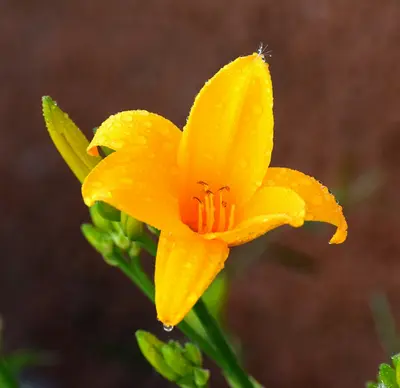
These towering giants produce enormous 4-5 inch pompom blooms in brilliant shades of gold, orange, and yellow that command attention in any garden. Their sturdy stems make them excellent cut flowers, while their natural pest-repelling properties make them beloved companions for vegetable gardens.
Harvest
70-80d
Days to harvest
Sun
Full sun to partial shade
Zones
2–11
USDA hardiness
Height
1-4 feet
Planting Timeline
Showing dates for Marigold African Crackerjack Mix in USDA Zone 7
All Zone 7 flower →Zone Map
Click a state to update dates
Marigold African Crackerjack Mix · Zones 2–11
Growing Details
Succession Planting
African marigolds don't suit tight succession sowing the way lettuce or radishes do — one planting blooms from roughly 70-80 days after transplant right through frost. In zone 7, start seeds indoors in February or March and transplant out in April or May after last frost. If you want a later-season flush, direct sow a second round in June, though those plants will be smaller and may not hit full size before summer heat peaks.
Deadhead spent flowers every 7-10 days to keep new buds coming. That's your main productivity tool with this variety — not staggered sowings, but consistent deadheading to extend a single planting's bloom window through October.
Complete Growing Guide
Light: Full sun (6 or more hours of direct sunlight a day), Partial Shade (Direct sunlight only part of the day, 2-6 hours). Soil: Clay, High Organic Matter, Loam (Silt), Sand. Soil pH: Acid (<6.0), Alkaline (>8.0), Neutral (6.0-8.0). Drainage: Good Drainage, Occasionally Dry. Height: 1 ft. 0 in. - 4 ft. 0 in.. Spread: 1 ft. 0 in. - 2 ft. 0 in.. Spacing: Less than 12 inches, 12 inches-3 feet. Growth rate: Medium. Maintenance: Low. Propagation: Seed. Regions: Coastal, Mountains, Piedmont.
Harvesting
Color: Black. Type: Achene.
Harvest time: Fall
Edibility: Sap or juice can cause a rash.
History & Origin
Origin: Mexico to Guatemala
Advantages
- +Attracts: Butterflies, Hummingbirds
- +Edible: Sap or juice can cause a rash.
- +Low maintenance
Considerations
- -Toxic (Flowers, Roots, Sap/Juice): Low severity
- -Causes contact dermatitis
Companion Plants
Tomatoes benefit most from African marigolds — Tagetes erecta roots release alpha-terthienyl, a compound that suppresses root-knot nematodes (Meloidogyne species) in the surrounding soil. That effect takes a full season to build, so plant them at the same time as your tomatoes, not as an afterthought in July. Peppers and cucumbers get the same nematode suppression. Nasturtiums pull double duty nearby: they draw aphids away from everything else in the bed, and their shallow roots don't compete with the marigold's own modest root zone. Carrots are a fine neighbor too — different root depth, no shared nutrient demands.
Fennel (Foeniculum vulgare) is allelopathic to most garden plants and will stunt whatever grows next to it; marigolds are no exception. Mint spreads by underground runners and will physically crowd out marigolds within one or two seasons — keep it in a container if you want it anywhere nearby. Black walnut trees release juglone from their roots, and that compound is toxic to a wide range of plants including Tagetes; if you're gardening within the drip line of a walnut, skip marigolds entirely in that spot.
Plant Together
Tomatoes
Marigolds repel nematodes, aphids, and whiteflies that commonly attack tomatoes
Basil
Both plants repel similar pests and basil attracts beneficial insects
Peppers
Marigolds deter aphids, spider mites, and other pests that damage pepper plants
Cucumbers
Marigolds repel cucumber beetles and other harmful insects
Cabbage
Helps deter cabbage worms and other brassica pests
Beans
Marigolds repel Mexican bean beetles and improve overall garden health
Nasturtiums
Both attract beneficial insects and create a pest-confusing polyculture
Carrots
Marigolds help repel carrot flies and other root vegetable pests
Keep Apart
Black Walnut Trees
Juglone toxin from walnut roots inhibits marigold growth and can kill plants
Fennel
Allelopathic compounds inhibit growth and germination of marigolds
Mint
Aggressive spreading nature competes for nutrients and space, can overtake marigolds
Pests & Disease Resistance
Resistance
Good resistance to most diseases, may suffer from root rot in wet conditions
Common Pests
Spider mites, aphids (but repels many garden pests)
Diseases
Root rot, powdery mildew in humid conditions
Troubleshooting Marigold African Crackerjack Mix
What you'll see, why it happens, and what to do about it.
Fine webbing on leaf undersides, leaves look dusty or stippled, starting mid-summer
Likely Causes
- Two-spotted spider mite (Tetranychus urticae) — thrives in hot, dry conditions above 85°F
- Drought stress making the plant more susceptible
What to Do
- 1.Blast the undersides of leaves with a strong jet of water every 2-3 days to knock mites off
- 2.Apply insecticidal soap or neem oil at dusk — coverage on leaf undersides matters more than the tops
- 3.Keep plants watered consistently at 1 inch per week; stressed plants attract mites faster
White powdery coating on leaves and stems, usually appearing after periods of high humidity
Likely Causes
- Powdery mildew (Golovinomyces cichoracearum or related species) — common in humid summers when nights cool below 65°F
- Crowded planting blocking airflow between plants
What to Do
- 1.Remove and trash (don't compost) heavily affected leaves
- 2.Thin plants to maintain at least 12 inches between them so air can move through
- 3.Spray with a diluted baking soda solution (1 tablespoon per gallon of water) or potassium bicarbonate weekly as a preventive once you've seen it once
Wilting despite adequate watering, stems turning brown or mushy at the soil line
Likely Causes
- Root rot from Pythium or Phytophthora species — almost always triggered by waterlogged soil or poor drainage
- Overwatering in heavy clay or compacted beds
What to Do
- 1.Pull the affected plant — there's no saving a marigold with rotted roots
- 2.Amend the bed with compost or coarse sand to improve drainage before replanting
- 3.Let the soil dry out between waterings; African marigolds are drought-tolerant once established and don't need constant moisture
Frequently Asked Questions
How long does Marigold African Crackerjack Mix take to bloom?▼
Can you grow African Crackerjack marigolds in containers?▼
Are Marigold African Crackerjack Mix good for beginners?▼
Do African Crackerjack marigolds really repel garden pests?▼
When should I plant African Crackerjack Mix marigold seeds?▼
How big do African Crackerjack Mix marigolds get?▼
Zone-by-Zone Planting Calendar
| Zone | Indoor Start | Transplant | Direct Sow | Harvest |
|---|---|---|---|---|
| Zone 1 | May – June | July – August | July – September | — |
| Zone 2 | April – May | June – July | June – August | — |
| Zone 11 | January – January | January – February | January – March | — |
| Zone 12 | January – January | January – February | January – March | — |
| Zone 13 | January – January | January – February | January – March | — |
| Zone 3 | April – May | June – July | June – August | — |
| Zone 4 | March – April | June – June | June – July | — |
| Zone 5 | March – April | May – June | May – July | — |
| Zone 6 | March – April | May – June | May – July | — |
| Zone 7 | February – March | April – May | April – June | — |
| Zone 8 | February – March | April – May | April – June | — |
| Zone 9 | January – February | March – April | March – May | — |
| Zone 10 | January – January | February – March | February – April | — |