Thornless Honeylocust Skyline
Gleditsia triacanthos inermis 'Skyline'
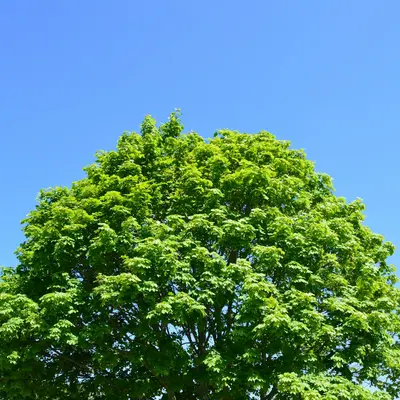
A fast-growing shade tree prized for its graceful, open canopy and delicate compound leaves that cast dappled shade perfect for underplanting. The bright golden-yellow fall color and tolerance to urban conditions make Skyline honeylocust a top choice for street trees and large residential landscapes.
Sun
Full sun to partial shade
Zones
3–8
USDA hardiness
Height
60-80 feet
Planting Timeline
Showing dates for Thornless Honeylocust Skyline in USDA Zone 7
All Zone 7 ornamental-tree →Zone Map
Click a state to update dates
Thornless Honeylocust Skyline · Zones 3–8
Growing Details
Complete Growing Guide
Plant Thornless Honeylocust Skyline in spring or fall in full sun to partial shade, though consistent sunlight maximizes its pyramidal form and fall color intensity. This cultivar establishes quickly but requires regular watering during its first two growing seasons to develop a deep root system; once mature, it tolerates drought and urban pollution exceptionally well. Unlike some honeylocust varieties, Skyline has no thorns, eliminating injury hazards and maintenance concerns. Watch for pod-producing female trees in the landscape—seek male cultivars like 'Skyline' specifically to avoid the messy bean pod litter that plagues female trees. Mimosa webworms and spider mites can appear during hot, dry summers, so monitor foliage in mid-to-late summer and provide supplemental irrigation during drought. A practical tip: prune only in late winter while dormant to maintain its naturally graceful branching structure and avoid attracting pest activity; excessive summer pruning can trigger weak growth and reduce fall color display.
Light: Full sun (6 or more hours of direct sunlight a day), Partial Shade (Direct sunlight only part of the day, 2-6 hours). Soil: Clay, High Organic Matter, Loam (Silt). Soil pH: Acid (<6.0), Alkaline (>8.0), Neutral (6.0-8.0). Drainage: Good Drainage, Moist. Height: 60 ft. 0 in. - 80 ft. 0 in.. Spread: 60 ft. 0 in. - 80 ft. 0 in.. Spacing: more than 60 feet. Growth rate: Rapid. Maintenance: Medium. Propagation: Seed, Stem Cutting. Regions: Coastal, Piedmont.
Harvesting
Since Thornless Honeylocust Skyline is an ornamental shade tree rather than a fruit or nut producer, traditional harvesting does not apply. However, if harvesting seed pods for propagation, wait until the long, flat legume pods turn from green to dark brown or tan, typically in late fall after the foliage has dropped. The pods should feel papery and brittle when ready, snapping cleanly when bent. Collect pods in a single harvest after the first hard frost, as this ensures seed maturity and easier pod splitting. Timing your collection before winter precipitation is crucial, as wet pods may mold before seeds dry sufficiently for storage or stratification.
Female flowers are replaced by reddish-brown, twisted, flat bean pods 12 to 18 inches long containing oval seeds appear in the summer and can remain on the tree through the winter. Seed pods twist into corkscrew shapes and can be messy to maintain once they fall off the tree. The pods turn black when ripe and contain a sweet-tasting sticky substance that gives Honeylocust its common name.
Color: Brown/Copper, Red/Burgundy. Type: Legume. Length: > 3 inches.
Garden value: Showy
Harvest time: Fall, Winter
Edibility: The pulp inside the seed pod is edible, raw or cooked, but mostly consumed by livestock and wildlife.
Storage & Preservation
Thornless Honeylocust Skyline is an ornamental tree and does not require traditional storage or preservation like edible crops. For seeds collected from mature trees, store in cool, dry conditions (50-60°F, 30-40% humidity) in paper envelopes. Seeds remain viable 1-2 years when properly dried. For propagation, cuttings can be preserved in moist peat moss at 40°F for several weeks. For seedlings or transplants, maintain in nursery containers with consistent moisture until planting in landscape. Trees themselves require no post-harvest handling as they are permanent landscape installations.
History & Origin
The 'Skyline' cultivar belongs to the thornless honeylocust group (Gleditsia triacanthos inermis), which emerged from breeding programs that selected for the naturally occurring thornless mutation of the native honey locust. While detailed records of 'Skyline's specific breeder and introduction year are not widely documented in standard horticultural references, it represents part of the mid-twentieth-century American ornamental tree improvement movement that prioritized urban-friendly traits. The cultivar likely originated through systematic selection for upright branching habit, vigorous growth, and superior fall color—characteristics valued by landscape architects and municipalities seeking reliable shade trees for streetscapes and suburban plantings.
Origin: Central and Eastern North America, NC to Mexico
Advantages
- +Fast growth provides quick shade establishment for new landscapes.
- +Delicate compound leaves create attractive dappled shade for underplanting.
- +Brilliant golden-yellow fall color adds seasonal interest to properties.
- +Thornless variety eliminates safety hazards common in honeylocust species.
- +Excellent urban tolerance makes Skyline ideal for street tree planting.
Considerations
- -Honeylocust plant bugs and spider mites require regular monitoring.
- -Open canopy allows excessive light penetration reducing shade density somewhat.
- -Shallow root system may compete with nearby plants for moisture.
Companion Plants
The plants that do best under 'Skyline' all share one trait: they're comfortable with dappled or shifting shade. Hostas, astilbe, and ferns are the workhorses here — the honeylocust's fine, pinnate leaflets cast a light, filtered canopy rather than the dense ceiling you'd get under a silver maple, so plants that would scorch in full sun but peter out in deep shade find a real sweet spot underneath. In our zone 7 Georgia gardens, that filtered canopy does double duty in July and August, shielding hostas from the kind of afternoon heat that turns their edges to paper. Coral bells and daylilies fill the gaps and handle the dry stretches once established, which matters because 'Skyline' is genuinely drought-tolerant and won't be pulling much supplemental water once it's settled in.
Spring bulbs are worth calling out separately. They run their entire cycle — emergence, bloom, die-back — before the tree's canopy fills in enough to matter. You're not competing with the tree at all; you're using what would otherwise be dead time in the bed.
Black walnut is the one to keep off the property entirely if you're building a shade planting around this tree. Walnut produces juglone, a biochemical root-zone toxin, and it doesn't mix with the groundcover palette that works well under 'Skyline.' Large pines with aggressive shallow root systems are a different kind of problem — not chemistry, but raw competition for the top 10 to 12 inches of soil, which is exactly where your hostas and astilbe are trying to get established.
Plant Together
Hostas
Thrives in the filtered shade under honeylocust canopy, creates attractive understory planting
Daylilies
Tolerates light shade and competes well with tree roots, provides summer color
Astilbe
Enjoys partial shade created by tree canopy, adds texture and spring blooms
Coral Bells
Shallow root system doesn't compete with tree, tolerates filtered light conditions
Ferns
Natural woodland companion that thrives in the dappled shade of honeylocust
Pachysandra
Excellent groundcover that suppresses weeds and tolerates root competition
Spring Bulbs
Bloom before tree leafs out, then go dormant as shade increases
Serviceberry
Compatible native understory tree that provides wildlife food and spring flowers
Keep Apart
Black Walnut
Produces juglone toxin that can stunt or kill honeylocust and most other plants
Large Pine Trees
Creates too much shade and acidifies soil, conflicting with honeylocust's sun requirements
Shallow-rooted Vegetables
Cannot compete with honeylocust's extensive shallow root system for water and nutrients
Pests & Disease Resistance
Resistance
Excellent disease resistance and urban pollution tolerance
Common Pests
Honeylocust plant bug, spider mites, gall midge
Diseases
Canker (rare), leaf spot (minor), generally very healthy
Troubleshooting Thornless Honeylocust Skyline
What you'll see, why it happens, and what to do about it.
Leaves stippled or bronzed, fine webbing visible on undersides of leaflets in hot, dry spells
Likely Causes
- Spider mites (Tetranychus urticae) — population explosions happen fast when temps stay above 85°F and humidity drops
- Drought stress weakening the tree's natural defenses
What to Do
- 1.Hit the undersides of the canopy branches with a strong jet of water from a hose — it physically knocks the mite colonies off and they don't climb back easily
- 2.Deep-water the root zone (out to the drip line) if the tree has been dry for more than two weeks; a stressed tree is a mite magnet
- 3.If the infestation is heavy two years running, apply insecticidal soap or neem oil when temps are below 90°F — above that you'll get phytotoxic burn
Small, puckered or distorted leaflets in spring, with tiny insects visible on new growth
Likely Causes
- Honeylocust plant bug (Diaphnocoris chlorionis) — feeds on emerging leaves in May and June, causing cell damage before the tissue hardens
- Mild infestations are cosmetic; heavy pressure on young trees can slow the season's growth flush
What to Do
- 1.On established trees over 20 feet, do nothing — the damage is rarely severe enough to justify spraying a 60-foot canopy
- 2.On newly transplanted trees (first 2 seasons), treat with a spinosad-based spray at bud break if you saw significant damage the prior spring
- 3.Keep the root zone mulched and watered so the tree pushes through the damage period with enough energy to outgrow it
Sunken, discolored patches on the bark — sometimes with cracking or dead wood above the wound
Likely Causes
- Canker disease (Thyronectria austro-americana is the most common culprit on honeylocust) — typically enters through wounds from pruning cuts, lawn mower strikes, or freeze damage
- Canker is rare on healthy trees but can spread quickly on one that's been repeatedly stressed by compacted soil or drought
What to Do
- 1.Prune affected limbs back to healthy wood at least 6 inches below the discoloration, sterilizing your saw with 70% isopropyl alcohol between cuts
- 2.Avoid pruning in wet spring weather — cuts made when bark is saturated are the easiest entry point for the fungus
- 3.If the canker is on the main trunk and girdling more than 50% of the circumference, call a certified arborist; that tree's structural future is in question