Azumi XL Rose
Callistephus chinensis
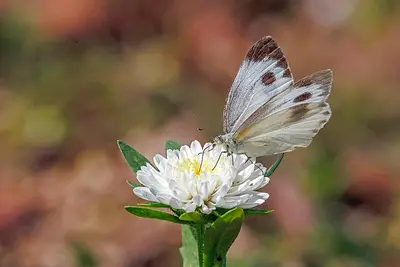
Wikimedia Commons via Callistephus
The Azumi series offers 2-3 1/2" pom-pom style blooms in rich jewel tones on sturdy, vigorous plants. Recommended for growing as a spray-type cut flower. Plants yield one cut per plant; each cut is a large spray of stems and flowers. The primary flower will be larger, surrounded by multiple slightly smaller blooms. Alternately, single stems can be harvested, although stem length will be shorter than when harvested as a one-cut spray type. Flower color is bright rose with a cream center. Fusarium tolerant.
Harvest
105-120d
Days to harvest
Sun
Full sun to partial shade
Zones
2–11
USDA hardiness
Height
1-3 feet
Planting Timeline
Showing dates for Azumi XL Rose in USDA Zone 7
All Zone 7 flower →Zone Map
Click a state to update dates
Azumi XL Rose · Zones 2–11
Growing Details
Succession Planting
Azumi XL Rose takes 105-120 days from transplant to flower, so timing is everything. In zone 7, start seeds indoors in late February or early March, then transplant out in late April after your last frost date (typically around April 15 across most of Georgia). A second sow indoors in mid-March, transplanted out in May, will stagger your bloom window by 3-4 weeks and extend your cutting season well into fall.
Don't push a third round much past a June direct sow — plants going in the ground after mid-June will hit bloom right as heat and humidity peak in August, which cranks up disease pressure and shortens vase life considerably. Two successions, spaced 3-4 weeks apart, is the practical limit for this variety.
Complete Growing Guide
The Azumi series offers 2-3 1/2" pom-pom style blooms in rich jewel tones on sturdy, vigorous plants. Recommended for growing as a spray-type cut flower. Plants yield one cut per plant; each cut is a large spray of stems and flowers. The primary flower will be larger, surrounded by multiple slightly smaller blooms. Alternately, single stems can be harvested, although stem length will be shorter than when harvested as a one-cut spray type. Flower color is bright rose with a cream center. Fusarium tolerant. According to Johnny's Selected Seeds, Azumi XL Rose is 105 - 120 days to maturity, annual, open pollinated. Notable features: Use for Cut Flowers and Bouquets.
Light: Full sun (6 or more hours of direct sunlight a day), Partial Shade (Direct sunlight only part of the day, 2-6 hours). Soil: Clay, High Organic Matter, Loam (Silt), Sand. Soil pH: Acid (<6.0), Neutral (6.0-8.0). Drainage: Good Drainage, Moist. Height: 1 ft. 0 in. - 3 ft. 0 in.. Spread: 1 ft. 0 in. - 1 ft. 6 in.. Spacing: Less than 12 inches. Growth rate: Rapid. Maintenance: Medium. Regions: Coastal, Mountains, Piedmont.
Harvesting
Azumi XL Rose reaches harvest at 105 - 120 days from sowing per Johnny's Selected Seeds. Expect 2-3 1/2" at peak. As an annual, harvest continues until frost ends the season.
The fruit is a rough-textured, glandular, purple-mottled cypsela that turns gray with age.
Storage & Preservation
Store freshly cut Azumi XL Rose stems in a clean vase filled with cool water at 65-72°F in a cool location away from direct sunlight and ripening fruit. Stems last 7-10 days with regular water changes. For preservation, air-dry by hanging in bundles upside-down in a dark, well-ventilated space for 2-3 weeks to create long-lasting dried arrangements. Alternatively, press individual blooms between parchment paper weighted with books for 1-2 weeks to create pressed flower crafts and keepsakes.
History & Origin
Azumi XL Rose is open-pollinated, meaning seed saved from healthy plants will produce true-to-type offspring. Listed in the Johnny's Selected Seeds catalog.
Origin: China and Southern Russia
Advantages
- +Produces abundant pom-pom blooms in striking rose with cream centers
- +Vigorous plants yield one generous spray cut per plant
- +Fusarium tolerant variety reduces disease management concerns
- +Sturdy stems support large flower clusters without staking
- +Flexible harvest options as spray or individual stems
Considerations
- -105-120 day maturity requires long growing season planning
- -Single cut per plant limits yield compared to branching varieties
- -Shorter stem length when harvesting individual stems reduces utility
- -Pom-pom style may require extra conditioning for some florist preferences
Companion Plants
Marigolds and alliums — garlic, chives, and their relatives — are the workhorses here. Marigolds deter aphids and thrips through scent compounds in their foliage, and both pests will find your asters if given an opening. Garlic and chives push back on the same insects and have shown some suppression of soil-borne fungi in trials, which matters for a cut flower this prone to Fusarium. Catmint and lavender pull in parasitic wasps and hoverflies that prey on soft-bodied insects, and their roots stay shallow enough that they won't muscle Callistephus out of moisture or nutrients. Parsley earns a spot as a low border plant for the same reason.
Black walnut (Juglans nigra) is the one to plant nowhere near your asters — juglone moves through the soil in a wide radius and will stunt or kill them without any visible above-ground cause, which makes the problem hard to diagnose. Large trees are a different issue: in our zone 7 Georgia gardens, anything that shades asters below 4-5 hours of direct sun delays bloom and cuts stem length, and Azumi XL needs those 105-120 days firing on all cylinders to hit full size. Mint spreads by underground runners and will quietly outcompete for water before you realize it's taken over a 2-foot radius.
Plant Together
Chives
Deters aphids and Japanese beetles while improving soil health
Catmint
Repels ants, aphids, and rodents while attracting beneficial insects
Alliums
Natural pest repellent against aphids, thrips, and rose chafers
Parsley
Attracts beneficial insects and may help improve rose fragrance
Clematis
Provides vertical interest and shares similar soil preferences
Lavender
Repels aphids, moths, and other pests while attracting beneficial pollinators
Marigolds
Natural pest deterrent against nematodes, aphids, and whiteflies
Garlic
Repels aphids, spider mites, and helps prevent fungal diseases
Keep Apart
Black Walnut
Produces juglone toxin which inhibits rose growth and can cause wilting
Large Trees
Compete for nutrients, water, and sunlight, creating poor growing conditions
Mint
Aggressive spreader that can overtake rose root space and compete for nutrients
Troubleshooting Azumi XL Rose
What you'll see, why it happens, and what to do about it.
Powdery white coating on leaves and stems, usually appearing mid-summer when nights cool down but days stay warm
Likely Causes
- Powdery mildew (Erysiphe cichoracearum) — a fungal disease that thrives in high humidity with poor airflow
- Crowded planting under 18 inches apart that traps moisture between plants
What to Do
- 1.Space plants at least 18-24 inches apart and remove any foliage touching the ground
- 2.Spray affected plants with a diluted potassium bicarbonate solution (1 tablespoon per gallon of water) every 7-10 days
- 3.Pull and trash — don't compost — any heavily infected stems at the end of the season
Wilting and stem collapse at the soil line on young transplants, even when the soil isn't dry
Likely Causes
- Fusarium wilt (Fusarium oxysporum) or stem rot — both soil-borne pathogens that hit asters hard, especially in warm, wet soil
- Overwatering or poorly drained beds that keep roots waterlogged
What to Do
- 1.Pull the collapsed plant immediately and don't replant asters in that spot for at least 2 seasons
- 2.Amend heavy clay beds with compost or coarse sand before planting to improve drainage
- 3.Start transplants in sterile seed-starting mix — not garden soil — to avoid introducing Fusarium early
Frequently Asked Questions
How long do Azumi XL Rose cut flowers last in a vase?▼
Is Azumi XL Rose a good variety for beginning flower growers?▼
Can you grow Azumi XL Rose in containers?▼
When should I plant Azumi XL Rose for cutting?▼
What is the difference between one-cut spray versus single stem harvesting for Azumi XL Rose?▼
How much space do Azumi XL Rose plants need?▼
Zone-by-Zone Planting Calendar
| Zone | Indoor Start | Transplant | Direct Sow | Harvest |
|---|---|---|---|---|
| Zone 3 | April – May | June – July | June – August | — |
| Zone 4 | March – April | June – June | June – July | — |
| Zone 5 | March – April | May – June | May – July | — |
| Zone 6 | March – April | May – June | May – July | — |
| Zone 7 | February – March | April – May | April – June | — |
| Zone 8 | February – March | April – May | April – June | — |
| Zone 9 | January – February | March – April | March – May | — |
| Zone 10 | January – January | February – March | February – April | — |
| Zone 1 | May – June | July – August | July – September | — |
| Zone 2 | April – May | June – July | June – August | — |
| Zone 11 | January – January | January – February | January – March | — |
| Zone 12 | January – January | January – February | January – March | — |
| Zone 13 | January – January | January – February | January – March | — |
Growing Guides from Wind River Greens
Sources & References
External authority sources used in compiling this guide.
- BreederJohnny's Selected Seeds
See the Methodology page for how this data is sourced, what's AI-assisted, and known limitations.