Touchon Carrot
Daucus carota 'Touchon'
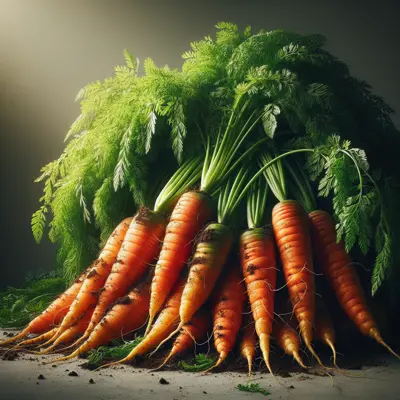
A beloved French heirloom carrot renowned for its exceptional sweetness and crisp texture, often considered one of the best-tasting carrots available to home gardeners. This variety produces perfectly straight, smooth roots with little to no core, making every bite tender and flavorful. Touchon's reliable performance and gourmet quality have made it a favorite among gardeners who prioritize flavor over size.
Harvest
65-75d
Days to harvest
Sun
Full sun to partial shade
Zones
4–11
USDA hardiness
Difficulty
Easy
Planting Timeline
Showing dates for Touchon Carrot in USDA Zone 7
All Zone 7 root-vegetable →Zone Map
Click a state to update dates
Touchon Carrot · Zones 4–11
Growing Details
Succession Planting
Direct sow Touchon every 14 days starting around March 1 in zone 7, continuing through early May for a steady spring harvest. Stop when daytime highs are consistently above 80°F — germination drops off sharply at that point and you'll get patchy, uneven stands. Pick back up with a fall run starting around August 15, sowing every 2–3 weeks through late September; those roots size up in cooling soil and can stay in the ground well into November without much quality loss.
Across all those successions, NC State Extension's rotation guidance still applies: don't run carrots in the same bed more than once every 3 years. If you're doing both a spring and fall sowing in the same season, alternate which beds you use so Alternaria dauci spores and carrot rust fly larvae don't accumulate in one spot.
Complete Growing Guide
Touchon carrots demand consistent moisture and cool soil temperatures to develop their signature sweetness and tender, coreless texture, so direct sow in spring or summer for a fall harvest when temperatures naturally decline. Unlike larger carrot varieties, these French heirlooms mature quickly at 65-75 days, making successive plantings every two weeks ideal for continuous harvests rather than single, large sowings. Sow seeds ¼ inch deep in loose, well-draining soil free of rocks and compacted clay, which can cause forking and split roots that compromise their prized straightness. While generally pest-resistant, watch for carrot rust flies in early summer by floating row covers over seedlings; Touchon's thin, refined roots are particularly vulnerable to tunneling damage. The cultivar rarely bolts if given adequate moisture during dry spells, but inconsistent watering will trigger woody cores and cracking—a critical flaw in a variety prized for its coreless character.
Light: Full sun (6 or more hours of direct sunlight a day), Partial Shade (Direct sunlight only part of the day, 2-6 hours). Soil: Clay, High Organic Matter, Loam (Silt), Sand, Shallow Rocky. Soil pH: Acid (<6.0), Alkaline (>8.0), Neutral (6.0-8.0). Drainage: Good Drainage, Moist, Occasionally Dry. Growth rate: Rapid. Maintenance: High. Propagation: Seed.
Harvesting
Touchon carrots reach peak harvest readiness when their shoulders develop a deep orange hue and roots measure approximately 6-8 inches long, though they remain tender and sweet even at smaller sizes. Gently brush away soil to assess the root's diameter and smooth surface—a firm, unblemished feel indicates maturity. These carrots perform excellently with continuous harvesting, where you selectively pull mature roots while allowing others to develop, extending your harvest window over several weeks. For optimal flavor and crispness, harvest in the morning after soil temperatures have cooled overnight, which maximizes the sugar content and juiciness that define this French heirloom's reputation.
Small, dry, and ribbed with bristly hairs. The compound umbel of fruits folds inward to form a roundish shape that can be blown by the wind and roll across the ground dropping seeds.
Color: Brown/Copper. Type: Achene. Length: < 1 inch. Width: < 1 inch.
Edibility: Leaves, roots, flowers, and seeds are edible. The young fleshy roots can be cooked or eaten raw, the flower clusters can be french-fried to produce a carrot-flavored dish, the aromatic seed is used as a flavoring in stews, etc. The dried roasted roots are ground into a powder and are used for making coffee.
Storage & Preservation
Remove greens immediately after harvest, leaving 1/2 inch of stem to prevent moisture loss. Store unwashed Touchon carrots in perforated plastic bags in the refrigerator crisper drawer at 32-35°F with high humidity – they'll maintain their signature crispness for 2-3 months. For root cellar storage, layer carrots in barely damp sand or peat moss in wooden boxes, keeping them from touching.
Touchon's exceptional sweetness makes it ideal for juicing and freezing. Blanch cut pieces for 3 minutes before freezing, though the texture softens slightly. The variety's low moisture content also makes it excellent for dehydrating into chips or powder. Fermented carrot sticks retain much of Touchon's crunch while developing complex flavors – pack in 2% salt brine and ferment at room temperature for 3-5 days.
History & Origin
This French heirloom carrot emerged from the long tradition of European carrot breeding, particularly within French seed-growing regions known for cultivating exceptional root vegetables. While specific breeder names and exact introduction dates remain poorly documented in readily available sources, Touchon represents the refined carrot genetics developed throughout the 20th century by French seed companies and growers who selected for sweetness, smoothness, and coreless structure. The variety embodies decades of careful selection within French horticultural lines, though definitive records of its formal registration or initial breeding program have not been consistently preserved in English-language agricultural archives. Its classification as a French heirloom reflects both its geographic heritage and its established presence in European seed catalogs and home gardens.
Origin: Europe, Eastern Asia and northern Africa
Advantages
- +Exceptional sweetness and crisp texture make Touchon superior for fresh eating.
- +Virtually coreless roots mean tender, flavorful bites throughout the entire carrot.
- +Reliable 65-75 day maturity fits well into most growing seasons.
- +Easy cultivation makes Touchon ideal for beginner and experienced gardeners alike.
- +Perfectly straight, smooth roots are visually attractive for market or table.
Considerations
- -Susceptible to carrot rust fly, requiring vigilant pest management or row covers.
- -Alternaria leaf blight and bacterial soft rot can devastate crops in humid climates.
- -Smaller size preference means lower overall yield compared to storage carrot varieties.
Companion Plants
Chives, onions, leeks, and rosemary are the companions worth planting near Touchon. The alliums interfere with carrot rust fly (Psila rosae) by masking the scent cues the fly uses to locate its host — a row of chives every 12–18 inches through the bed is a low-effort way to get that effect, and you get edible chives out of it. Radishes pull double duty as a germination marker and quick trap crop: sow them in the same furrow and they're up in 5–7 days while the carrots are still sitting at 14–21. Pull the radishes before they compete. Dill and fennel stay far away — both share the Apiaceae family with carrots, which means shared pest pressure, and fennel's root exudates are broadly allelopathic to neighboring vegetables.
Plant Together
Chives
Repels carrot fly and aphids with strong sulfur compounds
Leeks
Natural pest deterrent against carrot fly and root maggots
Rosemary
Strong aromatic oils mask carrot scent from carrot fly
Sage
Repels carrot fly and cabbage moths with potent fragrance
Lettuce
Shallow roots don't compete, provides living mulch and space efficiency
Tomatoes
Natural pest control through solanine compounds that deter soil pests
Onions
Strong sulfur scent confuses and repels carrot fly
Radishes
Break up compacted soil and mature quickly without root competition
Keep Apart
Dill
Stunts carrot growth and attracts carrot fly when flowering
Parsnips
Competes for same nutrients and attracts similar root pests
Fennel
Allelopathic compounds inhibit carrot germination and growth
Nutrition Facts
Per 100g serving. % Daily Value based on 2,000 calorie diet. Source: USDA FoodData Central (FDC #170393)
Pests & Disease Resistance
Resistance
Good general disease resistance, some tolerance to alternaria leaf blight
Common Pests
Carrot rust fly, wireworms, aphids
Diseases
Alternaria leaf blight, bacterial soft rot, aster yellows
Troubleshooting Touchon Carrot
What you'll see, why it happens, and what to do about it.
Tunneling or scarring on the outside of roots at harvest, sometimes with a rust-colored powder or small white maggots visible
Likely Causes
- Carrot rust fly (Psila rosae) — larvae tunnel just under the skin and into the root
- Wireworms (Agriotes spp.) — click beetle larvae that bore through roots, especially in beds with a recent sod or grass history
What to Do
- 1.Cover the bed with row cover immediately after sowing and keep it on through harvest — carrot rust fly locates hosts by smell, and physical exclusion is the most reliable control
- 2.Rotate carrots out of any bed that had carrots or parsnips the previous season; NC State Extension recommends keeping the same crop family out of a spot for at least 3 years
- 3.If wireworms are the culprit, leave the bed fallow or plant a buckwheat cover crop for a season to break the beetle cycle before replanting
Dark brown to black lesions on leaves and leaf stalks, sometimes with a yellow halo, appearing after wet weather
Likely Causes
- Alternaria leaf blight (Alternaria dauci) — a fungal pathogen that spreads by spores splashing up from soil or infected debris
- Overhead irrigation or prolonged leaf wetness that keeps foliage damp for more than a few hours
What to Do
- 1.Strip and trash (don't compost) any badly infected foliage as soon as you spot it
- 2.Switch to drip irrigation or water at the base of the bed early in the morning so leaves dry before nightfall
- 3.Rotate carrots to a fresh bed — NC State Extension's disease management guidance recommends a 3- to 4-year rotation by crop type to avoid pathogen buildup in the soil
Stored or freshly pulled roots turning soft, slimy, and foul-smelling within a few days of harvest
Likely Causes
- Bacterial soft rot (Pectobacterium carotovorum) — enters through wounds, cracks, or insect feeding sites
- Harvesting after a long wet spell, or holding unwashed roots in warm, humid conditions above 40°F
What to Do
- 1.Pull roots before the soil gets waterlogged; Touchon roots left in saturated ground crack easily and give bacteria a point of entry
- 2.Brush off loose dirt but don't wash roots until you're ready to use them — surface moisture in storage is what accelerates the rot
- 3.Hold clean, dry roots at 32–38°F; discard any showing sliminess immediately so it doesn't spread to the rest of the bin
Frequently Asked Questions
How long does Touchon carrot take to grow?▼
Can you grow Touchon carrots in containers?▼
Is Touchon carrot good for beginners?▼
What does Touchon carrot taste like?▼
When should I plant Touchon carrot seeds?▼
Touchon vs Nantes carrot - what's the difference?▼
Zone-by-Zone Planting Calendar
| Zone | Indoor Start | Transplant | Direct Sow | Harvest |
|---|---|---|---|---|
| Zone 3 | — | — | May – June | July – October |
| Zone 4 | — | — | April – June | July – October |
| Zone 5 | — | — | April – May | June – November |
| Zone 6 | — | — | April – May | June – November |
| Zone 7 | — | — | March – May | May – November |
| Zone 8 | — | — | March – April | May – December |
| Zone 9 | — | — | February – March | April – December |
| Zone 10 | — | — | January – March | March – December |
| Zone 1 | — | — | June – July | August – September |
| Zone 2 | — | — | May – July | July – September |
| Zone 11 | — | — | January – February | February – December |
| Zone 12 | — | — | January – February | February – December |
| Zone 13 | — | — | January – February | February – December |
Growing Guides from Wind River Greens
Sources & References
External authority sources used in compiling this guide.
See the Methodology page for how this data is sourced, what's AI-assisted, and known limitations.