Boston Ivy
Parthenocissus tricuspidata
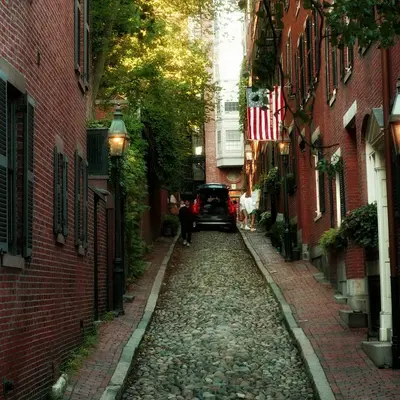
A vigorous deciduous climbing vine famous for creating those classic ivy-covered brick buildings on college campuses. This fast-growing vine produces stunning fall color, transforming from green to brilliant shades of orange, red, and purple that make it a showstopper in autumn landscapes.
Sun
Full sun to partial shade
Zones
4–8
USDA hardiness
Height
30-60 feet
Planting Timeline
Showing dates for Boston Ivy in USDA Zone 7
All Zone 7 vine →Zone Map
Click a state to update dates
Boston Ivy · Zones 4–8
Growing Details
Complete Growing Guide
Light: Full sun (6 or more hours of direct sunlight a day), Partial Shade (Direct sunlight only part of the day, 2-6 hours). Soil: Clay, High Organic Matter, Sand, Shallow Rocky. Soil pH: Acid (<6.0), Alkaline (>8.0), Neutral (6.0-8.0). Drainage: Good Drainage, Moist, Occasionally Dry. Height: 30 ft. 0 in. - 60 ft. 0 in.. Spread: 5 ft. 0 in. - 10 ft. 0 in.. Spacing: 6-feet-12 feet. Growth rate: Rapid. Maintenance: Low. Propagation: Root Cutting, Stem Cutting. Regions: Coastal, Mountains, Piedmont.
Harvesting
Flowers give way to berries (to 1/3” diameter) which are also hidden by the foliage and often not visible until autumn leaf drop. Fruits are a dull, dark bluish-black berry. They are attractive to birds.
Color: Black, Blue. Type: Berry. Width: < 1 inch.
Harvest time: Fall
Storage & Preservation
Boston Ivy is an ornamental vine, not a harvested crop, so traditional storage and preservation methods do not apply. The plant itself should be grown in-ground or in large containers and left undisturbed to establish and thrive seasonally. If propagating from cuttings, store freshly cut stems in moist soil or water at 50-60°F to encourage rooting before planting. The mature vine requires no special preservation—simply maintain adequate watering during establishment and prune as needed to manage growth and shape.
History & Origin
Origin: China and Japan
Advantages
- +Attracts: Bees, Songbirds
- +Fast-growing
- +Low maintenance
Companion Plants
Clematis is the most practical pairing — it climbs the same structure without competing at root level, and the two together give you bloom interest that Boston Ivy alone can't provide. Hostas, Astilbe, and ferns work well at the base because they're all shade-tolerant; once the vine fills in overhead, it casts significant shadow, and those plants don't complain about it the way sun-lovers would. Avoid planting near Black Walnut — juglone leaches from its roots and leaf litter and is broadly toxic to understory plants; Boston Ivy shows no reliable resistance to it. Tree of Heaven (Ailanthus altissima) is allelopathic through a different compound, ailanthone, and it's also an invasive you'd be better off removing entirely.
Plant Together
Clematis
Shares similar growing conditions and creates layered texture without competing for wall space
Hosta
Thrives in the shade created by Boston Ivy and provides contrasting foliage texture
Astilbe
Benefits from partial shade provided by the vine and adds colorful flowering elements
Ferns
Excellent understory plants that thrive in the filtered light and moist conditions under Boston Ivy
Heuchera
Tolerates shade well and provides year-round foliage interest beneath the vine
Japanese Painted Fern
Complements Boston Ivy's green foliage with silvery tones and thrives in similar conditions
Impatiens
Flourishes in the partial shade created by Boston Ivy and adds continuous color
Caladium
Benefits from filtered sunlight and adds vibrant leaf colors that complement fall ivy colors
Keep Apart
Black Walnut
Produces juglone which is toxic to Boston Ivy and can cause stunted growth or death
Eucalyptus
Releases allelopathic compounds that inhibit growth of nearby plants including vines
Norway Maple
Creates dense shade and competes aggressively for nutrients and water
Tree of Heaven
Highly invasive and releases chemicals that suppress growth of other plants
Pests & Disease Resistance
Resistance
Generally disease resistant, very hardy
Common Pests
Scale insects, aphids, Japanese beetles
Diseases
Leaf spot, powdery mildew in humid conditions
Troubleshooting Boston Ivy
What you'll see, why it happens, and what to do about it.
Leaves covered in white powdery coating, usually starting mid-summer on shaded or crowded sections of the vine
Likely Causes
- Powdery mildew (Erysiphe ampelopsidis) — thrives in warm days, cool nights, and poor airflow
- Planting too close to a wall or fence where air movement is minimal
What to Do
- 1.Thin out the densest sections of the vine to open up airflow — a hard prune in late winter will reduce crowding the following season
- 2.Spray affected foliage with a diluted potassium bicarbonate solution (1 tablespoon per gallon) every 7-10 days until symptoms stop spreading
- 3.Skip evening irrigation entirely; wet foliage that stays damp overnight accelerates spread
Irregular brown or black spots on leaves, sometimes with a yellow halo, appearing from late spring onward
Likely Causes
- Leaf spot fungus (Guignardia bidwellii or Cercospora species) — spores splash up from soil or infected debris
- Extended wet weather combined with dense foliage that won't dry out between rains
What to Do
- 1.Pull off and bag any visibly spotted leaves as soon as you see them — don't compost them, and don't let them sit on the ground
- 2.Rake up fallen leaf debris in autumn; both Guignardia and Cercospora overwinter in that material
- 3.If the problem repeats year after year, apply a copper-based fungicide at bud break in spring before the canopy fills in
Stems and undersides of leaves dotted with small, waxy brown or tan bumps that don't rub off easily, with a sticky residue on leaves below
Likely Causes
- Scale insects (likely Parthenolecanium corni or a similar soft scale) feeding and excreting honeydew
- Drought stress or poor soil moisture, which weakens the plant's ability to resist establishment
What to Do
- 1.Scrub accessible stems with a stiff brush dipped in insecticidal soap solution — this physically removes the armor and kills the insect underneath
- 2.For a heavy infestation, apply horticultural oil at a 2% dilution in early spring before new growth hardens, coating every stem surface you can reach
- 3.If you see a black sooty film on lower leaves, that's the honeydew fermenting — confirmation that scale is the source, not a separate problem
Frequently Asked Questions
How fast does Boston Ivy grow?▼
Is Boston Ivy good for beginners?▼
Can you grow Boston Ivy in containers?▼
When should I plant Boston Ivy?▼
How do I prepare a surface for Boston Ivy to climb?▼
What are the fall colors of Boston Ivy?▼
Zone-by-Zone Planting Calendar
Growing Guides from Wind River Greens
Sources & References
External authority sources used in compiling this guide.
- ExtensionNC State Extension
See the Methodology page for how this data is sourced, what's AI-assisted, and known limitations.