Aronia Berry (Chokeberry)
Aronia melanocarpa
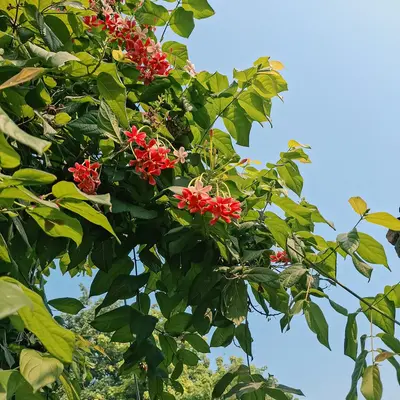
Often called the ultimate superfruit, aronia berries pack more antioxidants than blueberries, goji berries, or acai. These native North American shrubs are incredibly hardy and adaptable, thriving where other berries struggle. While tart when fresh, they transform into delicious jams, juices, and baked goods while providing exceptional nutritional benefits.
Harvest
80-90d
Days to harvest
Sun
Full sun to partial shade
Zones
3–8
USDA hardiness
Height
3-10 feet
Planting Timeline
Showing dates for Aronia Berry (Chokeberry) in USDA Zone 7
All Zone 7 berry →Zone Map
Click a state to update dates
Aronia Berry (Chokeberry) · Zones 3–8
Growing Details
Complete Growing Guide
Light: Full sun (6 or more hours of direct sunlight a day), Partial Shade (Direct sunlight only part of the day, 2-6 hours). Soil: Clay, High Organic Matter, Loam (Silt), Sand, Shallow Rocky. Soil pH: Acid (<6.0), Alkaline (>8.0), Neutral (6.0-8.0). Drainage: Good Drainage, Moist, Occasionally Dry, Occasionally Wet. Height: 3 ft. 0 in. - 10 ft. 0 in.. Spread: 3 ft. 0 in. - 6 ft. 0 in.. Spacing: 3 feet-6 feet. Maintenance: Low. Propagation: Seed. Regions: Mountains, Piedmont.
Harvesting
The fruits are shiny, showy edible blackish-purple pome (though often referred to as a berry) 1/2" across. Fruits display from August to September. The best fruit production occurs in full sun.
Color: Black, Purple/Lavender. Type: Pome. Length: < 1 inch. Width: < 1 inch.
Garden value: Edible, Showy
Harvest time: Fall
Edibility: Fruits are edible but quite astringent, hence the common names, so make into jams or jellies.
Storage & Preservation
Fresh aronia berries store best in shallow containers in the refrigerator at 32–40°F with moderate humidity, lasting about one to two weeks before quality declines. For longer preservation, freezing is ideal—spread berries on a tray to freeze individually, then transfer to freezer bags for up to a year of storage. Canning works well given the berries' natural acidity; process as jam or jelly using standard water bath methods. Drying concentrates the tart, earthy character and produces shelf-stable berries suitable for baking or steeping into tea. Because aronia's astringency intensifies when raw, consider processing the harvest promptly rather than storing fresh fruit long-term. Fermentation is less common but worth experimenting with for creating unique, probiotic juice products that mellow the sharpness over time.
History & Origin
Origin: Eastern North America, NC
Advantages
- +Attracts: Butterflies, Pollinators, Small Mammals, Songbirds
- +Edible: Fruits are edible but quite astringent, hence the common names, so make into jams or jellies.
- +Low maintenance
Companion Plants
Elderberry and Serviceberry are the strongest companions here — all three are native shrubs that tolerate a wide pH range (though 5.5–6.5 is where Aronia actually performs best), attract overlapping pollinator communities, and ripen fruit at staggered times across the season. Wild Bergamot earns its spot by pulling in native bees specifically during Aronia's bloom window, which runs about 2 weeks in mid-spring and goes fast. Native Grasses fill ground-level space without sending deep, competing roots into the same zone Aronia occupies. New Jersey Tea fixes a modest amount of nitrogen — which suits Aronia fine, since a nitrogen-rich soil pushes leafy growth at the expense of fruit.
Black Walnut is the one to plant well away from — it releases juglone through its roots, and NC State Extension documents sensitivity in numerous shrub species; Aronia isn't worth testing against it. Tree of Heaven (Ailanthus altissima) produces its own allelopathic root compounds and spreads aggressively enough that it'll cause problems beyond just the one shrub you planted it next to. Fennel inhibits most neighbors through root exudates and is a poor fit in any mixed perennial planting regardless of what's nearby.
Plant Together
Elderberry
Similar growing conditions and attracts beneficial insects while creating wildlife habitat
Serviceberry
Compatible native shrub with similar soil and water requirements
Wild Bergamot
Native pollinator attractor that supports beneficial insects for aronia flowering
New Jersey Tea
Nitrogen-fixing native shrub that enriches soil and attracts pollinators
Native Grasses
Provide ground cover, prevent erosion, and create beneficial microhabitat
Sumac
Compatible native shrub that attracts birds for natural pest control
Wild Ginger
Shade-tolerant ground cover that retains soil moisture under aronia canopy
Spicebush
Native understory companion with similar moisture needs and wildlife value
Keep Apart
Black Walnut
Produces juglone toxin that inhibits growth of aronia and many other plants
Fennel
Allelopathic properties inhibit growth of nearby plants including berry bushes
Tree of Heaven
Aggressive invasive that outcompetes native plants and produces growth-inhibiting chemicals
Autumn Olive
Invasive shrub that competes aggressively for resources and space
Nutrition Facts
Per 100g serving. % Daily Value based on 2,000 calorie diet. Source: USDA FoodData Central (FDC #167762)
Pests & Disease Resistance
Resistance
Exceptional disease resistance, virtually pest and disease free
Common Pests
Very few pest issues, occasional aphids
Diseases
Rarely affected by diseases
Troubleshooting Aronia Berry (Chokeberry)
What you'll see, why it happens, and what to do about it.
Leaves curling and sticky to the touch, with clusters of small insects on new growth in spring
Likely Causes
- Aphid colonies (likely Aphis spiraecola or similar) — they prefer soft new growth and build up fast in cool spring weather
- Ant activity farming the aphids for honeydew, which protects them from predators
What to Do
- 1.Knock aphids off with a strong spray of water from a hose — do this early in the morning so foliage dries quickly
- 2.If colonies persist after a week, apply insecticidal soap directly to the clusters
- 3.Check for ant trails up the trunk; banding the base with a sticky barrier like Tanglefoot cuts off their protection racket
Little to no fruit set after the plant has been in the ground 2-3 years and flowered normally
Likely Causes
- Insufficient cross-pollination — Aronia melanocarpa is self-fertile but sets heavier crops with a second plant nearby
- Lack of native pollinators due to no flowering companions within 50 feet
What to Do
- 1.Plant a second Aronia within 6 feet — even another cultivar like 'Viking' or 'Nero' works
- 2.Add a native pollinator magnet like Wild Bergamot within the same planting bed to draw bees during the short bloom window (typically 2 weeks in mid-spring)
Small orange or rust-colored pustules on the undersides of leaves, usually appearing mid-summer
Likely Causes
- Cedar-apple rust (Gymnosporangium juniperi-virginianae) or a related Gymnosporangium species — requires a juniper or cedar as an alternate host to complete its life cycle
- Wet spring weather that extended the infection window
What to Do
- 1.Remove any ornamental junipers or eastern red cedars (Juniperus virginiana) within 300 feet if feasible — breaking that alternate host relationship stops the cycle
- 2.Strip and bag infected leaves; don't compost them
- 3.A preventive copper fungicide spray at bud break the following spring reduces infection pressure, though Aronia is rarely hit hard enough to threaten the plant's long-term health
Shrub leafs out slowly or not at all in spring, with stems that scratch dull brown rather than green beneath the bark
Likely Causes
- Winter dieback from planting outside USDA zones 3–8, or from a late transplant that didn't establish roots before hard frost
- Waterlogged roots over winter — Aronia tolerates wet soil but not standing water in frozen ground
What to Do
- 1.Scratch-test several stems at different heights; cut back to live wood and give it until late May before writing it off
- 2.If the crown and roots are still firm and moist, expect new canes from the base — Aronia resproutes readily from the root crown after dieback
- 3.Next time, transplant in May or early June so the root system has a full growing season before its first winter
Frequently Asked Questions
How long do aronia berries take to grow from planting?▼
Are aronia berries good for beginner gardeners?▼
Can you grow aronia berries in containers?▼
What do aronia berries taste like compared to blueberries?▼
When should I plant aronia berry bushes?▼
Do aronia berries need full sun or can they grow in shade?▼
Zone-by-Zone Planting Calendar
Growing Guides from Wind River Greens
Sources & References
External authority sources used in compiling this guide.
- ExtensionNC State Extension
- USDAUSDA FoodData Central
See the Methodology page for how this data is sourced, what's AI-assisted, and known limitations.