Iron Rose Pink
Matthiola incana
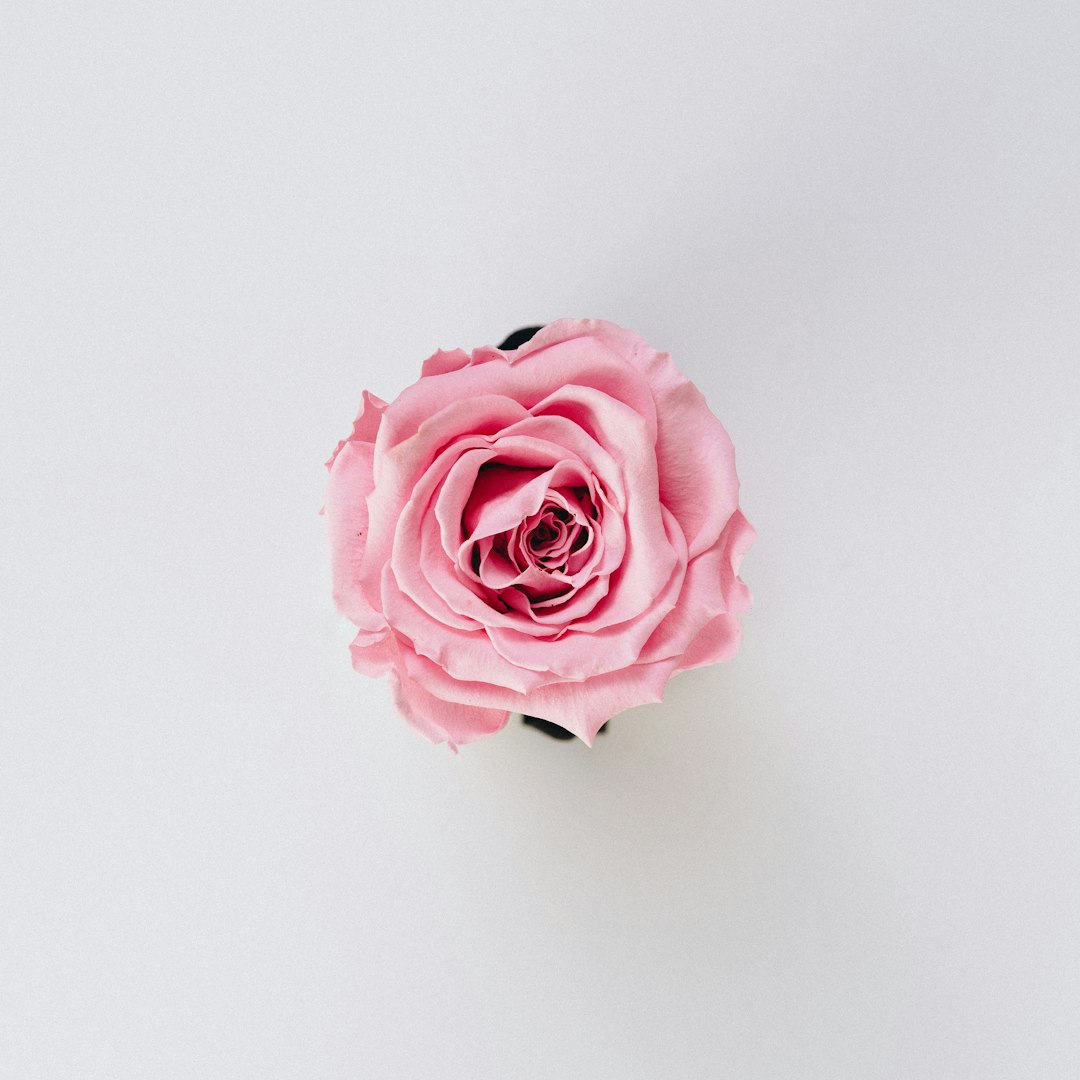
Early single-stem, or column-type stock in a highly uniform series for one-cut harvest. Aptly named for strong, straight, rigid stems. Iron performed well in our spring, early summer, and fall trials. Selectable for doubles and 55% double without selection. Compared to Katz, Iron is slightly later to flower, and has somewhat shorter and thicker stems. Tightly spaced florets on the flower spike make for compact 1 1/2-2", deep rose-pink blooms with a full appearance. NOTE: This variety produces one flowering stem per plant. Pinching is not advisable as it will terminate flowering. Edible Flowers: The peppery, clove-like flavor of the flowers lends itself well to use as a garnish on salads, desserts, and drinks.
Harvest
90-105d
Days to harvest
Sun
Full sun to partial shade
Zones
6–10
USDA hardiness
Height
1-3 feet
Planting Timeline
Showing dates for Iron Rose Pink in USDA Zone 7
All Zone 7 flower →Zone Map
Click a state to update dates
Iron Rose Pink · Zones 6–10
Growing Details
Complete Growing Guide
Early single-stem, or column-type stock in a highly uniform series for one-cut harvest. Aptly named for strong, straight, rigid stems. Iron performed well in our spring, early summer, and fall trials. Selectable for doubles and 55% double without selection. Compared to Katz, Iron is slightly later to flower, and has somewhat shorter and thicker stems. Tightly spaced florets on the flower spike make for compact 1 1/2-2", deep rose-pink blooms with a full appearance. NOTE: This variety produces one flowering stem per plant. Pinching is not advisable as it will terminate flowering. Edible Flowers: The peppery, clove-like flavor of the flowers lends itself well to use as a garnish on salads, desserts, and drinks. According to Johnny's Selected Seeds, Iron Rose Pink is 90 - 105 days to maturity, annual, open pollinated. Notable features: Use for Cut Flowers and Bouquets, Edible Flowers, Fragrant.
Light: Full sun (6 or more hours of direct sunlight a day), Partial Shade (Direct sunlight only part of the day, 2-6 hours). Soil: Clay, High Organic Matter, Loam (Silt), Sand. Soil pH: Alkaline (>8.0), Neutral (6.0-8.0). Drainage: Good Drainage, Moist. Height: 1 ft. 0 in. - 3 ft. 0 in.. Spread: 0 ft. 9 in. - 1 ft. 6 in.. Spacing: Less than 12 inches, 12 inches-3 feet. Growth rate: Rapid. Maintenance: Low. Propagation: Seed. Regions: Coastal, Mountains.
Harvesting
Iron Rose Pink reaches harvest at 90 - 105 days from sowing per Johnny's Selected Seeds. Expect 1 1/2-2" at peak. As an annual, harvest continues until frost ends the season.
Seeds will ripen in August and September.
Harvest time: Fall
Storage & Preservation
Cut stems with blooms should be placed in a clean vase with cool water and kept at room temperature or refrigerated at 35-45°F to extend vase life 7-10 days. Change water every 2-3 days and trim stem ends. For preservation, air-dry by hanging bundles upside-down in a dark, well-ventilated space for 2-3 weeks for dried arrangements. Alternatively, press individual flowers between paper for 1-2 weeks to preserve flat specimens for crafts. For edible flowers, use fresh-cut blooms immediately or store stems in a damp paper towel in the refrigerator for up to 3 days.
History & Origin
Iron Rose Pink is open-pollinated, meaning seed saved from healthy plants will produce true-to-type offspring. Listed in the Johnny's Selected Seeds catalog.
Origin: The Coast of Europe from Spain to Greece.
Advantages
- +Strong, rigid stems ideal for professional cut flower arrangements and shipping
- +Highly uniform single-stem plants ensure consistent quality for one-cut harvesting
- +Tightly spaced florets create full, compact blooms with attractive deep rose-pink color
- +Performs reliably across spring, early summer, and fall growing seasons
- +Edible flowers with peppery, clove-like flavor add culinary versatility
Considerations
- -Produces only one flowering stem per plant, limiting yield potential significantly
- -Later to flower than Katz variety, extending time to marketable product
- -Pinching terminates flowering, eliminating common technique for branching and secondary stems
- -Shorter stems than some competitor varieties may limit design flexibility for tall arrangements
Companion Plants
Lavender and catmint are good neighbors for stock — both tolerate lean, well-drained soil and pull in pollinators without competing hard for water. Tagetes patula (French marigold) earns its spot by deterring aphids, which will find your Matthiola if given an opening. Alyssum fills low gaps and draws parasitic wasps that knock back soft-bodied pests. Keep Iron Rose Pink clear of black walnut entirely — juglone leaching from the roots can stunt or kill it, and large overhead trees add the dense shade and surface root competition that turns this full-sun annual into something floppy and half-hearted.
Plant Together
Lavender
Repels aphids, spider mites, and other pests while attracting beneficial pollinators
Marigolds
Natural pest deterrent against nematodes, aphids, and whiteflies
Garlic
Repels aphids, spider mites, and Japanese beetles that commonly attack roses
Chives
Deters aphids and may help prevent black spot disease on roses
Alyssum
Attracts beneficial insects like hoverflies that prey on rose pests
Catmint
Repels aphids, ants, and rodents while attracting beneficial pollinators
Clematis
Provides vertical interest and shares similar soil and sunlight requirements
Parsley
Attracts beneficial insects and provides ground cover without competing for nutrients
Keep Apart
Black Walnut
Produces juglone toxin that inhibits rose growth and can cause wilting
Large Trees
Compete for nutrients and water while creating excessive shade that roses need
Bittersweet
Aggressive vine that can overwhelm and strangle rose bushes
Troubleshooting Iron Rose Pink
What you'll see, why it happens, and what to do about it.
Gray fuzzy coating on stems and petals, usually during cool wet stretches
Likely Causes
- Botrytis cinerea (gray mold) — thrives below 70°F with poor airflow and overhead watering
- Crowded planting that traps humidity around the stems
What to Do
- 1.Remove and trash (don't compost) any affected stems or blooms immediately
- 2.Water at the base, not overhead, and do it early enough that foliage dries before evening
- 3.Space plants at least 10–12 inches apart to let air move through
Leaves turning yellow from the bottom up, plants look stunted despite regular watering
Likely Causes
- Fusarium wilt (Fusarium oxysporum) — soil-borne, more common in beds that have grown brassicas repeatedly
- Waterlogged soil from poor drainage, which stresses roots and invites rot pathogens
What to Do
- 1.Pull affected plants; there's no chemical fix once Fusarium is established in the stem tissue
- 2.Improve drainage before the next planting — work in compost or coarse grit if your soil is heavy clay
- 3.Rotate out of the bed for at least 2 seasons, since Matthiola is a brassica relative and shares susceptibility to the same soil-borne strains
Flower buds forming but the whole planting produces only single-flowered (non-double) blooms
Likely Causes
- Skipped cold treatment — Matthiola incana needs a cool period around 45–55°F for 7–10 days post-germination to trigger double-flower development
- No seedling selection: doubles tend to show slightly paler, more yellow-green cotyledons compared to singles at the 2-leaf stage
What to Do
- 1.After germination, move trays to a cool spot (45–55°F) for 7–10 days before growing on at normal indoor temps
- 2.At the 4-leaf stage, cull the darkest-green seedlings — growers selecting for cut-flower production routinely discard those as likely singles
- 3.Source seed from a supplier that specifies high double-flower percentage; seed bred for the commercial cut-flower trade is your best bet
Frequently Asked Questions
How long does Iron Rose Pink take to flower?▼
Is Iron Rose Pink good for beginners?▼
Can you grow Iron Rose Pink in containers?▼
What do the flowers taste like and how are they used?▼
How should I space Iron Rose Pink plants?▼
Why should I avoid pinching Iron Rose Pink?▼
Zone-by-Zone Planting Calendar
| Zone | Indoor Start | Transplant | Direct Sow | Harvest |
|---|---|---|---|---|
| Zone 3 | April – May | June – July | June – August | — |
| Zone 4 | March – April | June – June | June – July | — |
| Zone 5 | March – April | May – June | May – July | — |
| Zone 6 | March – April | May – June | May – July | — |
| Zone 7 | February – March | April – May | April – June | — |
| Zone 8 | February – March | April – May | April – June | — |
| Zone 9 | January – February | March – April | March – May | — |
| Zone 10 | January – January | February – March | February – April | — |
| Zone 1 | May – June | July – August | July – September | — |
| Zone 2 | April – May | June – July | June – August | — |
| Zone 11 | January – January | January – February | January – March | — |
| Zone 12 | January – January | January – February | January – March | — |
| Zone 13 | January – January | January – February | January – March | — |
Growing Guides from Wind River Greens
Sources & References
External authority sources used in compiling this guide.
- BreederJohnny's Selected Seeds
See the Methodology page for how this data is sourced, what's AI-assisted, and known limitations.