Cuban Oregano
Plectranthus amboinicus
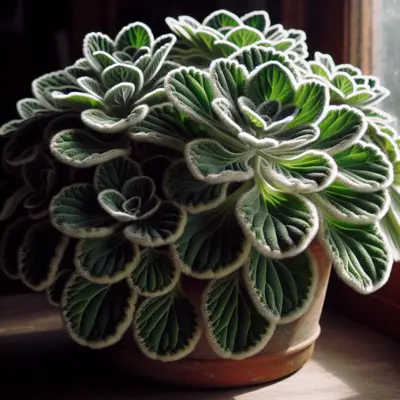
Despite its name, this isn't a true oregano but a succulent herb with thick, fuzzy leaves that pack an intense oregano-thyme flavor punch. Popular in Caribbean, Mexican, and Indian cuisines, this heat-loving perennial is perfect for hot climates where traditional oregano struggles. Its robust flavor means a little goes a long way, and it's incredibly easy to propagate from cuttings.
Harvest
60-90d
Days to harvest
Sun
Full sun to partial shade
Zones
9–11
USDA hardiness
Height
12-18 inches
Planting Timeline
Showing dates for Cuban Oregano in USDA Zone 11
All Zone 11 herb →Zone Map
Click a state to update dates
Cuban Oregano · Zones 9–11
Growing Details
Complete Growing Guide
Light: Full sun (6 or more hours of direct sunlight a day), Partial Shade (Direct sunlight only part of the day, 2-6 hours). Soil: Loam (Silt), Sand, Shallow Rocky. Soil pH: Neutral (6.0-8.0). Drainage: Good Drainage. Height: 1 ft. 0 in. - 1 ft. 6 in.. Spread: 1 ft. 0 in. - 2 ft. 0 in.. Spacing: 3 feet-6 feet. Growth rate: Rapid. Maintenance: Medium. Propagation: Division, Stem Cutting.
Harvesting
Edibility: The leaves are edible.
Storage & Preservation
Fresh Cuban oregano leaves keep best at room temperature for 3-5 days, stored stem-down in a glass of water like cut flowers. Avoid refrigerating fresh leaves as cold temperatures damage the succulent tissue and diminish flavor.
For longer storage, dry Cuban oregano by hanging small bundles in a warm, well-ventilated area away from direct sunlight. Properly dried leaves retain potent flavor for up to one year when stored in airtight containers.
Freezing works excellently—wash leaves, pat dry, and freeze whole in ice cube trays with olive oil for convenient cooking portions. The succulent nature means frozen leaves become mushy when thawed, but they're perfect for cooked dishes.
Dehydrate leaves at 95°F for 8-12 hours in a food dehydrator for the most concentrated flavor. Alternatively, make herb-infused vinegars or oils using fresh leaves—the intense flavor transfers beautifully to liquids.
History & Origin
Origin: Africa, Arabian Peninsula, India
Advantages
- +Attracts: Bees
- +Edible: The leaves are edible.
- +Fast-growing
Companion Plants
Tomatoes and peppers are the most practical companions here — Cuban oregano's strongly aromatic foliage is thought to confuse or deter some pest insects, and NC State Extension notes that interplanting different plant families breaks up expanses of pest-preferred crops and slows how fast damage spreads. Marigolds (Tagetes spp.) add another layer of that same effect without competing for space. Rosemary is a natural fit too: both plants want low water and 4–6+ hours of sun, so they won't be fighting over moisture or shading each other out.
Mint is a problem not because of chemistry but mechanics — it spreads aggressively via underground runners and will muscle into root space before you catch it. Black walnut (Juglans nigra) produces juglone, a root-exuded compound that's allelopathic to a wide range of herbs and vegetables. Cucumber makes the list because cucumber beetles overwinter close to their host plants, and a fragrant herb bed planted right alongside cucumbers can end up drawing more pest pressure toward that area, not less.
Plant Together
Tomatoes
Cuban oregano repels tomato hornworms and other pests while improving tomato flavor
Peppers
Strong scent deters aphids, spider mites, and other pests that commonly attack peppers
Basil
Both herbs have similar growing requirements and together create a powerful pest-repelling barrier
Rosemary
Complementary aromatic herbs that deter cabbage moths, carrot flies, and bean beetles
Marigolds
Both repel nematodes and whiteflies, creating synergistic pest control
Lettuce
Cuban oregano provides natural shade and pest protection for cool-season greens
Beans
Oregano repels bean beetles and Mexican bean beetles while beans fix nitrogen
Carrots
Cuban oregano deters carrot rust flies and improves soil aeration around carrot roots
Keep Apart
Black Walnut
Produces juglone toxin that inhibits growth and can kill Cuban oregano plants
Mint
Both are aggressive spreaders that compete heavily for space and nutrients
Cucumber
Cuban oregano's strong oils can inhibit cucumber growth and reduce fruit production
Nutrition Facts
Per 100g serving. % Daily Value based on 2,000 calorie diet. Source: USDA FoodData Central (FDC #171328)
Pests & Disease Resistance
Resistance
Excellent disease resistance due to succulent nature
Common Pests
Scale insects, mealybugs, spider mites indoors
Diseases
Root rot in waterlogged conditions, otherwise very hardy
Troubleshooting Cuban Oregano
What you'll see, why it happens, and what to do about it.
Stems and leaf undersides coated in white cottony masses, leaves yellowing and sticky
Likely Causes
- Mealybugs (Pseudococcidae family) — common on Cuban oregano, especially in warm, crowded conditions or when brought indoors
- Overcrowding that reduces airflow, giving soft-bodied insects a protected microclimate
What to Do
- 1.Dab individual colonies with a cotton swab dipped in 70% isopropyl alcohol
- 2.Spray the whole plant with insecticidal soap solution — repeat every 5-7 days for 3 weeks
- 3.Space plants at least 12 inches apart; NC State Extension notes that overcrowding decreases air movement and creates ideal conditions for pest buildup
Stems turning brown and mushy at the base, lower leaves wilting even when soil is wet
Likely Causes
- Root rot — most often Pythium or Phytophthora species triggered by waterlogged soil
- Planting in heavy clay or a container without drainage holes
What to Do
- 1.Pull the plant and check the roots — brown, slimy roots confirm rot; trim back to white healthy tissue with clean shears
- 2.Repot or replant into well-draining soil amended with perlite or coarse sand; Cuban oregano wants dry-to-moderate moisture, not consistently wet feet
- 3.Water only when the top 2 inches of soil are dry; this plant tolerates underwatering far better than overwatering
Fine webbing on leaf undersides, leaves developing pale stippling and eventually going bronze or papery
Likely Causes
- Spider mites (Tetranychus urticae) — most common when plants are kept indoors or in hot, dry conditions above 85°F with low humidity
- Dusty leaves that haven't been rinsed in a while, which lets mite populations establish unnoticed
What to Do
- 1.Blast the plant with a strong stream of water, focusing on leaf undersides, to knock mite populations down immediately
- 2.Apply neem oil or insecticidal soap every 5 days for at least 3 applications — mite eggs aren't killed in a single treatment
- 3.If the plant is indoors, move it somewhere with more humidity (50%+) and better air circulation; dry stagnant air is what mites prefer
Frequently Asked Questions
Can you grow Cuban oregano in pots?▼
Is Cuban oregano the same as regular oregano?▼
How do you propagate Cuban oregano from cuttings?▼
What does Cuban oregano taste like?▼
When should I harvest Cuban oregano leaves?▼
Can Cuban oregano survive winter indoors?▼
Zone-by-Zone Planting Calendar
Growing Guides from Wind River Greens
Sources & References
External authority sources used in compiling this guide.
- ExtensionNC State Extension
- USDAUSDA FoodData Central
See the Methodology page for how this data is sourced, what's AI-assisted, and known limitations.