Katz Cherry Blossom
Matthiola incana
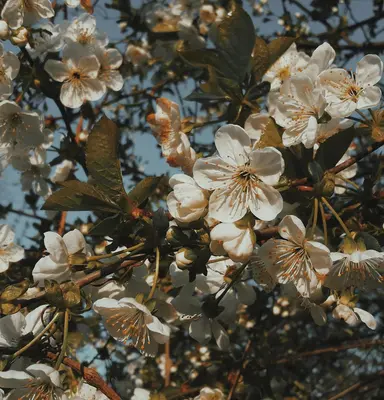
Long stems with 1 1/2-2", pale pink blooms. Early blooming one-cut series. Performed well in our spring, early summer, and fall trials. Good uniformity in bloom time and stem length. 55-60% double-flowering without selection; some selection possible. NOTE: This variety produces one flowering stem per plant. Pinching is not advisable as it will terminate flowering. Edible Flowers: The peppery, clove-like flavor of the flowers lends itself well to use as a garnish on salads, desserts, and drinks.
Harvest
90-100d
Days to harvest
Sun
Full sun to partial shade
Zones
6–10
USDA hardiness
Height
1-3 feet
Planting Timeline
Showing dates for Katz Cherry Blossom in USDA Zone 7
All Zone 7 flower →Zone Map
Click a state to update dates
Katz Cherry Blossom · Zones 6–10
Growing Details
Succession Planting
Stock doesn't hold well in heat — once daytime temps consistently break 80°F, Matthiola incana bolts, flower quality drops fast, and the whole thing winds down. In zone 7, direct sow every 3 weeks from April 1 through mid-May, then stop. A second round is possible starting in late August for fall bloom, transplanting out in September when temps are back below 75°F. Don't push into June sowings hoping for summer flowers; you'll get leggy plants and no real payoff.
Complete Growing Guide
Long stems with 1 1/2-2", pale pink blooms. Early blooming one-cut series. Performed well in our spring, early summer, and fall trials. Good uniformity in bloom time and stem length. 55-60% double-flowering without selection; some selection possible. NOTE: This variety produces one flowering stem per plant. Pinching is not advisable as it will terminate flowering. Edible Flowers: The peppery, clove-like flavor of the flowers lends itself well to use as a garnish on salads, desserts, and drinks. According to Johnny's Selected Seeds, Katz Cherry Blossom is 90 - 100 days to maturity, annual, open pollinated. Notable features: Use for Cut Flowers and Bouquets, Edible Flowers, Fragrant.
Light: Full sun (6 or more hours of direct sunlight a day), Partial Shade (Direct sunlight only part of the day, 2-6 hours). Soil: Clay, High Organic Matter, Loam (Silt), Sand. Soil pH: Alkaline (>8.0), Neutral (6.0-8.0). Drainage: Good Drainage, Moist. Height: 1 ft. 0 in. - 3 ft. 0 in.. Spread: 0 ft. 9 in. - 1 ft. 6 in.. Spacing: Less than 12 inches, 12 inches-3 feet. Growth rate: Rapid. Maintenance: Low. Propagation: Seed. Regions: Coastal, Mountains.
Harvesting
Katz Cherry Blossom reaches harvest at 90 - 100 days from sowing per Johnny's Selected Seeds. Expect 1 1/2-2" at peak. As an annual, harvest continues until frost ends the season.
Seeds will ripen in August and September.
Harvest time: Fall
Storage & Preservation
For fresh cherry blossoms, store stems in a vase with cool water at 65-70°F in a cool location away from direct sun; stems last 5-7 days when kept consistently hydrated. Refrigeration at 35-40°F with high humidity (90%+) extends vase life to 10-14 days. For preservation, air-dry individual blooms on parchment paper in a dark, well-ventilated space for 2-3 weeks to create dried flowers for arrangements. Alternatively, freeze blooms in ice cube trays with water for garnishing drinks throughout the season. Crystallize petals with egg white and superfine sugar for long-lasting edible decorations stored in airtight containers for several months.
History & Origin
Katz Cherry Blossom is open-pollinated, meaning seed saved from healthy plants will produce true-to-type offspring. Listed in the Johnny's Selected Seeds catalog.
Origin: The Coast of Europe from Spain to Greece.
Advantages
- +Early blooming one-cut series ideal for spring and fall market windows
- +Excellent uniformity in bloom time and stem length reduces sorting labor
- +Pale pink 1.5-2" blooms on long stems command premium wholesale prices
- +Edible peppery-clove flowers add culinary value and unique market appeal
- +Easy to grow variety requires minimal expertise or special techniques
Considerations
- -Single flowering stem per plant limits yield compared to pinching varieties
- -Cannot be pinched to increase stems without completely terminating flower production
- -Only 55-60% naturally double-flowering without labor-intensive selection process
- -Requires 90-100 days to maturity, tying up greenhouse space longer
Companion Plants
Lavender and catmint are practical neighbors for stock — both handle similar water and sun, and their volatile oils appear to disorient aphids, which are a genuine problem for Matthiola incana given its susceptibility to Turnip mosaic virus. Marigolds (Tagetes species) earn a spot for deterring thrips and for the visual contrast their orange and yellow heads make against stock's pastel spikes. Sweet alyssum planted at the base pulls in parasitic wasps that keep caterpillar pressure down. Skip mint entirely — it spreads by runner and will swallow stock's 12–18 inch spacing before you notice. Eucalyptus releases allelopathic compounds that suppress germination outright, so keep it well clear of the bed.
Plant Together
Lavender
Attracts pollinators and repels aphids while providing complementary fragrance
Marigold
Deters nematodes and aphids while adding bright color contrast
Chives
Repels aphids and other soft-bodied insects that damage cherry blossoms
Nasturtium
Acts as trap crop for aphids and cucumber beetles while attracting beneficial insects
Comfrey
Deep roots bring nutrients to surface and provides living mulch
Bee Balm
Attracts pollinators and beneficial insects while deterring ants
Catmint
Repels aphids, ants, and rodents while attracting pollinators
Sweet Alyssum
Attracts beneficial insects and provides ground cover to retain soil moisture
Keep Apart
Black Walnut
Produces juglone which is toxic to cherry trees and inhibits growth
Eucalyptus
Allelopathic compounds suppress growth of nearby flowering plants
Mint
Aggressive spreading can overwhelm cherry blossom roots and compete for nutrients
Troubleshooting Katz Cherry Blossom
What you'll see, why it happens, and what to do about it.
Seedlings collapse at soil level, stems look pinched or water-soaked just below the surface
Likely Causes
- Damping off — typically Pythium or Rhizoctonia species, both thrive in cold, wet, poorly drained seed-starting mix
- Overwatering before seedlings have developed any real root system
What to Do
- 1.Toss the affected tray — there's no saving collapsed seedlings; start fresh with sterile seed-starting mix
- 2.Water from the bottom only, and let the top half-inch of mix dry out between waterings
- 3.Run a small fan for 30–60 minutes a day to improve air circulation around seedlings
Leaves develop gray, fuzzy patches — usually starting on older leaves or in dense parts of the canopy
Likely Causes
- Botrytis cinerea (gray mold) — kicks in fast when humidity stays high and airflow is poor
- Plants crowded closer than the recommended 12 inches apart
What to Do
- 1.Remove and bag affected leaves and stems immediately; don't compost them
- 2.Thin or space plants to at least 12 inches so air can move through
- 3.Water at the base in the morning so foliage dries before nightfall
Leaves show irregular yellow or pale green mosaic patterning, sometimes with leaf curl or distortion
Likely Causes
- Turnip mosaic virus (TuMV) — common in brassica-family plants including stock (Matthiola incana), spread by aphids
- Aphid colonies acting as the vector, often overlooked until damage is visible
What to Do
- 1.Check the undersides of leaves for aphid colonies and knock them off with a firm spray of water
- 2.Apply insecticidal soap every 5–7 days until aphid pressure drops
- 3.Pull and dispose of any plant showing severe mosaic — it won't recover and stays a reservoir for the virus
Plant produces healthy foliage but few or no flower spikes by day 95–100
Likely Causes
- Insufficient cold exposure — Matthiola incana needs vernalization (a sustained period around 40–50°F) to trigger flowering
- Transplanting too late in spring, missing the cool window before summer heat sets in
- Too much shade — less than 4 hours of direct sun significantly delays bloom
What to Do
- 1.Start seeds indoors in February–March so young plants experience cool spring temps before heat arrives
- 2.If growing in a warm climate, refrigerate seedlings at 40°F for 4–6 weeks before transplanting out
- 3.Move containers to a spot with at least 4–6 hours of direct sun if bloom is stalling
Frequently Asked Questions
How long do Katz Cherry Blossom flowers last after cutting?▼
Is Katz Cherry Blossom good for beginner flower growers?▼
Can you grow Katz Cherry Blossom in containers?▼
What does Katz Cherry Blossom taste like and how is it used?▼
When should I plant Katz Cherry Blossom seeds?▼
Do Katz Cherry Blossoms require pinching or pruning?▼
Zone-by-Zone Planting Calendar
| Zone | Indoor Start | Transplant | Direct Sow | Harvest |
|---|---|---|---|---|
| Zone 1 | May – June | July – August | July – September | — |
| Zone 2 | April – May | June – July | June – August | — |
| Zone 11 | January – January | January – February | January – March | — |
| Zone 12 | January – January | January – February | January – March | — |
| Zone 13 | January – January | January – February | January – March | — |
| Zone 3 | April – May | June – July | June – August | — |
| Zone 4 | March – April | June – June | June – July | — |
| Zone 5 | March – April | May – June | May – July | — |
| Zone 6 | March – April | May – June | May – July | — |
| Zone 7 | February – March | April – May | April – June | — |
| Zone 8 | February – March | April – May | April – June | — |
| Zone 9 | January – February | March – April | March – May | — |
| Zone 10 | January – January | February – March | February – April | — |
Growing Guides from Wind River Greens
Sources & References
External authority sources used in compiling this guide.
- BreederJohnny's Selected Seeds
See the Methodology page for how this data is sourced, what's AI-assisted, and known limitations.