Vintage Brown
Matthiola incana
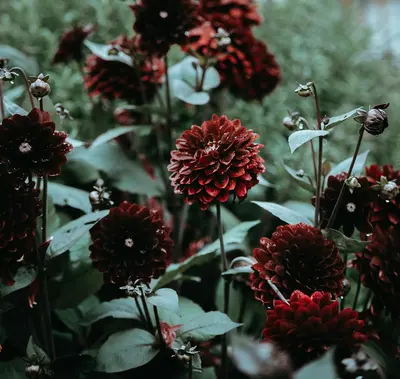
Tightly spaced florets on thick, strong, straight stems. Single-stem/column-type stock for one-cut harvest. Vintage Brown is not brown but rose-taupe in color. This variety (updated in 2023) is the newest version of Vintage Brown and has a slightly warmer color palette and a touch of light gold at the flower center, as opposed to the original Vintage Brown, which was fully rose in color.Produces about 55% double-flowering plants. Overall, very similar to the Iron series in performance. NOTE: This variety produces one flowering stem per plant. Pinching is not advisable as it will terminate flowering. Edible Flowers: The peppery, clove-like flavor of the flowers lends itself well to use as a garnish on salads, desserts, and drinks.
Harvest
90-105d
Days to harvest
Sun
Full sun to partial shade
Zones
6–10
USDA hardiness
Height
1-3 feet
Planting Timeline
Showing dates for Vintage Brown in USDA Zone 7
All Zone 7 flower →Zone Map
Click a state to update dates
Vintage Brown · Zones 6–10
Growing Details
Succession Planting
Stock (Matthiola incana) keeps producing on its central spike and side branches after the first cut, so it's not a strict one-and-done crop — but heat above 80°F shuts down flower production fast, and individual plants do fade after the main flush. For a steady supply of cuts, sow indoors every 3 weeks from February through early March in zone 7, then transplant out in April to May once nights hold above 40°F. A late-May direct sow is possible but pushes the bloom window deep into summer heat, which usually means poor results.
For a fall flush, start seeds indoors in late July and move them out in late August to early September. Stock handles light frost down to around 28°F once established, so fall plantings often carry through the first cold snaps and bloom into November.
Complete Growing Guide
Tightly spaced florets on thick, strong, straight stems. Single-stem/column-type stock for one-cut harvest. Vintage Brown is not brown but rose-taupe in color. This variety (updated in 2023) is the newest version of Vintage Brown and has a slightly warmer color palette and a touch of light gold at the flower center, as opposed to the original Vintage Brown, which was fully rose in color.Produces about 55% double-flowering plants. Overall, very similar to the Iron series in performance. NOTE: This variety produces one flowering stem per plant. Pinching is not advisable as it will terminate flowering. Edible Flowers: The peppery, clove-like flavor of the flowers lends itself well to use as a garnish on salads, desserts, and drinks. According to Johnny's Selected Seeds, Vintage Brown is 90 - 105 days to maturity, annual, open pollinated. Notable features: Use for Cut Flowers and Bouquets, Edible Flowers, Fragrant.
Light: Full sun (6 or more hours of direct sunlight a day), Partial Shade (Direct sunlight only part of the day, 2-6 hours). Soil: Clay, High Organic Matter, Loam (Silt), Sand. Soil pH: Alkaline (>8.0), Neutral (6.0-8.0). Drainage: Good Drainage, Moist. Height: 1 ft. 0 in. - 3 ft. 0 in.. Spread: 0 ft. 9 in. - 1 ft. 6 in.. Spacing: Less than 12 inches, 12 inches-3 feet. Growth rate: Rapid. Maintenance: Low. Propagation: Seed. Regions: Coastal, Mountains.
Harvesting
Vintage Brown reaches harvest at 90 - 105 days from sowing per Johnny's Selected Seeds. As an annual, harvest continues until frost ends the season.
Seeds will ripen in August and September.
Harvest time: Fall
Storage & Preservation
Store fresh-cut Vintage Brown stems in a cool location (50-65°F) in a vase with fresh, clean water. Keep out of direct sunlight and away from ripening fruit. Flowers typically last 7-10 days as cut flowers with proper water changes every 2-3 days. For preservation, try air-drying bunches upside-down in a dark, well-ventilated space for 2-3 weeks to create long-lasting dried arrangements. Alternatively, press individual florets between parchment paper under heavy books for 2-4 weeks for botanical crafts. Edible flowers can be crystallized with egg white and sugar for 3-5 days of drying, lasting several months in an airtight container.
History & Origin
Vintage Brown is open-pollinated, meaning seed saved from healthy plants will produce true-to-type offspring. Listed in the Johnny's Selected Seeds catalog.
Origin: The Coast of Europe from Spain to Greece.
Advantages
- +Tightly spaced florets create full, visually striking flower stems
- +Strong, straight stems require minimal staking or support
- +Updated 2023 version offers warmer, more appealing rose-taupe coloring
- +About 55% double flowers provide luxurious, full blooms
- +Peppery, clove-like flowers serve multiple culinary and garnish uses
Considerations
- -Single stem per plant means no pinching allowed for branching
- -One-cut harvest limits total yield compared to branching varieties
- -Rose-taupe color may clash with warmer or cooler color schemes
- -90-105 days to flower requires longer growing season commitment
Companion Plants
Marigolds (Tagetes spp.) and nasturtiums are the most practical neighbors for stock. Marigolds release thiophenes from their roots, which suppress root-knot nematodes in beds that have seen heavy vegetable traffic — not a trivial benefit over a 90-105 day grow-out. Nasturtiums act as a trap crop for aphids, drawing them off the stock's tender flower stems before you even notice a problem. Sweet alyssum at the bed edges pulls in Braconidae parasitic wasps, which cut caterpillar pressure without any spraying on your part. Catmint and lavender hold their own here too — their volatile oils seem to disorient thrips and aphids scouting for a place to land.
The plants to keep away have real mechanisms behind the warning. Black walnut produces juglone, a root-suppressing compound that leaches into soil and stalls development in a wide range of plants — Matthiola included. Eucalyptus does comparable damage through allelopathic compounds that accumulate in its leaf litter over time. Sunflowers are a simpler problem: they're aggressive feeders with dense, shallow roots that quietly out-compete slower-maturing plants for water and nutrients across a full season.
Plant Together
Marigolds
Repel aphids, whiteflies, and nematodes while attracting beneficial insects
Nasturtiums
Act as trap crops for aphids and cucumber beetles, attract predatory insects
Sweet Alyssum
Attracts beneficial wasps and hoverflies that control pest populations
Lavender
Repels moths, fleas, and mosquitoes while attracting pollinators
Zinnia
Attracts butterflies and beneficial insects, provides complementary colors
Catmint
Deters ants, aphids, and rodents while attracting beneficial pollinators
Cosmos
Attracts beneficial insects and provides structural support in mixed plantings
Chives
Repel aphids and Japanese beetles with their strong sulfur compounds
Keep Apart
Black Walnut
Releases juglone toxin that inhibits growth and can kill sensitive flowering plants
Eucalyptus
Produces allelopathic compounds that suppress growth of nearby plants
Sunflowers
Release allelopathic chemicals and compete aggressively for nutrients and water
Troubleshooting Vintage Brown
What you'll see, why it happens, and what to do about it.
Seedlings collapse at soil level, stems pinched or rotted off near the base
Likely Causes
- Damping off (Pythium or Rhizoctonia spp.) — fungal pathogens that thrive in cold, wet, poorly drained seedling mix
- Overwatering combined with low airflow around trays
What to Do
- 1.Toss the affected seedlings — there's no saving them once they fall over
- 2.Bottom-water remaining seedlings instead of wetting the surface, and run a small fan nearby for 30-60 minutes a day
- 3.Next sowing, use a sterile seed-starting mix and don't reuse last year's trays without sanitizing them with a 10% bleach solution
Lower leaves developing gray-white powdery coating, spreading upward as the season warms past 75°F
Likely Causes
- Powdery mildew (Erysiphe cruciferarum) — a fungal pathogen that spreads via airborne spores and hits hardest when days are warm and nights are cool
- Crowded spacing that traps humidity between plants
What to Do
- 1.Remove and bin the worst-affected leaves — don't compost them
- 2.Spray foliage with a diluted potassium bicarbonate solution (1 tablespoon per gallon of water) every 7-10 days
- 3.Space plants at least 12 inches apart at transplant so air can move through freely
Frequently Asked Questions
How long do Vintage Brown cut flowers last in a vase?▼
Is Vintage Brown stock a good flower for beginners?▼
Can you grow Vintage Brown stock in containers?▼
What does Vintage Brown taste like and how is it used in cooking?▼
When should I plant Vintage Brown stock seeds?▼
Why is Vintage Brown not actually brown in color?▼
Zone-by-Zone Planting Calendar
| Zone | Indoor Start | Transplant | Direct Sow | Harvest |
|---|---|---|---|---|
| Zone 3 | April – May | June – July | June – August | — |
| Zone 4 | March – April | June – June | June – July | — |
| Zone 5 | March – April | May – June | May – July | — |
| Zone 6 | March – April | May – June | May – July | — |
| Zone 7 | February – March | April – May | April – June | — |
| Zone 8 | February – March | April – May | April – June | — |
| Zone 9 | January – February | March – April | March – May | — |
| Zone 10 | January – January | February – March | February – April | — |
| Zone 1 | May – June | July – August | July – September | — |
| Zone 2 | April – May | June – July | June – August | — |
| Zone 11 | January – January | January – February | January – March | — |
| Zone 12 | January – January | January – February | January – March | — |
| Zone 13 | January – January | January – February | January – March | — |
Growing Guides from Wind River Greens
Sources & References
External authority sources used in compiling this guide.
- BreederJohnny's Selected Seeds
See the Methodology page for how this data is sourced, what's AI-assisted, and known limitations.