Aeonium 'Sunburst'
Aeonium arboreum 'Sunburst'
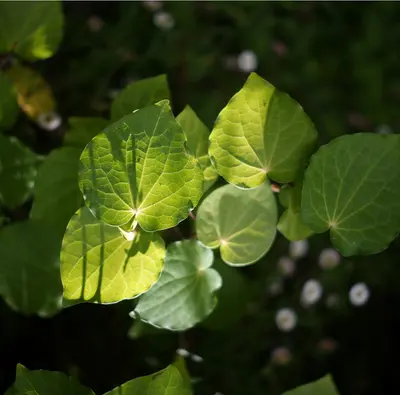
A show-stopping tree succulent with dramatic yellow-edged leaves that form large, flat rosettes on branching stems. Also known as the Copper Pinwheel, this architectural beauty can grow several feet tall and creates an instant focal point in any garden. The variegated foliage intensifies to brilliant cream and pink edges in cooler weather, making it a year-round stunner.
Sun
Full sun to partial shade
Zones
9–11
USDA hardiness
Height
0-5 feet
Complete Growing Guide
Light: Full sun (6 or more hours of direct sunlight a day), Partial Shade (Direct sunlight only part of the day, 2-6 hours). Soil: Loam (Silt), Sand. Soil pH: Acid (<6.0), Neutral (6.0-8.0). Drainage: Good Drainage, Occasionally Dry, Very Dry. Height: 0 ft. 3 in. - 5 ft. 0 in.. Spread: 0 ft. 6 in. - 5 ft. 0 in.. Spacing: Less than 12 inches, 12 inches-3 feet, 3 feet-6 feet. Growth rate: Slow. Maintenance: Low. Propagation: Division, Leaf Cutting, Seed, Stem Cutting.
Harvesting
Bloom time: Spring, Winter
Storage & Preservation
Aeonium 'Sunburst' requires no post-harvest storage or preservation—it's a living ornamental plant, not an edible crop. However, if you're overwintering cuttings or rooted offsets before spring planting, store them in a cool, dry location (50-60°F) with minimal light and no watering. This dormant storage can extend 2-3 months without harm.
For long-term cultivation, the "preservation" method is simply proper winter protection. In zones below 10, bring potted plants indoors before frost (late September to November, depending on location). Place them in the brightest available window—a south-facing sill is ideal. Water only once monthly during indoor dormancy. When nighttime temperatures reliably stay above 50°F in spring, acclimate plants gradually to outdoor conditions over 1-2 weeks before relocating outdoors.
In-ground plantings in zones 9-10 can remain outdoors year-round with mulch protection and a rain cover during extended wet spells. The plant's worst enemy is wet soil in cold weather, not the cold itself.
History & Origin
Origin: Macaronesia, SW Morocco, NE & East Africa and to SW Arabia
Advantages
- +Attracts: Bees
- +Low maintenance
Companion Plants
Aeonium 'Sunburst' does best alongside plants that share its low-water, well-drained lifestyle. Sedum, Echeveria, Hens and Chicks (Sempervivum), and Jade Plant (Crassula ovata) are natural fits — they all tolerate the same gritty soil mix, need water on roughly the same schedule, and won't fight for root space at the 18–24 inch spacing Aeonium needs. Lavender and Rosemary can work in the ground in zones 9–11, where their deep taproots stay well below the shallower succulent roots, and their silver-gray foliage holds up against the cream-and-green variegation of 'Sunburst' without either plant stealing the show.
Impatiens, Hostas, Ferns, and Begonias all want consistently moist soil and significant shade. If you're watering enough to keep a fern from crisping, you're on a fast track to root rot with your Aeonium. The cultural requirements are simply incompatible — pick a bed for one or the other, not both.
Plant Together
Sedum varieties
Similar water and light requirements, complementary textures and colors
Echeveria
Matching drought tolerance and creates attractive succulent combinations
Jade Plant (Crassula ovata)
Compatible watering schedule and provides structural contrast
Hens and Chicks (Sempervivum)
Similar care needs and creates textural interest as groundcover
Aloe vera
Shared preference for well-draining soil and infrequent watering
String of Pearls (Senecio rowleyanus)
Complementary trailing habit and identical watering requirements
Lavender
Thrives in similar dry conditions and attracts beneficial pollinators
Rosemary
Drought-tolerant Mediterranean herb with similar soil preferences
Keep Apart
Impatiens
Requires frequent watering which can cause root rot in succulents
Hostas
Needs consistent moisture and shade, opposite of Aeonium requirements
Ferns
Requires high humidity and frequent watering that promotes succulent fungal diseases
Begonias
High water needs conflict with succulent's drought tolerance
Pests & Disease Resistance
Resistance
Good resistance when grown in appropriate conditions
Common Pests
Aphids, mealybugs, scale insects
Diseases
Black rot, root rot from overwatering or poor drainage
Troubleshooting Aeonium 'Sunburst'
What you'll see, why it happens, and what to do about it.
White cottony clusters in leaf axils or at the base of the rosette
Likely Causes
- Mealybugs (Pseudococcidae) — they hide deep in the rosette where moisture collects
- Overcrowded planting that reduces airflow and makes inspection harder
What to Do
- 1.Dab individual mealybugs with a cotton swab soaked in 70% isopropyl alcohol — get into the crevices
- 2.Follow up with a spray of diluted neem oil (2 tsp per quart of water) weekly for 3 weeks
- 3.If the infestation is heavy, remove and discard the worst rosettes before they spread to neighboring plants
Mushy, dark brown or black stem at the base, rosette pulls away from the stem easily
Likely Causes
- Black rot (Erwinia carotovora or related bacterial pathogen) — almost always triggered by overwatering or water sitting in the crown
- Poor drainage in heavy clay or compacted soil
What to Do
- 1.Cut the stem well above the rotted tissue with a clean blade; if the cut surface is still discolored, keep cutting until you see clean white or green tissue
- 2.Let the cutting callous on a dry surface for 3–5 days before replanting in fresh, well-draining grit mix
- 3.Hold off watering the new cutting for at least 10 days after planting
Leaf tips browning and curling inward during summer, plant looks flattened or dull
Likely Causes
- Normal summer dormancy — Aeonium 'Sunburst' closes up when temperatures consistently exceed 80°F
- Sunburn from direct afternoon exposure during peak summer heat
What to Do
- 1.Cut watering to once a month or less while the plant is dormant — it genuinely doesn't need more
- 2.Move container plants to a spot with morning sun only (3–4 hours) and shade after noon
- 3.Skip fertilizer entirely until fall, when you'll see the rosette start to open back up
Sticky residue on leaves, yellowing at the tips, with tiny green or black insects clustered on new growth
Likely Causes
- Aphids (Aphididae) — they target soft new growth, especially in spring when the plant is actively pushing
- Ant activity nearby, which often signals a protected aphid colony underneath
What to Do
- 1.Knock aphids off with a firm stream of water, then follow with insecticidal soap spray (1 tbsp per quart of water) — repeat every 5–7 days
- 2.Check for ant trails leading up the stem; if ants are ferrying aphids around, put a sticky barrier around the pot base
- 3.Ease up on high-nitrogen fertilizer in spring — the lush, sappy growth it produces is exactly what aphids are after
Frequently Asked Questions
Can Aeonium 'Sunburst' be grown indoors?▼
How often should I water Aeonium 'Sunburst'?▼
What's the difference between Aeonium 'Sunburst' and Aeonium 'Kiwi'?▼
How do I propagate Aeonium 'Sunburst'?▼
Is Aeonium 'Sunburst' cold-hardy?▼
Why is my Aeonium 'Sunburst' turning green and losing variegation?▼
Growing Guides from Wind River Greens
Sources & References
External authority sources used in compiling this guide.
- ExtensionNC State Extension
See the Methodology page for how this data is sourced, what's AI-assisted, and known limitations.