Thornless Cockspur Hawthorn
Crataegus crus-galli var. inermis
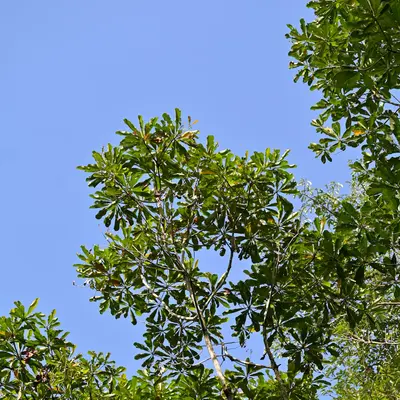
A superior small ornamental tree that delivers spectacular spring flowers, vibrant orange-red fall color, and persistent red berries without the thorns of typical hawthorns. Its dense, horizontal branching creates an architectural silhouette that looks stunning in winter, making it a four-season performer for smaller landscapes. Wildlife love the berries, and gardeners love the manageable size.
Sun
Full sun to partial shade
Zones
3–7
USDA hardiness
Height
15-35 feet
Planting Timeline
Showing dates for Thornless Cockspur Hawthorn in USDA Zone 7
All Zone 7 ornamental-tree →Zone Map
Click a state to update dates
Thornless Cockspur Hawthorn · Zones 3–7
Growing Details
Complete Growing Guide
Light: Full sun (6 or more hours of direct sunlight a day), Partial Shade (Direct sunlight only part of the day, 2-6 hours). Soil: Clay, Loam (Silt), Sand. Soil pH: Acid (<6.0), Alkaline (>8.0), Neutral (6.0-8.0). Drainage: Good Drainage, Moist. Height: 15 ft. 0 in. - 35 ft. 0 in.. Spread: 20 ft. 0 in. - 35 ft. 0 in.. Spacing: 24-60 feet, more than 60 feet. Growth rate: Medium. Maintenance: Medium. Propagation: Seed. Regions: Coastal, Mountains, Piedmont.
Harvesting
Small deep-red pome with 1 to 5 pyrenes that resemble the “stones” in related plums, peaches, etc. Sometimes called the ‘haw’.
Color: Red/Burgundy. Type: Pome. Length: < 1 inch. Width: < 1 inch.
Garden value: Edible, Showy
Harvest time: Fall
Edibility: Fruit can be eaten raw or cooked and used in jellies, but most people leave it for the birds.
Storage & Preservation
Fresh berries store refrigerated in breathable containers for 2-3 weeks, maintaining their vibrant color and firm texture. Spread them in a single layer on a tray lined with paper towels to prevent moisture buildup. For longer preservation, freeze whole berries on a baking sheet, then transfer to freezer bags for up to 8 months—they retain color beautifully and work well in dried arrangements. Drying is also effective: lay berries on screens in a warm, well-ventilated space or use a low-temperature dehydrator (140-160°F) for 1-2 weeks until fully hardened. Dried berries are lovely in wreaths and garlands. Some gardeners simmer berries with sugar for a decorative jelly or tea infusion, though hawthorn berries are primarily ornamental rather than culinary.
History & Origin
Origin: Eastern North America, Canada to Georgia, west to Mississippi
Advantages
- +Attracts: Butterflies, Pollinators, Songbirds
- +Edible: Fruit can be eaten raw or cooked and used in jellies, but most people leave it for the birds.
Companion Plants
Lavender, yarrow, and clover planted beneath a Thornless Cockspur Hawthorn do something concrete: they attract parasitic wasps and predatory beetles that prey on scale insects and Dysaphis crataegi aphids — two pests this tree picks up reliably. Clover fixes nitrogen at the root zone, which suits a tree that doesn't need heavy feeding, and stays low enough to avoid real water competition. Black walnut is a hard no — juglone, the allelopathic compound concentrated in its roots, hulls, and leaf litter, disrupts root respiration in susceptible woody plants, and hawthorns show enough sensitivity that the 50-foot clearance most sources recommend isn't worth gambling on.
Plant Together
Lavender
Repels aphids and other pests while attracting beneficial pollinators
Marigold
Deters nematodes and aphids, attracts beneficial insects
Comfrey
Deep roots bring nutrients to surface, acts as dynamic accumulator
Clover
Fixes nitrogen in soil and provides ground cover to retain moisture
Chives
Repels aphids and improves overall tree health through companion effect
Yarrow
Attracts beneficial insects and improves soil health
Nasturtium
Acts as trap crop for aphids and adds nutrients when composted
Rosemary
Natural pest deterrent and drought-tolerant ground companion
Keep Apart
Black Walnut
Produces juglone which is toxic to hawthorn and inhibits root development
Eucalyptus
Allelopathic properties suppress growth of nearby plants including hawthorns
Sunflower
Competes heavily for nutrients and water, may stunt hawthorn growth
Pests & Disease Resistance
Resistance
Good resistance to fire blight and rust diseases
Common Pests
Aphids, scale insects, spider mites
Diseases
Fire blight, cedar-hawthorn rust, leaf blight
Troubleshooting Thornless Cockspur Hawthorn
What you'll see, why it happens, and what to do about it.
Bright orange powdery spots on upper leaf surfaces, with tube-like projections on the undersides, appearing mid to late spring
Likely Causes
- Cedar-hawthorn rust (Gymnosporangium globosum) — a fungal disease that requires eastern red cedar (Juniperus virginiana) nearby to complete its life cycle
- Planting within a few hundred feet of junipers or red cedars
What to Do
- 1.Remove any eastern red cedar or juniper within 1,000 feet if possible — that's the alternate host and the disease can't cycle without it
- 2.Apply a copper-based or myclobutanil fungicide at bud break in spring, before symptoms appear, if rust is a recurring problem on your site
- 3.Rake and dispose of fallen leaves in autumn — do not compost them
Branch tips wilting and turning dark brown or black in a shepherd's crook shape, especially after wet spring weather
Likely Causes
- Fire blight (Erwinia amylovora) — a bacterial disease that spreads rapidly during warm, wet weather between 65–86°F
- Overhead irrigation or rain that splashes bacteria from infected tissue into new growth
What to Do
- 1.Prune out infected wood at least 8–12 inches below the visible discoloration; sterilize your pruners with 70% isopropyl alcohol between every cut
- 2.Avoid high-nitrogen fertilizers that push soft, fast growth — fire blight moves fastest through succulent new shoots
- 3.Time any pruning for dry weather to avoid spreading the bacteria on wet tools or hands
Sticky residue on leaves and branches, with small soft-bodied clusters on new growth and a sooty black coating developing on leaf surfaces
Likely Causes
- Aphids (likely hawthorn aphid, Dysaphis crataegi) feeding on new shoots and secreting honeydew
- Sooty mold (Capnodium sp.) colonizing the honeydew deposits — it's secondary to the aphid problem, not a separate infection
What to Do
- 1.Knock aphid colonies off with a firm spray of water from a hose — do this in the morning so foliage dries before evening
- 2.If populations persist, apply insecticidal soap directly to the colonies; repeat every 5–7 days for 2–3 applications
- 3.The sooty mold will clear on its own once aphids are controlled; no separate fungicide treatment needed
Frequently Asked Questions
How tall does Thornless Cockspur Hawthorn grow?▼
Is Thornless Cockspur Hawthorn good for beginners?▼
Can you grow Thornless Cockspur Hawthorn in containers?▼
When should I plant Thornless Cockspur Hawthorn?▼
How much sun does Thornless Cockspur Hawthorn need?▼
Thornless Cockspur Hawthorn vs. regular Cockspur Hawthorn—what's the difference?▼
Zone-by-Zone Planting Calendar
Growing Guides from Wind River Greens
Sources & References
External authority sources used in compiling this guide.
- ExtensionNC State Extension
See the Methodology page for how this data is sourced, what's AI-assisted, and known limitations.