Granny Smith Apple
Malus domestica 'Granny Smith'
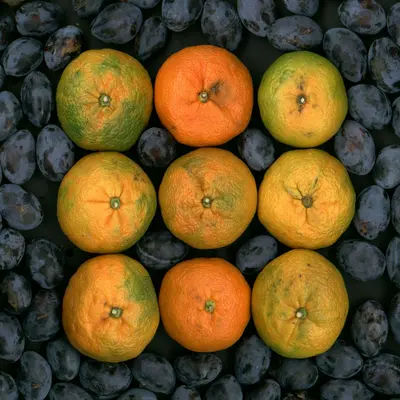
The iconic tart green apple that's a staple in kitchens worldwide, prized for its crisp texture and bright acidic flavor that holds up beautifully in baking. This Australian heirloom produces heavy crops of large, bright green apples that store exceptionally well for months. A reliable performer that's perfect for gardeners who want a classic apple variety that excels in both fresh eating and culinary applications.
Harvest
160-180d
Days to harvest
Sun
Full sun to partial shade
Zones
4–9
USDA hardiness
Height
15-30 feet
Planting Timeline
Showing dates for Granny Smith Apple in USDA Zone 7
All Zone 7 fruit-tree →Zone Map
Click a state to update dates
Granny Smith Apple · Zones 4–9
Growing Details
Complete Growing Guide
Granny Smith apples require full sun (at least 6-8 hours daily) and well-draining soil to thrive, but this cultivar specifically demands a chill hour requirement of 400-600 hours below 45°F to set fruit properly, making it essential to verify your USDA hardiness zone before planting. Unlike some apple varieties, Granny Smith is moderately susceptible to powdery mildew and sooty blotch, particularly in humid climates with poor air circulation, so ensure adequate spacing between trees and avoid overhead watering. This Australian heirloom tends toward biennial bearing—heavy crops one year followed by lighter yields the next—which you can minimize through consistent thinning of fruit clusters when they're marble-sized. The trees reach maturity slowly, typically requiring 3-5 years before substantial production, so patience is critical during establishment. Practically speaking, plant a compatible pollinator variety like Honeycrisp or Pink Lady nearby, as Granny Smith's pollen is only moderately viable and cross-pollination dramatically improves fruit set and sizing.
Light: Full sun (6 or more hours of direct sunlight a day), Partial Shade (Direct sunlight only part of the day, 2-6 hours). Soil: Clay, Loam (Silt), Sand. Soil pH: Alkaline (>8.0), Neutral (6.0-8.0). Drainage: Good Drainage, Moist, Occasionally Dry. Height: 15 ft. 0 in. - 30 ft. 0 in.. Spread: 15 ft. 0 in. - 30 ft. 0 in.. Spacing: 24-60 feet. Growth rate: Medium. Maintenance: High. Propagation: Grafting, Seed. Regions: Coastal, Mountains, Piedmont.
Harvesting
Granny Smith apples reach peak harvest readiness when they achieve their characteristic bright green color with minimal yellowing, typically weighing 200-250 grams and feeling firm and heavy in your hand. The fruit should snap cleanly from the branch with a gentle upward twist, indicating full maturity around mid to late autumn. Unlike single-harvest varieties, Granny Smiths benefit from selective picking over 2-3 weeks, harvesting the largest apples first while allowing smaller fruits additional time to develop size and sugar content. Pick in the morning when fruit is cool for maximum crispness and storage longevity, as apples harvested at peak maturity store reliably for 3-4 months in cool conditions.
Large, round, firm fruits that often have a waxy coating. Some varieties ripen late summer and some in the fall.
Color: Gold/Yellow, Green, Red/Burgundy. Type: Pome. Length: > 3 inches. Width: > 3 inches.
Garden value: Edible
Harvest time: Fall, Summer
Edibility: Fruits can be eaten raw and cooked in a variety of dishes.
Storage & Preservation
Fresh Granny Smith apples store exceptionally well—up to 6 months when handled properly. For short-term storage (2-3 weeks), keep them in a cool, dry place away from direct sunlight. For extended storage, refrigerate at 32-35°F with high humidity (90-95%). Wrap individual apples in newspaper or store in perforated plastic bags to maintain moisture while preventing condensation.
Check stored apples monthly and remove any showing soft spots immediately—one bad apple truly does spoil the bunch by releasing ethylene gas.
For preservation, Granny Smiths excel at freezing when sliced and treated with lemon juice to prevent browning. They make outstanding applesauce and apple butter due to their high pectin content and tart flavor that intensifies when cooked. Dehydrating produces excellent apple chips—slice thinly and dry at 135°F for 8-12 hours. Their firm texture and acidic nature also make them perfect for traditional water bath canning in pie fillings or as spiced apple rings.
History & Origin
Originating in Australia during the 1860s, Granny Smith apples emerged from a chance seedling discovered by Maria Ann Smith in her Sydney garden. Though the exact parentage remains undocumented, horticultural records suggest it arose from a seedling of French crab apple or similar heritage stock. The variety gained rapid recognition for its exceptional storage qualities and reliable productivity in Australian climates, eventually spreading to commercial cultivation worldwide. Its crisp acidity and green coloring made it distinctly recognizable, earning it status as a foundational modern apple variety. Despite its prominence, detailed breeding records from its discovery period are sparse, leaving some botanical origins open to speculation.
Origin: Central Asia to Afghanistan
Advantages
- +Exceptional storage life keeps apples fresh for months without refrigeration
- +Reliable heavy yields provide abundant fruit for baking and cooking
- +Tart flavor and firm texture remain stable through baking and processing
- +Large bright green apples are visually distinctive and commercially recognizable
- +Crisp juicy flesh appeals to fresh eating and culinary applications
Considerations
- -Susceptible to multiple diseases including apple scab and powdery mildew
- -Codling moth and apple maggot infestations require vigilant pest management
- -Requires cross-pollination with compatible apple varieties for optimal fruit set
- -Very tart flavor appeals mainly to cooking rather than fresh eating
Companion Plants
Chives and garlic planted at the drip line pull their weight — their sulfur compounds take modest bites out of aphid pressure and may slow apple scab (Venturia inaequalis) early in the season, without competing for the deep water the tree needs. Comfrey is the most practical of the bunch: its roots go down 6 feet or more, pulling up calcium and potassium, and a chop-and-drop of the leaves feeds the root zone without you touching a fertilizer bag. Nasturtiums and dill draw parasitic wasps that keep codling moth and aphid numbers lower than they'd otherwise get. Clear grass from the trunk out to at least 3 feet — it steals water during dry spells and gives voles a covered runway straight to the bark all winter. Black walnut is a hard no at any distance under 60 feet: juglone toxicity will stunt Granny Smith and eventually kill it.
Plant Together
Chives
Repels aphids and improves apple tree health when planted nearby
Nasturtiums
Acts as trap crop for aphids and woolly aphids, protecting apple trees
Comfrey
Deep roots bring nutrients to surface and leaves make excellent mulch for apple trees
Dill
Attracts beneficial insects like lacewings and parasitic wasps that control apple pests
Marigolds
Repels nematodes and various insects while attracting beneficial predatory insects
Clover
Fixes nitrogen in soil and provides living mulch that retains moisture for apple tree roots
Yarrow
Improves soil health and attracts beneficial insects that prey on apple tree pests
Garlic
Repels aphids, borers, and other common apple tree pests when planted in the root zone
Keep Apart
Black Walnut
Produces juglone which is toxic to apple trees and can stunt growth or kill them
Grass
Competes heavily for water and nutrients, reducing apple tree vigor and fruit production
Nutrition Facts
Per 100g serving. % Daily Value based on 2,000 calorie diet. Source: USDA FoodData Central (FDC #168171)
Pests & Disease Resistance
Resistance
Susceptible to apple scab, fire blight, and powdery mildew
Common Pests
Codling moth, apple maggot, aphids, scale insects
Diseases
Apple scab, fire blight, powdery mildew, cedar apple rust
Troubleshooting Granny Smith Apple
What you'll see, why it happens, and what to do about it.
Small, irregular olive-green to brown scabby patches on fruit skin and leaves, appearing in spring
Likely Causes
- Apple scab (Venturia inaequalis) — a fungal disease that overwinters in fallen leaf litter and releases spores during wet spring weather
What to Do
- 1.Rake and dispose of all fallen leaves in autumn — don't compost them, bag them
- 2.Apply a copper-based or sulfur fungicide starting at green tip stage, before petal fall, and repeat every 7-10 days during wet stretches
- 3.Prune for airflow so the canopy dries faster after rain
Branch tips wilting and turning dark brown or black, with a water-soaked look that dries into a shepherd's crook shape
Likely Causes
- Fire blight (Erwinia amylovora) — a bacterial disease spread by bees, rain splash, and pruning tools during bloom
What to Do
- 1.Prune infected wood immediately, cutting at least 8-12 inches below visible symptoms into clean wood
- 2.Sterilize pruning shears between every single cut with 70% isopropyl alcohol or a 10% bleach solution
- 3.Avoid high-nitrogen fertilizers in spring — they push the soft new growth that fire blight hits hardest
Wormy fruit — small entry holes near the blossom end, brown tunneling inside the apple when cut open
Likely Causes
- Codling moth (Cydia pomonella) — larvae bore into developing fruit shortly after petal fall
- Apple maggot (Rhagoletis pomonella) — fly lays eggs in fruit skin mid-summer, larvae tunnel through flesh
What to Do
- 1.Hang red sphere sticky traps (for apple maggot) and delta pheromone traps (for codling moth) by early June to monitor pressure
- 2.Apply kaolin clay spray to fruit starting at petal fall and reapply after rain — it creates a physical barrier both pests avoid
- 3.Pick up and destroy dropped fruit every few days; don't let it sit under the tree
Frequently Asked Questions
How long does it take for a Granny Smith apple tree to produce fruit?▼
What apple varieties pollinate Granny Smith trees?▼
Can you grow Granny Smith apples in containers?▼
When should I plant Granny Smith apple trees?▼
Why are my Granny Smith apples not very tart?▼
How do I prevent apple scab on Granny Smith trees?▼
Zone-by-Zone Planting Calendar
Growing Guides from Wind River Greens
Sources & References
External authority sources used in compiling this guide.
See the Methodology page for how this data is sourced, what's AI-assisted, and known limitations.