Bridal Wreath Spirea
Spiraea prunifolia
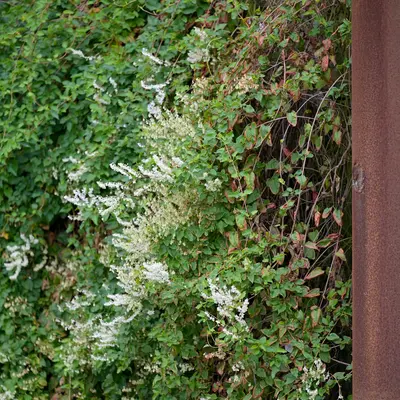
A classic spring-blooming shrub that creates a stunning cascade of pure white double flowers along arching branches, resembling a bride's veil. This graceful, old-fashioned favorite provides reliable spring color and attractive orange-red fall foliage. Its elegant form and profuse blooms make it a timeless choice for foundation plantings and mixed borders.
Sun
Full sun to partial shade
Zones
5–8
USDA hardiness
Height
4-8 feet
Planting Timeline
Showing dates for Bridal Wreath Spirea in USDA Zone 7
All Zone 7 shrub →Zone Map
Click a state to update dates
Bridal Wreath Spirea · Zones 5–8
Growing Details
Complete Growing Guide
Light: Full sun (6 or more hours of direct sunlight a day), Partial Shade (Direct sunlight only part of the day, 2-6 hours). Soil: Clay, High Organic Matter, Loam (Silt), Shallow Rocky. Soil pH: Acid (<6.0), Neutral (6.0-8.0). Drainage: Good Drainage, Moist. Height: 4 ft. 0 in. - 8 ft. 0 in.. Spread: 4 ft. 0 in. - 8 ft. 0 in.. Spacing: 6-feet-12 feet. Growth rate: Medium. Maintenance: Low. Propagation: Seed, Stem Cutting. Regions: Coastal, Mountains, Piedmont.
Harvesting
Dry, brown follicles appear after flowering is completed. They will remain on the shrub through the winter.
Color: Brown/Copper. Type: Follicle.
Storage & Preservation
Bridal Wreath Spirea doesn't require storage as it's an ornamental shrub. For cut flowers, place stems in cool water immediately after cutting and display in a cool location away from direct heat. Cut blooms last 7-10 days indoors. For preservation, air-dry flower clusters in a dark, well-ventilated area to create dried arrangements lasting months. Alternatively, press individual flowers between paper for botanical crafts. Branches can be forced indoors in late winter for earlier blooms by conditioning cut stems in water.
History & Origin
Origin: China South-Central, China Southeast, and Taiwan
Advantages
- +Produces stunning cascades of pure white double flowers in spring.
- +Graceful arching branches create an elegant, timeless aesthetic form.
- +Displays attractive orange-red fall foliage for extended seasonal interest.
- +Easy to grow with minimal care requirements for most gardeners.
- +Reliable performer in foundation plantings and mixed border designs.
Considerations
- -Susceptible to aphids, scale insects, and spider mites infestations.
- -Can develop fire blight and powdery mildew under certain conditions.
- -Requires pruning after flowering to maintain its graceful arching form.
Companion Plants
Shade-tolerant perennials — hostas, astilbe, heuchera, Japanese painted fern — fill the bare soil beneath Bridal Wreath Spirea without much friction. The spirea's roots spread wide but stay fairly shallow, and these low-growers don't push back hard. Daffodils are a smart early-season pairing: they finish blooming right as the spirea's white flower clusters open in April, then die back naturally before the shrub's canopy fills in overhead. Catmint and lavender along the front edge pull in parasitic wasps that feed on spirea aphids, and both are comfortable in the same 6.0–7.5 pH range.
Black walnut (Juglans nigra) is the one to keep off the planting list entirely — its roots release juglone, a compound that disrupts root respiration in a wide range of woody plants, spirea included. Damage can show up even when the walnut is 40–50 feet away, depending on soil type. Large evergreens cause a different problem: they're not toxic, but they'll shade out a shrub that wants 4–6 hours of sun and out-compete it for moisture in the top 12 inches of soil. Mint belongs in a container; left loose in the ground, it sends out runners that'll be threading through the spirea's root zone within a single season.
Plant Together
Hostas
Complementary foliage textures and shade tolerance, thrives in similar moisture conditions
Astilbe
Similar water requirements and blooming periods create extended seasonal interest
Heuchera
Provides colorful foliage contrast and shares similar soil preferences
Daffodils
Early spring blooms before spirea leafs out, naturalizes well beneath shrub
Ferns
Thrives in partial shade created by mature spirea, adds textural diversity
Catmint
Attracts beneficial pollinators and provides complementary blue flowers
Japanese Painted Fern
Silver foliage contrasts beautifully with spirea's green leaves and white flowers
Lavender
Both attract pollinators and have complementary bloom times and colors
Keep Apart
Black Walnut
Produces juglone which is toxic to spirea and causes stunted growth or death
Large Evergreens
Competes for nutrients and creates too much shade, reducing flowering
Mint
Aggressive spreading habit can overwhelm spirea's root zone and compete for resources
Pests & Disease Resistance
Resistance
Generally disease resistant, occasionally prone to aphids and fire blight
Common Pests
Aphids, scale insects, spider mites
Diseases
Fire blight, powdery mildew (rare)
Troubleshooting Bridal Wreath Spirea
What you'll see, why it happens, and what to do about it.
Sticky, distorted new growth with clusters of small soft-bodied insects on stem tips in spring
Likely Causes
- Aphid infestation (commonly Aphis spiraephicola, the spirea aphid) — populations explode fast in warm, dry spells
- Over-fertilizing with nitrogen, which produces the soft new growth aphids prefer
What to Do
- 1.Knock them off with a firm spray of water from a hose — do this in the morning so foliage dries by evening
- 2.If populations persist after a week, apply insecticidal soap directly to the colonies, coating undersides of leaves
- 3.Back off any high-nitrogen fertilizer; this shrub doesn't need much feeding
Shoot tips wilting, turning dark brown or black, then bending into a hook shape — sometimes spreading into older wood
Likely Causes
- Fire blight (Erwinia amylovora) — a bacterial disease that enters through flowers or wounds, spreads fastest in warm, wet spring weather above 65°F
What to Do
- 1.Prune infected shoots at least 8–12 inches below the visible damage; cut into healthy, white-centered wood
- 2.Sterilize pruners between every cut with 70% isopropyl alcohol or a 10% bleach solution — fire blight spreads on blades
- 3.Dispose of all cuttings in the trash, not the compost
Flat, waxy or crusty bumps on stems and branches; foliage looks dull or sticky with sooty residue underneath
Likely Causes
- Scale insects (often oystershell scale, Lepidosaphes ulmi) — they feed on sap and excrete honeydew, which grows sooty mold
- Dense, unpruned canopy that reduces airflow and makes it easier for crawlers to establish
What to Do
- 1.In late winter before buds break, apply dormant horticultural oil at label rates — this suffocates overwintering scale
- 2.For active infestations in the growing season, apply summer-weight horticultural oil or neem oil on a cool, overcast day (not above 90°F)
- 3.Thin the shrub's interior branches to improve airflow and light penetration
Frequently Asked Questions
When should I plant Bridal Wreath Spirea?▼
How long does Bridal Wreath Spirea bloom?▼
Is Bridal Wreath Spirea good for beginners?▼
Can you grow Bridal Wreath Spirea in containers?▼
How do I prune Bridal Wreath Spirea?▼
What pests affect Bridal Wreath Spirea?▼
Zone-by-Zone Planting Calendar
Growing Guides from Wind River Greens
Sources & References
External authority sources used in compiling this guide.
- ExtensionNC State Extension
See the Methodology page for how this data is sourced, what's AI-assisted, and known limitations.