Saskatoon Berry (Serviceberry)
Amelanchier alnifolia
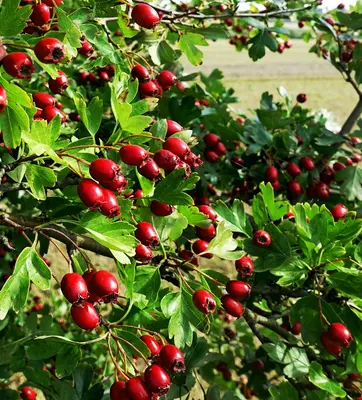
A native North American superfruit that's gaining popularity for its incredible health benefits and sweet, almond-like flavor. These hardy shrubs produce abundant crops of purple-blue berries and offer beautiful spring flowers and stunning fall foliage as bonus features. Perfect for edible landscaping and wildlife-friendly gardens.
Harvest
75-85d
Days to harvest
Sun
Full sun to partial shade
Zones
4–9
USDA hardiness
Height
3-18 feet
Planting Timeline
Showing dates for Saskatoon Berry (Serviceberry) in USDA Zone 7
All Zone 7 berry →Zone Map
Click a state to update dates
Saskatoon Berry (Serviceberry) · Zones 4–9
Growing Details
Complete Growing Guide
Light: Deep shade (Less than 2 hours to no direct sunlight), Full sun (6 or more hours of direct sunlight a day), Partial Shade (Direct sunlight only part of the day, 2-6 hours). Soil: Loam (Silt), Sand. Soil pH: Neutral (6.0-8.0). Drainage: Good Drainage, Occasionally Dry, Occasionally Wet. Height: 3 ft. 0 in. - 18 ft. 0 in.. Spread: 6 ft. 0 in. - 10 ft. 0 in.. Spacing: 6-feet-12 feet. Growth rate: Medium. Maintenance: Low. Propagation: Seed, Stem Cutting. Regions: Coastal, Mountains, Piedmont.
Harvesting
Juicy, sweet, edible fruit ripens in early summer, are 0.3 to 0.5 inches, and are bluish-purple in color.
Color: Blue, Purple/Lavender. Type: Berry. Length: < 1 inch. Width: < 1 inch.
Garden value: Edible
Harvest time: Summer
Edibility: The fruit is edible
Storage & Preservation
Fresh Saskatoon berries keep 3-4 days at room temperature or up to one week refrigerated in breathable containers – avoid airtight plastic bags that trap moisture and encourage mold. Store unwashed berries in shallow layers in the refrigerator's crisper drawer.
Freezing is the simplest preservation method: spread clean, dry berries on cookie sheets, freeze solid, then transfer to freezer bags. They'll keep 12 months frozen and work excellently in baking straight from frozen.
For drying, use a dehydrator at 135°F for 12-18 hours until berries resemble raisins. Traditional indigenous preservation involved pounding dried Saskatoons into pemmican with fat and dried meat. Modern canning works well for sauces and jams – their natural pectin content makes excellent preserves. The berries also ferment beautifully into wine, retaining their unique almond-cherry flavor profile.
History & Origin
Origin: Western and Central North America
Advantages
- +Attracts: Bees, Butterflies, Pollinators, Small Mammals, Specialized Bees
- +Edible: The fruit is edible
- +Low maintenance
Companion Plants
Elderberry and Chokecherry are the most practical neighbors for Saskatoon — all three are native shrubs with similar water and light needs, so their root systems aren't fighting over the same resources. Grouping them also creates a larger fruiting thicket that supports pollinators from May through July, which improves Saskatoon's fruit set noticeably. Yarrow and Wild Bergamot at the drip line pull in parasitic wasps and hoverflies that keep Dysaphis sorbi aphid pressure down without spraying. Wild Strawberry works well as a groundcover underneath, filling space without the aggressive lateral spread you'd get from turf grass.
Black Walnut produces juglone, a root-exuded compound that disrupts cell respiration in sensitive woody plants — Amelanchier is one of them, so keep the two well separated. Buckthorn is a different problem: it's invasive across much of North America and will outpace everything around it within a few seasons. Pine needles acidify soil as they break down, and Saskatoon performs best at pH 6.0 or above, so long-term cohabitation with pines tends to work against the shrub quietly, year by year.
Plant Together
Wild Bergamot
Attracts beneficial pollinators and predatory insects that help with pest control
Elderberry
Similar growing conditions and attracts diverse beneficial insects while providing natural pest deterrence
Chokecherry
Compatible native shrub that shares similar soil and moisture requirements
Wild Ginger
Provides ground cover, retains soil moisture, and attracts beneficial soil organisms
Yarrow
Attracts beneficial insects, improves soil health, and acts as dynamic accumulator
Native Fescue Grasses
Provides living mulch, prevents soil erosion, and creates beneficial habitat
Wild Strawberry
Low-growing ground cover that conserves moisture and attracts pollinators
Hazelnut
Compatible understory shrub that creates beneficial microclimate and attracts diverse wildlife
Keep Apart
Black Walnut
Releases juglone toxin that inhibits growth and can kill Saskatoon berry plants
Pine Trees
Acidifies soil and creates too much shade, while needle drop can suppress growth
Buckthorn
Aggressive invasive that competes heavily for nutrients and can harbor harmful pests
Nutrition Facts
Per 100g serving. % Daily Value based on 2,000 calorie diet. Source: USDA FoodData Central (FDC #167762)
Pests & Disease Resistance
Resistance
Good resistance to most diseases, occasional fire blight susceptibility
Common Pests
Birds (primary concern), aphids, tent caterpillars
Diseases
Fire blight, leaf spot, rust (all uncommon)
Troubleshooting Saskatoon Berry (Serviceberry)
What you'll see, why it happens, and what to do about it.
Berries disappearing or stripped from branches just before ripening, often overnight
Likely Causes
- Bird pressure — robins, cedar waxwings, and starlings will clean a Saskatoon in 48 hours if unprotected
- Timing mismatch — berries ripen unevenly, giving birds a longer window to work
What to Do
- 1.Net the shrub with 3/4-inch mesh as soon as fruit starts to color up — waiting until it looks ripe is too late
- 2.Drape netting all the way to the ground and secure the edges; birds will walk under loose netting
- 3.Plant extra shrubs if you have the room — birds will take their share regardless, so growing more is the only real insurance
New shoots wilting and curling into a shepherd's crook, tips turning brown or black in spring
Likely Causes
- Fire blight (Erwinia amylovora) — bacterial infection that enters through flowers or fresh wounds during wet spring weather
- Late frost damage can look similar but usually affects a whole side of the plant rather than random shoot tips
What to Do
- 1.Prune out infected wood at least 8-12 inches below the visible discoloration; sterilize your pruners with 70% isopropyl alcohol between every cut
- 2.Trash the prunings — don't compost them
- 3.Avoid high-nitrogen fertilizers in spring, which push the soft new growth that fire blight favors
Leaves develop orange or rust-colored pustules on the undersides, sometimes with yellow spots on top
Likely Causes
- Juniper-Serviceberry rust (Gymnosporangium clavipes) — a fungal disease that requires both Amelanchier and a Juniperus species to complete its life cycle
- Proximity to eastern red cedar (Juniperus virginiana) dramatically increases infection risk
What to Do
- 1.Remove any juniper or eastern red cedar within 100-300 feet if practical — that breaks the disease cycle
- 2.Rake and dispose of infected fallen leaves in autumn; don't compost them
- 3.Copper-based fungicides or myclobutanil applied at bud break in early spring can reduce infection pressure, but won't reverse damage already on the leaf
Leaves sticky and curled at the shoot tips, with clusters of small soft-bodied insects visible
Likely Causes
- Saskatoon-Hawthorn aphid (Dysaphis sorbi) or green apple aphid (Aphis pomi) — both common on Amelanchier, especially during dry spells when natural predators are scarce
- Ants farming aphid colonies, which actively disrupts predator pressure from ladybugs and parasitic wasps
What to Do
- 1.Knock aphids off with a firm spray of water from a hose — do this 3 days in a row to break the cycle
- 2.If the infestation is heavy, apply insecticidal soap directly to the colonies; coat the undersides of leaves, not just the tops
- 3.Check for ant trails up the trunk and use a sticky barrier (Tanglefoot) around the base to cut off ant access
Frequently Asked Questions
How long does it take for Saskatoon berry plants to produce fruit?▼
Can you grow Saskatoon berries in containers?▼
What do Saskatoon berries taste like compared to blueberries?▼
When should I plant Saskatoon berry bushes?▼
Do Saskatoon berry plants need full sun or can they tolerate shade?▼
How do I stop birds from eating all my Saskatoon berries?▼
Zone-by-Zone Planting Calendar
Growing Guides from Wind River Greens
Sources & References
External authority sources used in compiling this guide.
- ExtensionNC State Extension
- USDAUSDA FoodData Central
See the Methodology page for how this data is sourced, what's AI-assisted, and known limitations.