Spicy Globe Basil
Ocimum basilicum 'Spicy Globe'
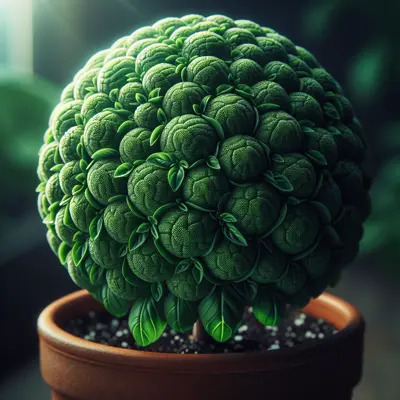
A charming miniature basil that forms perfect little mounds of tiny, intensely flavored leaves - ideal for container gardens and small spaces. Despite its diminutive size, this variety packs a powerful basil punch and naturally stays compact without constant pruning. The globe shape and small leaves make it as ornamental as it is useful, perfect for edging herb gardens or windowsill growing.
Harvest
60-70d
Days to harvest
Sun
Full sun to partial shade
Zones
10–10
USDA hardiness
Height
0-3 feet
Planting Timeline
Showing dates for Spicy Globe Basil in USDA Zone 10
All Zone 10 herb →Zone Map
Click a state to update dates
Spicy Globe Basil · Zones 10–10
Growing Details
Succession Planting
Spicy Globe is a warm-season annual that keeps producing as long as you pinch it back before the flower stalks harden — so a single planting can carry you further than you'd expect. In zone 10, if you want a continuous flush of young, tender growth, start a new round of transplants every 4–5 weeks from February through early fall. Once daytime temps push consistently past 90°F, plants bolt fast regardless of pinching; a fresh transplant started in late summer will outperform a heat-stressed older one once temperatures ease back down in October.
Complete Growing Guide
Spicy Globe basil thrives when started indoors about six to eight weeks before your last spring frost, giving seedlings time to develop before transplanting outdoors. You can also direct sow seeds after all frost danger has passed and soil temperatures reach at least 70°F, though starting indoors provides a more reliable harvest timeline and allows you to enjoy the ornamental foliage sooner. Seeds should be sown very shallowly, pressing them gently into the soil surface, as they require light to germinate and will struggle if buried.
Prepare your growing area with well-draining, fertile soil enriched with compost or aged organic matter, as this compact variety performs best in nutrient-rich conditions despite its small size. Space plants six to eight inches apart; while Spicy Globe naturally stays mounded and won't sprawl, giving it adequate room prevents crowding and improves air circulation. Container growing suits this variety exceptionally well—use containers at least six inches deep with drainage holes, filled with quality potting mix. The shallow root system of Spicy Globe means smaller pots are perfectly adequate, making it ideal for windowsills and tight spaces.
Water consistently to keep soil evenly moist but never waterlogged, checking daily during hot weather since shallow containers dry quickly. Feed every two to three weeks with a balanced, diluted liquid fertilizer, or use a slow-release granular formula at planting time. Spicy Globe doesn't require heavy feeding, but regular light applications support the dense leaf production that makes this variety so attractive.
Watch vigilantly for spider mites, which particularly favor the warm, dry conditions many gardeners provide near sunny windows where this basil thrives. Inspect leaf undersides weekly, and spray with neem oil at first sign of webbing or stippling. Whiteflies and aphids also congregate on compact basil varieties; yellow sticky traps help monitor populations, and insecticidal soap addresses minor infestations quickly. Avoid overhead watering in humid conditions, as the dense foliage of Spicy Globe creates pockets where bacterial leaf spot can develop, unlike airier basil varieties.
Pinch back the central growing tips regularly once plants reach four inches tall to encourage the dense, globe-shaped habit this variety is famous for. Light harvesting of outer leaves throughout the season maintains the attractive mounded form while providing fresh basil for 60 to 70 days after planting. Many gardeners mistakenly assume Spicy Globe requires minimal attention because of its naturally compact growth, but consistent pinching and pruning are essential—neglecting this step results in leggy plants that lose their ornamental appeal and productive vigor. Regular harvesting, however light, keeps plants bushier and more flavorful than allowing them to grow untended.
Harvesting
Harvest Spicy Globe Basil when the tiny leaves reach their full size and display a vibrant deep green color, typically 4-6 weeks after planting. Pinch off leaves from the stem tips rather than stripping entire branches, which encourages the plant to maintain its naturally compact mound shape while promoting bushier growth. For continuous harvests throughout the season, remove leaves regularly—this frequent harvesting actually extends productivity and prevents flowering, which would diminish leaf quality. The most effective timing strategy is to harvest in the early morning after dew has dried, when essential oils are most concentrated in these small, intensely flavored leaves, delivering maximum spicy basil punch for your culinary needs.
Edibility: Leaves and flowers in tea, as flavoring
Storage & Preservation
Fresh Spicy Globe Basil leaves maintain peak flavor for 3-5 days when stored properly. Wrap harvested sprigs loosely in damp paper towels and store in the refrigerator at 40°F, or place stems in water like cut flowers and keep at room temperature for 2-3 days, changing water daily.
For preservation, the small leaves excel in several methods. Ice cube freezing works perfectly – pack whole leaves or chopped basil into ice cube trays with olive oil or water for individual portions. The concentrated flavor holds well through freezing, unlike some larger basil varieties that become bitter.
Drying works exceptionally well due to the small leaf size and high essential oil content. Hang small bunches in a warm, dry, dark location for 7-10 days, or use a dehydrator at 95°F for 6-8 hours. The dried leaves retain more flavor intensity than standard basil varieties. For pesto, make small batches using the entire plant at peak harvest, then freeze in small containers for winter use.
History & Origin
Spicy Globe Basil emerged from selective breeding programs focused on developing compact, ornamental basil cultivars suitable for container gardening in the late twentieth century. While specific breeder attribution and introduction year remain poorly documented in accessible horticultural records, this variety represents a distinct breeding line within Ocimum basilicum aimed at genetic dwarfism and naturally mounding growth habits. The cultivar likely descended from traditional sweet basil germplasm enhanced through successive selection for miniaturization and globe-like form. Seed companies, particularly those specializing in culinary herbs, established and distributed this variety commercially, though definitive documentation of its original development remains limited in published breeding histories.
Origin: Tropical Africa and Asia
Advantages
- +Compact mound shape requires minimal pruning and fits small spaces perfectly
- +Intense basil flavor concentrated in tiny leaves despite diminutive plant size
- +Ornamental appearance works as edging or decorative container plant while productive
- +Matures quickly in 60-70 days from seed to harvest-ready plant
- +Easy growing difficulty suitable for beginners and container gardeners
Considerations
- -Susceptible to aphids, spider mites, and whiteflies in warm conditions
- -Small leaf size means lower overall yield per plant compared to standard basil
- -Fusarium wilt and bacterial leaf spot threaten plant health in humidity
Companion Plants
Tomatoes and peppers are the natural partners here — basil fits their spacing cadence, and interplanting different plant families, as NC State Extension recommends, breaks up pest corridors so aphids and whiteflies don't barrel through a monoculture. Marigolds nearby pull double duty against nematodes and a few flying pests. Lettuce works well underneath Spicy Globe's 12–18 inch canopy because it tolerates the partial shade and its shallow roots don't compete for water. Rue and fennel are the ones to cut from this list — both suppress basil through root exudates, and fennel will undercut nearly everything else in the bed at the same time.
Plant Together
Tomatoes
Basil repels hornworms, aphids, and whiteflies while potentially improving tomato flavor
Peppers
Basil deters aphids and spider mites that commonly attack pepper plants
Oregano
Both herbs have similar growing requirements and can enhance each other's essential oil production
Parsley
Compatible growing needs and parsley may help deter some pests that affect basil
Lettuce
Basil provides light shade for lettuce in hot weather and repels aphids
Marigolds
Repel nematodes and other soil pests while attracting beneficial insects
Asparagus
Basil may help repel asparagus beetles and both plants don't compete for space
Beans
Basil helps repel bean beetles and aphids while beans fix nitrogen in soil
Keep Apart
Rue
Inhibits basil growth through allelopathic compounds and may stunt development
Common Sage
Competes for similar nutrients and may inhibit basil's growth through root competition
Fennel
Produces allelopathic compounds that inhibit growth of most herbs including basil
Nutrition Facts
Per 100g serving. % Daily Value based on 2,000 calorie diet. Source: USDA FoodData Central (FDC #172232)
Pests & Disease Resistance
Resistance
Good resistance to common basil diseases due to compact growth habit
Common Pests
Aphids, spider mites, whiteflies
Diseases
Fusarium wilt, bacterial leaf spot in very humid conditions
Troubleshooting Spicy Globe Basil
What you'll see, why it happens, and what to do about it.
Leaves yellowing and wilting from the base up, with brown discoloration inside the stem when you cut it open
Likely Causes
- Fusarium wilt (Fusarium oxysporum) — a soil-borne fungus that blocks the vascular tissue
- Infected transplant starts or reusing soil from a previous basil bed
What to Do
- 1.Pull and trash the affected plant immediately — don't compost it
- 2.Don't replant basil in that spot for at least 2–3 seasons; NC State Extension notes some soil pathogens persist indefinitely, so container growing is a practical fallback
- 3.Start with fresh, sterile potting mix if you're growing in containers, and make sure containers don't share drainage with native soil
Water-soaked brown or black spots on leaves, spreading fast in warm, wet weather above 80°F
Likely Causes
- Bacterial leaf spot (Pseudomonas cichorii) — thrives when humidity is high and leaves stay wet
- Overcrowded planting that traps moisture and cuts airflow between plants
What to Do
- 1.Space plants at least 6–8 inches apart — NC State Extension notes that overcrowding decreases air movement and raises humidity, exactly the conditions bacterial pathogens need
- 2.Water at the base, not overhead, and water in the morning so foliage dries before evening
- 3.Strip and bin the worst-affected leaves; if more than half the plant is gone, pull it so it doesn't spread to neighbors
Leaves stippled, pale, or bronzed with fine webbing on the undersides, especially during hot dry stretches
Likely Causes
- Two-spotted spider mites (Tetranychus urticae) — populations explode in dry conditions above 85°F
- Aphids or whiteflies can cause similar pale stippling and sticky residue on leaves
What to Do
- 1.Knock mites and aphids off with a firm spray of water from a hose — repeat every 2–3 days for a week
- 2.Keep soil consistently moist (about 1 inch of water per week); drought-stressed plants attract mites faster than healthy ones
- 3.If the infestation persists, apply insecticidal soap directly to the undersides of leaves where the mites are feeding
Frequently Asked Questions
How big does Spicy Globe Basil get?▼
Can you grow Spicy Globe Basil indoors year-round?▼
Is Spicy Globe Basil good for making pesto?▼
How often should I water Spicy Globe Basil?▼
Does Spicy Globe Basil taste different from regular basil?▼
When should I plant Spicy Globe Basil seeds?▼
Zone-by-Zone Planting Calendar
| Zone | Indoor Start | Transplant | Direct Sow | Harvest |
|---|---|---|---|---|
| Zone 10 | January – January | February – April | — | April – December |
Growing Guides from Wind River Greens
Sources & References
External authority sources used in compiling this guide.
See the Methodology page for how this data is sourced, what's AI-assisted, and known limitations.