Arterner
Carum carvi
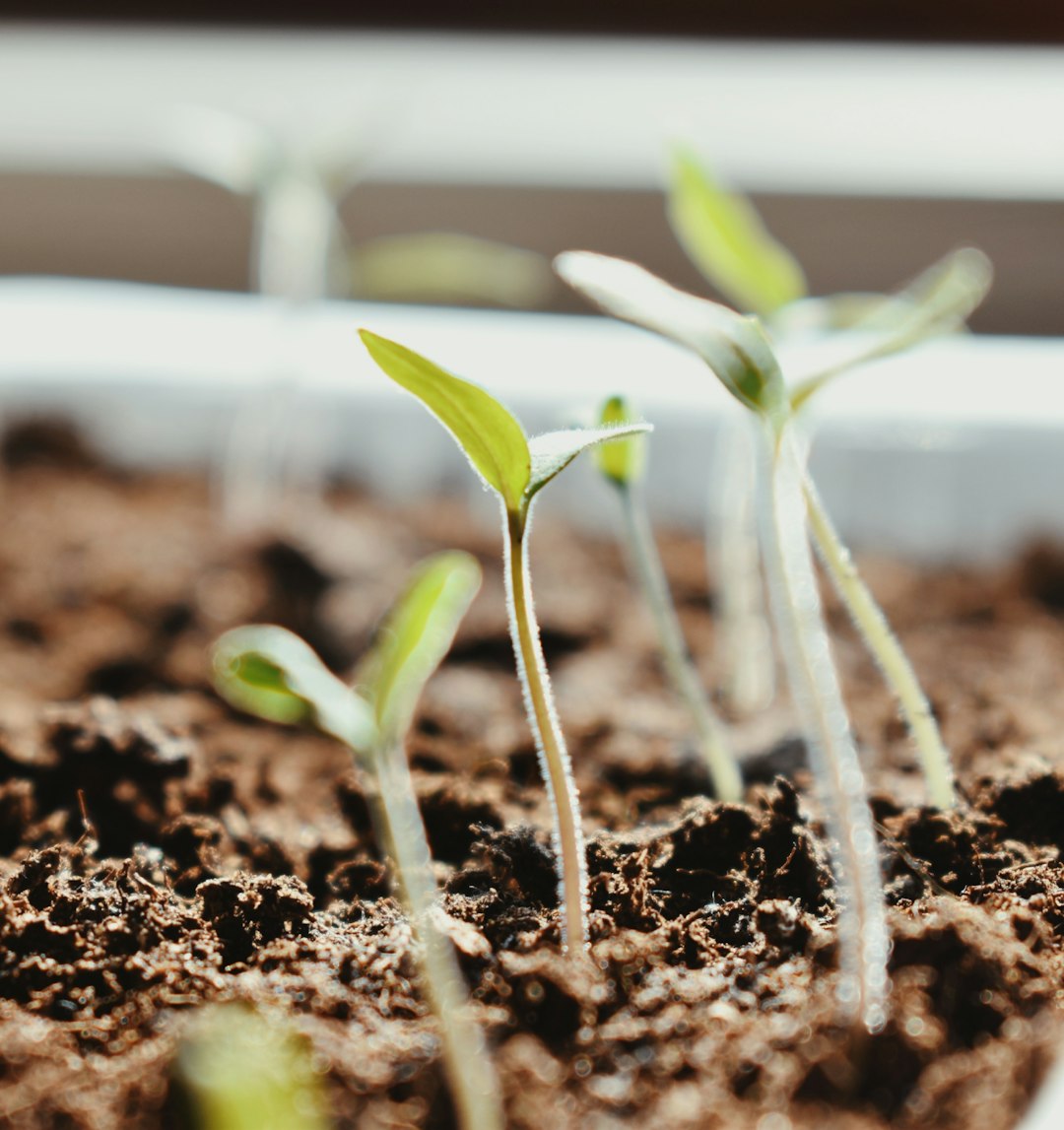
Easy to grow once established. White umbel flowers form in spring of second year, attracting beneficial insects, such as hover flies. Harvest seed heads when plump and light brown, hang to dry. Thresh to remove seeds. One plant produces approx. 5 Tbs. of seed. Used in breads and savory dishes to lend an earthy, mild anise flavor.
Harvest
400d
Days to harvest
Sun
Full sun to partial shade
Zones
4–9
USDA hardiness
Height
12-24 inches
Planting Timeline
Showing dates for Arterner in USDA Zone 7
All Zone 7 herb →Zone Map
Click a state to update dates
Arterner · Zones 4–9
Growing Details
Complete Growing Guide
Light: Full sun (6 or more hours of direct sunlight a day), Partial Shade (Direct sunlight only part of the day, 2-6 hours). Soil: Clay, Loam (Silt), Sand. Soil pH: Acid (<6.0), Neutral (6.0-8.0). Drainage: Good Drainage, Moist. Height: 1 ft. 0 in. - 2 ft. 0 in.. Spread: 0 ft. 10 in. - 1 ft. 0 in.. Growth rate: Rapid. Maintenance: Low. Propagation: Seed. Regions: Coastal, Mountains, Piedmont.
Harvesting
The achene is elliptic, slightly flattened and has prominent length-wise ridges when mature. Contains crescent-shaped seeds, 1/16 of an inch.
Color: Brown/Copper. Type: Achene. Length: < 1 inch. Width: < 1 inch.
Garden value: Edible
Harvest time: Fall
Edibility: Leaves and seeds are typically eaten, but all parts are edible. Seeds have a spicy flavor; leaves are less spicy, with a parsley-dill flavor.
Storage & Preservation
Arterner caraway seeds store best in cool, dry conditions between 50–60°F with humidity below 60%, kept in airtight containers away from light. Fresh seeds maintain quality for 6–8 months under these conditions. For longer preservation, freeze seeds in sealed containers for up to two years with minimal flavor loss. Drying is the traditional method—spread harvested seed heads on clean cloth in a warm, ventilated space until seeds separate easily, then store in glass jars. Some gardeners successfully ferment fresh caraway leaves in brine for a tangy condiment that keeps refrigerated for several months. Arterner's notably robust seed production means you can afford to dry generous quantities without compromising next season's plantings; many growers set aside 20–30% of their harvest specifically for seed saving before processing the remainder.
History & Origin
Origin: Temperate Eurasia
Advantages
- +Attracts: Pollinators
- +Edible: Leaves and seeds are typically eaten, but all parts are edible. Seeds have a spicy flavor; leaves are less spicy, with a parsley-dill flavor.
- +Fast-growing
- +Low maintenance
Companion Plants
Caraway's open umbel flowers draw Ichneumonid wasps and other small parasitoids that hunt caterpillars and aphids, so planting it within a few feet of tomatoes or peppers gives those crops a real pest-suppression benefit — not just a theoretical one. Carrots and parsley are fellow Apiaceae sharing similar root depth and moderate water needs, so they sit comfortably alongside caraway without crowding each other out. Give rue a wide berth: it produces allelopathic compounds that inhibit germination and stunt root development in neighboring plants, and it runs dry enough that its soil moisture preferences will clash with caraway's moderate water needs all season long.
Plant Together
Tomatoes
Basil repels tomato hornworms and aphids, may improve tomato flavor
Peppers
Basil deters aphids and spider mites that commonly affect peppers
Oregano
Both herbs have similar growing requirements and repel common garden pests
Lettuce
Basil provides light shade for lettuce and repels aphids that damage leafy greens
Asparagus
Basil repels asparagus beetles and doesn't compete for root space
Marigolds
Both plants repel aphids and whiteflies, creating a stronger pest deterrent
Parsley
Similar water and nutrient needs, basil helps repel pests that affect parsley
Carrots
Basil improves soil health and repels carrot flies without root competition
Keep Apart
Rue
Allelopathic properties inhibit basil growth and development
Sage
Competes for similar nutrients and may stunt basil growth
Thyme
Can inhibit basil germination and early growth through allelopathy
Nutrition Facts
Per 100g serving. % Daily Value based on 2,000 calorie diet. Source: USDA FoodData Central (FDC #172232)
Troubleshooting Arterner
What you'll see, why it happens, and what to do about it.
Seedlings collapse at soil level within the first 2-3 weeks after germination, stems pinched or blackened at the base
Likely Causes
- Damping off — typically Pythium or Rhizoctonia solani, triggered by overly wet, poorly drained soil
- Overcrowded seed tray with poor airflow
What to Do
- 1.Remove and discard affected seedlings immediately; don't compost them
- 2.Water only when the top inch of soil is dry, and water in the morning so the surface dries before nightfall
- 3.Sow into sterile seed-starting mix rather than garden soil, and thin early so seedlings aren't touching
Plant produces only foliage in its first full season — no flower umbels, no seed, even after 12+ months in the ground
Likely Causes
- Normal biennial behavior — Carum carvi requires several weeks below 40°F (cold vernalization) before it will bolt and flower in year two
- Plants started too late in the season, missing sufficient cold exposure before the following summer
What to Do
- 1.Don't pull the plant — leave it in the ground through winter and expect flowers and harvestable seed in the second summer, roughly months 14–18
- 2.Start seeds indoors in February or transplant out by early May so plants have a full first season to size up before going dormant
Yellowing, stunted growth with curled or puckered new leaves on otherwise established plants
Likely Causes
- Cavariella aegopodii (carrot-willow aphid), which specifically targets Apiaceae family members including caraway, clustering on tender new growth
- Excess nitrogen fertilizer producing the soft, lush tissue that aphids preferentially colonize — NC State Extension's IPM guidance flags overfertilization as a direct vulnerability factor
What to Do
- 1.Knock aphids off with a firm spray of water; repeat every 2–3 days for a week and check the undersides of leaves
- 2.Back off any nitrogen-heavy amendments — caraway doesn't need heavy feeding and the extra flush of growth works against you
- 3.Give beneficial insects — lacewings, lady beetles — a chance to establish before reaching for any spray
Frequently Asked Questions
How long does it take to harvest Arterner seeds?▼
Is Arterner a good herb for beginners?▼
Can you grow Arterner in containers?▼
What does Arterner taste like and how is it used?▼
When should I plant Arterner seeds?▼
How far apart should Arterner plants be spaced?▼
Zone-by-Zone Planting Calendar
| Zone | Indoor Start | Transplant | Direct Sow | Harvest |
|---|---|---|---|---|
| Zone 3 | April – May | June – July | — | July – October |
| Zone 4 | March – April | June – July | — | July – October |
| Zone 5 | March – April | May – June | — | June – October |
| Zone 6 | March – April | May – June | — | June – November |
| Zone 7 | February – March | April – June | — | June – November |
| Zone 8 | February – March | April – May | — | May – December |
| Zone 9 | January – February | March – April | — | April – December |
| Zone 10 | January – January | February – April | — | April – December |
Growing Guides from Wind River Greens
Sources & References
External authority sources used in compiling this guide.
- ExtensionNC State Extension
- BreederJohnny's Selected Seeds
- USDAUSDA FoodData Central
See the Methodology page for how this data is sourced, what's AI-assisted, and known limitations.