Arena III Red
Eustoma grandiflorum
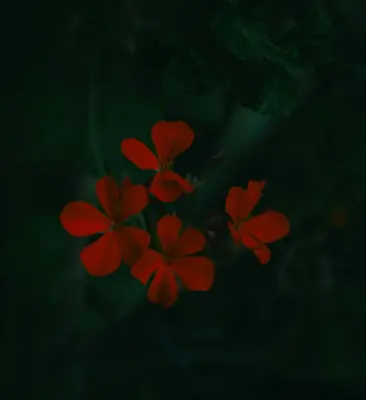
Buds are a light green with pink edging. As blooms mature, the light green turns to light pink and the edging deepens into a dark rose color. 2-3" fully-double flowers. We chose the Arena series as a later-flowering group 3 (main season) series that can be planted along with an earlier group 2 series, such as the Mariachi series, for a staggered harvest. When planted at the same time, Arenas start to bloom approximately two weeks after Mariachis. Arenas also offer some outstanding, unique color options such as Apricot, Baby Pink, and Blue Picotee. Group 3, for late spring, summer, and fall harvest. Lisianthus is also known as prairie gentian, Texas bluebell, and showy prairie gentian. Pelleted seeds.
Harvest
155-165d
Days to harvest
Sun
Full sun to partial shade
Zones
8–10
USDA hardiness
Height
1-3 feet
Planting Timeline
Showing dates for Arena III Red in USDA Zone 7
All Zone 7 flower →Zone Map
Click a state to update dates
Arena III Red · Zones 8–10
Growing Details
Complete Growing Guide
Light: Full sun (6 or more hours of direct sunlight a day), Partial Shade (Direct sunlight only part of the day, 2-6 hours). Soil: Loam (Silt), Sand. Drainage: Good Drainage, Moist. Height: 1 ft. 0 in. - 3 ft. 0 in.. Spread: 0 ft. 9 in. - 1 ft. 0 in.. Maintenance: High. Propagation: Seed.
Harvesting
Arena III Red reaches harvest at 155 - 165 days from sowing per Johnny's Selected Seeds. Expect 2-3" at peak. As an annual, harvest continues until frost ends the season.
This is an ornamental variety — not grown for harvest. Enjoy in the garden landscape.
Storage & Preservation
Arena III Red lisianthus flowers should be stored in a cool environment between 36-40°F with 80-90% humidity for maximum vase life of 10-14 days. Keep stems in fresh, cool water and change water every 2-3 days. Preservation methods include: (1) Air-drying by hanging upside-down in a warm, dark, well-ventilated space for 1-2 weeks to create dried flowers; (2) Glycerin preservation by placing cut stems in a glycerin solution, which maintains suppleness and color while extending longevity; (3) Pressing flowers between parchment paper under weight for 2-3 weeks to create flat, decorative specimens for crafts and arrangements.
History & Origin
Origin: Nebraska south to Texas.
Advantages
- +Beautiful color transformation from light green to deep rose
- +Fully-double 2-3 inch flowers create impressive visual impact
- +Staggered planting strategy enables extended harvest with Mariachi series
- +Easy difficulty level makes it accessible for most growers
- +Unique color options like Apricot and Blue Picotee available
Considerations
- -155-165 day growing period requires significant space and resources
- -Lisianthus demands consistent moisture and excellent drainage to thrive
- -Group 3 late-season timing limits harvest window in cooler climates
Companion Plants
Marigolds (Tagetes spp.) and Sweet Alyssum are the most useful neighbors here — marigolds deter thrips and aphids that target lisianthus buds, while alyssum draws parasitic wasps that knock back soft-bodied pest populations before they build up. Zinnias and Cosmos make decent row companions because they share similar water needs and don't compete hard at 6–8 inch spacing. Steer clear of Fennel (Foeniculum vulgare) and Eucalyptus, both of which release allelopathic compounds that suppress nearby annuals, and keep Arena III well away from Black Walnut (Juglans nigra) — its roots push juglone into the surrounding soil, and even modest exposure can stunt or kill shallow-rooted annuals like this one.
Plant Together
Marigolds
Repel nematodes and aphids while attracting beneficial insects
Sweet Alyssum
Attracts beneficial insects like hoverflies and parasitic wasps
Nasturtiums
Act as trap crops for aphids and cucumber beetles
Petunias
Repel aphids, tomato hornworms, and other garden pests
Zinnia
Attract butterflies and beneficial pollinators while providing color contrast
Lavender
Repels moths, fleas, and mosquitoes with its aromatic oils
Cosmos
Attract beneficial insects and provide vertical structure without competition
Catmint
Deters ants, aphids, and rodents while attracting beneficial insects
Keep Apart
Black Walnut
Produces juglone which is toxic to many flowering plants
Eucalyptus
Releases allelopathic compounds that inhibit growth of nearby plants
Fennel
Inhibits growth of most garden plants through allelopathy
Troubleshooting Arena III Red
What you'll see, why it happens, and what to do about it.
Seedlings collapsing at the soil line, often in patches, 10–21 days after germination
Likely Causes
- Damping off — typically Pythium or Rhizoctonia fungi thriving in overwatered, poorly drained trays
- Seeding too densely, which traps moisture and blocks airflow between stems
What to Do
- 1.Water from the bottom only, and let the top of the medium dry slightly between waterings
- 2.Thin seedlings to at least 1 inch apart as soon as the first true leaves appear
- 3.Discard affected trays — damping off spreads fast and there's no saving a collapsed flat
Leaves developing gray, fuzzy patches — usually starting on older or damaged tissue
Likely Causes
- Botrytis cinerea (gray mold) — a humidity problem more than anything else
- Overhead watering or poor ventilation around the foliage
What to Do
- 1.Remove affected leaves and stems immediately; bag them before carrying through the garden
- 2.Water at the base of the plant, not overhead, and do it early enough that foliage dries before evening
- 3.Space plants at the recommended 6–8 inches and don't crowd adjacent rows — airflow matters here
Buds forming but refusing to open, or petals bleaching and going papery before the flower fully develops
Likely Causes
- Heat stress — Eustoma grandiflorum stalls badly when daytime temps consistently exceed 90°F
- Skipping the hardening-off period before transplanting starts to the garden
What to Do
- 1.Count backward 155–165 days from your last reliable cool stretch — in zones 8–10, that math usually points to a late-winter indoor start
- 2.Harden off transplants over 7–10 days before moving them outside full-time
- 3.Hang 30–40% shade cloth over beds during heat spikes to keep buds from aborting mid-development
Frequently Asked Questions
How long do Arena III Red flowers last in a vase?▼
Is Arena III Red lisianthus good for beginner growers?▼
Can you grow Arena III Red in containers?▼
When should I plant Arena III Red lisianthus seeds?▼
What makes Arena III Red different from other lisianthus varieties?▼
How do the Arena III Red flowers change color as they bloom?▼
Zone-by-Zone Planting Calendar
| Zone | Indoor Start | Transplant | Direct Sow | Harvest |
|---|---|---|---|---|
| Zone 3 | April – May | June – July | June – August | — |
| Zone 4 | March – April | June – June | June – July | — |
| Zone 5 | March – April | May – June | May – July | — |
| Zone 6 | March – April | May – June | May – July | — |
| Zone 7 | February – March | April – May | April – June | — |
| Zone 8 | February – March | April – May | April – June | — |
| Zone 9 | January – February | March – April | March – May | — |
| Zone 10 | January – January | February – March | February – April | — |
| Zone 1 | May – June | July – August | July – September | — |
| Zone 2 | April – May | June – July | June – August | — |
| Zone 11 | January – January | January – February | January – March | — |
| Zone 12 | January – January | January – February | January – March | — |
| Zone 13 | January – January | January – February | January – March | — |
Growing Guides from Wind River Greens
Sources & References
External authority sources used in compiling this guide.
- BreederJohnny's Selected Seeds
See the Methodology page for how this data is sourced, what's AI-assisted, and known limitations.