Fine Fescue
Festuca rubra
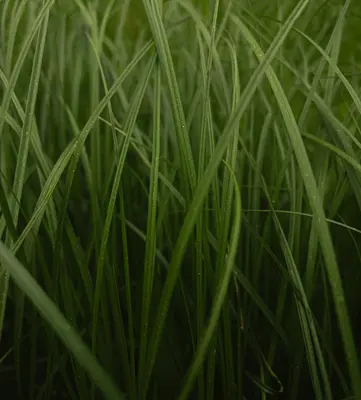
The shade champion among cool-season grasses, offering delicate, needle-like blades that create an elegant, low-maintenance lawn in challenging conditions where other grasses struggle. This drought-tolerant grass naturally resists most diseases and requires minimal fertilization, making it perfect for naturalized areas and eco-friendly landscapes. Its soft texture and ability to thrive in poor soils make it an excellent choice for low-input, sustainable lawns.
Sun
Full sun to partial shade
Zones
3–6
USDA hardiness
Height
2.4 feet
Planting Timeline
Showing dates for Fine Fescue in USDA Zone 3
All Zone 3 grass →Zone Map
Click a state to update dates
Fine Fescue · Zones 3–6
Growing Details
Succession Planting
Fine fescue isn't a crop you succession-plant the way you would lettuce or radishes — once it's established, it's a perennial stand. That said, overseeding on a consistent annual schedule keeps it dense enough to resist weed encroachment. Plan on overseeding thin areas every fall when soil temperatures drop to 50–65°F, typically mid-September through October in zone 6. A rate of 3–5 lbs per 1000 sq ft is standard; don't skip this if you had summer dieback.
Spring seeding is possible from April through June, but fall is strongly preferred. Spring-sown fine fescue has to establish before summer heat arrives, and in warmer zones it often doesn't manage it. If you seed in spring, leave yourself at least 8 weeks before daytime highs consistently exceed 85°F — otherwise you'll be overseeding again in September anyway.
Complete Growing Guide
Light: Dappled Sunlight (Shade through upper canopy all day), Full sun (6 or more hours of direct sunlight a day), Partial Shade (Direct sunlight only part of the day, 2-6 hours). Soil: Clay, High Organic Matter, Loam (Silt), Sand, Shallow Rocky. Soil pH: Acid (<6.0), Neutral (6.0-8.0). Drainage: Good Drainage, Moist, Occasionally Dry, Very Dry. Growth rate: Rapid. Maintenance: High, Medium. Propagation: Seed. Regions: Coastal, Mountains, Piedmont.
Harvesting
Fine Fescue reaches peak harvest readiness when the needle-like blades develop a deeper green coloration and achieve their full delicate texture, typically between late spring and early summer depending on your climate zone. The grass should feel soft and supple when gently squeezed, indicating optimal moisture content. This cultivar supports continuous harvesting rather than single-cut approaches, as its low-maintenance nature allows for repeated trimming throughout the growing season without stress. Time your primary harvest for early morning after dew has dried, which prevents matting and bruising of the delicate foliage while maximizing the elegant appearance of your lawn.
Type: Caryopsis.
Storage & Preservation
Fine Fescue seed should be stored in a cool, dry location between 40-50°F with humidity levels below 50% to maintain viability. Keep seed in airtight containers away from light and moisture. Properly stored seed remains viable for 2-3 years. For preservation, vacuum-seal containers in cool storage extend longevity significantly. Alternatively, use silica gel packets in sealed containers to absorb excess moisture. A third method is freezer storage at 0°F or below, which can preserve viability for 5+ years when seeds are completely dry before freezing.
History & Origin
Origin: Northern Hemisphere to Mexico
Advantages
- +Excellent shade tolerance makes it ideal for tree-covered lawns
- +Drought-resistant nature reduces watering needs and water bills
- +Minimal fertilization requirements support eco-friendly sustainable lawn care
- +Fine texture creates elegant, visually appealing turf appearance
- +Very few pest problems with only occasional grub issues
Considerations
- -Red thread disease thrives in cool, wet spring conditions
- -Struggles in full sun and high-traffic compacted areas
- -Poor wear tolerance makes it unsuitable for active play areas
- -Slower germination and establishment compared to other cool-season grasses
Companion Plants
White clover is probably the most practical companion for fine fescue. It fixes atmospheric nitrogen through its Rhizobium root symbionts, which feeds the grass directly without you touching a fertilizer bag. The two share a similar low-growing habit, so clover fills gaps without shading out the fescue. Seeding a blend of 80–90% fine fescue with 10–15% white clover by weight at establishment is a standard approach — NC State Extension recommends it specifically for low-input turf systems — and it genuinely cuts down on how much nitrogen you'll need to apply over a season.
Creeping thyme and sedums work well along the drier edges where fine fescue thins out naturally. Rather than leaving bare soil open to annual weeds, those plants take over the spot without competing aggressively for the same root zone. Yarrow and a wildflower mix planted in adjacent borders pull in predatory wasps and ground beetles that keep sod webworm (Crambus spp.) populations from building. Native bunch grasses at the margins add structure without the allelopathic root chemistry that some ornamental grasses produce.
Down here in the Georgia Piedmont, Bermuda grass is the companion to lose sleep over. It spreads by both stolons and rhizomes, and once it threads into a fine fescue stand it produces dense surface mats that smother the fescue within two or three seasons — no amount of hand-pulling catches it. Tall fescue is a subtler problem, but it still outcompetes fine fescue for water and nutrients during the exact cool-season windows when fine fescue is trying to establish. Keep both at least 12–18 inches from any planting you want to stay intact.
Plant Together
White Clover
Fixes nitrogen in soil, provides natural fertilizer for grass while creating drought-resistant ground cover
Wildflower Mix
Creates biodiversity, attracts beneficial insects, and complements fine fescue's low-maintenance nature
Creeping Thyme
Forms natural pathways, releases pleasant fragrance when stepped on, and thrives in similar low-water conditions
Sedums
Provides year-round interest, requires minimal water like fine fescue, and adds texture contrast
Native Bunch Grasses
Creates natural meadow appearance, shares similar water and maintenance requirements
Yarrow
Deep roots improve soil structure, attracts beneficial insects, and tolerates drought conditions
Chamomile
Natural pest deterrent, releases pleasant aroma, and can be mowed occasionally with grass
Moss
Thrives in shaded areas where fine fescue may thin, creating complementary ground cover
Keep Apart
Tall Fescue
More aggressive growth can outcompete fine fescue, different water and fertilizer needs
Bermuda Grass
Invasive spreading habit overwhelms fine fescue's delicate growth pattern
Kentucky Bluegrass
Requires more water and fertilizer, can dominate and crowd out fine fescue
Dandelions
Deep taproot competes for nutrients, aggressive spreading can create bare patches in fine fescue
Pests & Disease Resistance
Resistance
Excellent disease resistance, naturally pest resistant
Common Pests
Very few pest problems, occasional grubs
Diseases
Red thread in cool, wet conditions, generally disease-free
Troubleshooting Fine Fescue
What you'll see, why it happens, and what to do about it.
Pink to red cottony patches on leaf blades, usually appearing in spring or fall after several days of cool, wet weather
Likely Causes
- Red thread (Laetisaria fuciformis) — a fungal disease that thrives below 65°F with prolonged leaf wetness
- Low nitrogen levels, which make turf more susceptible to infection
What to Do
- 1.Improve airflow by dethatching if the thatch layer exceeds 0.5 inches
- 2.Apply a slow-release nitrogen fertilizer at 0.5–1 lb actual nitrogen per 1000 sq ft to help the lawn outgrow the infection
- 3.Avoid evening irrigation — water in the morning so blades dry before nightfall
Irregular dead or thinning patches in late summer, sometimes with spongy turf that lifts like loose sod
Likely Causes
- White grubs (larvae of Japanese beetle, Popillia japonica, or masked chafers) feeding on roots 2–4 inches below the surface
- Drought stress compounding the damage beyond what the grub count alone would cause
What to Do
- 1.Pull back a patch of turf — if you count more than 5–8 grubs per square foot, apply beneficial nematodes (Heterorhabditis bacteriophora) to moist soil
- 2.For heavier infestations, a single application of imidacloprid in late June to early July targets newly hatched grubs before they go deep
- 3.Keep the lawn watered during dry spells; drought-stressed fine fescue can't recover from even moderate grub pressure
Established fine fescue thinning and being slowly taken over by a coarser, clumping grass over 1–2 seasons
Likely Causes
- Tall fescue (Festuca arundinacea) or Bermuda grass (Cynodon dactylon) encroaching — both are far more aggressive and will displace fine fescue given the chance
- Summer heat stress opening bare patches that invasive grasses colonize
What to Do
- 1.Spot-treat encroaching Bermuda grass with a non-selective herbicide like glyphosate, then wait 10–14 days before overseeding the bare area with fine fescue at 3–5 lbs per 1000 sq ft
- 2.Overseed thin areas every fall when soil temps sit between 50–65°F — that's fine fescue's best germination window
- 3.Don't mow below 3 inches; a taller canopy shades out Bermuda grass seedlings and gives the fescue room to fill back in
Frequently Asked Questions
Is Fine Fescue good for beginners?▼
When should I plant Fine Fescue grass?▼
How much shade can Fine Fescue tolerate?▼
Does Fine Fescue work in poor soil?▼
How drought-tolerant is Fine Fescue?▼
Zone-by-Zone Planting Calendar
Growing Guides from Wind River Greens
Sources & References
External authority sources used in compiling this guide.
- ExtensionNC State Extension
See the Methodology page for how this data is sourced, what's AI-assisted, and known limitations.