Flowering Dogwood Cherokee Princess
Cornus florida 'Cherokee Princess'
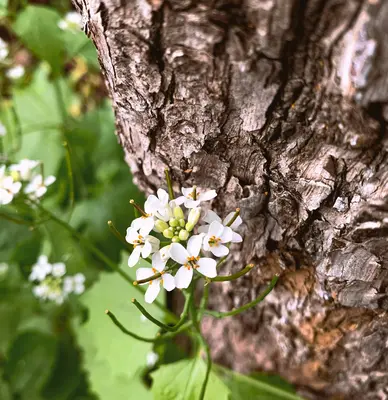
The most celebrated white-flowering dogwood cultivar, Cherokee Princess produces abundant large, pure white bracts that create a stunning spring display lasting 2-3 weeks. This vigorous native tree offers four-season interest with glossy green summer foliage, brilliant red fall color, and attractive winter bark texture. Its reliable blooming and superior disease resistance make it the gold standard for dogwoods in American landscapes.
Sun
Full sun to partial shade
Zones
5–9
USDA hardiness
Height
15-25 feet
Planting Timeline
Showing dates for Flowering Dogwood Cherokee Princess in USDA Zone 7
All Zone 7 ornamental-tree →Zone Map
Click a state to update dates
Flowering Dogwood Cherokee Princess · Zones 5–9
Growing Details
Complete Growing Guide
Cherokee Princess thrives in partial shade (4-6 hours of dappled sunlight) and consistently moist, well-draining acidic soil with a pH between 5.0 and 6.5, conditions where generic dogwoods often struggle. Plant in spring or fall to establish roots before stress periods, and avoid transplanting mature specimens, as this cultivar resents root disturbance more than other varieties. While disease-resistant compared to wild Cornus florida, Cherokee Princess remains susceptible to powdery mildew in humid conditions and anthracnose in poorly draining sites—ensure adequate air circulation and avoid overhead watering. Watch for early leaf drop if soil dries excessively during hot summers; consistent moisture is critical for this cultivar's signature full canopy and four-season display. A practical tip: mulch with 2-3 inches of shredded bark to regulate soil temperature and moisture while keeping mulch 6 inches away from the trunk to prevent rot and pest harboring.
Light: Full sun (6 or more hours of direct sunlight a day), Partial Shade (Direct sunlight only part of the day, 2-6 hours). Soil: Clay, High Organic Matter, Loam (Silt), Sand. Soil pH: Acid (<6.0), Neutral (6.0-8.0). Drainage: Good Drainage, Moist, Occasionally Dry. Height: 15 ft. 0 in. - 25 ft. 0 in.. Spread: 15 ft. 0 in. - 30 ft. 0 in.. Spacing: 12-24 feet, 24-60 feet. Growth rate: Medium. Maintenance: Low. Propagation: Seed, Stem Cutting. Regions: Coastal, Mountains, Piedmont.
Harvesting
Harvesting Cherokee Princess blooms is best timed when the white bracts reach full expansion and display a crisp, pure white color without any creamy or yellowish tones, typically 7-10 days after the bracts first unfurl. The bracts should feel firm and papery to the touch rather than limp or translucent. Since this cultivar produces flowers in successive flushes throughout the spring season, you can engage in continuous harvesting by removing individual stem clusters as they peak, which actually encourages the tree to produce additional blooms rather than setting seed. A key timing tip for Cherokee Princess specifically is to cut stems in early morning after dew has dried, as this cultivar's bracts are most turgid and long-lasting when harvested during cooler hours, significantly extending vase life in arrangements.
Fruit is a glossy bright, shiny red, oval drupes (0.5 inch) in tight clusters of 3 or 4 that are bitter and inedible to humans but loved by birds. They display from August to October.
Color: Green, Red/Burgundy. Type: Berry, Drupe. Length: < 1 inch. Width: < 1 inch.
Garden value: Edible, Showy
Harvest time: Fall
Storage & Preservation
Cherokee Princess dogwood flowers can be displayed fresh in water as cut branches for 1-2 weeks when kept indoors at 65-72°F with moderate humidity. Store cut branches in a cool location away from direct heat and ethylene-producing fruits. For preservation, dry flower bracts by hanging stems upside-down in a dark, well-ventilated area for 2-3 weeks to create long-lasting dried arrangements. Press individual bracts between parchment paper under weight for 4-6 weeks to create botanical specimens. Alternatively, preserve branches in glycerin solution (1 part glycerin to 2 parts water) for 2-3 weeks to maintain flexibility while creating an heirloom display piece.
History & Origin
Cherokee Princess emerged from the mid-twentieth-century wave of dogwood improvement at the U.S. National Arboretum and related breeding programs focused on enhancing Cornus florida cultivars. While detailed breeder attribution and exact introduction year remain somewhat obscure in readily available horticultural records, this cultivar represents the refinement of native flowering dogwood selection emphasizing superior white bract production and disease resistance—particularly resistance to anthracnose, which had begun threatening wild populations. The variety reflects the broader postwar American effort to develop superior ornamental natives, becoming established as a landscape standard through commercial propagation and widespread arboretum trials rather than through a single documented introduction date or breeder name.
Origin: South Eastern Canada, Eastern North America, to Eastern Mexico
Advantages
- +Produces abundant, pure white bracts for stunning 2-3 week spring displays
- +Offers reliable four-season interest with summer foliage, fall color, and winter bark
- +Demonstrates superior disease resistance compared to other dogwood cultivars
- +Vigorous growth habit makes it the gold standard for American landscapes
- +Easy to moderate growing difficulty suitable for most gardeners
Considerations
- -Vulnerable to dogwood borer and scale insect infestations requiring monitoring
- -Susceptible to spot anthracnose and canker diseases despite anthracnose resistance
- -Requires consistent moisture and well-draining soil to thrive reliably
Companion Plants
The shade-tolerant plants in this tree's companion list — Hosta, Astilbe, Coral Bells (Heuchera), Wild Ginger, and ferns — work because they're adapted to the same conditions 'Cherokee Princess' creates: dappled light and acidic soil in the 5.0–6.5 pH range. They stay low and don't compete for canopy space, and their root systems occupy different soil depths than a dogwood's wide-spreading laterals. Azaleas are a natural fit for the same soil reasons; just don't let them press up against the trunk where moisture can collect against the bark. Caladiums and Impatiens are solid annuals for filling gaps under the canopy in summer without putting any real resource pressure on the tree.
Black walnut is a hard no — it produces juglone, a root-zone toxin that Cornus florida is genuinely sensitive to, and you can't just move the dogwood away from it. Large maples are a subtler problem: their shallow, aggressive roots run through the top 12–18 inches of soil and pull moisture that a dogwood needs consistently to stay out of stress. A drought-stressed dogwood is also a more vulnerable target for Synanthedon scitula. Mint is low-stakes by comparison, but it spreads by runners and will colonize the root zone — not worth managing.
Plant Together
Hosta
Thrives in partial shade provided by dogwood canopy, complementary foliage textures
Astilbe
Enjoys similar moist, well-draining soil and partial shade conditions
Coral Bells (Heuchera)
Tolerates shade, provides colorful foliage contrast and ground coverage
Wild Ginger
Native understory plant that thrives in dogwood's filtered light and leaf litter
Ferns
Natural woodland companions, benefit from shade and consistent moisture
Azalea
Similar soil pH preferences and benefits from partial shade protection
Caladium
Shade-loving with colorful foliage that complements dogwood's seasonal interest
Impatiens
Thrives in filtered light, provides continuous color under tree canopy
Keep Apart
Black Walnut
Produces juglone toxin that can stunt dogwood growth and cause leaf yellowing
Large Maple Trees
Shallow root systems compete aggressively for water and nutrients
Mint
Invasive spreading habit can overwhelm tree's root zone and compete for resources
Pests & Disease Resistance
Resistance
Excellent resistance to anthracnose and powdery mildew
Common Pests
Dogwood borer, scale insects, aphids
Diseases
Dogwood anthracnose (resistant), spot anthracnose, canker
Troubleshooting Flowering Dogwood Cherokee Princess
What you'll see, why it happens, and what to do about it.
Sawdust-like frass at the base of the trunk or main branches, often with small entry holes in the bark
Likely Causes
- Dogwood borer (Synanthedon scitula) — larvae tunnel under bark and girdle the cambium layer
- Previous mechanical damage (mower strikes, weed trimmer wounds) that gave the borer an entry point
What to Do
- 1.Keep all mowing equipment at least 12 inches from the trunk — borer infestations almost always start at a wound
- 2.Apply a permethrin-based bark spray to the trunk and main scaffold branches in late April through June, when adult moths are laying eggs
- 3.For established infestations, probe entry holes with a thin wire to kill larvae; badly girdled limbs need to come off
Dark brown or tan spots with purple halos on leaves, appearing in spring shortly after petal drop
Likely Causes
- Spot anthracnose (Elsinoe corni) — a fungal disease that targets young tissue during wet spring weather
- Overhead irrigation or poor air circulation holding moisture on foliage
What to Do
- 1.Apply a copper-based fungicide or chlorothalonil at petal fall and repeat every 10-14 days through wet stretches
- 2.Switch any irrigation to drip or soaker hose to keep water off the canopy
- 3.'Cherokee Princess' carries resistance to discula anthracnose (Discula destructiva), the more serious form, but not to spot anthracnose — don't let that resistance rating give you false confidence here
Leaves wilting and yellowing on one or more branches in midsummer despite adequate soil moisture; bark sunken or discolored at branch unions
Likely Causes
- Dogwood crown canker (Phytophthora cactorum or Botryosphaeria spp.) — typically triggered by waterlogged soil or planting too deep
- Root flare buried at planting, which stresses bark at soil level and opens it to infection
What to Do
- 1.Check planting depth first — the root flare should sit at or just above grade; if it's buried, pull mulch back and carefully expose it
- 2.Never pile mulch against the trunk; keep a 6-inch clear ring and mulch no deeper than 3 inches out to the drip line
- 3.Prune out cankered branches 6 inches below the visible discoloration and disinfect your saw between cuts with a 10% bleach solution
Frequently Asked Questions
When should I plant Cherokee Princess dogwood?▼
How long does the white flowering display last?▼
Is Cherokee Princess dogwood good for beginner gardeners?▼
Can I grow Cherokee Princess dogwood in a container?▼
What sun and soil conditions does Cherokee Princess need?▼
How does Cherokee Princess compare to other dogwood varieties?▼
Zone-by-Zone Planting Calendar
Growing Guides from Wind River Greens
Sources & References
External authority sources used in compiling this guide.
- ExtensionNC State Extension
See the Methodology page for how this data is sourced, what's AI-assisted, and known limitations.