Attis
Brassica oleracea var. gemmifera
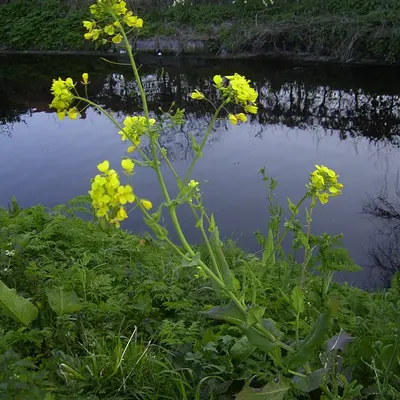
Firm, smooth and very high-quality medium-sized sprouts. Suitable for late-season harvest.
Harvest
118d
Days to harvest
Sun
Full sun to partial shade
Zones
6–9
USDA hardiness
Height
10-24 inches
Planting Timeline
Showing dates for Attis in USDA Zone 7
All Zone 7 brassica →Zone Map
Click a state to update dates
Attis · Zones 6–9
Growing Details
Succession Planting
Brussels sprouts aren't a succession crop — Attis takes 118 days, and you're not pulling plants early to resow the bed. Start one round indoors in February or March, transplant in April through May, and pick from July through November as sprouts button up from the bottom of the stalk.
If you want a longer harvest window, stagger transplant dates by 2–3 weeks rather than starting additional seeds. A plant set out April 15 will be ready noticeably ahead of one set out May 5, which stretches your picking window without much extra work. In zone 7, stop transplanting by late May — anything going in after that will be trying to size up sprouts through the worst of summer heat, and it won't go well.
Complete Growing Guide
Firm, smooth and very high-quality medium-sized sprouts. Suitable for late-season harvest. According to Johnny's Selected Seeds, Attis is 118 days to maturity, annual, hybrid (f1). Disease resistance includes Black Rot Resistant.
Light: Full sun (6 or more hours of direct sunlight a day), Partial Shade (Direct sunlight only part of the day, 2-6 hours). Soil: Clay, Loam (Silt), Sand. Soil pH: Acid (<6.0), Neutral (6.0-8.0). Drainage: Good Drainage, Moist. Height: 0 ft. 10 in. - 2 ft. 0 in.. Spread: 1 ft. 0 in. - 2 ft. 0 in.. Spacing: 12 inches-3 feet. Growth rate: Medium. Maintenance: Medium. Propagation: Seed, Stem Cutting. Regions: Coastal, Mountains, Piedmont.
Harvesting
Attis reaches harvest at 118 days from sowing per Johnny's Selected Seeds. As an annual, harvest continues until frost ends the season.
The fruits dry and split when ripe.
Color: Brown/Copper, Green. Type: Siliqua. Length: > 3 inches.
Garden value: Edible
Harvest time: Fall, Summer
Edibility: The foliage is edible raw or cooked but when cooked can emit an unpleasant odor.
Storage & Preservation
Attis sprouts keep longest in a perforated plastic bag in the crisper drawer at 32–40°F with 95% humidity; they'll hold firm for 3–4 weeks under these conditions. Store unwashed to minimize moisture damage. For longer preservation, freezing works best: trim, halve, blanch for 3–4 minutes, cool rapidly in ice water, then pack in freezer bags for up to 10 months. Fermentation is also excellent for Attis—pack trimmed sprouts into jars with 2–3% salt brine and let sit 4–6 weeks at room temperature for tangy results. Drying is possible but yields a chewy texture better suited to soups than snacking. A practical advantage specific to this variety: its tight, compact heads minimize interior rot during storage, making it more forgiving than looser cultivars if conditions drift slightly above ideal humidity.
History & Origin
Attis is an F1 hybrid developed through controlled cross-pollination. Listed in the Johnny's Selected Seeds catalog.
Origin: W. Europe
Advantages
- +Firm, smooth sprouts with excellent quality and consistent medium sizing
- +Suitable for late-season harvest extending your Brussels sprouts production window
- +Easy to grow variety requiring minimal expertise or special care techniques
- +High-quality sprouts command better market prices and customer satisfaction ratings
Considerations
- -118-day maturity requires long growing season planning and patience
- -Medium-sized sprouts may yield less total harvest weight than larger varieties
- -Late-season timing increases pest and disease pressure in fall months
Companion Plants
Nasturtiums and marigolds pull real weight near Attis sprouts. Nasturtiums act as a trap crop, drawing aphids off your plants and onto themselves — cut and trash those stems rather than reaching for a spray bottle. French marigolds (Tagetes patula) are worth planting densely in any bed that's had soilborne disease pressure; NC State Extension recommends a solid planting of them as a cultural reset before returning susceptible crops to a problem bed. Onions and garlic are shallow-rooted enough to share a bed without competing for the same water and nutrients, and their sulfur compounds seem to genuinely slow cabbage moths from locating brassicas.
Tomatoes are the main thing to keep separated. They go in at the same time as your sprout transplants and will compete for water and fertility across a 118-day season — neither crop wins that arrangement. Pole beans cause a similar drag through root competition and can suppress brassica development noticeably, so give them their own corner.
Plant Together
Dill
Attracts beneficial wasps that parasitize cabbage worms and aphids
Nasturtium
Acts as trap crop for flea beetles and aphids, drawing pests away from brassicas
Onion
Repels cabbage maggots, flea beetles, and aphids with strong sulfur compounds
Marigold
Deters whiteflies and nematodes while attracting beneficial predatory insects
Lettuce
Provides ground cover and efficient space usage without competing for nutrients
Spinach
Compatible growth habits and helps maximize garden space utilization
Garlic
Natural fungicide properties help prevent clubroot and other soil-borne diseases
Celery
Repels cabbage white butterflies and provides pest deterrent aromatics
Keep Apart
Tomato
Competes for similar nutrients and may stunt brassica growth through allelopathy
Strawberry
Both plants are heavy feeders that compete for soil nutrients, reducing yields
Pole Beans
Climbing growth can shade brassicas and both plants attract similar pest insects
Nutrition Facts
Per 100g serving. % Daily Value based on 2,000 calorie diet. Source: USDA FoodData Central (FDC #747447)
Pests & Disease Resistance
Resistance
Black Rot (Intermediate)
Common Pests
Cabbage worms, flea beetles, harlequin bugs, aphids
Diseases
Clubroot, black rot, powdery mildew, bacterial leaf spot
Troubleshooting Attis
What you'll see, why it happens, and what to do about it.
Leaves covered in white powdery coating, typically appearing in late summer or early fall
Likely Causes
- Powdery mildew — a fungal infection that thrives in warm days and cool nights with low soil moisture
- Poor air circulation from crowded 18-inch spacing or dense neighboring plants
What to Do
- 1.Remove and trash the most heavily affected leaves — don't compost them
- 2.Water at the base, not overhead, and do it in the morning so foliage dries fast
- 3.Next season, time transplants so sprouts are sizing up before late-summer heat arrives; NC State Extension notes that late plantings are especially vulnerable to powdery mildew
Plants wilting and stunted with swollen, distorted roots when you pull one up — no obvious above-ground pest visible
Likely Causes
- Clubroot (Plasmodiophora brassicae) — a soil-borne pathogen that persists for years and is most damaging in acidic, wet soils
- Moving contaminated soil on tools or transplants from an infected bed
What to Do
- 1.Pull and bag the entire plant — roots and all — and put it in the trash, not the compost
- 2.Don't plant any brassica (cabbage, broccoli, kale, kohlrabi) in that bed for at least 4 years
- 3.Test soil pH and lime up to 6.8–7.2 if needed; Plasmodiophora brassicae is far less active above pH 7.0
Small, irregular holes chewed in young leaves shortly after transplant, with a fine stippled or shotgun-blast look on leaf surfaces
Likely Causes
- Flea beetles — tiny, fast-jumping beetles that hit hardest on stressed transplants in the first 2–3 weeks
- Imported cabbageworm (Pieris rapae) on older plants once white butterflies are active in the garden
What to Do
- 1.Cover transplants immediately with row cover (AG-19 or equivalent) and seal the edges; flea beetle damage drops sharply once plants reach 6 inches and get established
- 2.Flip leaves twice a week and crush the pale yellow cabbageworm eggs before they hatch
- 3.For heavy caterpillar pressure, apply Bacillus thuringiensis var. kurstaki (Bt) in the evening — it's selective and won't touch beneficial insects
Frequently Asked Questions
How long does it take Attis Brussels sprouts to mature?▼
Is Attis Brussels sprouts good for beginners?▼
Can you grow Attis Brussels sprouts in containers?▼
What does Attis Brussels sprout taste like?▼
When should I plant Attis Brussels sprouts?▼
How much sunlight do Attis Brussels sprouts need?▼
Zone-by-Zone Planting Calendar
| Zone | Indoor Start | Transplant | Direct Sow | Harvest |
|---|---|---|---|---|
| Zone 1 | April – May | June – July | June – July | September – September |
| Zone 2 | April – May | June – July | May – July | September – September |
| Zone 11 | January – January | January – February | January – February | April – December |
| Zone 12 | January – January | January – February | January – February | April – December |
| Zone 13 | January – January | January – February | January – February | April – December |
| Zone 3 | March – April | May – June | May – June | August – October |
| Zone 4 | March – April | May – June | April – June | August – October |
| Zone 5 | February – March | April – May | April – May | August – November |
| Zone 6 | February – March | April – May | April – May | July – November |
| Zone 7 | February – March | April – May | March – May | July – November |
| Zone 8 | January – February | March – April | March – April | June – December |
| Zone 9 | January – January | February – March | February – March | May – December |
| Zone 10 | January – January | February – March | January – March | May – December |
Growing Guides from Wind River Greens
Sources & References
External authority sources used in compiling this guide.
- BreederJohnny's Selected Seeds
- USDAUSDA FoodData Central
See the Methodology page for how this data is sourced, what's AI-assisted, and known limitations.