Kelvedon Wonder
Pisum sativum 'Kelvedon Wonder'
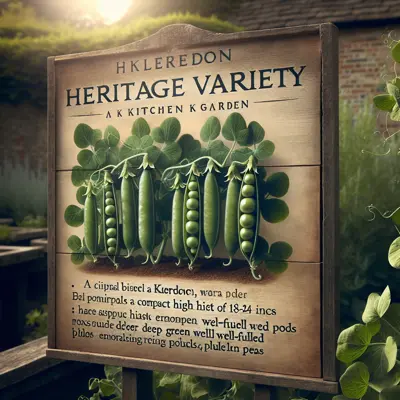
A British favorite since 1925 that combines early maturity with exceptional productivity in a compact plant. This reliable variety produces abundant crops of well-filled pods containing 7-9 sweet, tender peas that have made it a mainstay in European gardens for nearly a century. Kelvedon Wonder's dependable performance and superior flavor make it perfect for gardeners seeking a proven, space-efficient shelling pea.
Harvest
60-65d
Days to harvest
Sun
Full sun to partial shade
Zones
2–11
USDA hardiness
Height
12-18 inches
Planting Timeline
Showing dates for Kelvedon Wonder in USDA Zone 7
All Zone 7 pea →Zone Map
Click a state to update dates
Kelvedon Wonder · Zones 2–11
Growing Details
Succession Planting
Kelvedon Wonder stops setting pods reliably once daytime highs push past 75–80°F, so a single sowing rarely delivers the volume most gardeners want. Direct sow every 14-21 days from when soil temperatures hit 45°F in late winter through mid-April in zone 7 — that window usually allows 2-3 staggered plantings before heat shuts things down. For a fall run, count back 65 days from your first expected frost and sow again in late August or early September. If soil is still above 85°F at sowing depth, drench the bed thoroughly the day before to cool it down; germination rates drop sharply above that threshold.
Complete Growing Guide
Start preparing your garden bed for Kelvedon Wonder peas in late winter by working compost into well-draining soil. Avoid heavy nitrogen fertilizers, as peas fix their own nitrogen through root nodules. Instead, incorporate a balanced 10-10-10 fertilizer at planting time, working it 4-6 inches deep.
Direct sow seeds 3-4 weeks before your last frost date when soil temperature consistently reaches 45°F. In zones 3-5, this typically means early to mid-April, while zones 6-8 can plant in March. Plant seeds 1.5 inches deep and 2 inches apart in double rows spaced 6 inches apart, allowing 18 inches between each double row section. Soak seeds overnight before planting to improve germination rates, but avoid soaking if soil conditions are very wet.
Install support structures immediately after planting, even though Kelvedon Wonder only reaches 18-24 inches tall. Use 3-foot tall pea netting, chicken wire, or bamboo teepees to prevent plants from sprawling and improve air circulation. This compact variety doesn't require heavy support but benefits from something to lean against during pod development.
Water consistently but avoid overwatering, especially in cool spring conditions. Peas prefer soil that's moist but not waterlogged, as soggy conditions promote root rot. Apply a thin layer of straw mulch once plants are 4 inches tall to retain moisture and suppress weeds.
Avoid common mistakes like planting too deeply in heavy clay soil (plant only 1 inch deep in clay) or applying high-nitrogen fertilizers that promote excessive foliage at the expense of pod production. Don't disturb roots when weeding, as pea roots are shallow and easily damaged.
For maximum yields, make succession plantings every 2 weeks until 8 weeks before your first fall frost. In hot climates (zones 8-9), focus on early spring and fall plantings, as Kelvedon Wonder struggles in temperatures above 75°F. Pick pods regularly once production begins to encourage continued flowering and prevent plants from going to seed prematurely.
Harvesting
Harvest Kelvedon Wonder pods 60-65 days after sowing when pods are plump, bright green, and well-filled but before peas become starchy. The ideal pod will be 3-4 inches long with clearly visible pea outlines but still glossy and tender. Test readiness by gently squeezing a pod - it should feel firm and full, with peas that give slightly under pressure.
Perform the 'snap test' by bending the pod - mature pods for shelling will snap crisply rather than bend. Harvest in early morning when pods are crisp and full of moisture, avoiding the heat of midday when pods can become tough.
Pick pods using both hands - hold the vine steady with one hand while gently pulling pods with a slight twisting motion with the other. This prevents damage to the plant's delicate stems and root system. Never yank pods straight down, as this can uproot the entire plant.
Harvest every 2-3 days once production begins, as Kelvedon Wonder can produce for 3-4 weeks when picked regularly. Overmature pods turn pale and develop a waxy coating, and the peas inside become mealy and lose their sweetness.
Storage & Preservation
Fresh Kelvedon Wonder peas maintain peak quality for only 2-3 days after harvest, so process them quickly for best results. Store unhulled pods in perforated plastic bags in the refrigerator at 32-40°F with high humidity. Never wash pods before storage as moisture promotes decay.
For freezing, shell peas immediately after harvest and blanch in boiling water for 2 minutes, then plunge into ice water. Drain thoroughly and freeze in portions suitable for your family size. Properly blanched and frozen Kelvedon Wonder peas retain their sweet flavor for up to 8 months.
This variety also excels for traditional British-style dried peas. Allow pods to dry completely on the plant until they turn brown and rattle when shaken. Shell the dried peas and store in airtight containers for up to 2 years. These work beautifully in split pea soups and traditional mushy peas. Fresh peas can also be dehydrated at 125°F for 8-12 hours for long-term storage.
History & Origin
Kelvedon Wonder was developed in 1925 by the renowned British seed company Kelvedon Seeds, located in Essex, England. This variety emerged during Britain's interwar period when there was significant focus on developing productive, space-efficient vegetables for smaller suburban gardens that were becoming common as cities expanded.
The variety was specifically bred to combine the earliness of dwarf peas with the productivity typically found only in taller climbing varieties. Kelvedon Seeds achieved this breakthrough by crossing early dwarf varieties with more productive but later-maturing types, creating a compact plant that could produce abundant harvests in just 8-10 weeks.
Kelvedon Wonder quickly became a cornerstone variety in British victory gardens during World War II, valued for its reliability and space efficiency when every square foot of growing space mattered. The variety's reputation for dependable performance in Britain's cool, variable climate made it a favorite among both home gardeners and commercial growers.
Today, nearly a century after its introduction, Kelvedon Wonder remains largely unchanged from its original form, testament to the excellent breeding work of its developers and its continued relevance in modern gardens seeking proven, productive varieties.
Advantages
- +Exceptionally reliable germination and establishment even in cold, wet spring conditions
- +Compact 18-24 inch height requires minimal support while producing full-sized pods
- +Consistent 7-9 peas per pod with remarkably uniform sizing for efficient processing
- +Extended harvest period of 3-4 weeks when picked regularly, unusual for early varieties
- +Superior cold tolerance allows planting 3-4 weeks before frost with minimal risk
- +Naturally resistant to common pea diseases without sacrificing productivity
- +Excellent fresh eating quality with sweet, tender texture that holds well after picking
Considerations
- -Production drops significantly in temperatures above 75°F, limiting hot climate growing seasons
- -Pods must be harvested every 2-3 days or quickly become tough and starchy
- -Susceptible to pea aphid infestations during warm, humid conditions
- -Shorter harvest window compared to indeterminate climbing varieties
- -Plants may lodge (fall over) in windy conditions without adequate support
Companion Plants
Radishes are the most immediately useful neighbor here — they germinate in 5-7 days, mark your pea rows before the peas are even up, and their taproots break the top few inches of soil without competing with the pea's shallow roots. Lettuce and spinach work well tucked alongside because they tolerate the afternoon shade a short pea row throws, and they're off the bed before summer heat arrives anyway. Nasturtiums planted at the row ends draw pea aphids (Acyrthosiphon pisum) away from the main crop — pull the nasturtium stems once they're visibly colonized rather than letting the aphid population cycle back. Onions and garlic belong somewhere else entirely; both suppress legume root nodule development, which means your Kelvedon Wonder fixes less nitrogen and grows worse for the proximity.
Plant Together
Carrots
Peas improve soil nitrogen for carrots, while carrots help break up soil for pea roots
Radishes
Quick-growing radishes help break up soil and can be harvested before peas need full space
Lettuce
Provides ground cover to retain soil moisture and benefits from nitrogen fixed by peas
Spinach
Cool-season companion that utilizes nitrogen from pea roots and provides efficient space use
Cucumbers
Benefits from nitrogen fixed by peas and provides ground cover after pea harvest
Corn
Peas can climb corn stalks for support while fixing nitrogen that corn can utilize
Mint
Repels aphids and ants that can damage peas, though should be contained to prevent spreading
Nasturtiums
Acts as trap crop for aphids and cucumber beetles while attracting beneficial predatory insects
Keep Apart
Onions
Can inhibit pea growth and nitrogen fixation through root secretions
Garlic
Allelopathic compounds can stunt pea growth and interfere with beneficial root bacteria
Gladiolus
Competes heavily for nutrients and can harbor thrips that damage pea plants
Nutrition Facts
Per 100g serving. % Daily Value based on 2,000 calorie diet. Source: USDA FoodData Central (FDC #170419)
Pests & Disease Resistance
Resistance
Good general disease resistance, naturally hardy variety
Common Pests
Pea aphid, pea weevil, thrips, birds
Diseases
Fusarium wilt, powdery mildew, root rot, pea leaf roll virus
Troubleshooting Kelvedon Wonder
What you'll see, why it happens, and what to do about it.
Leaves curling and puckering, sticky residue on stems, small soft-bodied insects clustered near growing tips
Likely Causes
- Pea aphid (Acyrthosiphon pisum) — colonies build fast in cool weather, especially on tender new growth
- Thrips feeding — NC State Extension notes thrips cause leaf curling and puckering similar to aphid damage
What to Do
- 1.Knock aphids off with a firm spray of water; repeat every 2-3 days until the population drops
- 2.Protect parasitic wasps and lacewings already in the garden — don't reach for broad-spectrum insecticides that wipe out beneficials along with the pests
- 3.If thrips are the culprit, remove and bag heavily infested shoot tips; lay reflective silver mulch at the base of the row before the next planting to deter them from landing
White powdery coating on upper leaf surfaces, typically appearing after day 50 as temperatures climb
Likely Causes
- Powdery mildew — a fungal pathogen that thrives when days run 65–80°F and nights are cool, exactly the tail end of pea season
- Crowded spacing cutting off airflow — Kelvedon Wonder is a short vine at 12-18 inches but still needs air moving through it
What to Do
- 1.Space plants 2-3 inches apart at sowing so the canopy doesn't mat together by mid-season
- 2.At first sign, apply a potassium bicarbonate product — it won't reverse damage on infected leaves but slows spread to healthy tissue
- 3.Clear all plant debris at the end of the season rather than leaving spent vines to decompose in place; the fungus carries over on dead material
Plants wilting despite moist soil, yellowing climbing from the base upward, brown discoloration inside the stem when you cut it
Likely Causes
- Fusarium wilt (Fusarium oxysporum f. sp. pisi) — soil-borne, survives for years in the same bed, accelerated by soil temperatures above 60°F
- Root rot from waterlogged conditions — peas need 1 inch of water per week but deteriorate quickly if drainage is poor
What to Do
- 1.Pull and bin affected plants — don't put them in compost
- 2.Rotate peas out of that bed for at least 3-4 years; Fusarium spores don't break down fast
- 3.Before replanting in a repeatedly affected spot, work in several inches of compost to open up clay soils; raised beds are a practical fix if standing water is a regular problem
Frequently Asked Questions
How long does Kelvedon Wonder take to grow from seed to harvest?▼
Can you grow Kelvedon Wonder peas in containers?▼
Is Kelvedon Wonder good for beginner gardeners?▼
When should I plant Kelvedon Wonder peas in spring?▼
What does Kelvedon Wonder taste like compared to other peas?▼
Do Kelvedon Wonder peas need support or trellising?▼
Zone-by-Zone Planting Calendar
| Zone | Indoor Start | Transplant | Direct Sow | Harvest |
|---|---|---|---|---|
| Zone 3 | — | — | May – June | July – October |
| Zone 4 | — | — | April – June | June – October |
| Zone 5 | — | — | April – May | June – November |
| Zone 6 | — | — | April – May | June – November |
| Zone 7 | — | — | March – May | May – November |
| Zone 8 | — | — | March – April | May – December |
| Zone 9 | — | — | February – March | April – December |
| Zone 10 | — | — | January – March | March – December |
| Zone 1 | — | — | June – July | August – September |
| Zone 2 | — | — | May – July | July – September |
| Zone 11 | — | — | January – February | February – December |
| Zone 12 | — | — | January – February | February – December |
| Zone 13 | — | — | January – February | February – December |
Growing Guides from Wind River Greens
Sources & References
External authority sources used in compiling this guide.
See the Methodology page for how this data is sourced, what's AI-assisted, and known limitations.