Sweet Coneflower
Rudbeckia subtomentosa
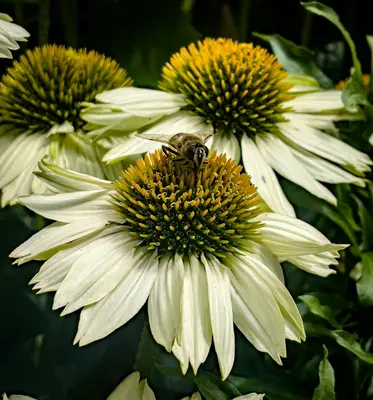
Sweet Coneflower (Rudbeckia subtomentosa) is a perennial native wildflower. Hardy in USDA zones 4 to 8.
Sun
Full sun to partial shade
Zones
4–8
USDA hardiness
Height
3-5 feet
Planting Timeline
Showing dates for Sweet Coneflower in USDA Zone 7
All Zone 7 native-wildflower →Zone Map
Click a state to update dates
Sweet Coneflower · Zones 4–8
Growing Details
Complete Growing Guide
Light: Full sun (6 or more hours of direct sunlight a day), Partial Shade (Direct sunlight only part of the day, 2-6 hours). Soil: Clay, Loam (Silt), Sand. Drainage: Good Drainage. Height: 3 ft. 0 in. - 5 ft. 0 in.. Spread: 1 ft. 0 in. - 2 ft. 0 in.. Growth rate: Medium. Maintenance: Low. Propagation: Seed. Regions: Coastal, Mountains, Piedmont.
Harvesting
The center disk becomes a head of dark, 4-sided seeds that lack a tuft of hairs.
Color: Brown/Copper.
Harvest time: Fall
Storage & Preservation
Sweet Coneflower blooms are typically harvested for fresh arrangements and stored in a cool location, ideally in a refrigerator at 35-40°F with moderate humidity to extend vase life to 7-10 days. For preservation, dried flowers are the primary method—hang-dry in bundles in a warm, dark, well-ventilated space for 2-3 weeks, then store in airtight containers away from light. Alternatively, press flowers between parchment paper under weight for 2-4 weeks to create flat specimens for crafts or herbals. Frozen preservation is less common but possible by freezing blooms on trays before transferring to freezer bags for 6+ months.
History & Origin
Origin: central United States
Advantages
- +Fragrant flowers attract pollinators and provide late-season nectar source
- +Thrives in poor soil and tolerant of drought conditions
- +Long blooming period from mid-summer through fall frost
- +Hardy perennial requires minimal maintenance once established
- +Self-seeds readily for natural garden expansion
Considerations
- -Susceptible to powdery mildew in humid climates
- -Prefers well-drained soil and struggles in clay
- -Can become leggy without deadheading or staking support
Companion Plants
Black-Eyed Susan (Rudbeckia hirta), Purple Coneflower (Echinacea purpurea), and Little Bluestem Grass (Schizachyrium scoparium) are the strongest companions — they share similar drought tolerance once established, root at different depths so they don't compete hard for water, and together they extend the pollinator bloom window from June through October. Wild Bergamot pulls in the same bee guilds without crowding at 18-24 inch spacing. Black Walnut is the real threat: juglone leaches into the soil from roots that can extend well beyond the canopy drip line, and Rudbeckia shows documented sensitivity to it. Tall Fescue and Crown Vetch are a slower problem — both spread aggressively enough to smother a coneflower clump within two to three seasons without any warning signs until it's mostly gone.
Plant Together
Black-Eyed Susan
Similar growing conditions and bloom times, creates attractive prairie-style display
Purple Coneflower
Complementary colors and shared pollinators, both attract beneficial insects
Little Bluestem Grass
Native prairie grass provides structural contrast and shared habitat preferences
Wild Bergamot
Attracts different pollinators and beneficial insects, similar soil requirements
Butterfly Milkweed
Creates pollinator habitat corridor, complementary orange and yellow colors
New England Aster
Extends bloom season into fall, shared native habitat and pollinators
Switchgrass
Native grass provides winter interest and wildlife habitat, won't compete for nutrients
Wild Columbine
Early spring bloomer extends season, attracts hummingbirds and native bees
Keep Apart
Black Walnut
Produces juglone which is toxic to many wildflowers including coneflowers
Tall Fescue
Aggressive non-native grass outcompetes native wildflowers for resources
Crown Vetch
Invasive legume forms dense mats that smother native wildflowers
Troubleshooting Sweet Coneflower
What you'll see, why it happens, and what to do about it.
Powdery white coating on leaves in mid to late summer, especially on lower foliage
Likely Causes
- Powdery mildew (Erysiphe cichoracearum) — common on Rudbeckia in humid conditions with poor airflow
- Crowded planting at less than 18 inches apart
What to Do
- 1.Cut affected stems back by a third — the plant will push new growth
- 2.Thin clumps so air can move through; Sweet Coneflower spreads by rhizome and gets dense after 2-3 years
- 3.Avoid overhead watering in the evening; switch to morning or drip irrigation
Stems flopping over or lodging by midsummer, especially in shadier spots
Likely Causes
- Insufficient light — fewer than 4 hours of direct sun causes etiolated, weak stems
- Excess nitrogen from nearby fertilized beds pushing fast, soft growth
What to Do
- 1.Move or divide the clump to a spot with at least 6 hours of sun
- 2.Cut stems back by half in late May (the 'Chelsea chop') to encourage shorter, stiffer branching
- 3.Skip the fertilizer — Sweet Coneflower performs better in average to lean soil and extra nitrogen just makes the problem worse
Seedlings or young transplants wilting and failing to establish, with roots that look brown and mushy
Likely Causes
- Pythium root rot from consistently waterlogged soil, especially in clay-heavy sites
- Transplanting into ground that hasn't warmed — soil below 50°F slows root development significantly
What to Do
- 1.Amend the planting area with coarse grit or aged compost to improve drainage before you plant
- 2.Wait until soil temps are reliably above 55°F — in zone 7 that's typically mid to late May
- 3.If replanting in the same spot, raise the bed by 3-4 inches rather than fighting the drainage problem
Frequently Asked Questions
How long does Sweet Coneflower bloom and when should I plant it?▼
Is Sweet Coneflower good for beginners?▼
Can you grow Sweet Coneflower in containers?▼
What does Sweet Coneflower attract to the garden?▼
How do I care for Sweet Coneflower over winter?▼
Sweet Coneflower vs. Black-eyed Susan—what's the difference?▼
Zone-by-Zone Planting Calendar
Growing Guides from Wind River Greens
Sources & References
External authority sources used in compiling this guide.
- ExtensionNC State Extension
See the Methodology page for how this data is sourced, what's AI-assisted, and known limitations.