Goldmound Spirea
Spiraea japonica 'Goldmound'
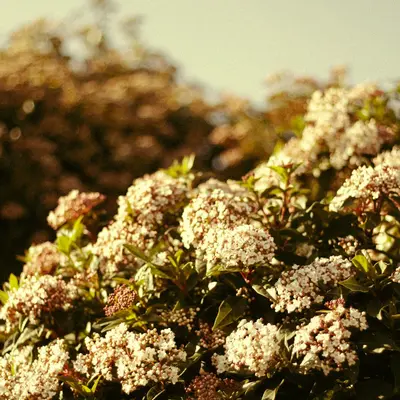
A compact deciduous shrub that brings year-round color with bright golden-yellow foliage that transitions through orange and red in fall. Pink flower clusters appear in late spring, creating a stunning contrast against the golden leaves. This low-maintenance beauty is perfect for mass plantings, borders, and foundation plantings.
Sun
Full sun to partial shade
Zones
3–8
USDA hardiness
Height
4-6 feet
Planting Timeline
Showing dates for Goldmound Spirea in USDA Zone 7
All Zone 7 shrub →Zone Map
Click a state to update dates
Goldmound Spirea · Zones 3–8
Growing Details
Complete Growing Guide
Goldmound Spirea thrives in full sun to part shade, requiring at least six hours of direct sunlight daily to maintain its signature golden color—insufficient light causes the foliage to fade to green. Prune in early spring before new growth emerges, cutting back stems by one-third to encourage a compact, mounded shape and prevent the leggy sprawl common in older plants. This cultivar is highly susceptible to powdery mildew in humid conditions or when crowded; ensure good air circulation and avoid overhead watering. While generally pest-resistant, spider mites occasionally appear in hot, dry summers, so monitor leaf undersides closely. The timing of its spring bloom is relatively fixed, typically appearing in May regardless of season variations. One essential tip: deadhead spent flower clusters promptly to extend blooming and redirect energy into foliage color rather than seed production, keeping your plant vibrant through summer.
Light: Full sun (6 or more hours of direct sunlight a day), Partial Shade (Direct sunlight only part of the day, 2-6 hours). Soil: Clay, High Organic Matter, Loam (Silt), Shallow Rocky. Soil pH: Alkaline (>8.0). Drainage: Good Drainage. Height: 4 ft. 0 in. - 6 ft. 0 in.. Spread: 4 ft. 0 in. - 7 ft. 0 in.. Spacing: 3 feet-6 feet. Growth rate: Rapid. Maintenance: High. Propagation: Seed, Stem Cutting. Regions: Coastal, Mountains, Piedmont.
Harvesting
Goldmound Spirea is primarily harvested for its ornamental foliage and flowers rather than edible yield. Peak visual readiness occurs when new growth displays vibrant golden-yellow coloring in spring, with flower clusters fully open and displaying their characteristic pink hues in late spring to early summer. The foliage should feel firm and turgid, indicating active growth. Unlike fruiting plants, this shrub offers continuous ornamental value throughout the growing season as foliage transitions through warm tones into fall. For cut arrangements, harvest flower stems in the morning when they're hydrated and fully open. Pruning can be performed as a single harvest in late winter or early spring to maintain the plant's compact 4-6 foot form, or continuously throughout the growing season to encourage bushier growth and sustained flowering.
Fruit is a dry, brown follicle.
Color: Brown/Copper. Type: Follicle.
Storage & Preservation
Goldmound Spirea is ornamental rather than edible, so traditional storage and preservation methods don't apply. However, cut stems used in floral arrangements can be preserved briefly using standard florist techniques.
Place freshly cut stems immediately in a clean vase filled with cool, fresh water. Add floral preservative (which includes sugar, biocide, and pH buffer) to extend vase life to 7-10 days. Change water every 2-3 days and re-cut stem ends at a 45-degree angle to improve water uptake.
For longer-term preservation, you can air-dry Goldmound Spirea flower clusters by hanging bundles upside-down in a warm, dark, well-ventilated space for 2-3 weeks. Dried flowers retain their pink color reasonably well and work in dried arrangements, wreaths, or craft projects. Alternatively, press individual flower clusters between newspaper weights for 2-3 weeks to create botanical specimens for pressing crafts.
History & Origin
Goldmound Spirea is a cultivar of Spiraea japonica, a species native to Japan, China, and Korea with a long history in ornamental gardening. While specific breeder documentation for 'Goldmound' remains limited in readily available horticultural records, it emerged during the late twentieth century as part of broader breeding efforts to develop colorful foliage selections within the japonica complex. The cultivar represents the continued refinement of Japanese spirea genetics, capitalizing on the species' natural tendency toward vibrant spring foliage and reliable flowering. Its introduction reflects the growing market demand for multi-season interest plants that combine ornamental foliage with manageable growth habits, positioning it firmly within modern shrub breeding objectives.
Origin: Japan and China
Advantages
- +Vibrant golden foliage provides year-round color interest in landscapes
- +Pink flowers create beautiful contrast against bright yellow leaves
- +Compact size makes it ideal for small spaces and borders
- +Low-maintenance shrub requires minimal pruning and care
- +Easy to grow with excellent performance in most conditions
Considerations
- -Susceptible to powdery mildew in humid or wet climates
- -Aphids and spider mites can occasionally infest the foliage
- -May require afternoon shade in extremely hot climates
- -Fall color performance varies depending on temperature fluctuations
Companion Plants
Lavender and catmint are the two companions most worth planting near Goldmound Spirea, and the reason is practical: both attract parasitic wasps and hoverflies that keep spirea aphid (Aphis spiraecola) populations in check without any intervention from you. They also share a preference for well-drained soil and 6+ hours of sun, so you're not fighting competing water needs. Around here in the Georgia piedmont, that combination pulls double duty — looking intentional all spring while giving you a functional pest buffer right when new spirea growth is most vulnerable.
Daylilies, ornamental grasses, and Sedum round out a solid planting scheme because their root systems run deeper than Goldmound's fibrous, shallow roots — no real tug-of-war for moisture. Coral Bells and Hosta are workable in partially shaded spots, though color retention on Goldmound drops noticeably below 4 hours of direct sun, so manage expectations there.
Black Walnut (Juglans nigra) is the companion to take seriously. The tree releases juglone through its roots and decomposing leaf litter, and the compound is genuinely toxic to a wide range of woody ornamentals — NC State Extension lists Spiraea among susceptible genera. Maple trees create a different headache: aggressive surface roots that out-compete shallow-rooted shrubs for moisture during dry spells, which in a Georgia August means the spirea loses every time. Rhododendron brings a soil chemistry problem — it drives pH down toward 4.5, below the 5.0 floor Goldmound tolerates — so keep those two separated by at least one bed.
Plant Together
Lavender
Repels pests like aphids and spider mites, thrives in similar well-drained soil conditions
Catmint
Deters ants and rodents, complements spirea's bloom time with extended flowering
Daylilies
Provides complementary summer blooms while spirea offers spring color, similar water needs
Hosta
Thrives in partial shade created by mature spirea, provides contrasting foliage texture
Russian Sage
Excellent drought tolerance match, attracts beneficial insects while deterring harmful pests
Coral Bells
Tolerates similar light conditions, colorful foliage complements spirea's golden leaves
Ornamental Grasses
Provides textural contrast and extends seasonal interest after spirea blooms fade
Sedum
Shares preference for well-drained soil, attracts pollinators during spirea's bloom period
Keep Apart
Black Walnut
Produces juglone toxin that can stunt spirea growth and cause leaf yellowing
Maple Trees
Creates dense shade and competes aggressively for nutrients, reducing spirea's flowering
Rhododendron
Requires acidic soil while spirea prefers neutral to slightly alkaline conditions
Pests & Disease Resistance
Resistance
Generally disease resistant
Common Pests
Aphids, spider mites occasionally
Diseases
Powdery mildew in humid conditions, fire blight rarely
Troubleshooting Goldmound Spirea
What you'll see, why it happens, and what to do about it.
White powdery coating on new leaves and stems, usually appearing mid-summer
Likely Causes
- Powdery mildew (Erysiphe spiraeae) — thrives when nights cool down after hot days and airflow is poor
- Overcrowded planting or positioning against a fence or wall that traps humidity
What to Do
- 1.Thin out any crossing branches to open up the center of the shrub — 18 inches of breathing room makes a real difference
- 2.Spray affected foliage with a diluted neem oil solution (2 tbsp per gallon of water) in the early morning so leaves dry before nightfall
- 3.Don't plant replacements closer than 3 feet apart; tight spacing is the main reason this shows up repeatedly in the same spot
Foliage losing its gold color — leaves going green or lime, especially by late summer
Likely Causes
- Too much shade — Goldmound needs at least 4-6 hours of direct sun to hold that chartreuse-gold color
- Excess nitrogen from over-fertilizing, which pushes green vegetative growth at the expense of leaf pigmentation
What to Do
- 1.Move the shrub in fall, once it's dormant, to a spot with more direct morning sun
- 2.Cut back on fertilizer — one light application of a balanced slow-release granular in early spring is enough; skip mid-season feeding entirely
- 3.If a neighboring tree has filled in and is now casting shade, pruning that canopy back is faster than relocating the shrub
Clusters of small, soft-bodied insects on new growth tips; leaves curling or sticky to the touch
Likely Causes
- Spirea aphid (Aphis spiraecola) — targets soft new tissue right after spring pruning or a flush of growth
- Absence of predatory insects, often because nearby plants were sprayed with broad-spectrum pesticides
What to Do
- 1.Knock aphids off with a firm stream of water from the hose — repeat daily for a week; it works better than most people expect
- 2.If numbers are high, apply insecticidal soap (ready-to-use or 1 tbsp castile soap per quart of water) directly to the colonies, not the whole shrub
- 3.Plant lavender or catmint within 5-6 feet — both attract parasitic wasps that keep Aphis spiraecola populations in check
Branch tips dying back with a shepherd's crook shape; bark looks water-soaked then turns dark brown
Likely Causes
- Fire blight (Erwinia amylovora) — a bacterial disease that enters through flowers or fresh wounds, more common after warm wet springs
- Pruning with unsterilized tools, which spreads the bacteria from cut to cut
What to Do
- 1.Cut out infected wood at least 8-12 inches below the visible damage; don't leave stubs
- 2.Sterilize pruners between every single cut with a 10% bleach solution or 70% isopropyl alcohol — skipping this step just moves the problem
- 3.Bag and trash all removed material; don't compost it or leave it on the ground near the plant
Frequently Asked Questions
How tall does Goldmound Spirea grow?▼
Is Goldmound Spirea a good choice for beginners?▼
Can you grow Goldmount Spirea in containers?▼
When should I plant Goldmound Spirea?▼
Why is my Goldmound Spirea losing its golden color?▼
How do I prevent powdery mildew on Goldmound Spirea?▼
Zone-by-Zone Planting Calendar
Growing Guides from Wind River Greens
Sources & References
External authority sources used in compiling this guide.
- ExtensionNC State Extension
See the Methodology page for how this data is sourced, what's AI-assisted, and known limitations.