Double Zahara™ Raspberry Ripple
Zinnia marylandica
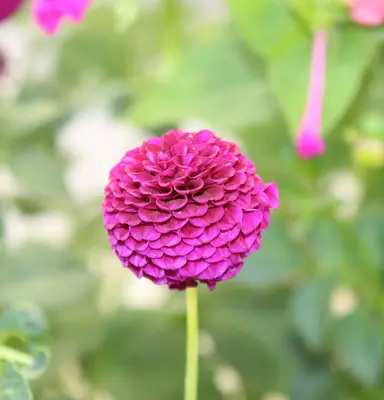
An easy-to-grow choice for cheerful color in the garden or pots. Highly uniform plants with a low-growing, mounding habit that flower continuously, providing weeks of color. Abundant, fully double, bicolor blooms average 1 1/2-2 1/2" wide. Rose shades can vary under different environmental conditions: cooler temperatures accentuate the rose coloration, whereas when flowers age and experience more heat, the white comes out more. Zahara dwarf zinnias were bred for powdery mildew resistance and long-lasting color for landscapes and garden beds.
Harvest
75-85d
Days to harvest
Sun
Full sun to partial shade
Zones
11–12
USDA hardiness
Height
12-24 inches
Planting Timeline
Showing dates for Double Zahara™ Raspberry Ripple in USDA Zone 7
All Zone 7 flower →Zone Map
Click a state to update dates
Double Zahara™ Raspberry Ripple · Zones 11–12
Growing Details
Succession Planting
Direct sow every 3 weeks from April through early June, stopping before daytime highs are consistently hitting 95°F — germination drops off sharply above that. A staggered schedule gives you separate flushes of bloom from midsummer through first frost rather than one big peak that fades by August. For cut-flower production, that cadence matters more than it does if you're just filling a bed.
Cut stems every 5 to 7 days rather than deadheading spent blooms — taking a full stem forces the plant to branch lower and set more buds. If you let seed heads dry on the plant instead, flowering slows noticeably within two weeks. One sowing in late May, kept on a consistent cutting schedule, can carry a bed from late July well into October.
Complete Growing Guide
An easy-to-grow choice for cheerful color in the garden or pots. Highly uniform plants with a low-growing, mounding habit that flower continuously, providing weeks of color. Abundant, fully double, bicolor blooms average 1 1/2-2 1/2" wide. Rose shades can vary under different environmental conditions: cooler temperatures accentuate the rose coloration, whereas when flowers age and experience more heat, the white comes out more. Zahara dwarf zinnias were bred for powdery mildew resistance and long-lasting color for landscapes and garden beds. According to Johnny's Selected Seeds, Double Zahara™ Raspberry Ripple is 75 - 85 days to maturity, annual, open pollinated. Notable features: Easy Choice, Grows Well in Containers, Attracts Beneficial Insects.
Light: Full sun (6 or more hours of direct sunlight a day), Partial Shade (Direct sunlight only part of the day, 2-6 hours). Soil: Clay, High Organic Matter, Loam (Silt), Sand. Soil pH: Acid (<6.0), Alkaline (>8.0), Neutral (6.0-8.0). Drainage: Good Drainage, Moist. Height: 1 ft. 0 in. - 2 ft. 0 in.. Spread: 0 ft. 6 in. - 1 ft. 0 in.. Spacing: 12 inches-3 feet. Growth rate: Medium. Maintenance: Low. Propagation: Seed. Regions: Coastal, Mountains, Piedmont.
Harvesting
Double Zahara™ Raspberry Ripple reaches harvest at 75 - 85 days from sowing per Johnny's Selected Seeds. Expect 1 1/2-2 1/2" at peak. As an annual, harvest continues until frost ends the season.
Type: Achene.
Storage & Preservation
Double Zahara® Raspberry Ripple is an ornamental flower variety. Fresh cut blooms should be stored in a cool location (65-72°F) in a clean vase filled with fresh water and floral preservative. Keep away from direct sunlight, heat sources, and ripening fruit. Change water every 2-3 days and trim stems at an angle. Cut flowers typically last 7-14 days. For preservation, consider air-drying upside-down in a dark, well-ventilated area for dried arrangements, or press individual petals between paper for craft projects. Flower pressing preserves blooms for 6+ months when stored in a cool, dry location.
History & Origin
Double Zahara™ Raspberry Ripple is open-pollinated, meaning seed saved from healthy plants will produce true-to-type offspring. Listed in the Johnny's Selected Seeds catalog.
Origin: Mexico, southwestern USA
Advantages
- +Fully double bicolor blooms create striking visual contrast in garden beds
- +Powdery mildew resistance reduces disease pressure compared to standard zinnia varieties
- +Low-growing mounding habit requires minimal deadheading for continuous flowering
- +Compact plants thrive in containers and small garden spaces
- +Color intensity varies beautifully with temperature changes throughout seasons
Considerations
- -Rose coloration fades to predominantly white in hot summer conditions
- -Fully double flowers may rot in excessive humidity or wet weather
- -Requires consistent moisture; susceptible to root issues in poor drainage
Companion Plants
Marigolds and nasturtiums are worth planting closest to Double Zahara. Tagetes patula releases thiophenes from its roots that suppress soil nematodes, and the scent confuses aphids that would otherwise zero in on your zinnias. Nasturtiums pull double duty: they draw aphids away as a trap crop and bring in lacewings and hoverflies that clean up the overflow. Cosmos and sunflowers work well at a slight distance — they don't compete aggressively for root space and they keep pollinators cycling through the whole bed, which matters if you're growing zinnias near a vegetable patch.
Black walnut trees are the hard stop here. Juglone — the allelopathic compound black walnuts shed through roots and decomposing leaf litter — is broad-spectrum enough to stunt or kill many annuals outright, and Double Zahara is no exception. Mint is a different kind of problem: it spreads by underground runners and will physically crowd out shallow-rooted 12–24 inch annuals like this one within a single growing season if it isn't contained in a pot or hard border.
Plant Together
Marigolds
Repel aphids, whiteflies, and nematodes while attracting beneficial insects
Nasturtiums
Act as trap crops for aphids and cucumber beetles, protecting zinnias
Cosmos
Similar growing conditions and bloom times, attract pollinators and beneficial insects
Basil
Repels thrips, aphids, and spider mites that commonly affect zinnias
Sunflowers
Provide beneficial shade and attract pollinators, similar water and sun requirements
Cleome
Attracts beneficial insects and provides structural contrast without competing for resources
Petunias
Repel aphids, tomato hornworms, and other pests while complementing bloom colors
Alyssum
Attracts hover flies and parasitic wasps that control aphids and other zinnia pests
Keep Apart
Black Walnut Trees
Release juglone toxin that causes stunting and yellowing in zinnias
Impatiens
Compete for similar nutrients and space, prone to similar fungal diseases
Dense Shrubs
Reduce air circulation around zinnias, promoting powdery mildew and fungal issues
Mint
Aggressive spreading nature can overwhelm and outcompete zinnia root systems
Pests & Disease Resistance
Common Pests
Spider mites, aphids, whiteflies
Diseases
Powdery mildew (resistant variety), root rot if overwatered
Troubleshooting Double Zahara™ Raspberry Ripple
What you'll see, why it happens, and what to do about it.
White powdery coating on upper leaf surfaces, usually showing up mid-summer when nights cool slightly
Likely Causes
- Powdery mildew (Erysiphe cichoracearum) — airborne fungal spores thrive in warm days and cool, humid nights
- Poor airflow from crowded spacing under 12 inches
What to Do
- 1.Double Zahara is bred for mildew resistance, so if you're seeing it anyway, thin plants to at least 12 inches apart to open up airflow
- 2.Spray affected foliage with a diluted potassium bicarbonate solution — it shifts the leaf surface pH enough to slow spread
- 3.Don't overhead water in the evening; switch to morning drip or base watering
Leaves stippled bronze or silver, with fine webbing visible on the undersides in hot, dry spells
Likely Causes
- Two-spotted spider mites (Tetranychus urticae) — populations explode when temperatures stay above 90°F and humidity drops
- Dusty conditions on unpaved paths or bare soil adjacent to planting beds
What to Do
- 1.Hit the undersides of leaves hard with a strong jet of water — knocks mites off and they rarely climb back
- 2.Apply insecticidal soap or neem oil in the early morning (avoid midday application, which can burn foliage in full sun)
- 3.If the infestation is severe, remove and bag the worst-affected stems; mite populations can double every 3–5 days in peak summer heat
Frequently Asked Questions
How long does Double Zahara Raspberry Ripple flower?▼
Is Double Zahara Raspberry Ripple good for beginner gardeners?▼
Can you grow Double Zahara Raspberry Ripple in containers?▼
What does Double Zahara Raspberry Ripple look like?▼
When should I plant Double Zahara Raspberry Ripple?▼
Does Double Zahara Raspberry Ripple need a lot of water?▼
Zone-by-Zone Planting Calendar
| Zone | Indoor Start | Transplant | Direct Sow | Harvest |
|---|---|---|---|---|
| Zone 1 | May – June | July – August | July – September | — |
| Zone 2 | April – May | June – July | June – August | — |
| Zone 11 | January – January | January – February | January – March | — |
| Zone 12 | January – January | January – February | January – March | — |
| Zone 13 | January – January | January – February | January – March | — |
| Zone 3 | April – May | June – July | June – August | — |
| Zone 4 | March – April | June – June | June – July | — |
| Zone 5 | March – April | May – June | May – July | — |
| Zone 6 | March – April | May – June | May – July | — |
| Zone 7 | February – March | April – May | April – June | — |
| Zone 8 | February – March | April – May | April – June | — |
| Zone 9 | January – February | March – April | March – May | — |
| Zone 10 | January – January | February – March | February – April | — |
Growing Guides from Wind River Greens
Sources & References
External authority sources used in compiling this guide.
- BreederJohnny's Selected Seeds
See the Methodology page for how this data is sourced, what's AI-assisted, and known limitations.