Hazelnut (Jefferson)
Corylus avellana 'Jefferson'
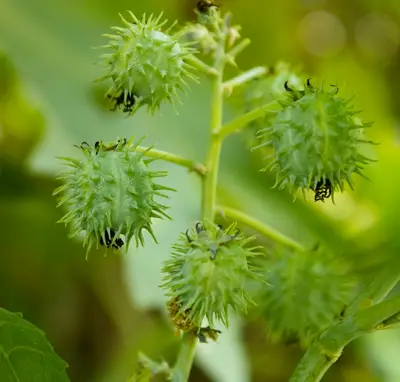
A breakthrough hybrid hazelnut developed by Oregon State University that combines excellent nut quality with strong disease resistance. This compact tree produces abundant clusters of medium-sized nuts with exceptional flavor and thin shells that crack easily. Jefferson is perfect for home orchards, offering reliable harvests and manageable size for backyard growing.
Harvest
150-180d
Days to harvest
Sun
Full sun to partial shade
Zones
4–8
USDA hardiness
Height
12-20 feet
Planting Timeline
Showing dates for Hazelnut (Jefferson) in USDA Zone 7
All Zone 7 nut-tree →Zone Map
Click a state to update dates
Hazelnut (Jefferson) · Zones 4–8
Growing Details
Complete Growing Guide
Light: Full sun (6 or more hours of direct sunlight a day), Partial Shade (Direct sunlight only part of the day, 2-6 hours). Soil: High Organic Matter, Loam (Silt), Shallow Rocky. Soil pH: Alkaline (>8.0), Neutral (6.0-8.0). Drainage: Good Drainage, Moist. Height: 12 ft. 0 in. - 20 ft. 0 in.. Spread: 8 ft. 0 in. - 15 ft. 0 in.. Spacing: 6-feet-12 feet. Maintenance: Low. Propagation: Layering, Root Cutting, Seed. Regions: Coastal, Mountains, Piedmont.
Harvesting
The fruit, in the form of a nut, is enclosed by a short leafy involucre, or husk. They appear in clusters of 1 to 5 and are released from the husk in late summer when the nut has ripened. The rounded nuts are about 1" in diameter.
Color: Brown/Copper, Gold/Yellow. Type: Nut. Length: 1-3 inches. Width: 1-3 inches.
Garden value: Edible, Showy
Harvest time: Fall, Summer
Edibility: Hazelnuts (cobnuts) are edible, and this plant is used in the production of these nuts.
Storage & Preservation
Store freshly harvested Jefferson hazelnuts in a cool, dry place between 32–50°F with humidity around 60–70 percent, ideally in mesh bags or breathable containers that allow air circulation. At these conditions, hazelnuts remain fresh for 2–3 months. For longer storage, crack the shells and keep shelled kernels in airtight containers in the freezer for up to one year, or refrigerate for three to four months.
Drying is the most practical preservation method for hazelnuts. Spread shelled kernels in a single layer in a low oven at 150–160°F for 3–4 hours, stirring occasionally, until moisture content drops and they snap cleanly when bent. Dried nuts keep for six months or longer in sealed containers. Roasting at higher temperatures concentrates the buttery flavor, making them ideal for candy work and nut butter production. Freezing whole nuts in the shell also works well and preserves flavor integrity through winter baking seasons.
History & Origin
Origin: Europe and Western Asia
Advantages
- +Attracts: Songbirds
- +Edible: Hazelnuts (cobnuts) are edible, and this plant is used in the production of these nuts.
- +Low maintenance
Companion Plants
Comfrey is the most useful plant you can put near a Jefferson hazelnut. Its taproot reaches 6 feet or more, pulling up calcium and potassium that sit below the hazelnut's own feeding zone. Chop the leaves and drop them as mulch under the canopy and those minerals end up exactly where the tree can use them — no compost pile required. White clover does something different: it fixes atmospheric nitrogen through Rhizobium root associations, feeding the soil at no cost to you. Keep it mowed around the drip line and it crowds out weeds without competing meaningfully with the tree. Yarrow and dill both attract parasitic wasps and hoverflies that keep Myzocallis coryli aphid populations from building past the point of damage — planting them within 15–20 feet of the canopy is what matters, not tucking them directly underneath.
Black walnut is the serious one. Juglone leaches from its roots and decomposing leaf litter into the surrounding soil and suppresses Corylus species reliably; 60 feet of separation is the standard guidance from NC State Extension. Eastern red cedar hosts cedar-apple rust (Gymnosporangium juniperi-virginianae), and while hazelnut isn't the primary alternate host, there's no good reason to park a cedar inside the drip zone of a tree you've waited 4–5 years to bring into production. Sunflowers produce allelopathic compounds in their roots and decomposing residue that inhibit neighboring plants — fine as a field crop somewhere else, but don't run them as a border planting right up against your hazelnut.
Plant Together
Comfrey
Deep roots bring up nutrients, leaves provide mulch and attract beneficial insects
Chives
Repels aphids and improves soil health around tree base
Nasturtiums
Trap crop for aphids and cucumber beetles, attracts beneficial predatory insects
White Clover
Fixes nitrogen in soil and provides living mulch under canopy
Elderberry
Attracts pollinators during hazelnut flowering season and beneficial insects
Yarrow
Attracts beneficial wasps and predatory beetles, improves soil structure
Dill
Attracts parasitic wasps that control aphids and other hazelnut pests
Serviceberry
Compatible understory shrub that attracts pollinators and beneficial birds
Keep Apart
Black Walnut
Produces juglone which is toxic to hazelnut trees and inhibits growth
Eastern Red Cedar
Hosts cedar-apple rust which can spread to nearby fruit and nut trees
Sunflowers
Allelopathic compounds inhibit growth of nearby woody plants including hazelnuts
Nutrition Facts
Per 100g serving. % Daily Value based on 2,000 calorie diet. Source: USDA FoodData Central (FDC #2515375)
Pests & Disease Resistance
Resistance
Excellent resistance to Eastern Filbert Blight and bacterial blight
Common Pests
Filbert weevil, aphids, mites, squirrels
Diseases
Eastern Filbert Blight (resistant), bacterial blight (resistant)
Troubleshooting Hazelnut (Jefferson)
What you'll see, why it happens, and what to do about it.
Small, perfectly round holes bored into developing nuts, with many nuts dropping early in August–September
Likely Causes
- Filbert weevil (Curculio nucum) — adult females puncture the shell to lay eggs; larvae eat the kernel from inside
- Squirrel predation — they'll strip a branch clean and leave husks on the ground
What to Do
- 1.Collect and destroy all dropped nuts immediately — larvae pupate in the soil if you leave them there
- 2.For weevil pressure, kaolin clay applied to developing nuts in July can deter egg-laying adults
- 3.Squirrels are a management problem, not a spray problem — netting individual clusters or installing a trunk baffle are the only reliably effective options
Distorted, sticky new growth in spring, sometimes with a shiny film on leaves below the shoot tips
Likely Causes
- Hazelnut aphids (Myzocallis coryli) — they colonize new growth and excrete honeydew, which coats the foliage below
- Hazelnut bud mites (Phytoptus avellanae) — cause swollen, blind buds that fail to open entirely
What to Do
- 1.A strong jet of water knocks aphid colonies back significantly; do it early morning so foliage dries fast
- 2.For bud mite infestations causing more than 10–15% blind buds, apply dormant oil in late winter before bud swell — timing matters more than rate
- 3.Keep flowering plants like dill or yarrow within 20 feet of the tree to sustain predatory insect populations through the season
Brown, sunken cankers on branches with orange, warty pustules visible in spring; dieback progressing toward the trunk
Likely Causes
- Eastern Filbert Blight (Anisogramma anomala) — Jefferson carries strong resistance, but wounds or unusually high spore loads can still allow infection
- Bacterial blight (Pseudomonas syringae) — favors wet springs and typically enters through pruning cuts or frost cracks
What to Do
- 1.Prune out affected wood at least 8–12 inches below the visible canker margin and burn or bag the cuttings — don't compost them
- 2.Disinfect pruning tools with 70% isopropyl alcohol between every cut when moving between branches
- 3.Cut back overhead irrigation and avoid heavy nitrogen applications in late summer, both of which push soft growth that Pseudomonas exploits
Frequently Asked Questions
Do I need two hazelnut trees for Jefferson to produce nuts?▼
How long does it take for a Jefferson hazelnut to start producing?▼
Can I grow Jefferson hazelnut in a container or pot?▼
What's the difference between Jefferson and other hazelnut varieties like Barcelona or Ennis?▼
When is the best time to plant a Jefferson hazelnut tree?▼
How do I know when Jefferson hazelnuts are ripe and ready to harvest?▼
Zone-by-Zone Planting Calendar
Growing Guides from Wind River Greens
Sources & References
External authority sources used in compiling this guide.
See the Methodology page for how this data is sourced, what's AI-assisted, and known limitations.