Audray Pink
Gomphrena globosa
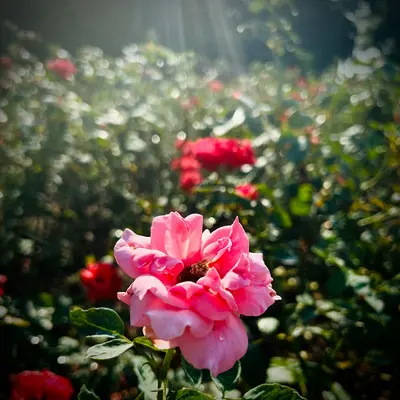
We've found Audray Pink and Audray White to be some of the tallest and most upright varieties in the Gomphrena globosa type, resulting in a higher number of usable stems. Highly uniform plant performance. Despite the name, the bloom color of Audray Pink has more of a lavender or cool pink hue. 1 1/2" blooms. Compared to the QIS series, Audray is taller and more uniform but a bit later to flower, and with a limited color range. Also known as globe amaranth and common globe amaranth.
Harvest
95-110d
Days to harvest
Sun
Full sun to partial shade
Zones
2–11
USDA hardiness
Height
12-24 inches
Planting Timeline
Showing dates for Audray Pink in USDA Zone 7
All Zone 7 flower →Zone Map
Click a state to update dates
Audray Pink · Zones 2–11
Growing Details
Complete Growing Guide
We've found Audray Pink and Audray White to be some of the tallest and most upright varieties in the Gomphrena globosa type, resulting in a higher number of usable stems. Highly uniform plant performance. Despite the name, the bloom color of Audray Pink has more of a lavender or cool pink hue. 1 1/2" blooms. Compared to the QIS series, Audray is taller and more uniform but a bit later to flower, and with a limited color range. Also known as globe amaranth and common globe amaranth. According to Johnny's Selected Seeds, Audray Pink is 95 - 110 days to maturity, annual, open pollinated. Notable features: Grows Well in Containers, Use for Cut Flowers and Bouquets, Ideal for Drying and Crafts.
Light: Full sun (6 or more hours of direct sunlight a day), Partial Shade (Direct sunlight only part of the day, 2-6 hours). Drainage: Good Drainage, Occasionally Dry. Height: 1 ft. 0 in. - 2 ft. 0 in.. Spread: 0 ft. 6 in. - 1 ft. 0 in.. Spacing: Less than 12 inches. Growth rate: Medium. Maintenance: Low. Propagation: Seed. Regions: Coastal, Mountains, Piedmont.
Harvesting
Audray Pink reaches harvest at 95 - 110 days from sowing per Johnny's Selected Seeds. Expect 1 1/2" at peak. As an annual, harvest continues until frost ends the season.
This is an ornamental variety — not grown for harvest. Enjoy in the garden landscape.
Storage & Preservation
For fresh storage, keep Audray Pink stems in a vase with cool water at room temperature (65-72°F) in a cool location away from direct sunlight and ethylene-producing fruits. Change water every 2-3 days and re-cut stems at an angle; they'll last 10-14 days. For preservation, air-dry bundles upside-down in a dark, well-ventilated space (2-3 weeks) to create long-lasting dried arrangements. Alternatively, hang dry individual stems or press blooms between newspaper for craft projects. Glycerin preservation also works well—place stems in a glycerin and water solution (1:2 ratio) for 1-2 weeks for a softer, longer-lasting dried product.
History & Origin
Audray Pink is open-pollinated, meaning seed saved from healthy plants will produce true-to-type offspring. Listed in the Johnny's Selected Seeds catalog.
Origin: Mexico to Brazil
Advantages
- +Tall, upright growth habit produces more usable stems per plant
- +Highly uniform plant performance ensures consistent crops and quality
- +Attractive lavender-pink blooms add unique cool-toned color option
- +Easy to grow with minimal care requirements for commercial production
Considerations
- -Later to flower than QIS series, extending time to marketable product
- -Limited color range restricts design flexibility compared to other Gomphrena varieties
- -Requires 95-110 days to finish, demanding longer greenhouse space commitment
Companion Plants
Marigolds (Tagetes spp.) are the most practical companion here — their root secretions deter soil-dwelling nematodes, and since both plants thrive in full sun with lean, well-drained soil, they're not fighting each other for anything. Cosmos and zinnias round out a useful guild: all three bloom on similar schedules, their combined flower mass pulls in hoverflies and parasitic wasps, and those insects do measurable work against aphid populations. Sweet alyssum is worth squeezing in at the border specifically because hoverfly larvae — not the adults — are what actually eat the aphids. It's a two-step mechanism, and it works.
The harmful companions are all chemistry problems. Black walnut trees produce juglone through their roots and decomposing hulls, and that compound is phytotoxic to a wide range of annuals — Gomphrena included. Eucalyptus drops the same kind of trouble through leaf litter and root exudates. Fennel is a different issue: it suppresses nearby annuals through allelopathic root compounds and tends to attract beneficial insects away from everything else in the bed. Keep all three well away from your plantings.
Plant Together
Marigolds
Repel aphids, whiteflies, and nematodes while attracting beneficial insects
Sweet Alyssum
Attracts beneficial insects like hoverflies and provides ground cover
Lavender
Deters pests with fragrance and attracts pollinators like bees and butterflies
Nasturtiums
Acts as trap crop for aphids and adds vibrant color contrast
Petunias
Repel aphids, tomato hornworms, and other garden pests
Cosmos
Attract beneficial insects and provide structural support without competing for nutrients
Zinnia
Attract butterflies and beneficial predatory insects while providing companion blooms
Catmint
Repels ants, aphids, and rodents while attracting beneficial pollinators
Keep Apart
Black Walnut Trees
Release juglone toxin that inhibits growth and can kill sensitive flowering plants
Eucalyptus
Produces allelopathic compounds that suppress growth of nearby plants
Fennel
Releases growth-inhibiting chemicals and competes aggressively for nutrients
Troubleshooting Audray Pink
What you'll see, why it happens, and what to do about it.
Seedlings collapse at soil level, stems pinched or rotted off near the base
Likely Causes
- Damping off (Pythium or Rhizoctonia spp.) — triggered by soggy, poorly drained seed-starting mix
- Overcrowded trays with low airflow
What to Do
- 1.Start fresh seed in sterile, well-draining mix — don't reuse last year's tray soil
- 2.Run a small fan near your seedling trays 2-3 hours a day to dry the surface between waterings
- 3.Water from the bottom rather than overhead; let the top 1/4 inch of mix dry before watering again
Leaves developing a powdery white coating, usually appearing first on upper leaf surfaces in late summer
Likely Causes
- Powdery mildew (Erysiphe or Golovinomyces spp.) — common in humid conditions with poor airflow
- Plants spaced too close together, restricting air movement between stems
What to Do
- 1.Space plants at least 12 inches apart at transplant time to improve circulation
- 2.Apply a diluted neem oil spray (2 tsp per quart of water) every 7-10 days at first sign of infection
- 3.Skip evening irrigation — wet foliage sitting overnight is what sets this off
Stunted plants with yellowing leaves and sticky residue on stems; small clusters of soft-bodied insects visible on new growth
Likely Causes
- Aphids (Myzus persicae or similar) — colonize soft new growth, especially during warm, dry stretches
- Absence of predatory insects due to nearby pesticide use
What to Do
- 1.Knock aphids off with a firm stream of water from a hose — effective for light infestations
- 2.Apply insecticidal soap directly to the colonies; repeat every 5-7 days for 2-3 applications
- 3.Plant sweet alyssum nearby to draw in parasitic wasps that prey on aphids
Leaves turning pale green to yellow overall, plant growing slowly despite being in the ground 3+ weeks
Likely Causes
- Nitrogen deficiency in sandy or heavily leached soil
- Waterlogged roots limiting nutrient uptake — Gomphrena is drought-tolerant and doesn't want wet feet
What to Do
- 1.Side-dress with a balanced fertilizer (10-10-10) at about 1/4 cup per plant, worked lightly into the top inch of soil
- 2.Check drainage — if water pools for more than 30 minutes after a rain, amend with coarse compost or move plants to a raised bed
- 3.If yellowing persists after feeding, pull a soil pH test; Gomphrena does best in the 6.0-7.0 range
Frequently Asked Questions
How long do Audray Pink cut flowers last in a vase?▼
Is Audray Pink globe amaranth good for beginners?▼
Can you grow Audray Pink in containers?▼
How tall do Audray Pink globe amaranth plants grow?▼
When should I plant Audray Pink seeds?▼
Is the Audray Pink color true to its name?▼
Zone-by-Zone Planting Calendar
| Zone | Indoor Start | Transplant | Direct Sow | Harvest |
|---|---|---|---|---|
| Zone 3 | April – May | June – July | June – August | — |
| Zone 4 | March – April | June – June | June – July | — |
| Zone 5 | March – April | May – June | May – July | — |
| Zone 6 | March – April | May – June | May – July | — |
| Zone 7 | February – March | April – May | April – June | — |
| Zone 8 | February – March | April – May | April – June | — |
| Zone 9 | January – February | March – April | March – May | — |
| Zone 10 | January – January | February – March | February – April | — |
| Zone 1 | May – June | July – August | July – September | — |
| Zone 2 | April – May | June – July | June – August | — |
| Zone 11 | January – January | January – February | January – March | — |
| Zone 12 | January – January | January – February | January – March | — |
| Zone 13 | January – January | January – February | January – March | — |
Growing Guides from Wind River Greens
Sources & References
External authority sources used in compiling this guide.
- BreederJohnny's Selected Seeds
See the Methodology page for how this data is sourced, what's AI-assisted, and known limitations.