Monaco Orange
Antirrhinum majus
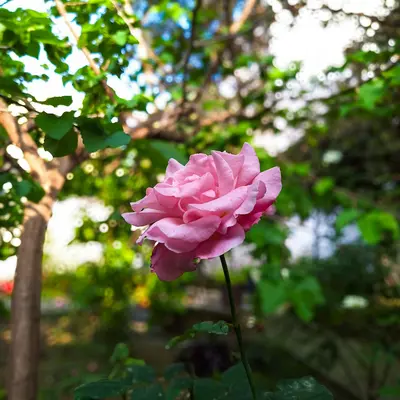
Group 3 snapdragon well-suited for production under long days and high light. Unique and deeply pigmented orange color with touches of coral and rose - a standout color in our trials. The coloring is quite a bit darker than our other orange and bronze snapdragon. Excellent performance in the field or greenhouse. Uniform, high-quality blooms. 5-10 days earlier to bloom than Potomac Orange in our trials. This variety performs well for us in spring plantings for early summer harvests. Also suitable for overwintering. Edible Flowers: The flowers are a colorful garnish for use in salads, desserts, and drinks. The flavor is floral and slightly bitter, so use sparingly.
Harvest
105-115d
Days to harvest
Sun
Full sun to partial shade
Zones
7–10
USDA hardiness
Height
0-3 feet
Planting Timeline
Showing dates for Monaco Orange in USDA Zone 7
All Zone 7 flower →Zone Map
Click a state to update dates
Monaco Orange · Zones 7–10
Growing Details
Succession Planting
Monaco Orange blooms over a long window rather than producing a single flush, so you don't need to stagger plantings the way you would with a lettuce or radish. That said, snapdragons go dormant or quit setting buds once Georgia's daytime highs push past 90°F through July and August. If you want color from spring into fall, start a second round of seeds indoors in late June and get those transplants into the ground by mid-August, once the worst heat has broken. That planting will carry you through October without much fuss.
Complete Growing Guide
Group 3 snapdragon well-suited for production under long days and high light. Unique and deeply pigmented orange color with touches of coral and rose - a standout color in our trials. The coloring is quite a bit darker than our other orange and bronze snapdragon. Excellent performance in the field or greenhouse. Uniform, high-quality blooms. 5-10 days earlier to bloom than Potomac Orange in our trials. This variety performs well for us in spring plantings for early summer harvests. Also suitable for overwintering. Edible Flowers: The flowers are a colorful garnish for use in salads, desserts, and drinks. The flavor is floral and slightly bitter, so use sparingly. According to Johnny's Selected Seeds, Monaco Orange is 105 - 115 days to maturity, annual, hybrid (f1). Notable features: Greenhouse Performer, Use for Cut Flowers and Bouquets, Fragrant.
Light: Full sun (6 or more hours of direct sunlight a day), Partial Shade (Direct sunlight only part of the day, 2-6 hours). Soil: High Organic Matter. Drainage: Good Drainage. Height: 0 ft. 6 in. - 3 ft. 0 in.. Spread: 0 ft. 6 in. - 0 ft. 10 in.. Spacing: Less than 12 inches. Growth rate: Medium. Maintenance: Medium.
Harvesting
Monaco Orange reaches harvest at 105 - 115 days from sowing per Johnny's Selected Seeds. As an annual, harvest continues until frost ends the season.
A capsule, half hidden by calyx lobes, short-beaked.
Type: Capsule. Length: 1-3 inches.
Storage & Preservation
For cut Monaco Orange snapdragon flowers, store stems in a vase with fresh, cool water (65-72°F) in a cool location away from direct sunlight and ripening fruit. Keep in the refrigerator if you want to extend vase life, which typically lasts 7-10 days when properly maintained. For preservation, air-dry bundles in a well-ventilated, dark space for dried arrangements lasting several months. Alternatively, press individual florets between newspaper for botanical crafts. For edible use as garnish, store fresh flowers in a sealed container in the refrigerator for up to 3-5 days on damp paper towels.
History & Origin
Monaco Orange is an F1 hybrid developed through controlled cross-pollination. Listed in the Johnny's Selected Seeds catalog.
Origin: Southwestern Europe
Advantages
- +Deeply pigmented orange with coral and rose undertones stands out distinctly
- +Blooms 5-10 days earlier than Potomac Orange for quicker harvests
- +Performs excellently in both field and greenhouse production settings
- +Uniform, high-quality blooms suitable for commercial or ornamental arrangements
- +Suitable for spring plantings and overwintering in appropriate climates
Considerations
- -Requires long days and high light conditions for optimal performance
- -Floral, slightly bitter flavor limits edible flower culinary applications
- -Darker pigmentation may appear less vibrant in low-light conditions
Companion Plants
Marigolds — French types like 'Bonanza' in particular — repel aphids and thrips that would otherwise work over your snapdragon spikes, and the warm color palette sits well next to Monaco Orange in a cut-flower bed. Sweet Alyssum planted at the base draws in parasitic wasps that keep whitefly pressure down. In our zone 7 Georgia gardens, Cosmos and Zinnia are the most practical companions because they share the same transplant window and their roots don't compete with snapdragons at the same depth. Black Walnut and Eucalyptus are the ones to pull far from this bed — both release allelopathic compounds (juglone and cineole, respectively) that stunt Antirrhinum before you'd even notice a problem starting.
Plant Together
Marigolds
Repel aphids, whiteflies, and nematodes while attracting beneficial insects
Sweet Alyssum
Attracts beneficial insects like lacewings and hover flies that control pests
Nasturtiums
Act as trap crops for aphids and cucumber beetles, drawing pests away
Petunias
Repel aphids, tomato hornworms, and squash bugs naturally
Lavender
Deters moths, fleas, and flies while attracting pollinators
Cosmos
Attract beneficial insects and provide habitat for predatory beetles
Zinnia
Attract butterflies and beneficial insects while providing color contrast
Catnip
Repels mosquitoes, ants, and aphids more effectively than DEET
Keep Apart
Black Walnut
Produces juglone toxin that inhibits growth and can kill sensitive plants
Eucalyptus
Releases allelopathic compounds that suppress nearby plant growth
Sunflowers
Can stunt growth of nearby plants through allelopathic root secretions
Troubleshooting Monaco Orange
What you'll see, why it happens, and what to do about it.
White powdery coating on leaves and stems, usually showing up mid-summer when nights cool slightly
Likely Causes
- Powdery mildew (Podosphaera xanthii) — fungal spores spread by wind, thrives in humid air with dry leaf surfaces
- Crowded spacing that traps moisture and cuts airflow between plants
What to Do
- 1.Remove and trash (not compost) the worst-affected stems immediately
- 2.Spray with a potassium bicarbonate solution or diluted neem oil every 7 days until symptoms stop spreading
- 3.Next season, give plants at least 10–12 inches between them and site them where morning sun dries the foliage fast
Orange or rust-colored pustules on the undersides of leaves, with yellow patches on top
Likely Causes
- Antirrhinum rust (Puccinia antirrhini) — a fungal disease specific to snapdragons, spreads by wind-borne spores and overhead watering
What to Do
- 1.Pull and bag affected leaves — don't let them fall to the soil
- 2.Switch to drip irrigation or water at the base only; wet foliage overnight is what this disease needs to spread
- 3.Apply a copper-based fungicide on a 7–10 day schedule if the infection is widespread
Plants wilting and collapsing at the soil line, stems look pinched or rotted at the base
Likely Causes
- Botrytis crown rot (Botrytis cinerea) — favored by cool, wet spring conditions and poor drainage
- Overwatering in heavy clay soil that stays saturated after rain
What to Do
- 1.Pull the affected plant entirely — snapdragon crown tissue doesn't recover once it's rotted through
- 2.Amend beds with compost or coarse sand to improve drainage before replanting
- 3.Let the soil surface dry out between waterings; these aren't drought-sensitive enough to need daily water
Spindly, flopping stems that don't hold up the flower spike, even with adequate sun
Likely Causes
- Transplanting into outdoor beds before nighttime temps are reliably above 45°F, which stresses young plants during root establishment
- Overfeeding with high-nitrogen fertilizer that pushes leafy growth at the expense of stem structure
What to Do
- 1.Pinch the growing tip once at transplant to encourage branching and a sturdier base — it delays first bloom by about a week but the plant holds itself up much better
- 2.Switch to a low-nitrogen, phosphorus-forward fertilizer (something like a 5-10-10) once plants are established
- 3.Stake individual spikes with bamboo canes if you're cutting for arrangements and can't wait for the plant to bulk up
Frequently Asked Questions
How long do Monaco Orange snapdragon flowers last in a vase?▼
Can I grow Monaco Orange snapdragons in containers?▼
Is Monaco Orange snapdragon good for beginners?▼
What does Monaco Orange snapdragon taste like as an edible flower?▼
When should I plant Monaco Orange snapdragons for spring harvest?▼
How much sunlight do Monaco Orange snapdragons need?▼
Zone-by-Zone Planting Calendar
| Zone | Indoor Start | Transplant | Direct Sow | Harvest |
|---|---|---|---|---|
| Zone 3 | April – May | June – July | June – August | — |
| Zone 4 | March – April | June – June | June – July | — |
| Zone 5 | March – April | May – June | May – July | — |
| Zone 6 | March – April | May – June | May – July | — |
| Zone 7 | February – March | April – May | April – June | — |
| Zone 8 | February – March | April – May | April – June | — |
| Zone 9 | January – February | March – April | March – May | — |
| Zone 10 | January – January | February – March | February – April | — |
| Zone 1 | May – June | July – August | July – September | — |
| Zone 2 | April – May | June – July | June – August | — |
| Zone 11 | January – January | January – February | January – March | — |
| Zone 12 | January – January | January – February | January – March | — |
| Zone 13 | January – January | January – February | January – March | — |
Growing Guides from Wind River Greens
Sources & References
External authority sources used in compiling this guide.
- BreederJohnny's Selected Seeds
See the Methodology page for how this data is sourced, what's AI-assisted, and known limitations.