Carpetgrass
Axonopus fissifolius
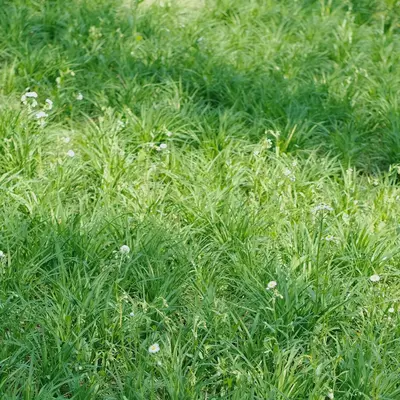
A creeping, low-maintenance grass that forms a dense carpet-like lawn in the humid Southeast. Carpetgrass thrives in wet, acidic soils where other grasses fail, making it ideal for low-lying areas and coastal regions. Its aggressive spreading habit quickly fills in bare spots, creating a uniform, soft lawn that's perfect for areas with challenging drainage.
Sun
Full sun to partial shade
Zones
7–10
USDA hardiness
Height
2-4 inches
Planting Timeline
Showing dates for Carpetgrass in USDA Zone 7
All Zone 7 grass →Zone Map
Click a state to update dates
Carpetgrass · Zones 7–10
Growing Details
Complete Growing Guide
Light: Full sun (6 or more hours of direct sunlight a day), Partial Shade (Direct sunlight only part of the day, 2-6 hours). Soil: Clay, Loam (Silt), Sand. Soil pH: Acid (<6.0). Drainage: Moist. Growth rate: Medium. Maintenance: Medium. Propagation: Seed. Regions: Coastal, Piedmont.
Harvesting
Fruits are available July-November.
Color: Brown/Copper. Type: Caryopsis.
Harvest time: Fall, Summer
Storage & Preservation
Carpetgrass doesn't require storage or preservation as it's a living turf grass maintained in-ground. For sod rolls or seed, store in cool (50-60°F), moist conditions to maintain viability. Keep sod rolls in shade and moist for no more than 24-48 hours before installation. Seed can be preserved in airtight containers at 32-41°F with low humidity (30-40%) for up to 2 years. Maintain established lawns through regular watering during dry periods and proper drainage management to preserve turf quality and longevity.
History & Origin
Origin: Central and southeastern U.S.A., Tropical/ Subtropical America
Advantages
- +Attracts: Small Mammals, Songbirds
Companion Plants
White clover is the most practical companion here — it fixes nitrogen at the root level, which offsets carpetgrass's modest fertility needs without you having to reach for the fertilizer bag as often. Low-growing plants like creeping thyme and wild strawberry sit at a similar 2–4 inch height without shading out the turf, and they pull in pollinators if you're stretching mow intervals. Dandelion and plantain are often already present in carpetgrass lawns; their deep taproots break up compaction that carpetgrass's shallow root system simply can't address on its own.
The real trouble comes from the grasses. Bermuda grass (Cynodon dactylon) spreads by both stolons and rhizomes — once it gets into a thin spot, it doesn't give it back. Crabgrass (Digitaria spp.) does the same in summer gaps. Nutsedge (Cyperus spp.) is the worst of the three because pulling it just fragments the tubers and spreads it further. Your best defense against all of them is keeping carpetgrass dense enough at 3–5 lbs of seed per 1,000 sq ft that bare soil never stays bare long.
Plant Together
White Clover
Fixes nitrogen in soil, enhances grass growth, and provides natural fertilization
Dandelion
Deep taproot breaks up compacted soil and brings nutrients to surface for grass
Plantain
Tolerates foot traffic well and helps prevent soil compaction in lawn areas
Violets
Low-growing groundcover that complements grass without competing for sunlight
Yarrow
Improves soil health and attracts beneficial insects while tolerating mowing
Chamomile
Natural pest deterrent and soil conditioner that grows well with grasses
Wild Strawberry
Low-growing groundcover that fills bare spots and prevents weed invasion
Creeping Thyme
Drought-tolerant groundcover that releases pleasant fragrance when stepped on
Keep Apart
Crabgrass
Aggressive annual grass that outcompetes carpetgrass for nutrients and space
Bermuda Grass
Fast-spreading perennial that can overwhelm and choke out carpetgrass
Nutsedge
Invasive sedge with aggressive root system that competes heavily for water and nutrients
Dollar Weed
Forms dense mats that block sunlight and prevent carpetgrass establishment
Pests & Disease Resistance
Resistance
Good resistance to most diseases in preferred conditions
Common Pests
Chinch bugs, army worms, sod webworms
Diseases
Brown patch, dollar spot in dry conditions
Troubleshooting Carpetgrass
What you'll see, why it happens, and what to do about it.
Irregular tan or straw-colored patches, 2–12 inches across, appearing in late summer heat
Likely Causes
- Brown patch (Rhizoctonia solani) — a fungal disease that thrives when nights stay above 70°F and humidity is high
- Overwatering or poor drainage keeping the canopy wet overnight
What to Do
- 1.Water in the early morning so foliage dries before nightfall — evening irrigation is the fastest way to invite this one
- 2.Avoid excess nitrogen fertilizer in summer; it pushes soft growth that Rhizoctonia loves
- 3.For severe cases, apply a fungicide labeled for Rhizoctonia on turf grasses and hold off on mowing until the patch firms up
Small, scattered dead spots across the lawn during dry stretches, each roughly the size of a silver dollar, bleached tan at the center
Likely Causes
- Dollar spot (Clarireedia jacksonii) — shows up when soil moisture drops and nitrogen is low
- Thatch buildup deeper than 0.5 inches blocking water penetration and trapping heat at the crown
What to Do
- 1.Give the lawn a slow, deep watering — 1 inch per week is the standard target — rather than frequent shallow passes
- 2.Side-dress with a light balanced fertilizer to push some nitrogen into stressed turf
- 3.Dethatch if the layer has exceeded half an inch; carpetgrass sits low and thatch builds up faster than you'd expect at 2–4 inches of height
Yellowing turf with ragged feeding damage near the soil line; grass pulls up easily in chunks
Likely Causes
- Sod webworms (Crambus spp.) — larvae feed at the thatch layer, cutting grass stems at the base
- Armyworms (Spodoptera frugiperda) — they move in fast and can strip a section of lawn in 48 hours during late summer
What to Do
- 1.Do the soap flush test: mix 2 tablespoons of dish soap in 1 gallon of water and pour over a 1-square-foot area — larvae surface within minutes if they're present
- 2.For confirmed infestations, apply a Bt-based (Bacillus thuringiensis) product for lighter pressure, or a pyrethroid labeled for turf if the damage is spreading fast
- 3.Mow at the higher end of carpetgrass's range (3–4 inches) to make the canopy less hospitable to egg-laying adults
Frequently Asked Questions
How tall does carpetgrass grow and how often should I mow?▼
Is carpetgrass good for beginners and low-maintenance lawns?▼
Can you grow carpetgrass in containers or shade?▼
When is the best time to plant or install carpetgrass?▼
What pests affect carpetgrass and how do I prevent them?▼
Why is carpetgrass ideal for wet, low-lying areas?▼
Zone-by-Zone Planting Calendar
Growing Guides from Wind River Greens
Sources & References
External authority sources used in compiling this guide.
- ExtensionNC State Extension
See the Methodology page for how this data is sourced, what's AI-assisted, and known limitations.