Best Flowers for Heirloom
333 flower varieties well-suited for heirloom varieties. Open-pollinated heritage cultivars with unique flavor.
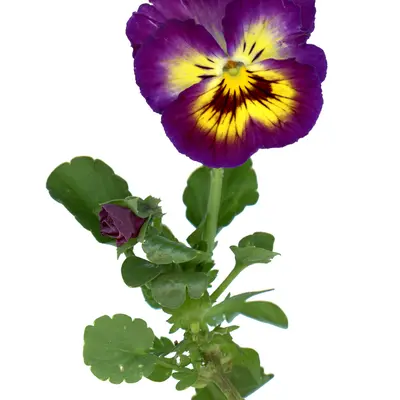
Aalsmeer King Size Mix
Cheerful, 2 1/2-3 1/2" bicolor blooms in shades of gold, purple, plum, lavender, rose, and white. Mildly fragrant blooms. We found Aalsmeer King Size Mix to be one of the fastest varieties to reach a height tall enough for cutting in our overwintered trials. In our unheated tunnel (Zone 5), it yielded 16-22" long stems that are perfect for mixing with tulips and daffodils in early spring bouquets. Also known as pansy, Johnny jump-up, European field pansy, heart's ease, and hybrid violet.Edible Flowers: Decorative and edible garnish for salads and desserts with slight wintergreen flavor. While a popular choice for brightening up salad mix, the flowers are also good for candying.
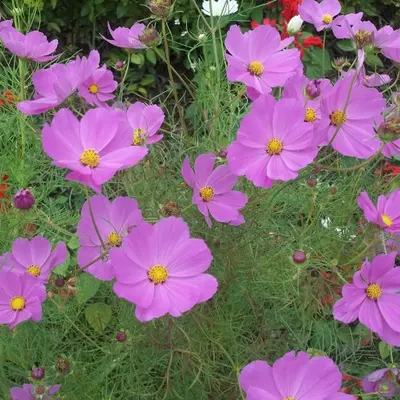
Afternoon White
Afternoon White was bred for cut-flower production. As a tetraploid, it has more substantive flowers and stems. In our trials, it produces strong, straight stems and 2-4" white blooms with bright yellow centers. Early to flower. Blooms are not as profuse as more common cosmos varieties, but the superior stem and flower quality make Afternoon White a good cut-flower choice.
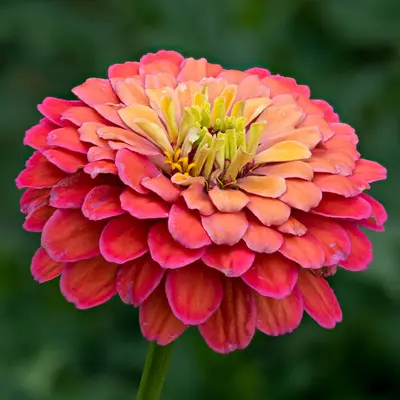
Agave
Gorgeous blend of sunset colors and large, heavily quilled double blooms. Early flowering plants produce 4-6" densely petaled blooms in a cohesive blend of muted buff, coral, gold, peach, pink, and orange hues. For years we've admired these special colors that appear only occasionally in some of the field-grown mixes and in 2019, we began breeding Agave. Contains a very small percentage of semidouble and/or single blooms.
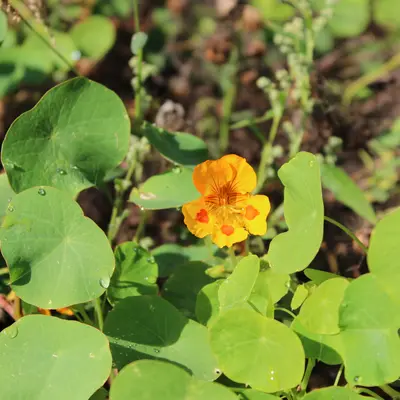
Alaska Mix
Improved strain of brilliant 2" single flowers in yellow, crimson, orange, salmon and cherry. Compact, mound-shaped plants. Also known as garden nasturtium and Indian cress. Edible Flower: Use the flowers as garnishes, or stuff with soft cheese. The flowers can be minced and added to butters and the immature seed heads can be pickled. Nasturtiums are a popular choice for adding color to salad mix. Peppery-flavored foliage is also edible.
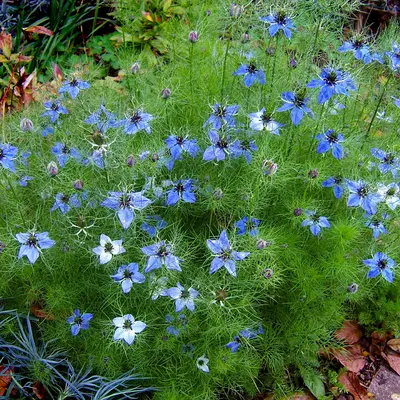
Albion Black Pod
Fluffy 1 3/4-2" blooms fade to large dark plum-colored seed pods on stiff, 12-24" stems. Accented by attractive, ferny foliage. Whimsical, balloon-shaped seed pods dry readily/easily. Flowers attract and feed bees as well as other beneficial insects. Also known as Love in a Mist.
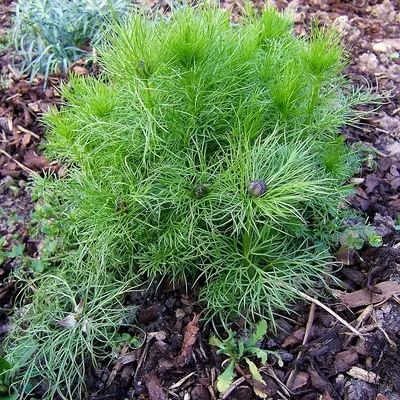
Albion Green Pod
Fluffy 1 3/4-2" blooms fade to large light green seed pods on 12-24" stiff stems. Accented by attractive, ferny foliage. Whimsical, balloon-shaped seed pods dry readily/easily. Flowers attract and feed bees as well as other beneficial insects. Also known as Love in a Mist.
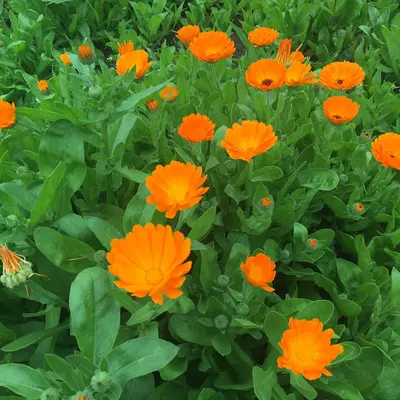
Alpha
High resin content for medicinal use. 2-3 1/2" blooms. Also known as pot marigold, common marigold, and Scotch marigold.Edible Flowers: Petals of the flowers can be used fresh or dried in "flower confetti," soups, soufflés, rice dishes, baked goods, and to garnish desserts. Calendula is a popular choice for brightening up salad mix. Flavor is tangy and slightly bitter. Remove the petals from the flower base before consuming as the base can be quite bitter.
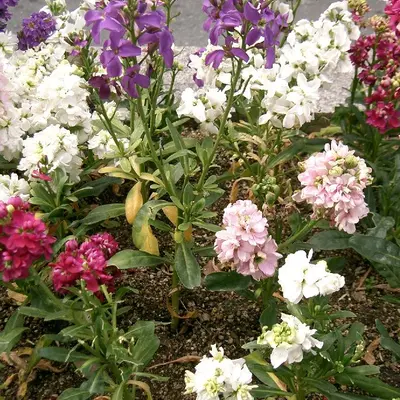
Antique Pink
Tightly spaced florets on thick, strong, straight stems. Single-stem or column type stock for one-cut harvest. Blooms have chartreuse green centers with pale pink edges. Plants produce about 55% double-flowering plants. Overall, very similar to the Iron series in performance. NOTE: This variety produces one flowering stem per plant. Pinching is not advisable as it will terminate flowering. Edible Flowers: The peppery, clove-like flavor of the flowers lends itself well to use as a garnish on salads, desserts, and drinks.
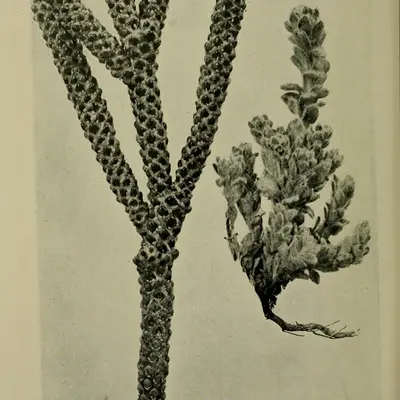
Apricot/Peach Mix
Apricot/Peach Mix is an heirloom flowering variety that produces delicate blossoms in soft apricot and peach tones, creating a harmonious blend of warm spring colors. Mature plants display abundant blooms in 75-85 days, making them excellent for cutting gardens and ornamental displays. These flowers are prized for their natural color gradation and long vase life, distinguishing them from single-variety cultivars. Ideal for full-sun borders and landscape arrangements.
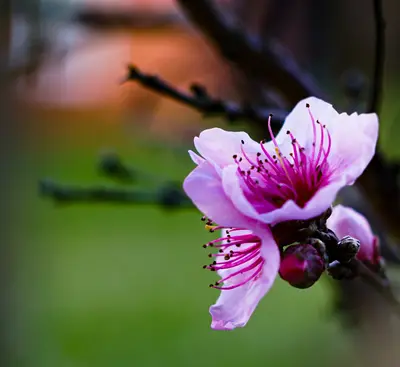
Apricotta
Tall, vigorous, densely branching plants. Delicate single blooms have a slightly ruffled edge and glow in shades of blush, apricot, and rose. We have observed variation in bloom color: some flowers are lighter in color, while some express more rose than apricot. The 2 1/2-3" blooms are not as full or uniform as we would like. Still, we appreciate the variety for its productive plants and its ability to unify warm and cool hues in arrangements.
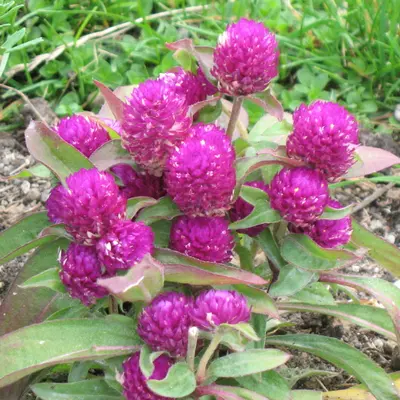
Audray Mix
The Audray series offers highly uniform plants with tall stems for cut flowers. Compared to the QIS series, Audray is taller and more uniform but a bit later to flower, and with a limited color range. Mixture includes: Audray White, Bicolor Rose, Pink, and Purple Red. 1 1/2" blooms. Also known as globe amaranth and common globe amaranth.
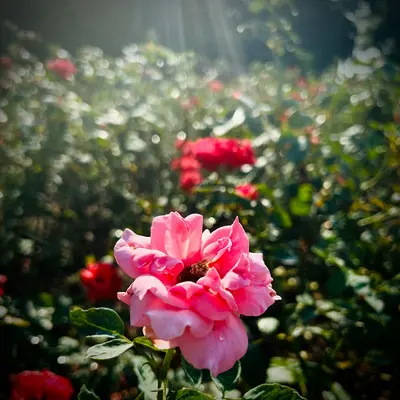
Audray Pink
We've found Audray Pink and Audray White to be some of the tallest and most upright varieties in the Gomphrena globosa type, resulting in a higher number of usable stems. Highly uniform plant performance. Despite the name, the bloom color of Audray Pink has more of a lavender or cool pink hue. 1 1/2" blooms. Compared to the QIS series, Audray is taller and more uniform but a bit later to flower, and with a limited color range. Also known as globe amaranth and common globe amaranth.
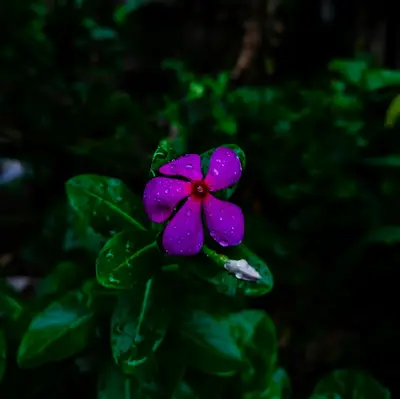
Audray Purple-Red
Audray Purple-Red is very similar to QIS™ Purple in terms of productivity and the bloom color is identical. Slightly later to flower and taller than QIS Purple.1 1/2" blooms. Also known as globe amaranth and common globe amaranth.
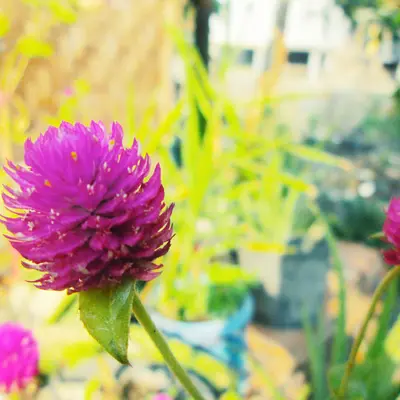
Audray White
1 1/2" blooms on long stems and uniform plants. Sturdy white blooms are an excellent special detail in wedding design work and boutonnieres, in addition to wholesale and market bouquets. Also known as globe amaranth and common globe amaranth.
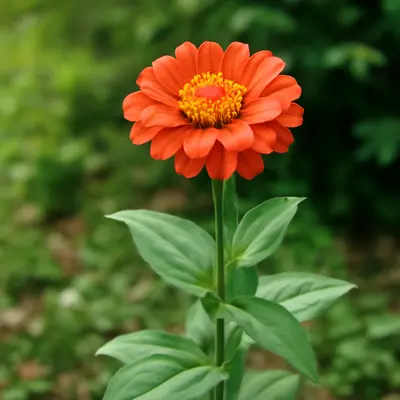
Aurora
In 2019, Johnny's Breeding Team started selecting Aurora for its unique two-tone flowers with contrasting centers. Early flowering plants produce 4-6" wide dahlia-shaped double blooms. Hues of apricot, butter yellow, coral, gold, orange, and pink give this special mix a nuanced vintage look that sets it apart. May yield a small percentage of semidouble or single blooms and approximately 5% cactus-flowered blooms.
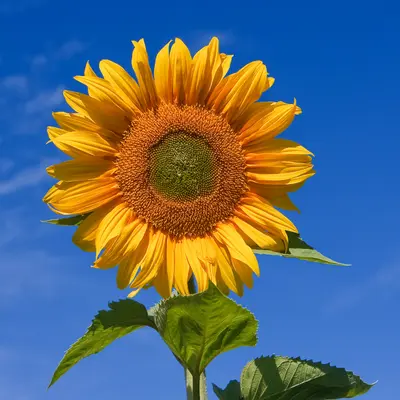
Autumn Beauty
Tall, extremely vigorous plants produce bold, beautiful flowers up to 8" across. Bright yellow, bronze, and purple shades with some bicolors. Good choice for farmscaping, sunflower mazes, and tall border rows. Bears pollen; good for bee forage. Stem length is 15-44". Branching; produces many long stems.Edible Flowers: Flower buds can be fried and the petals used as a garnish in salads and desserts; the flavor is bittersweet.
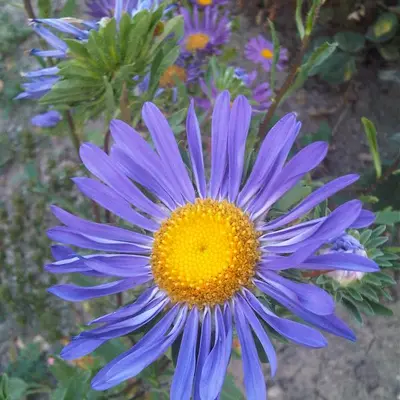
Azumi XL Blue
The Azumi series offers 2-3 1/2" pom-pom style blooms in rich jewel tones on sturdy, vigorous plants. Recommended for growing as a spray-type cut flower. Plants yield one cut per plant; each cut is a large spray of stems and flowers. The primary flower will be larger, surrounded by multiple slightly smaller blooms. Alternately, single stems can be harvested, although stem length will be shorter than when harvested as a one-cut spray type. Lavender-blue bloom color. Azumi XL Blue flowers are the earliest of the Azumi series in our trials. Fusarium tolerant.
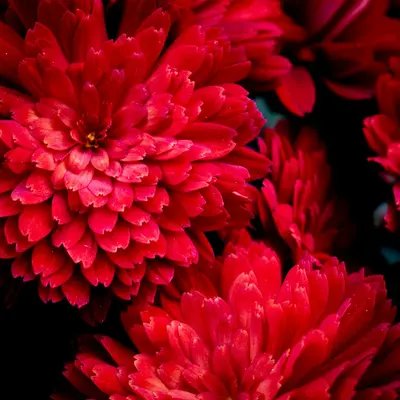
Azumi XL Red
The Azumi series offers 2-3 1/2" pom-pom style blooms in rich jewel tones on sturdy, vigorous plants. Recommended for growing as a spray-type cut flower. Plants yield one cut per plant; each cut is a large spray of stems and flowers. The primary flower will be larger, surrounded by multiple slightly smaller blooms. Alternately, single stems can be harvested, although stem length will be shorter than when harvested as a one-cut spray type. Deep red blooms open with a creamy white center that darkens as blooms mature. Fusarium tolerant.
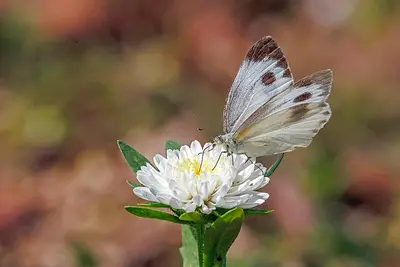
Azumi XL Rose
The Azumi series offers 2-3 1/2" pom-pom style blooms in rich jewel tones on sturdy, vigorous plants. Recommended for growing as a spray-type cut flower. Plants yield one cut per plant; each cut is a large spray of stems and flowers. The primary flower will be larger, surrounded by multiple slightly smaller blooms. Alternately, single stems can be harvested, although stem length will be shorter than when harvested as a one-cut spray type. Flower color is bright rose with a cream center. Fusarium tolerant.
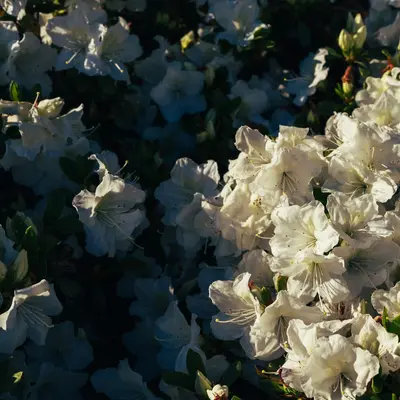
Azumi XL White
The Azumi series offers 2-3 1/2" pom-pom style blooms in rich jewel tones on sturdy, vigorous plants. Recommended for growing as a spray-type cut flower. Plants yield one cut per plant; each cut is a large spray of stems and flowers. The primary flower will be larger, surrounded by multiple slightly smaller blooms. Alternately, single stems can be harvested, although stem length will be shorter than when harvested as a one-cut spray type. White blooms open with a creamy center maturing to bright white. Fusarium tolerant.
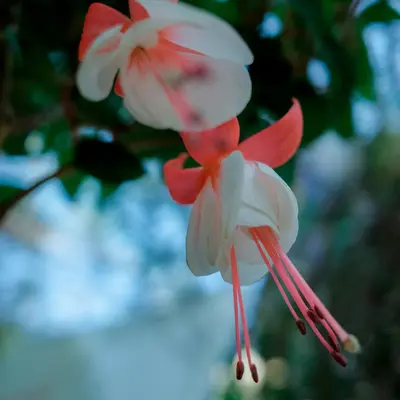
Ballerina
Who wouldn't want a beautiful pale pink zinnia? In 2018, Johnny's Breeding Team began work selecting for the pastel color palette. Ballerina's 4-6" flowers are a blend of soft pink and pale peach, with a mix of both dahlia- and cactus-type blooms. Produces a high percentage of double blooms. May contain a few off-types of ivory, dark pink, or yellow.
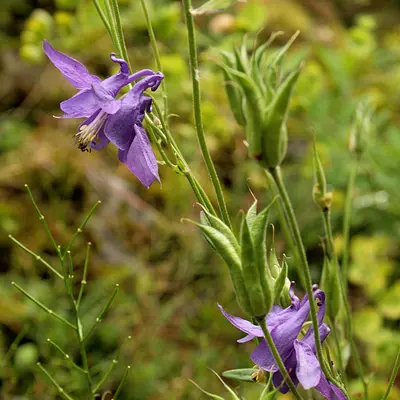
Barlow Mix
Fluffy, star-shaped blooms with pointed, overlapping petals resemble petite clematis flowers. Fully double 1 1/2" upward-facing and nodding, spurless flowers. Blooms late spring of the second year from a spring sowing. An excellent cut flower, it has strong, straight stems and fills the gap between early spring and summer bouquets. Produces multiple blooms per stem. Mix includes Victorian shades in a complementary color palette: Aline Fairweather (rose), Black Barlow (almost black), Blue Barlow (violet), Bordeaux Barlow (deep wine red), Miss M.I. Huish (dark purple), Nora Barlow (rose centers fading to white with green tips), White Barlow (white), and Christa (purple-edged white). Attracts hummingbirds. Perennial in Zones 3-9.
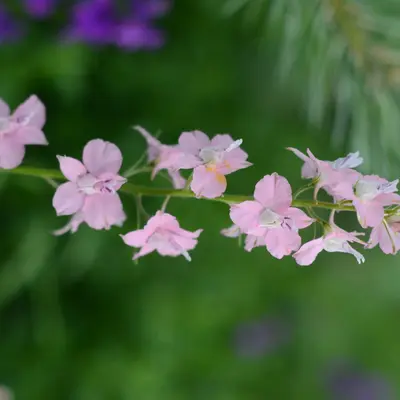
Belladonna Mix
First-year flowering perennial. Well-branched plants produce spikes in dark blue, turquoise, or white. Tall plants may benefit from support - stems can lodge or topple in heavy rain or wind. Attracts bees and butterflies. Often grown as an annual. Perennial in Zones 3-7.
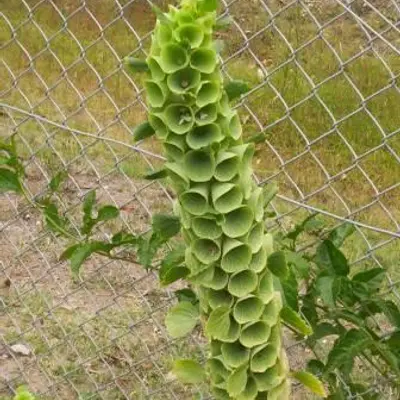
Bells of Ireland
Add fresh, bright-green color and texture to mixed bouquets. Long stems covered with bright apple-green, bell-shaped, 2" calyxes centered with tiny, white blooms. Use as a spike or filler flower. Excellent in dried arrangements too. Blooms have a lovely, sour-apple scent. Also known as bells-of-Ireland and shellflower.
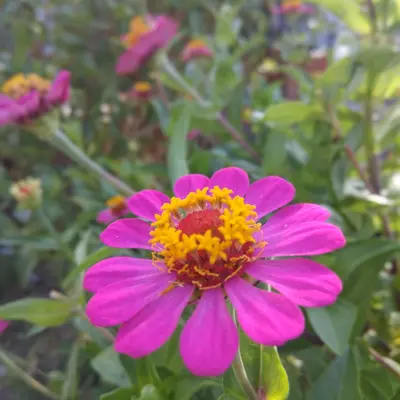
Benary's Giant Bright Pink
Benary's Giant Bright Pink is a vigorous heirloom zinnia cultivar prized for its large, double-petaled blooms in vibrant hot pink. Reaching mature height of 24-36 inches, it flowers prolifically in 75-90 days from seed. The substantial 4-5 inch flower heads are excellent for cut arrangements and garden display. This variety thrives in full sun and well-draining soil, offering reliable performance for both beginner and experienced gardeners seeking bold color impact in beds and borders.
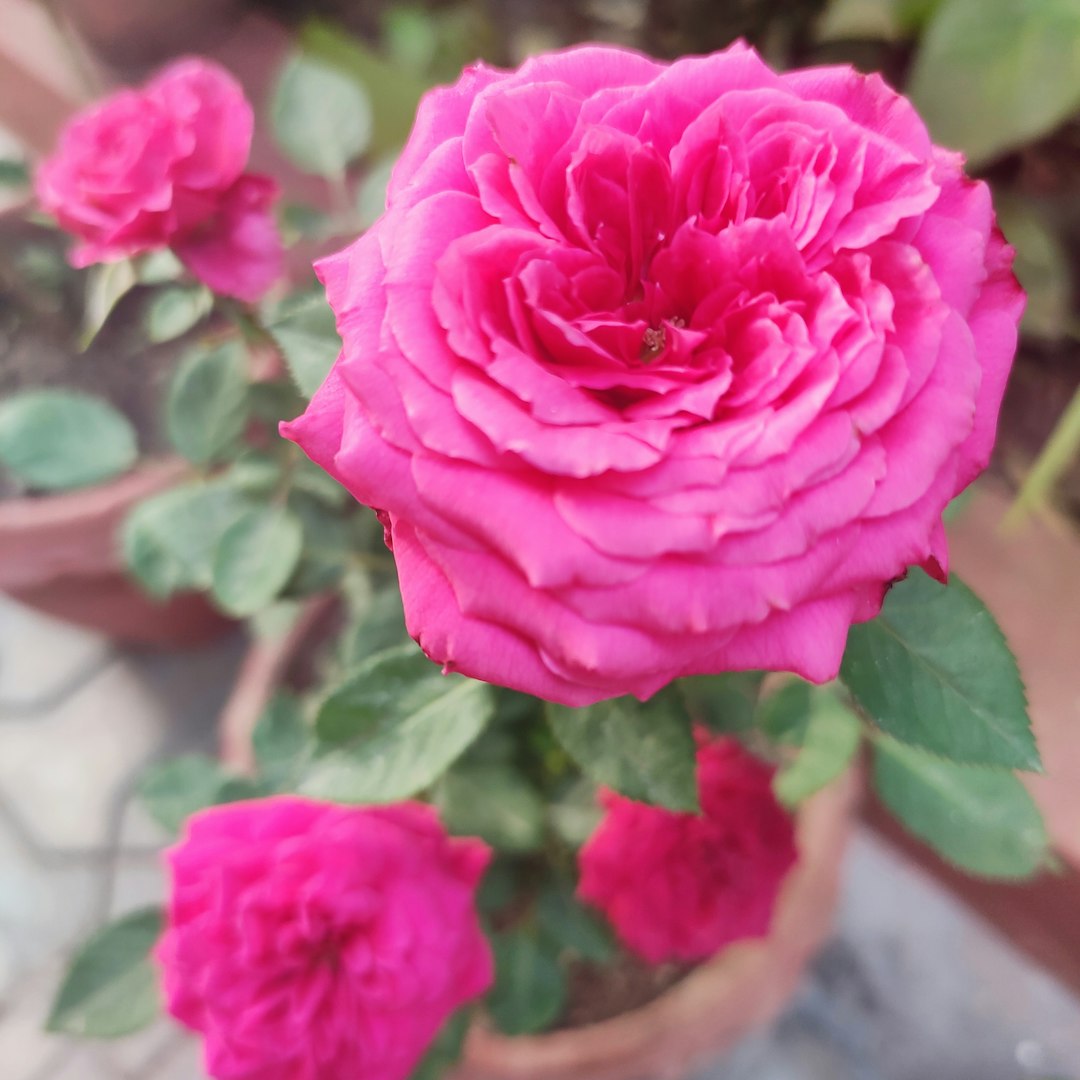
Benary's Giant Carmine Rose
Benary's Giant Carmine Rose is a stunning heirloom zinnia prized for its large, fully double flowers in rich carmine-rose tones. The robust plants mature in 75-90 days and reach substantial height, producing abundant blooms on sturdy stems ideal for cutting. This variety is renowned for its vigorous growth in full sun and well-drained soil, delivering prolific flowering with minimal fuss, making it a standout choice for borders and arrangements.
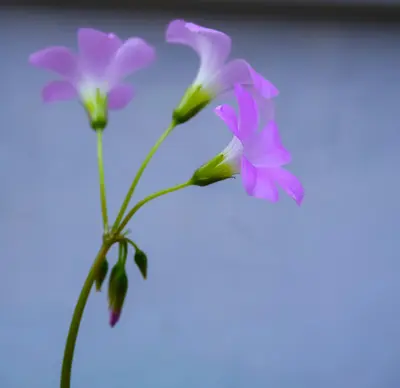
Benary's Giant Coral
Benary's Giant Coral is a stunning heirloom celosia with large, velvety coral-red plumes that command attention in gardens and arrangements. This easy-to-grow annual reaches its vibrant peak in 75-90 days, thriving in full sun. The densely packed flower heads tower above foliage, making it a dramatic focal point. Prized by florists and gardeners alike for its bold color and exceptional longevity in fresh and dried arrangements, this variety reliably performs in warm-season gardens.
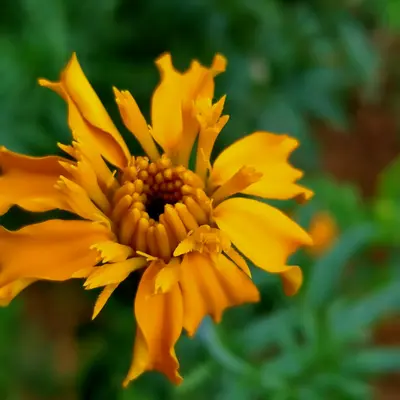
Benary's Giant Deep Red
Benary's Giant Deep Red is a spectacular heirloom celosia (cockscomb) featuring velvety, deep crimson flower heads that can reach 6-8 inches across. The densely ruffled plumes emerge on sturdy, branching plants reaching 24-30 inches tall. Blooming within 75-90 days, it's prized for its rich color intensity and dramatic garden impact. An excellent cut flower and landscape focal point for full-sun borders.
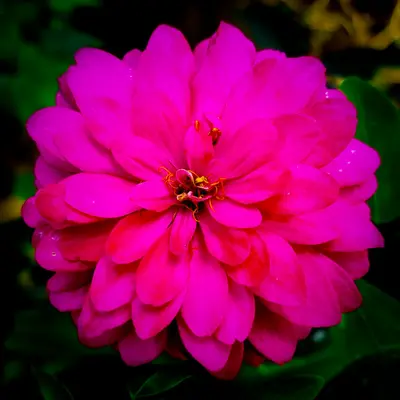
Benary's Giant Golden Yellow
Benary's Giant Golden Yellow is a vibrant heirloom flower variety prized for its large, double blooms in rich golden yellow. Reaching maturity in 75-90 days, this ornamental produces abundant flowers ideal for cutting and garden displays. The generous, fully double petals create full, pompom-like blooms that stand out among standard varieties. Best grown in full sun with well-draining soil enriched with organic matter, this easy-to-grow heirloom thrives in warm conditions and attracts pollinators while resisting common pests effectively.
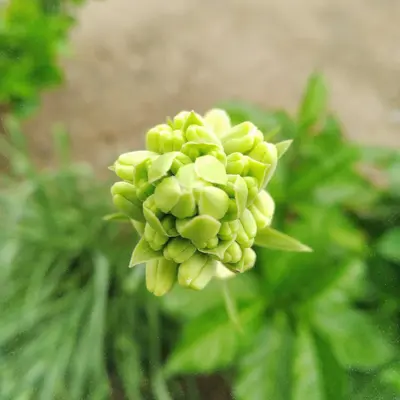
Benary's Giant Lime
Benary's Giant Lime is a vibrant lime-green flowering variety prized for its large, fully double blooms that create stunning visual impact in gardens. Reaching maturity in 75-90 days, this heirloom cultivar produces abundant flowers with a striking chartreuse hue, setting it apart from traditional flower colors. The massive flower heads make it an exceptional choice for bold landscape displays and cut flower arrangements. Best grown in full sun with well-draining, fertile soil for optimal blooming.
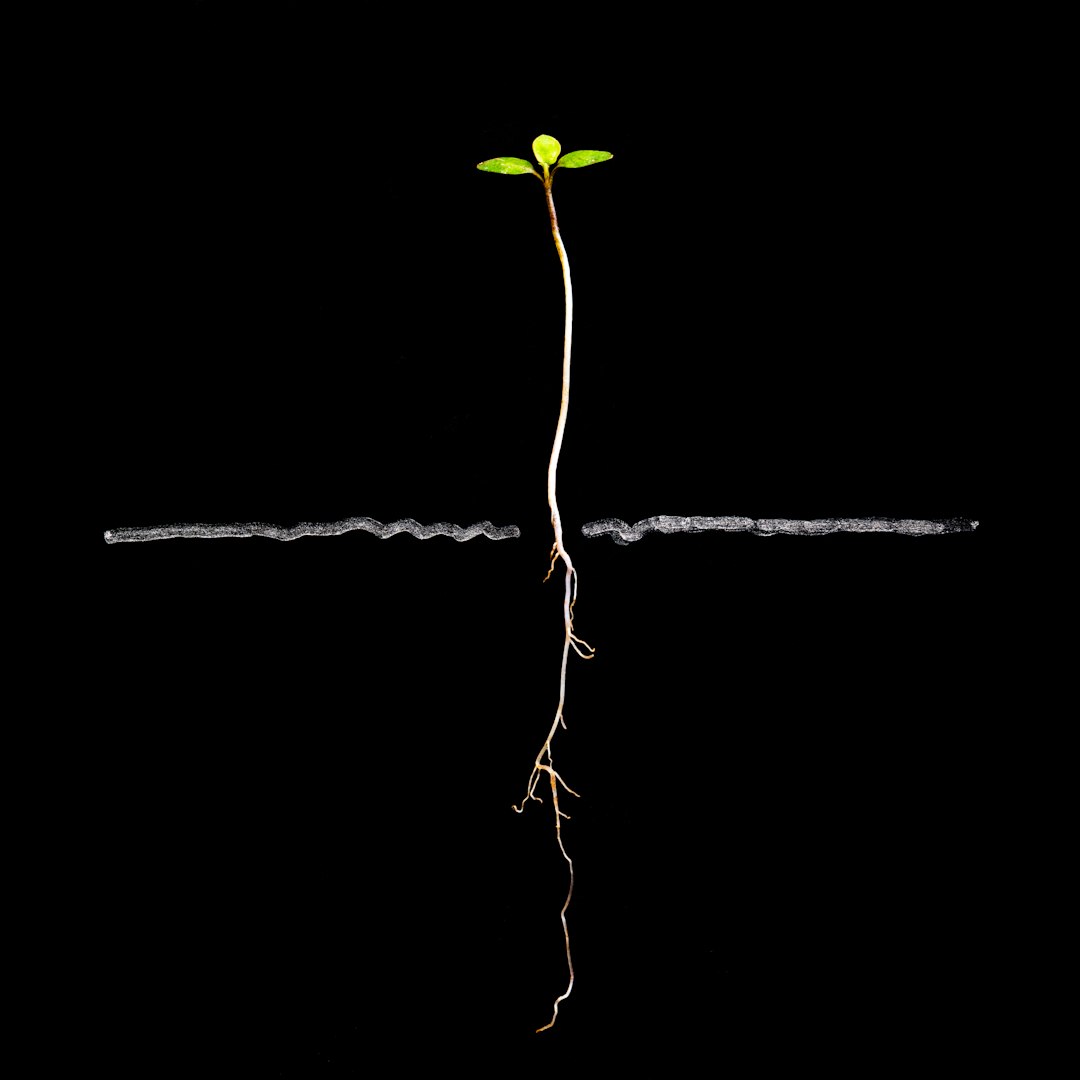
Benary's Giant Mix
Benary's Giant Mix is a heirloom zinnia variety producing large, densely double flowers in vibrant mixed colors including pink, red, orange, purple, and white. Plants reach full maturity in 75-90 days and thrive in full sun with well-drained soil. Known for its impressive 4-5 inch blooms and robust growth habit, this variety is a standout choice for cutting gardens and continuous summer color. Easy to grow, making it ideal for both novice and experienced gardeners.
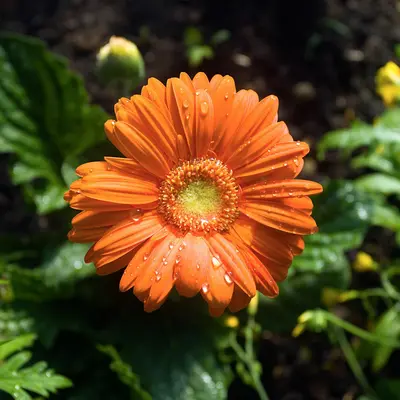
Benary's Giant Orange
Benary's Giant Orange is a classic heirloom zinnia producing oversized, densely-petaled pompom blooms in vibrant orange. Plants reach full maturity in 75-90 days, thriving in full sun with well-drained, moderately fertile soil. This variety is prized for its dramatic flower size and intense color, making it an exceptional choice for cut flowers and garden displays. Its easy cultivation and heirloom status have made it a gardening favorite for generations.
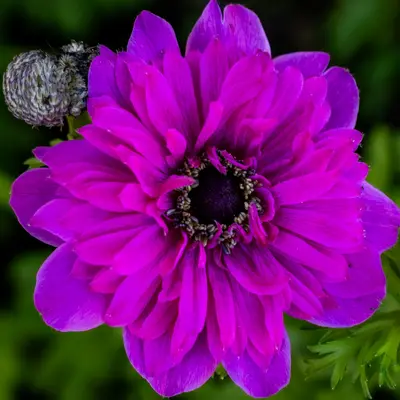
Benary's Giant Purple
Benary's Giant Purple is a stunning heirloom flower variety renowned for its large, vibrant deep purple blooms. Reaching maturity in 75-90 days, this vigorous cultivar produces oversized flowers that stand out in gardens and cut-flower arrangements. A key differentiator is its exceptional flower size and rich color saturation. The blooms are ideal for ornamental display and floristry work, valued for their dramatic visual impact.
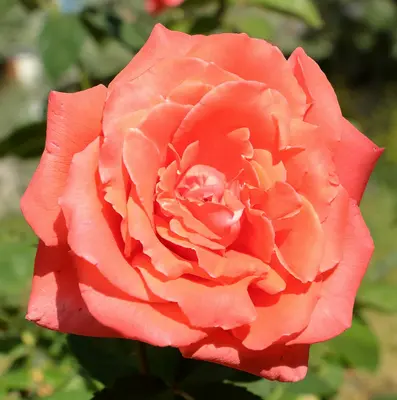
Benary's Giant Salmon Rose
Benary's Giant Salmon Rose is a stunning heirloom zinnia prized for its enormous double flowers in a warm salmon-rose shade. Plants reach maturity in 75-90 days and produce blooms up to 4 inches across, with full, ruffled petals that create a cabbage-like appearance. This vigorous grower thrives in full sun and well-draining soil, making it an excellent choice for cutting gardens and floral arrangements due to its long stems and exceptional vase life.
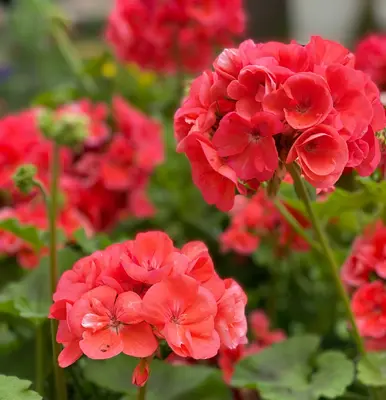
Benary's Giant Scarlet
Benary's Giant Scarlet is a stunning heirloom zinnia cultivar prized for its large, vibrant scarlet-red double flowers that bloom prolifically in 75-90 days. This easy-to-grow variety reaches 24-30 inches tall and produces abundant cut flowers throughout the season. Its bold, fully-double petals and exceptional color saturation make it a standout in garden displays and floral arrangements. An excellent choice for cutting gardens and ornamental beds.
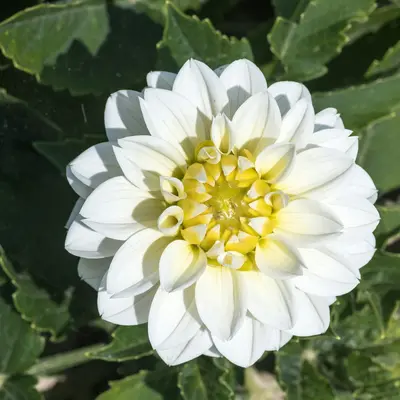
Benary's Giant White
Benary's Giant White is a heirloom flower variety prized for its impressive large white blooms. Plants mature in 75-90 days and thrive in full sun with rich, well-draining soil. This variety is renowned for producing oversized flowers that make striking cut arrangements and garden displays. The abundant white petals create a dramatic focal point in any floral composition. An easy-to-grow heirloom that performs reliably in most conditions.
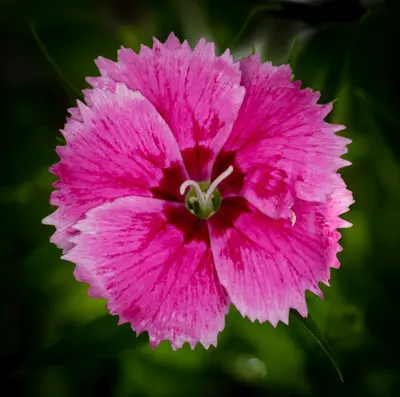
Benary's Giant Wine
Benary's Giant Wine is a heirloom flower variety producing deep wine-red blooms on vigorous plants. Reaching maturity in 75-90 days, this ornamental excels in full sun with well-drained, fertile soil. The large, vibrant flowers are the defining feature, making it a striking addition to cut-flower gardens and borders. Easy to grow and reliable, it's prized by gardeners for its dramatic coloring and generous bloom production.
Big Smile
Attractive in small beds, containers, and 4-6" pots. 3-6" blooms are bright golden-yellow with a black center. Day neutral. Branching. Bears pollen.
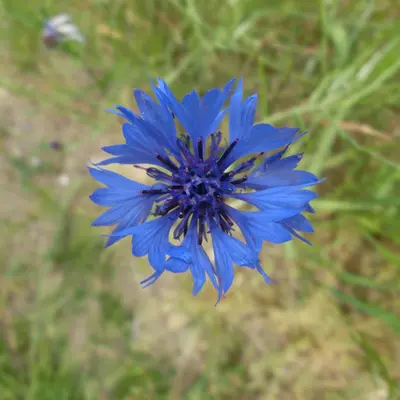
Black Button
Upright plants produce abundant double and semidouble 1-1 1/2" blooms. Prefers cool temperatures. Also known as cornflower, garden cornflower, and bachelor's buttons. Edible Flowers: The petals are used to decorate desserts. Centaurea is also a popular choice for brightening up salad mix. Flavor is bland and mildly floral.
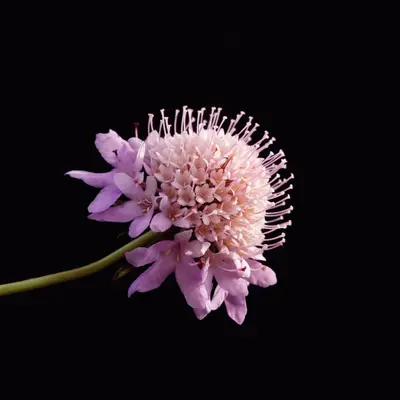
Black Knight
Almost black, 1 1/2-2 1/2" blooms stand tall on strong, slender stems. A dramatic addition to any bouquet or garden. Also known as mourningbride.
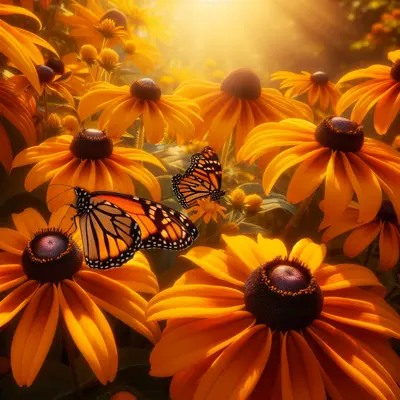
Black-Eyed Susan
Black-Eyed Susan is a vibrant perennial flower featuring bright golden-yellow petals surrounding a distinctive dark brown or black central disk. It reaches maturity in 100-120 days from seed and produces abundant blooms throughout summer and fall. This heirloom variety is exceptionally low-maintenance and thrives in full sun to partial shade (4-6+ hours), adapting well to most soil types. The defining characteristic is its cheerful two-tone appearance and prolific, long-lasting flowers ideal for gardens, borders, and fresh cut arrangements.
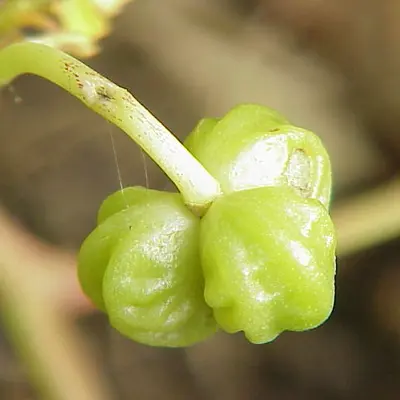
Bloody Mary
Dramatic 2" flowers in shades of dark red, coral red, cream, and unique bicolors. This mix is generally compact, but contains both mounding and trailing types. Foliage ranges from dark blue-green to medium-green. 2019 Fleuroselect Novelty winner.
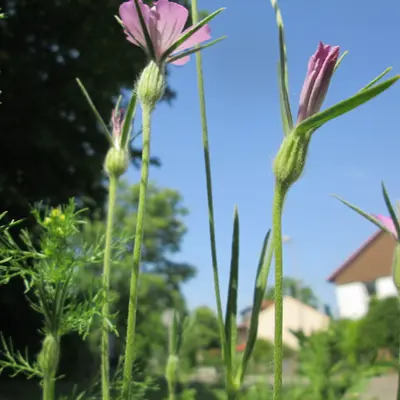
Blossom Pearl
1-2" wide pale pink blooms. Silvery-gray foliage and long stems. Prefers cool growing conditions.
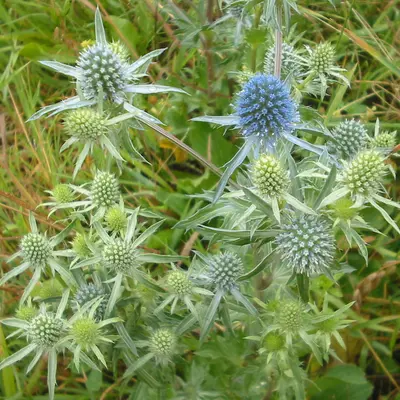
Blue Glitter
Attractive blooms with a metallic shine. Eryngium is a hardy perennial with long, sturdy stems. Tolerates hot, sunny locations. Plants produce flowers during the second year of growth and in subsequent years. Attracts bees, beneficial flies and wasps. Also known as plains eryngo and flat sea holly. Perennial in Zones 3-8. FleuroSelect Gold Award Winner.
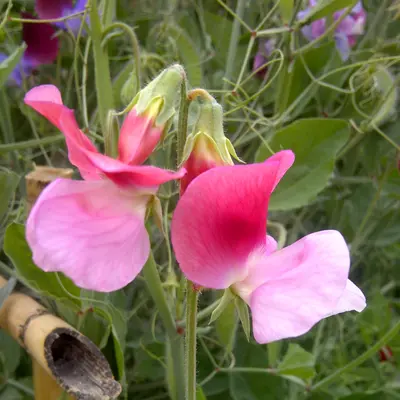
Blue Ripple
From the Spencer series. Lavender blue streaks and flecks throughout and lining the slightly ruffled petal edge. Reminiscent of sea glass. Plants produce 3-4 blooms per 9-12" stem. Mildly fragrant. NOTE: Spencer series sweet peas are known as late-flowering because they require at least 12 hours of daylight, unlike more modern sweet pea varieties bred for winter production, which may require only 10-11 hours of daylight. Attracts hummingbirds.
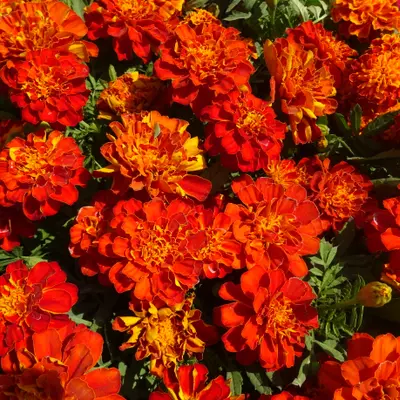
Bonanza™ Bee
1 1/2-2 1/2" refined crested blooms. Highly uniform plants are more compact than the Durango series. An easy-to-grow addition to garden beds, containers, and small spaces. Vibrant red and gold blooms.
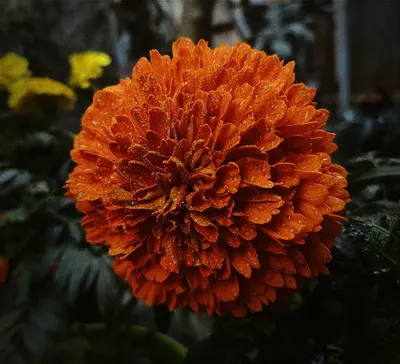
Bonanza™ Deep Orange
1 1/2-2 1/2" refined crested blooms. Highly uniform plants are more compact than the Durango series. An easy-to-grow addition to garden beds, containers, and small spaces. Classic marigold-orange bloom color.
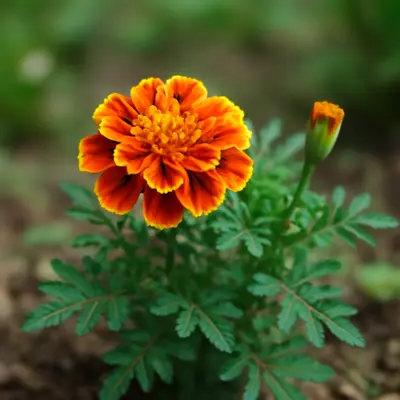
Bonanza™ Harmony
1 1/2-2 1/2" refined crested blooms. Highly uniform plants are more compact than the Durango series. An easy-to-grow addition to garden beds, containers, and small spaces. Vibrant red and orange blooms.
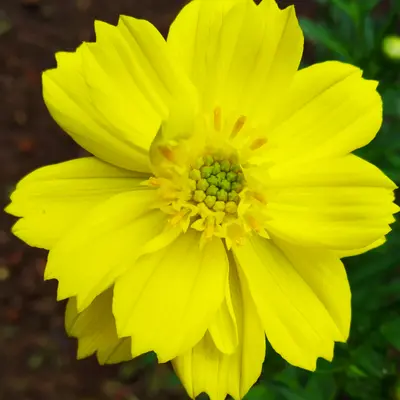
Bright Lights
Vigorous plants flower over a long season, creating rich color in the garden and a vibrant food source for bees, butterflies, and other pollinators. Plant architecture is tall but open and airy, so plants are less prone to lodging or falling over than Cosmos bipinnatus types. Excellent choice for color in summer gardens. 1 1/2-2" wide, double and semidouble blooms in shades of orange and gold. Sometimes used as cut flowers, though they do not last long in the vase, dropping petals after 5 days. Flowers are also used to create natural dyes for fiber and fabrics. Plants readily self-seed. Also known commonly as Dyer's cosmos and sulfur cosmos. Native to the Americas and Mexico. For mass plantings, sow at 5 oz./1,000 sq.ft. or 14 lb./acre.
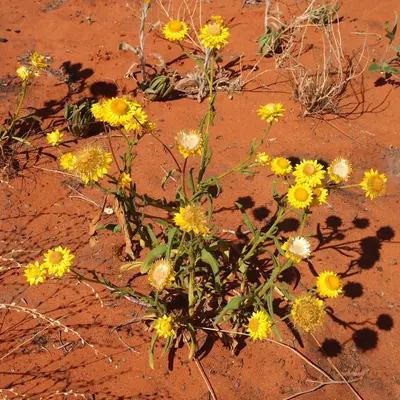
Bright Rose
Tall, well-branched plants produce double flowers 2-2 1/2" across. Blooms are shades of hot pink and rose at the petal tips. Also known as bracted strawflower.
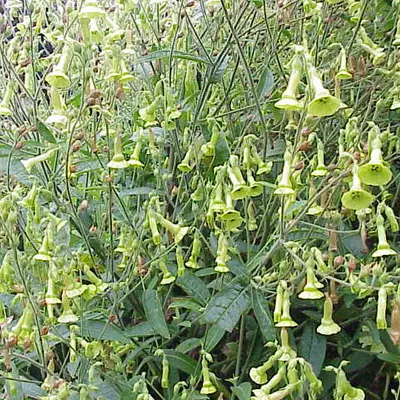
Bronze Queen
Bell-shaped, chocolate-purple blooms dance on contrasting bright green stems. Long stems add movement and interest to arrangements. Nicotiana flowers continuously for most of the season when cut back regularly. Blooms are relatively fragile and have a short vase life (5-7 days), making them best for casual bouquets, design work (not requiring a long vase life) and home cutting gardens. A favorite of pollinators and hummingbirds. Also known as flowering tobacco.
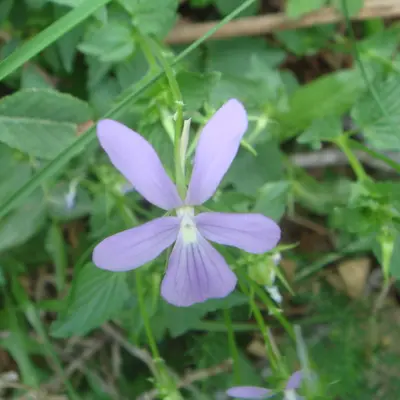
Brush Strokes
Cheerful faces sparkle in shades of apricot, gold, peach, lavender, plum, purple, and cream. You could spend hours gazing at the intricate patterning of the petals and their varied splashes, flecks, and stripes of color. Each plant seems to produce a unique color combination. Not selected for a short, mounding plant habit like most modern cultivars, this mix yields taller, more vigorous plants in a range of heights. Sweetly fragrant. Bloom size: 1 1/2-2 1/2".Overwinters well in our (Zone 5) unheated tunnel, yielding 12-18" stems that are perfect for mixing into early spring bouquets.Also known as pansy, Johnny jump-up, European field pansy, and horned violet. Edible Flowers: Decorative and edible garnish for salads and desserts with slight wintergreen flavor. While a popular choice for brightening up salad mix, the flowers are also good for candying.
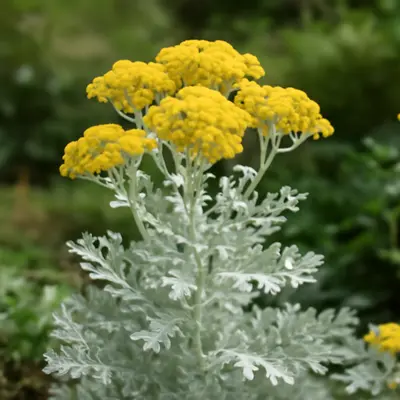
Candicans
Candicans is taller and more productive than other dusty miller varieties in our trials, making it a good choice for cut-flower production. Compared to Silverdust, Candicans is taller, more vigorous, a bit more variable in plant architecture, and its leaves are not as deeply lobed. Otherwise, overall appearance is very similar. Dusty Miller's silvery foliage is a very popular cut-flower foliage for elegant bouquets. 3-7" long, velvety leaves with a snowflake appearance. Plants produce yellow flowers the second year from seeding, primarily in the southern states. Flowers are commonly removed to encourage foliage growth. Tender perennial in Zones 8-10.
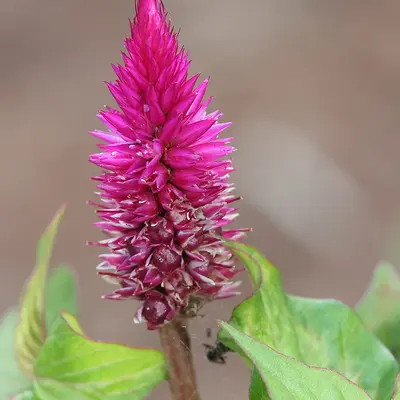
Celway™ Purple
Productive plants produce sturdy stems with 2-4" clusters of flower spikes. Blooms tuck neatly into bouquets and add a touch of sparkle. Plants flower slightly earlier and are slightly shorter than some of the other colors in the Celway series. Similar to Ruby Parfait in bloom color and size, though Celway Purple flowers later on taller plants and sturdier stems. To encourage increased stem production and branching, pinching is recommended at seedling stage, when about 6" in height. Raw seeds, not film-coated.
Celway™ Red
Productive plants produce sturdy stems with 2-4" clusters of flower spikes. Blooms tuck neatly into bouquets and add a touch of sparkle. Dark red stems and leaves. Plants are slightly shorter than the other colors in the Celway™ series. Pinching recommended at seedling stage, when about 6" in height. Raw seeds, not film-coated.
Celway™ Terracotta
Celway™ Terracotta is a striking heirloom flower variety prized for its distinctive warm terracotta-colored blooms. Reaching maturity in 90-100 days, this easy-to-grow ornamental thrives in full sun and well-drained, fertile soil. The defining characteristic is its rich, warm peachy-orange hue that evokes traditional terracotta pottery, making it an excellent choice for cottage gardens, mixed borders, and cut flower arrangements. A reliable performer for gardeners of all skill levels.
Celway™ White
Celway® White is an heirloom ornamental flower variety that matures in 90-100 days under full sun conditions. It produces pristine white blooms and is prized for its clean, elegant appearance in gardens and floral arrangements. This easy-to-grow variety is valued primarily as a decorative flower rather than for culinary or medicinal purposes.
Chabaud Orange Sherbet
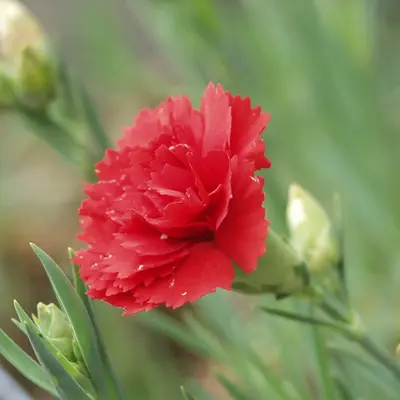
Vintage carnations present the sweet and spicy fragrance of clove. Frilly, 1 1/2-2" double blooms with a small percentage of singles. Orange creamsicle-colored petals striped and flaked with tangerine. Grass-like, gray or blue-green foliage. Blooms late July through August in our trials and is best grown as an annual for cut-flower production. Chabaud is an old-fashioned type dating back to as early as 1904. D. caryophyllus is native to the Mediterranean, where emotional attachment to this flower first took root. Also known as annual carnation. Pronounced shab-o, with a long "o." Tender perennial in Zones 6-8. Edible Flowers: Use the flower petals to garnish salads, desserts, soups, icing, and cold drinks. Flavor is of mild clove. Remove the petals from the flower base before consuming as the base can be quite bitter.
Chabaud Picotee Double Mix
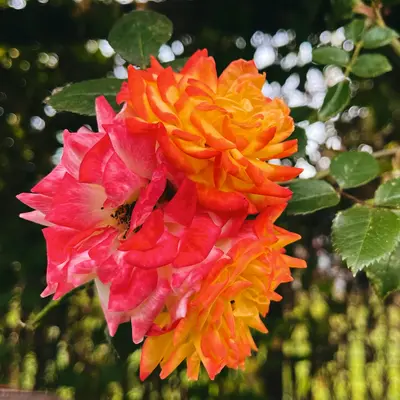
Vintage carnations present the sweet and spicy fragrance of clove. Frilly 1 1/2-2" double blooms with a small percentage of singles. Striped, flaked, and picotee types in shades of rose, pink, wine, salmon, cream, and white. Grass-like, gray or blue-green foliage. Blooms late July through August in our trials and is best grown as an annual for cut-flower production. Chabaud is an old-fashioned type dating back to as early as 1904. D. caryophyllus is native to the Mediterranean, where emotional attachment to this flower first took root. Also known as annual carnation. Pronounced shab-o, with a long "o." Tender perennial in Zones 6-8. Edible Flowers: Use the flower petals to garnish salads, desserts, soups, icing, and cold drinks. Flavor is of mild clove. Remove the petals from the flower base before consuming as the base can be quite bitter.
Chandelier
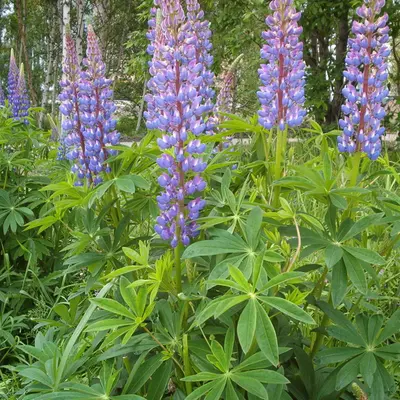
Part of the Russell Hybrids 'Band of Nobles' series. Chandelier has sweetly scented, soft, buttery yellow blooms. Plants produce multiple blooms with stiff, straight stems. In our trials, these first-year flowering plants bloomed in early July in the first year and about a month earlier (early June) from well-established plants in the second season of growing. Bloom quality and productivity were better in the second season, although all plants did produce flowers in the first season. Performs best where summers are cool. Attracts and provides a food source for bees and hummingbirds. 1-2' blooms/spikes are densely covered with ½" pea-like flowers. Lupine is typically resistant to deer and rabbits. Perennial in Zones 4-8.
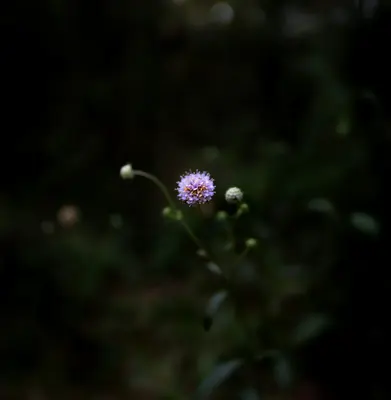
Chatelaine
Part of the Russell Hybrids 'Band of Nobles' series. Chatelaine has sweetly scented bicolor blooms in shades of pink with white. Plants produce multiple blooms with stiff, straight stems. In our trials, these first-year flowering plants bloomed in early July in the first year and about a month earlier (early June) from well-established plants in the second season of growing. Bloom quality and productivity were better in the second season, although all plants did produce flowers in the first season. Performs best where summers are cool. Attracts and provides a food source for bees and hummingbirds. 1-2' blooms/spikes are densely covered with ½" pea-like flowers. Lupine is typically resistant to deer and rabbits. Perennial in Zones 4-8.
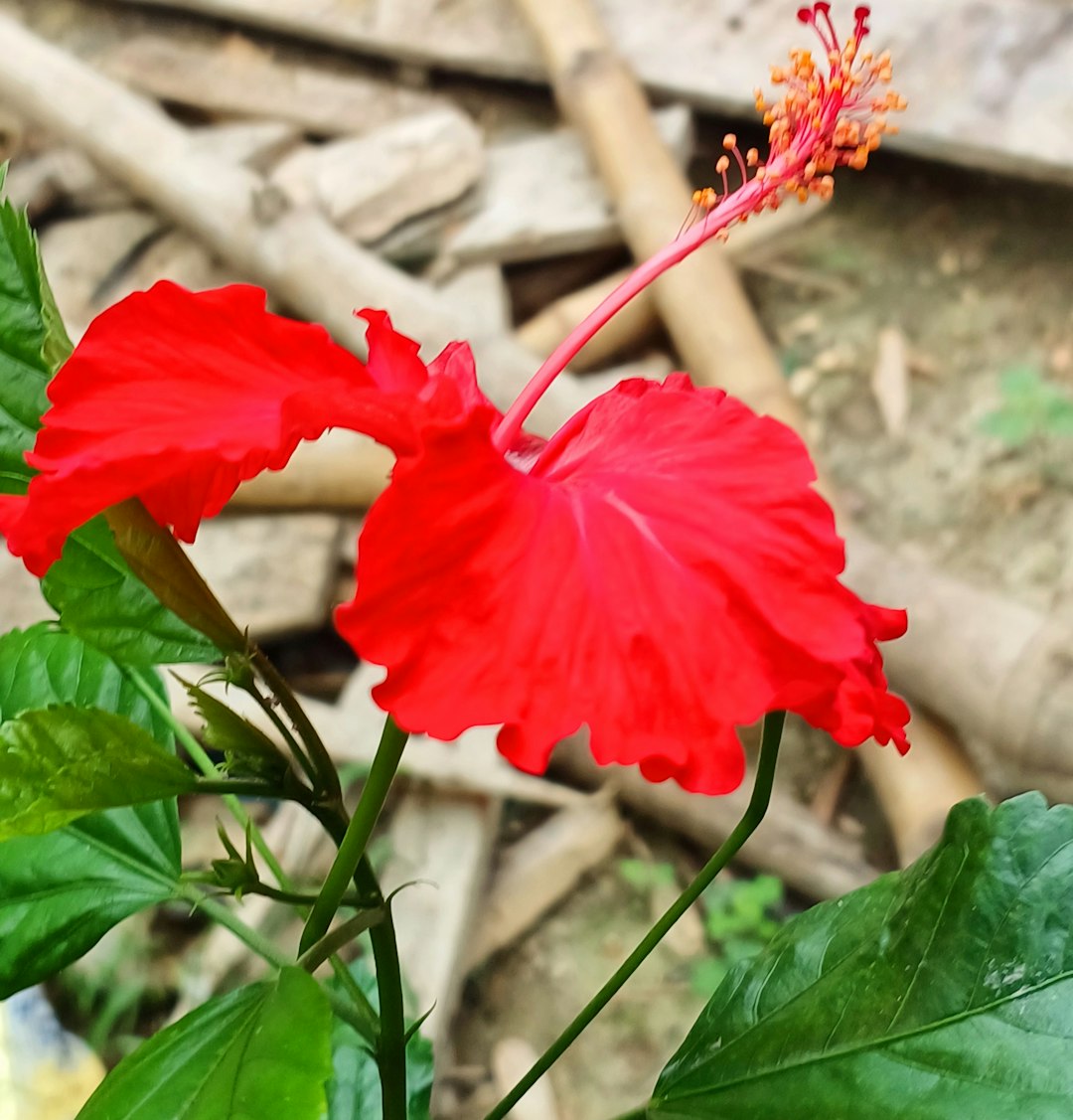
Chief Carmine
Bright carmine red, 2-7" blooms make useful fresh or dried cut flowers. Also known as cockscomb and crested cock's comb.
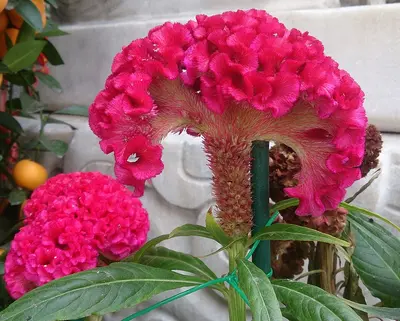
Chief Gold
Sunny golden-yellow, 2-7" blooms make useful fresh or dried cut flowers. Also known as cockscomb and crested cock's comb.
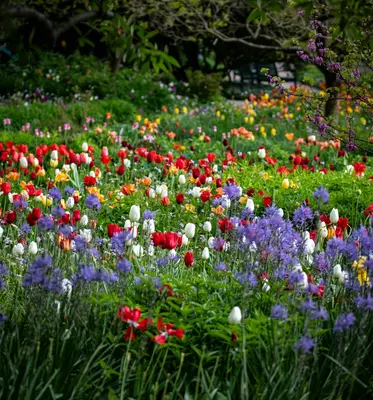
Chief Mix
Sturdy plants with strong stems. Colors include: gold, rose, persimmon, and red shades. Great fresh or dried. Also known as cockscomb and crested cock's comb. Also available in individual colors.
Chief Persimmon
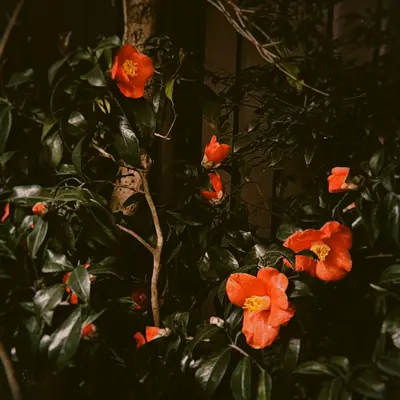
Deep apricot, 2-7" blooms make useful fresh or dried cut flowers. Also known as cockscomb and crested cock's comb.
Chocolate
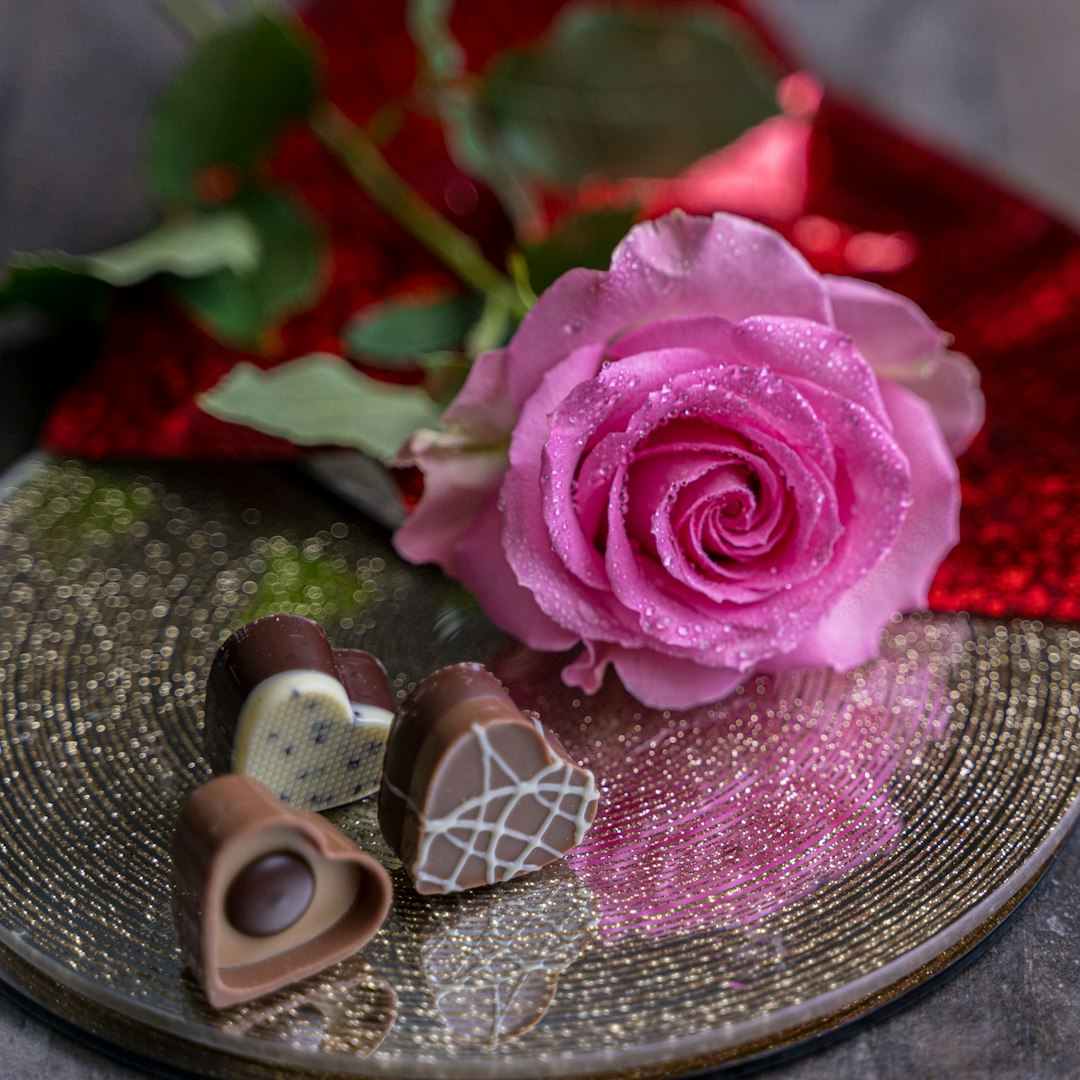
Chocolate is an ornamental flower variety prized for its deep burgundy to near-black petals and distinctive cocoa-like fragrance. Reaching maturity in 65-75 days, this heirloom cultivar produces velvety blooms that emit a subtle chocolate scent, making it a unique sensory addition to gardens. It thrives in full sun with well-draining loam soil and is notably easy to grow, ideal for both novice and experienced gardeners seeking unusual, richly-colored flowers.
Choice Mix
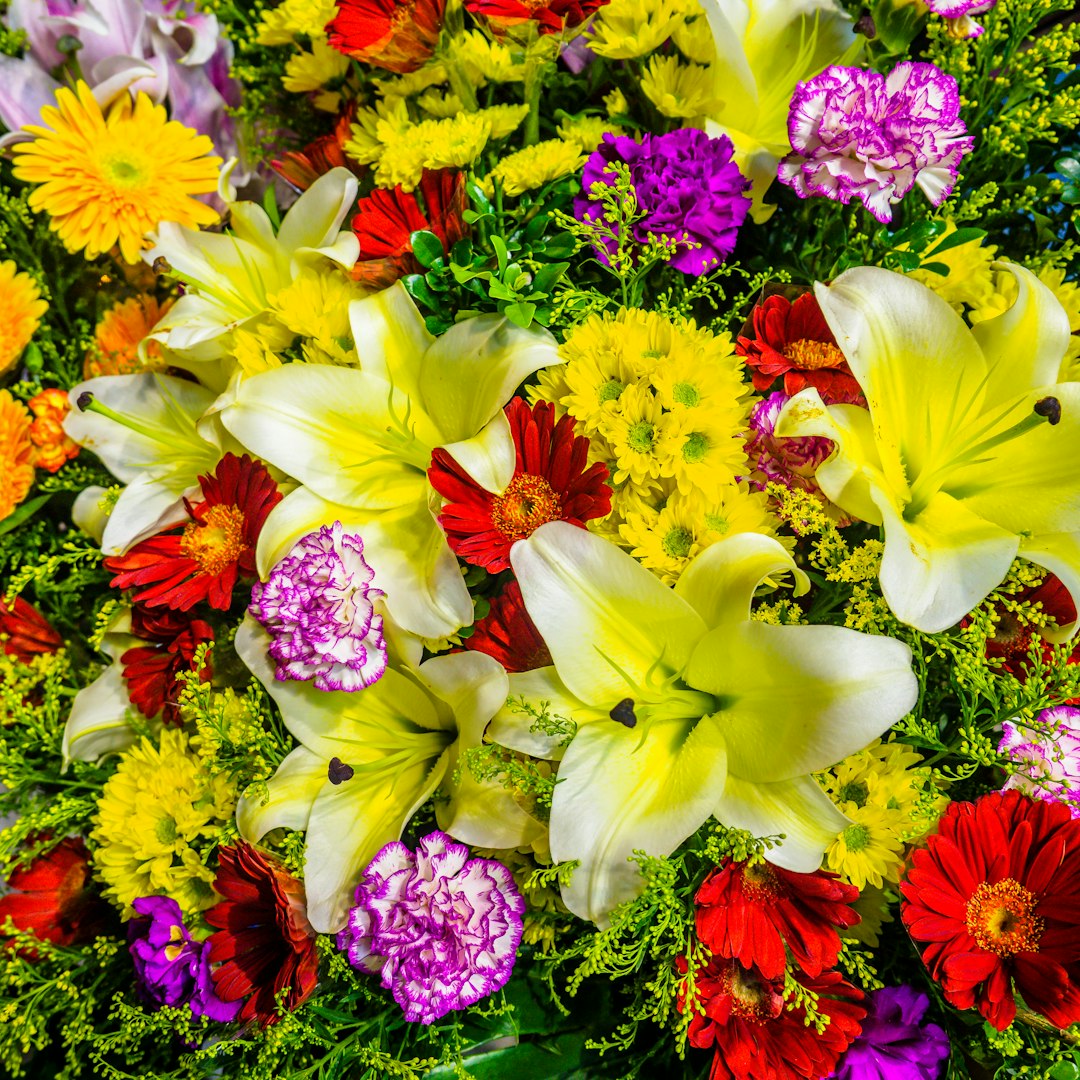
Choice Mix is an easy-to-grow heirloom flower variety ready for harvest in 65-75 days. This blend produces delicate blooms that thrive in full sun to partial shade with well-drained, moderately fertile soil. The flowers offer a subtle, mildly floral taste with delicate, slightly sweet notes, making them ideal for culinary garnishing and edible flower arrangements. Choice Mix flowers are prized by home gardeners for their hardiness and low maintenance requirements. Watch for common pests including aphids, spider mites, and leafhoppers to maintain plant health throughout the growing season.
Classic Magic
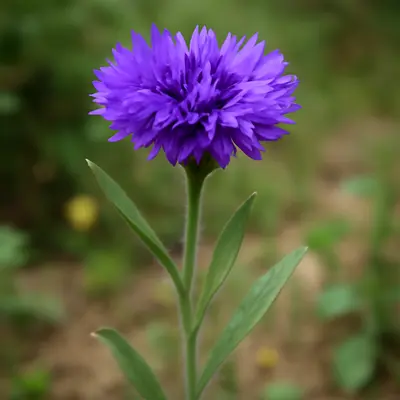
Abundant 1-1 1/2" flowers on upright plants. Double and semidouble bicolor blooms in black & plum, black & white, and purple. Attractive frosty appearance. Elegant addition to salads and desserts.
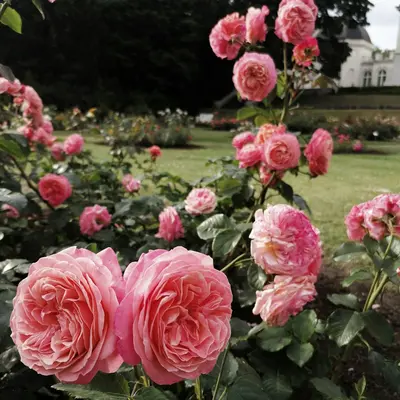
Classic Romantic
Abundant 1-1 1/2" flowers on upright plants. Double and semidouble, bicolor blooms in pink and white. Attractive, frosted appearance. Elegant addition to salads and desserts. Edible Flowers: Use the petals of this great edible flower for decorating desserts. Centaurea is also a popular choice for brightening up salad mix. Flavor is bland and mildly floral.
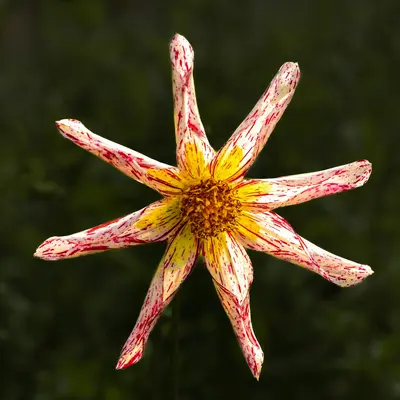
Clematis Jackmanii
The most popular and reliable clematis variety, famous for its prolific display of rich purple flowers that bloom from mid-summer through early fall. This vigorous climbing vine can transform any vertical space with its abundant 4-6 inch blooms, making it perfect for trellises, arbors, and fences. Jackmanii is incredibly hardy and forgiving, making it the ideal choice for gardeners new to clematis growing.
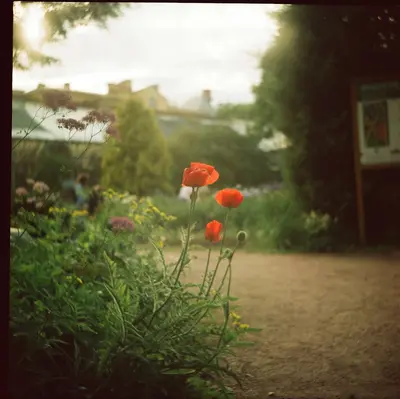
Cliveden Beauty
First-year flowering perennial. Well-branched plants produce long, slender stems and lacy sky-blue blooms. Popular color and airy, delicate appearance for bouquets and design work. Tall plants may benefit from support, as stems can lodge or topple in heavy rain or wind. Attracts bees and butterflies. Often grown as an annual. Perennial in Zones 3-7.
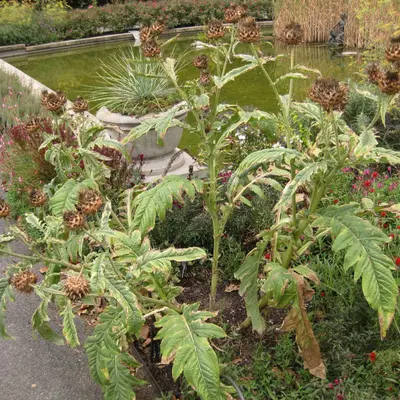
Colorado Star
A very early artichoke specifically bred for annual production from seed. The 1-3' tall plants vary from upright to prostrate, but all produce high yields of purple to greenish-purple buds. Typically 1-3 primary buds are produced that are 2 1/2-3 1/2" in diameter followed by 5-7 secondary buds ranging from 2-2 1/2" in diameter. Developed by Keith Mayberry, who also bred Imperial Star. Plants are spiny. Perennial in Zone 7 and warmer; otherwise treat as an annual. NOTE: Amount of purpling may vary from plant to plant; some buds will be all purple, while others only show purple-tinged bracts.
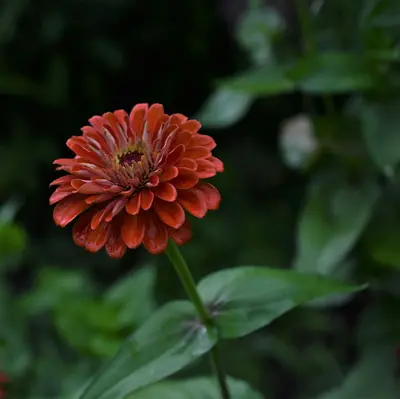
Copper Red
Tall, well-branched plants produce vibrant copper, double blooms 2-2 1/2" across. Also known as bracted strawflower.
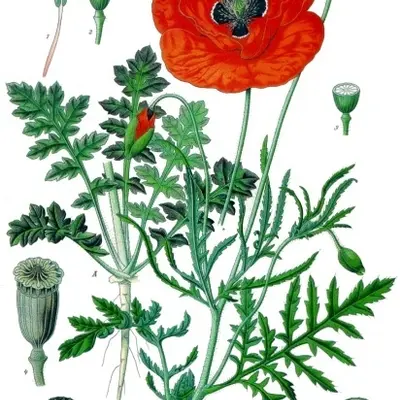
Corn Poppy
Large, 3-4" blooms provide cheerful color to any garden spot. Long-blooming.
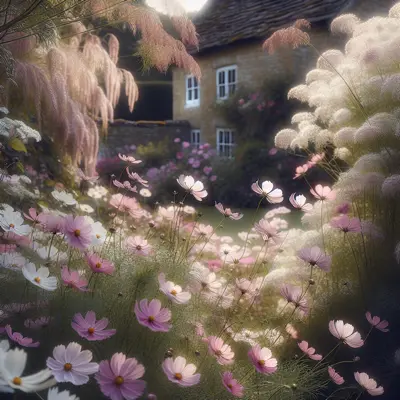
Cosmos Sensation Mix
An old-fashioned favorite that epitomizes cottage garden charm with its delicate, papery petals in soft pastels and feathery foliage. This easy-care annual self-sows readily and blooms continuously until frost, attracting beneficial insects and providing armloads of cut flowers. The tall, graceful stems sway beautifully in the breeze, adding movement and romance to any garden space.
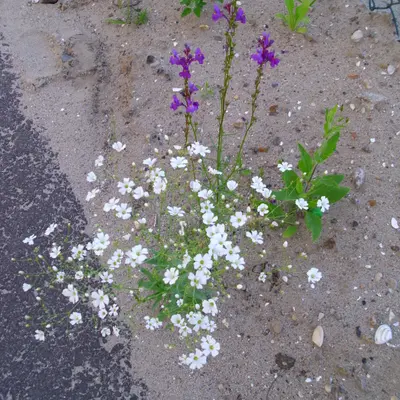
Covent Garden Market
Small, 1/2- 3/4", white flowers make an airy cut-flower filler for bouquets. Multi stems per plant. Succession plant for continuous harvest through the summer. Also known as baby's breath, "gyp," and showy baby's-breath.
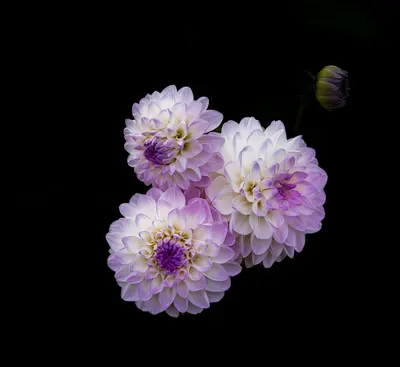
Cramer's Burgundy
Cramer's Burgundy is an heirloom flower variety prized for its deep burgundy blooms and reliable performance in full sun conditions. This cultivar matures in 90-120 days and thrives in well-drained soil with average fertility, making it accessible to gardeners of all skill levels. The defining characteristic is its rich, dark coloration that adds dramatic contrast to garden compositions. A pest-resistant choice despite susceptibility to spider mites, whiteflies, and thrips with proper management.
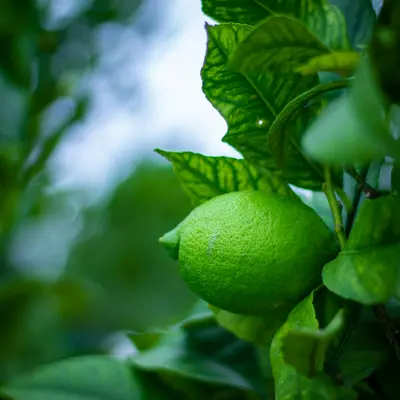
Cramer's Lemon Lime
Cramer's Lemon Lime is a decorative heirloom flower variety that reaches maturity in 90-120 days under full sun conditions. This ornamental cultivar is prized for its distinctive bicolor blooms featuring vibrant yellow and green tones that evoke its namesake citrus fruits. The variety thrives in well-drained, fertile soil and is notably easy to grow, making it accessible for gardeners of all skill levels. Its unique color combination and long bloom season make it a striking addition to flower gardens and landscape arrangements.
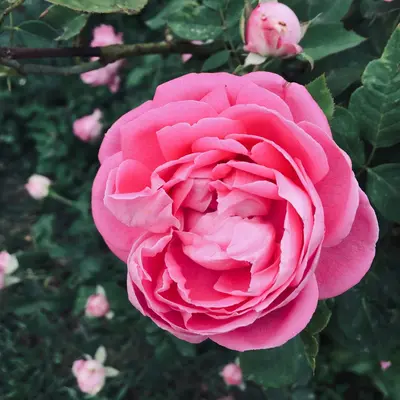
Cramer's Rose
Cramer's Rose is a classic heirloom flower variety prized for its full, layered blooms and rich coloring. Reaching maturity in 90-120 days, this rose develops abundant flowers throughout the growing season under full sun conditions. The variety is distinguished by its exceptional hardiness and disease resistance, thriving in well-draining loam with minimal fertility requirements. Its vigorous growth habit and prolific flowering make it an ideal choice for both garden displays and cut flower arrangements.
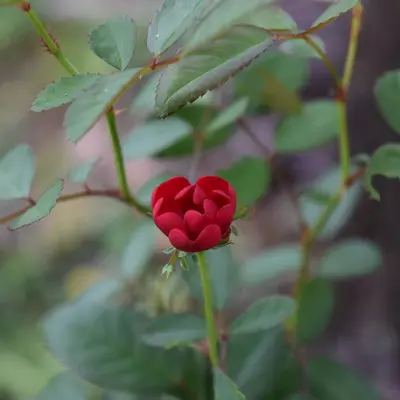
Cranberry Rose
Tall, well-branched plants produce double flowers 2-2 1/2" across. This variety is also known as Pomegranate or Bright Rose. Also known as bracted strawflower.
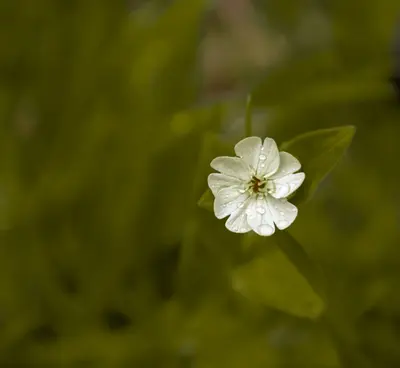
Creamy White
Tall, well-branched plants produce double flowers 2-2 1/2" across. Blooms are pale lemon-yellow. Fresh blooms: silvery buds take on a lemon hue as blooms mature and petals unfold. Fresh flowers open in shades of creamy white and lemon. Dried flowers: blooms turn fully lemon-colored once dried. Also known as bracted strawflower.

Crystal Beauty
Bloom size ranges from 1 1/2-4" wide. Uniform, upright plants and stems. Shimmering, fan-shaped combs are peach-colored with hints of pink and gold. Upright, clean stems are easy to harvest. Branching plants produce multiple stems. Compared to the Chief series, combs are slightly smaller. Otherwise, overall performance is very comparable. Unauthorized reproduction and sale of seeds is prohibited by the breeder.
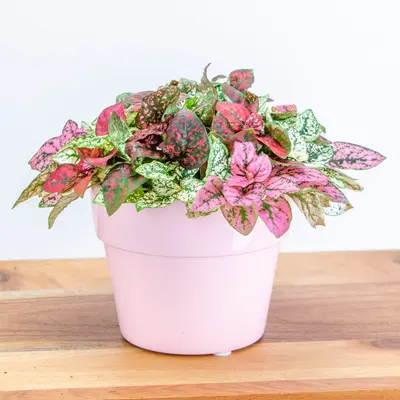
Cupcakes Blush
Cupcakes Blush is as showy as Double Click with lighter-weight blooms held upright on strong stems. The light-colored, finely pleated blooms float above the foliage, reminding us of Degas' paintings of ballerinas. A small percentage of flowers have lovely tufted centers.
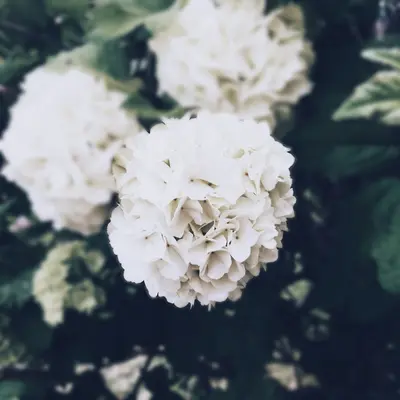
Cupcakes White
Cupcakes White is as showy as Double Click with lighter-weight blooms held upright on strong stems. The finely pleated blooms with scalloped edges float above the foliage. A small percentage of flowers have lovely tufted centers.
Dahlia Bishop of Llandaff
An award-winning heirloom dahlia that combines stunning scarlet-red single flowers with dramatic dark bronze-purple foliage for an absolutely striking garden presence. This compact variety has been beloved by gardeners since 1924, offering both exceptional flower power for cutting and foliage that rivals the most exotic coleus for dramatic garden impact.
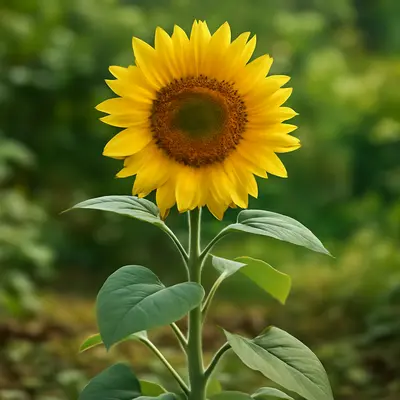
Darjeeling
Unique and adorable 3-6" Teddy Bear-type flowers. Excellent choice for late summer or fall gardens and arrangements that call for "brown," "rust," or "burnt sienna" hues. Plants are tall and productive enough for cutting but tidy and not overly vigorous. 12-20" stems. Produces minimal pollen. Branching. Unauthorized reproduction and sale of seeds is prohibited by the breeder.
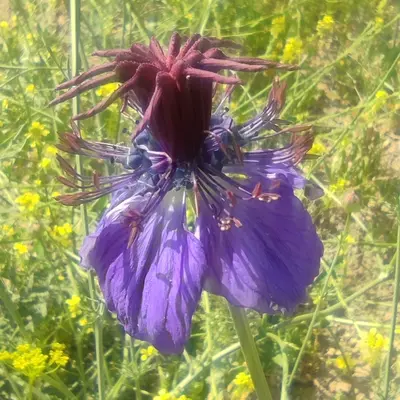
Delft Blue
Named for the famous Dutch Delft blue pottery. Blue splashes on flower petals in varying shades of blue and gray, and intricate deep-purple centers. Produces unusual seed pods that can be used in fresh or dried arrangements.
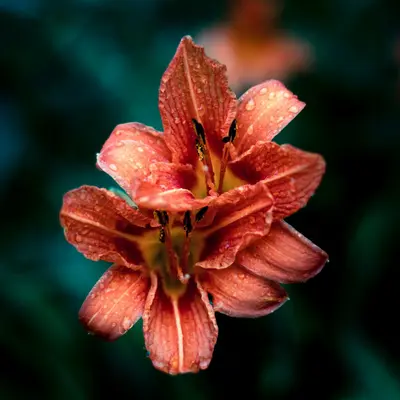
Dianthus Barbatus Sweet William
2-4" clusters of single-petaled, coral-pink blooms on long, strong stems. Compared to the Sweet™ series, blooms are wider, flatter, less globe-shaped, and have more of an umbel form. Plant vernalization is not required to initiate flowering. Fragrant blooms. Plants are high-yielding, producing long-lasting blooms, up to 14 days. Tender perennial in Zones 6-8. Raw, uncoated seed.
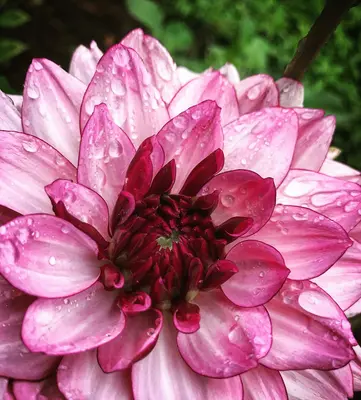
Double Click Bicolor Pink
2-3" fully double and semidouble bicolor flowers on strong stems for cutting. They are highly variable in the proportion of pink to white, creating the pleasant effect of a bicolor mix. Flower colors range from a contrasting, dark pink edge on a bright white flower to soft, creamy white with blush of pink. Cosmos are also known as garden cosmos.
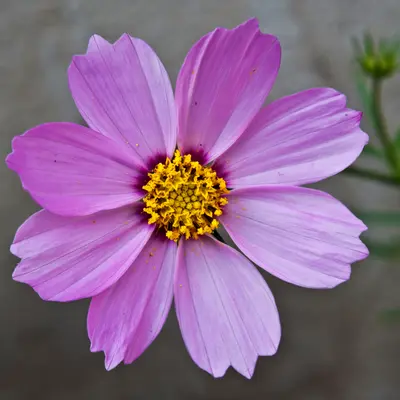
Double Click Bicolor Violet
2-3" fully double and semidouble bicolor flowers on strong stems for cutting. Blooms vary in their proportion of purple to white, creating the pleasant effect of a bicolor mix. Flower colors range from eggplant-purple with a contrasting bright-white background to soft-and-creamy white with a blush of lavender.
Double Click Cranberries
Tall plants with strong stems support fully double and semidouble blooms 2-3" across. The deep color adds richness to cut-flower arrangements. Cosmos are also known as garden cosmos.
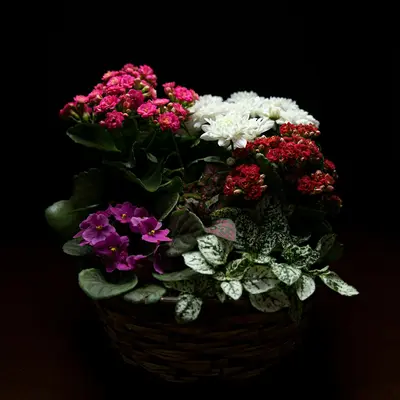
Double Click Mix
Tall plants with large fully double and semidouble blooms. Shades of carmine, pink, and white make this a great cut flower and garden addition. Cosmos are also known as garden cosmos.
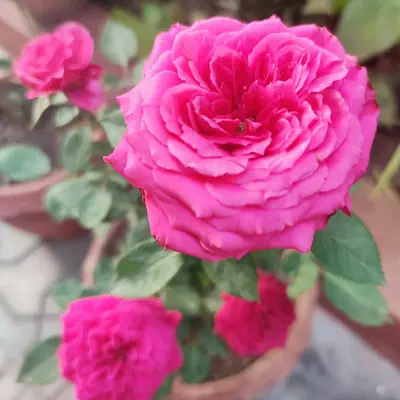
Double Click Rose Bon Bon
Tall plants with large fully double and semidouble, fluffy blooms. Cheerful, 2-3" rose-colored blooms make this a great cut flower and garden addition.
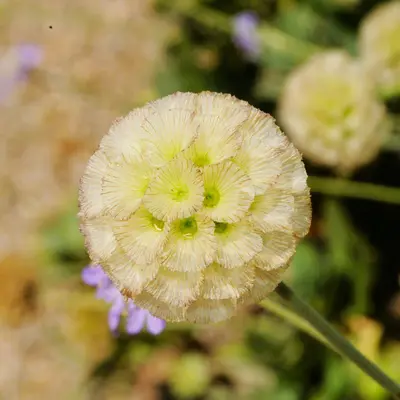
Double Click Snow Puff
Tall plants with large fully double and semidouble blooms. Pure white flowers with a small percentage displaying a soft blush of pink. Cosmos are also known as garden cosmos.
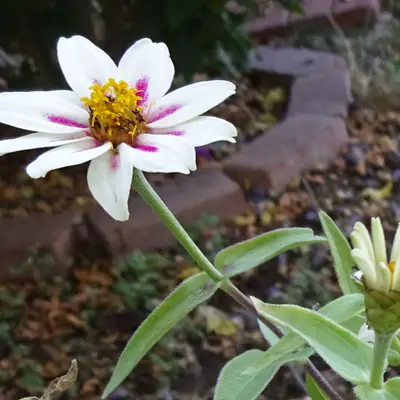
Double Zahara™ Bright Orange
An easy-to-grow choice for cheerful color in the garden or pots. Highly uniform plants with a low-growing, mounding habit that flower continuously, providing weeks of color. Abundant, bright golden-orange, fully double blooms average 1 1/2-2 1/2" wide. Zahara dwarf zinnias were bred for powdery mildew resistance and long-lasting color for landscapes and garden beds.
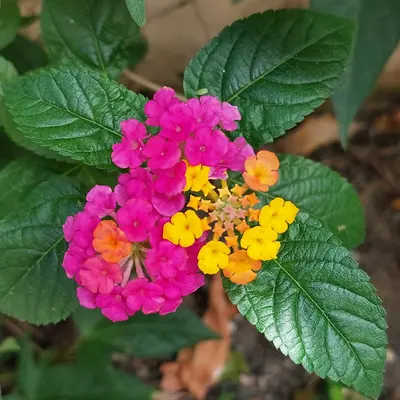
Double Zahara™ Brilliant Mixture
An easy-to-grow choice for cheerful color in the garden or pots. Bright and happy mix of hues in cherry, salmon, yellow, crimson, and white. Highly uniform plants with a low-growing, mounding habit that flower continuously, providing weeks of color. Abundant fully double blooms average 1 1/2-2 1/2" wide. Zahara dwarf zinnias were bred for powdery mildew resistance and long-lasting color for landscapes and garden beds.
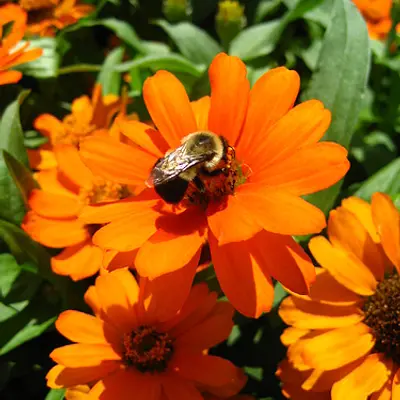
Double Zahara™ Cherry
An easy-to-grow choice for cheerful color in the garden or pots. Highly uniform plants with a low-growing, mounding habit that flower continuously, providing weeks of color. Abundant, cherry-red, fully double blooms average 1 1/2-2 1/2" wide. Zahara dwarf zinnias were bred for powdery mildew resistance and long-lasting color for landscapes and garden beds. AAS Winner.
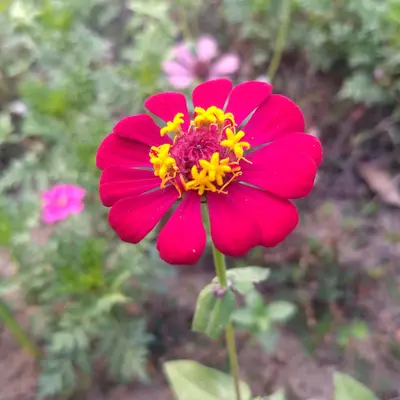
Double Zahara™ Fire
An easy-to-grow choice for cheerful color in the garden or pots. Highly uniform plants with a low-growing, mounding habit that flower continuously, providing weeks of color. Abundant, fiery, deep orange-red, fully double blooms average 1 1/2-2 1/2" wide. Zahara dwarf zinnias were bred for powdery mildew resistance and long-lasting color for landscapes and garden beds. AAS Winner.
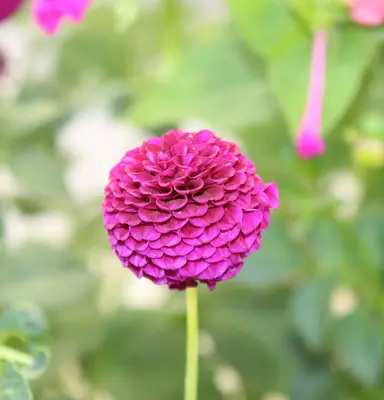
Double Zahara™ Raspberry Ripple
An easy-to-grow choice for cheerful color in the garden or pots. Highly uniform plants with a low-growing, mounding habit that flower continuously, providing weeks of color. Abundant, fully double, bicolor blooms average 1 1/2-2 1/2" wide. Rose shades can vary under different environmental conditions: cooler temperatures accentuate the rose coloration, whereas when flowers age and experience more heat, the white comes out more. Zahara dwarf zinnias were bred for powdery mildew resistance and long-lasting color for landscapes and garden beds.
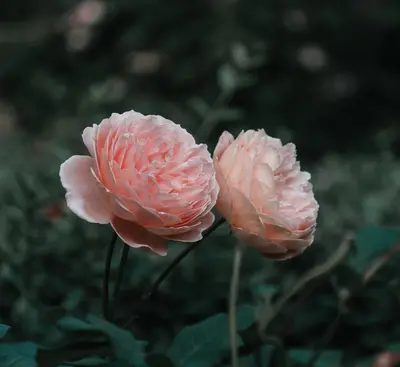
Double Zahara™ Salmon
An easy-to-grow choice for cheerful color in the garden or pots. Highly uniform plants with a low-growing, mounding habit that flower continuously, providing weeks of color. Abundant, salmon-colored, fully double blooms average 1 1/2-2 1/2" wide. Zahara dwarf zinnias were bred for powdery mildew resistance and long-lasting color for landscapes and garden beds.
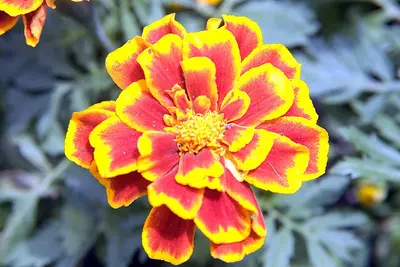
Durango Flame
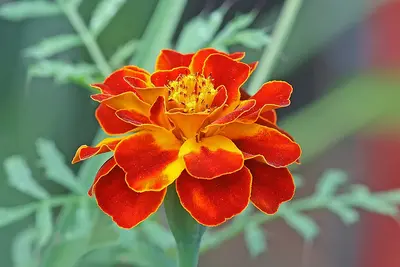
Highly branching, uniform, robust plants. A great choice for garden beds and pots for its compact habit. Abundant 2-2 1/2" blooms. Bright red and orange bicolor flowers are beautiful in late summer and fall gardens. Attracts beneficial insects such as hoverflies. Also known as French marigold. Edible Flowers: Use the flowers to dress up salads and desserts or cooked in egg or rice dishes. Flavor is floral with hints of citrus and spice, and slightly bitter. Remove the petals from the flower base before consuming as the base can be quite bitter.
Durango Outback Mix
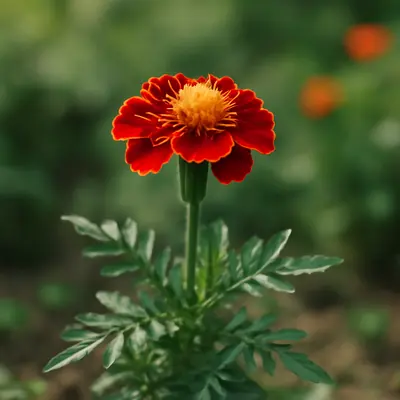
Highly branching plants. A good choice for packs, pots, and garden planting. Bloom size is 2-2 1/2". Attracts beneficial insects such as hoverflies. Also known as French marigold. Edible Flowers: Use the flowers to dress up salads and desserts or cooked in egg or rice dishes. Flavor is floral with hints of citrus and spice, and slightly bitter. Remove the petals from the flower base before consuming as the base can be quite bitter.
Durango Red
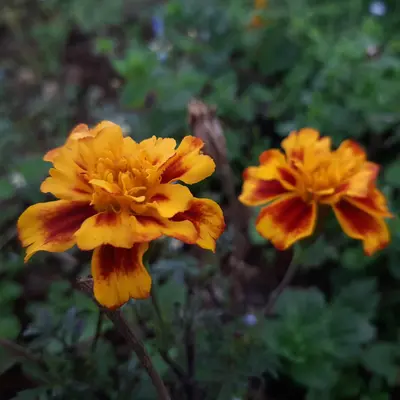
Highly branching, uniform, robust plants. A great choice for garden beds and pots for its compact habit. Abundant 2-2 1/2" blooms. Bright red flowers are beautiful in late summer and fall gardens. Attracts beneficial insects such as hoverflies. Also known as French marigold. Edible Flowers: Use the flowers to dress up salads and desserts or cooked in egg or rice dishes. Flavor is floral with hints of citrus and spice, and slightly bitter. Remove the petals from the flower base before consuming as the base can be quite bitter.
Durango Tangerine
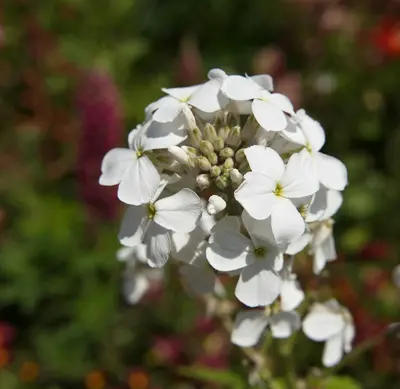
Highly branching, uniform, robust plants. A great choice for garden beds and pots for its compact habit. Abundant 2-2 1/2" bright orange blooms. A classic addition to any garden. Attracts beneficial insects such as hoverflies. Also known as French marigold. Edible Flowers: Use the flowers to dress up salads and desserts or cooked in egg or rice dishes. Flavor is floral with hints of citrus and spice, and slightly bitter. Remove the petals from the flower base before consuming as the base can be quite bitter.
Early Arrow White
"Hi-double" plants produce 90% or more double-flowering plants. From the same breeder as the Iron series, Early Arrow is very similar to Iron in overall performance with very straight, strong stems and highly uniform plants. Long stems with 1 1/2-2", pure white blooms. One-cut series. Performed well in our spring, early summer, and fall trials. Seedling selection for double flowers is not necessary; plants will yield at least 90% double blooms without selection. NOTE: This variety produces one flowering stem per plant. Pinching is not advisable as it will terminate flowering. Edible Flowers: The peppery, clove-like flavor of the flowers lends itself well to use as a garnish on salads, desserts, and drinks.
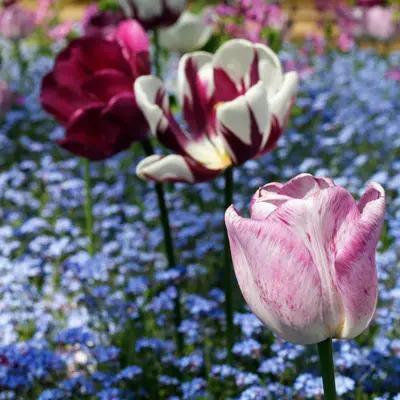
Elegance Formula Mix
First and most abundant to bloom in our trials. Developed for flowering under short days, low light conditions, and in cool greenhouses. Also produces abundant flowers in the long days of early summer. Suitable for spring or midwinter production. Long stems bear 3-5 blooms in seven shades of red, four shades of pink, two shades of purple, as well as blue and white. Formerly called Winter Elegance. Can be spelled either as sweet pea or sweetpea. Attracts hummingbirds.
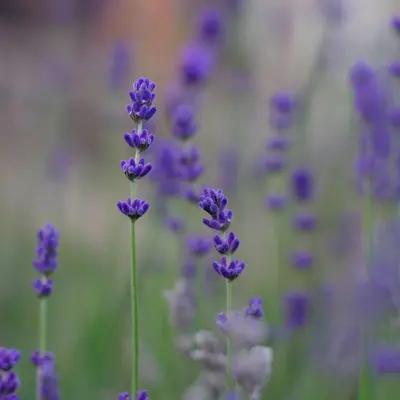
Elegance Lavender
Light lilac colored blooms. In our trials, Elegance Lavender is typically a few days later than other colors in the series. Developed for flowering under short days, low light conditions, and in cool greenhouses. Suitable for spring or midwinter production. Long stems bear 3-5 blooms. Formerly called Winter Elegance. Can be spelled either as sweet pea or sweetpea. Attracts hummingbirds.
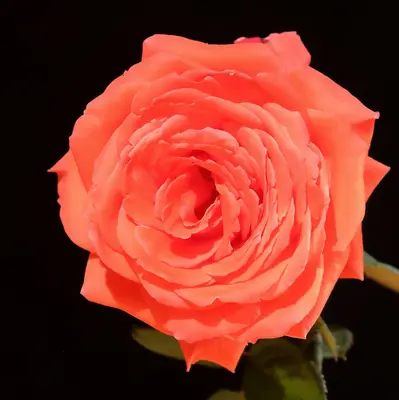
Elegance Salmon Rose
Coral-colored blooms. First and most abundant to bloom in our trials. Developed for flowering under short days, low light conditions, and in cool greenhouses. Suitable for spring or midwinter production. Long stems bear 3-5 blooms. Formerly called Winter Elegance. Can be spelled either as sweet pea or sweetpea. Attracts hummingbirds.
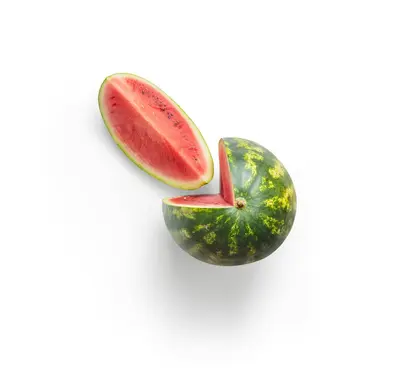
Elegance Watermelon
Compared to Elegance Salmon Rose, Elegance Watermelon's blooms are a shade darker. Elegance series is the first and most abundant to bloom in our trials. Developed for flowering under short days, low light conditions, and in cool greenhouses. Suitable for spring or midwinter production. Long stems bear 3-5 blooms. Formerly called Winter Elegance. Can be spelled either as sweet pea or sweetpea. Attracts hummingbirds.
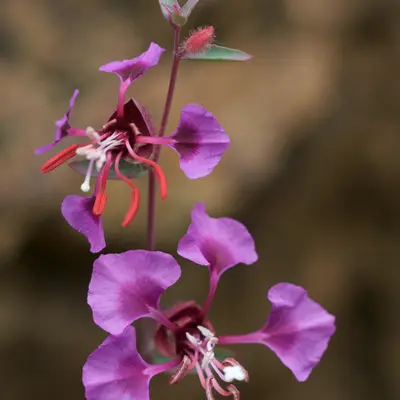
Elegant Salmon
Beautiful salmon blooms strung along purple-red stems. Flowers bloom from the lower portion of the stem and continue to open up the stem. Mostly double, semidouble, and single blooms. Easy to harvest, as the hard (almost woody) stems are nearly free of foliage. Basal-branching plants. Native to the Western US. Also known as elegant clarkia and mountain garland.
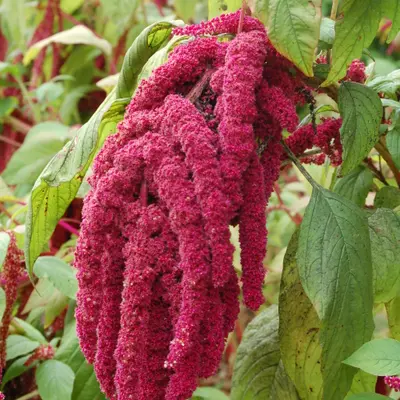
Emerald Tassels
Fantastic color and texture for fresh bouquets or large containers. When dried, the blooms turn from green to a light tan color that works well in fall arrangements. Common names include amaranth and tassel flower.
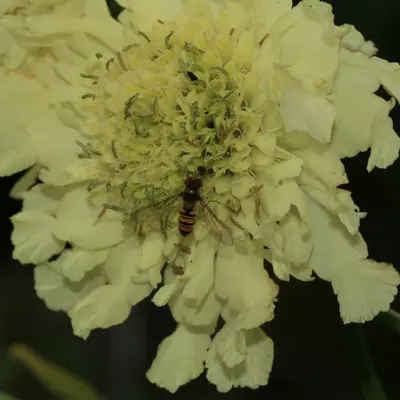
Fama Deep Blue
Elegant 2 1/2-3 1/2" blooms with long, clean, wiry stems and good vase life. Perfect for cutting. Seed pods can be used to add whimsy and interest to mixed bouquets. Produces all summer long. Also known as sweet scabious, Caucasian pincushion flower, and perennial Scabiosa. Perennial in Zones 3-7.
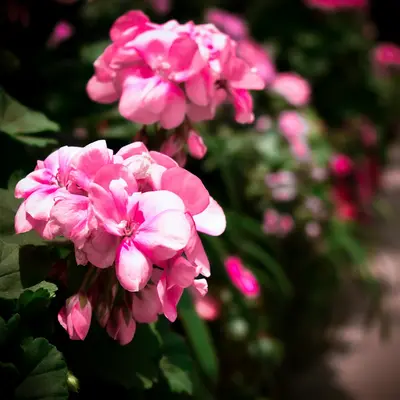
Fama White
Elegant 2½-3½" blooms with long, clean, wiry stems and good vase life. Perfect for cutting. Seed pods can be used to add whimsy and interest to mixed bouquets. Produces all summer long. Also known as sweet scabious, Caucasian pincushion flower, and perennial Scabiosa. Perennial in Zones 3-7.
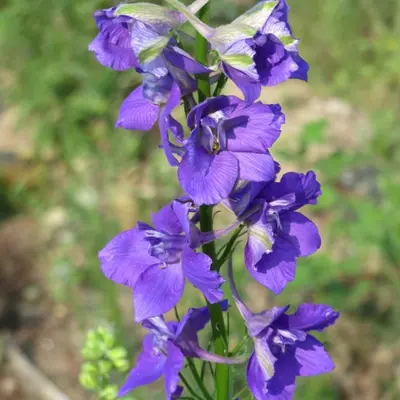
Fancy Smokey Eyes
Features tall spires of dense florets. Unique, silvery white blooms with lavender centers and subtle lavender blush. Produces mostly double blooms with a small percentage of singles. 1 1/2-1 3/4" florets on 9-12" flower spikes. Attracts hummingbirds.
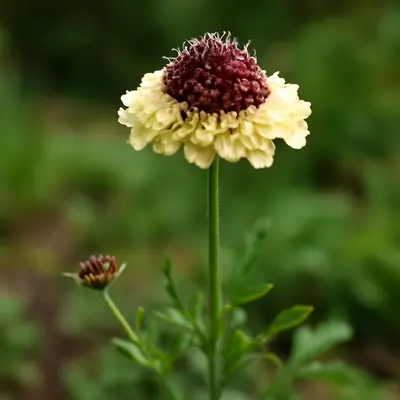
Fata Morgana
Fata Morgana produces 1 1/2-2 1/2", soft creamy apricot blooms atop tall, strong, and slender stems. The color adds a vintage look to mixed bouquets. In the garden, it serves as an attractant for bees and butterflies. Also known as mourning bride.
Fire King
1 1/2-2 1/2", deep scarlet flowers stand tall on strong, slender stems. A dramatic addition to any bouquet or garden. Also known as mourningbride.
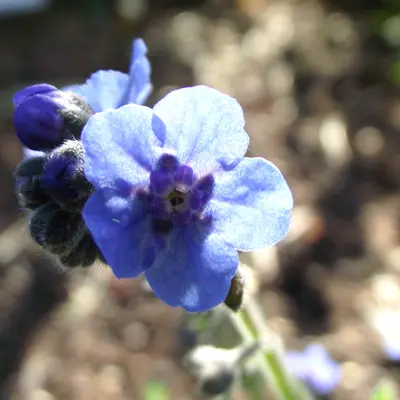
Firmament
Tall, uniform plants produce a strong first cut of long, sturdy stems, followed by an abundance of branching side stems. Attracts bees. Also known as Chinese hound's tongue. AAS Winner 1935.
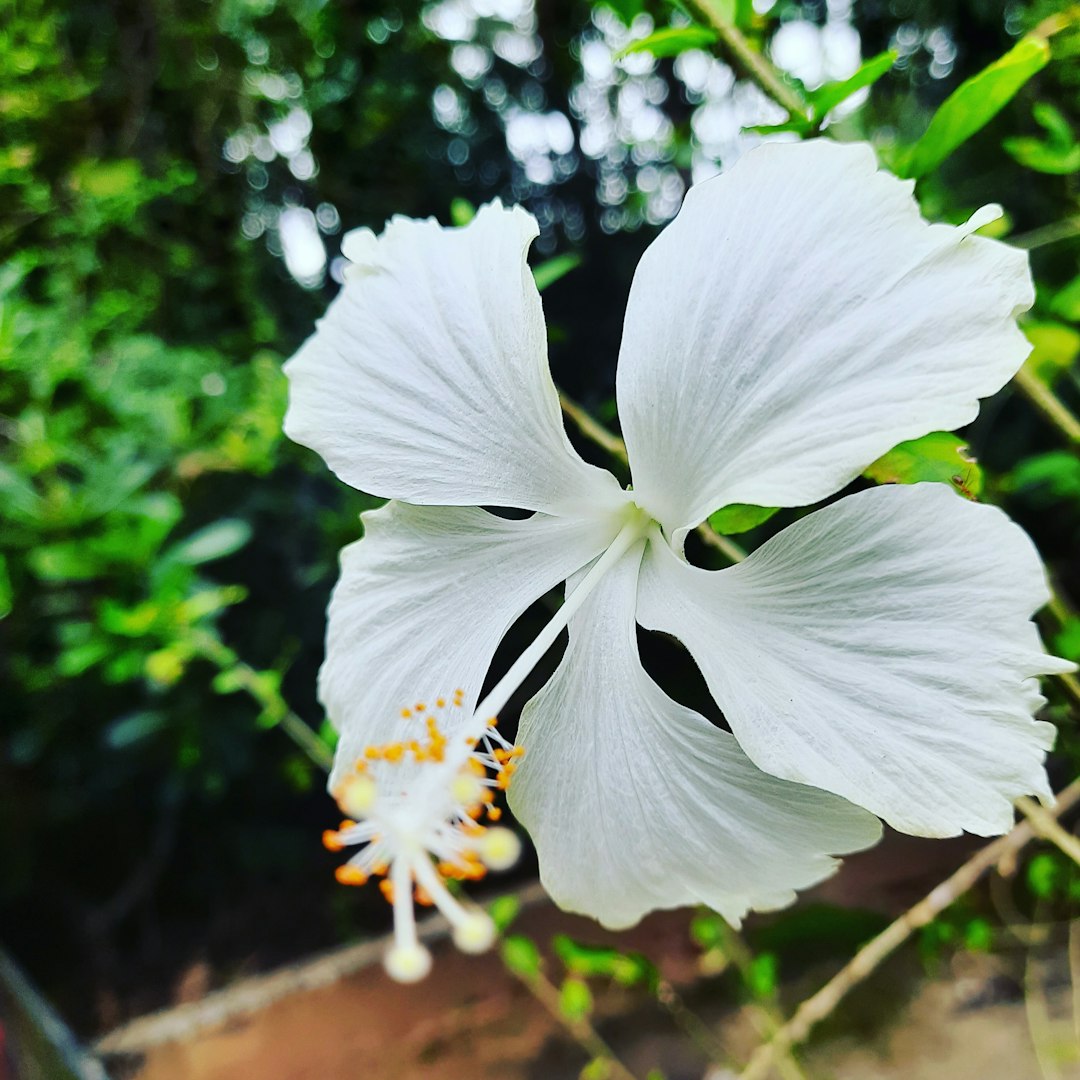
Fizzy White
Large 2 1/2-4" pure white blooms. A semidouble or double flower appearance is achieved by Fizzy White's overlapping petals and tufted centers. The petals have lovely, fine pleats and zigzag edges, reminiscent of crisply pressed and pinked linens.
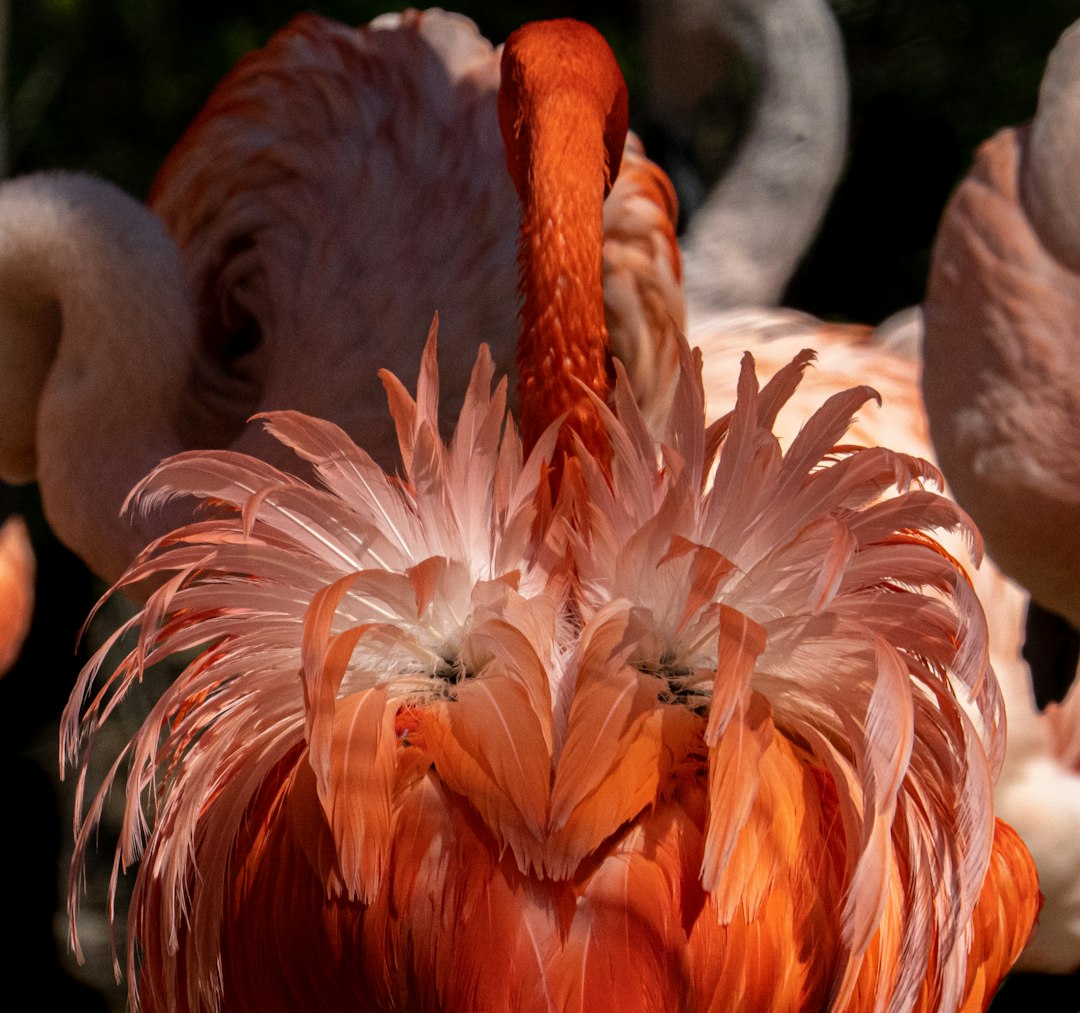
Flamingo Feather
Uniform, upright plants produce tall, straight, sturdy stems with few leaves to strip away, making this an easy celosia to grow and harvest. Pale pink and rose spikes have a silvery shimmer. Comparable timing and form to Ruby Parfait but with taller, more upright plants and longer stems. Also available in organic seed.
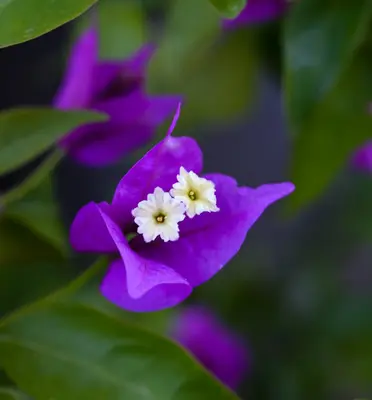
Flamingo Purple
Dense, shrub-like plants produce a bounty of dramatic, dark burgundy-and-green foliage with 2-5" magenta flower spikes. Plants are upright and highly uniform, and stems are dark red, thick, and sturdy. As a cut flower, it adds a tropical flair. NOTE: Despite the name, this is a very different plant than Pink Flamingo celosia. Purple Flamingo blooms late and produces an abundance of foliage with comparatively few flowers on very dense plants. Pink Flamingo is the opposite in many ways, blooming early with lots of flowers and few leaves.
Flashback Mix
The undersides of the petals are a muted burgundy giving the 1 1/2-3" flowers a unique, flashy appearance. An excellent mix of colors; high percentage of double and semidouble flowers on long, strong stems. Also known as pot marigold, common marigold, and Scotch marigold. Edible Flowers: Petals of the flowers can be used fresh or dried in "flower confetti," soups, soufflés, rice dishes, baked goods, and to garnish desserts. Calendula is a popular choice for brightening up salad mix. Flavor is tangy and slightly bitter. Remove the petals from the flower base before consuming as the base can be quite bitter.
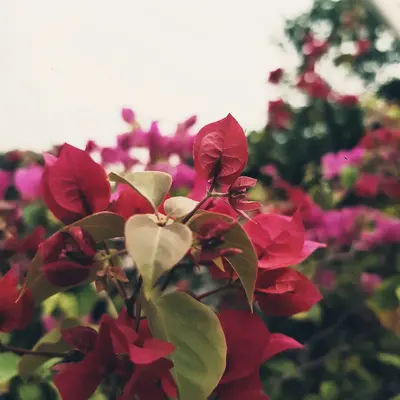
Florenza
Unique color combination and mild chocolate fragrance. No drooping flower heads; strong, straight 15-32" stems provide firm support. Plants have relatively small, and few, leaves, making them more manageable, neater, and easier to harvest. Produces pollen. Branching.
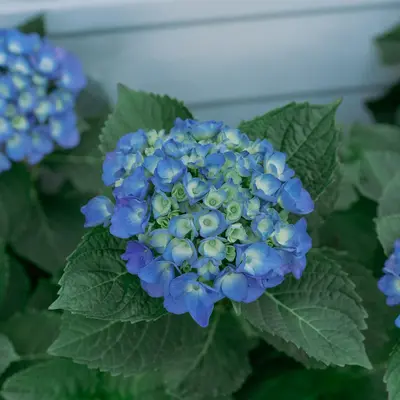
Florist Blue Boy
Florist Blue Boy is a charming heirloom flower variety prized for its striking deep blue blooms and ornamental appeal. The plants mature in 65-75 days, producing abundant flowers ideal for fresh arrangements and garden display. This easy-to-grow variety thrives in full sun to partial shade with well-drained, adaptable soil. Its defining characteristic is its rich blue coloring, which makes it a standout in bouquets and floral designs. While possessing a bland, mildly floral taste, it is best suited for decorative culinary applications rather than flavor-forward dishes.
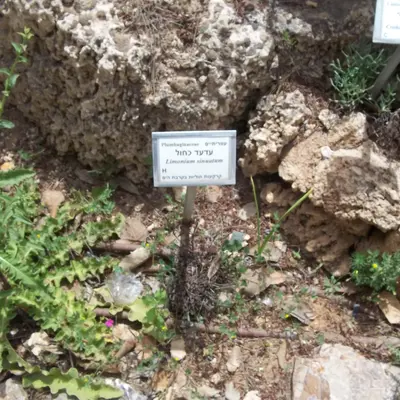
Forever Blue
1 1/2-3" dark blue flower clusters. Robust plants produce strong stems in the field and greenhouse. Like many blue statice varieties, Forever Blue tends to bloom a bit later than other colors. Compared to Seeker Blue, Forever Blue is very similar in overall performance. Also known as annual statice and wavyleaf sea lavender.
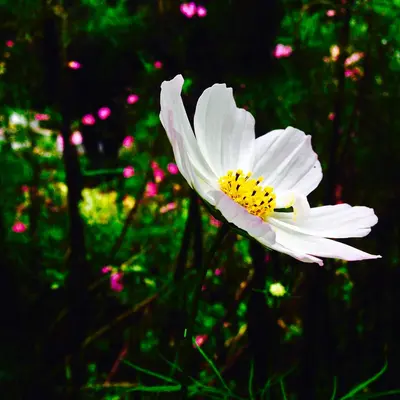
Forever Happy
A playful color contrast of light rose-lavender bracts and sunny-yellow flowers when used as a fresh cut flower. This uncommon color combination is useful for bridging multiple colors in an arrangement. Only the rose-lavender bract color will persist when dried. First cuts are a bit short, but stems lengthen with successive harvests. Highly uniform plants. 1 1/2-3" flower clusters on strong stems. Statice is long-lasting for both fresh and dried bouquets. One of the best choices for a dried floral as it holds its color well and is easy to dry. Also known as wavyleaf sea lavender.
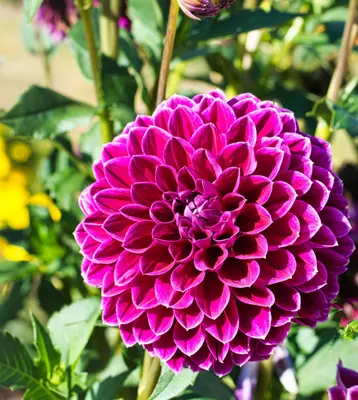
Giant Dahlia Flowered Mix
Similar to Benary's Giant zinnias in color and plant habit, but produces 4-6" single, semidouble, and double flowers. By comparison, Benary's Giant produces consistently larger blooms that are fully double, on plants that are more robust. Cut-and-come-again flower, yielding multiple cuts over the season. Mix includes yellow shades, rose shades, scarlet, green, orange, pink, red, purple, and coral.
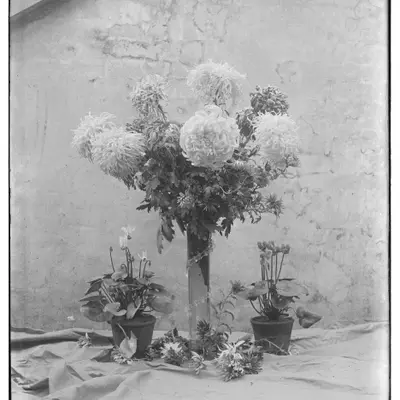
Giant Hybrid Mix
Get started with dahlias by growing from seed, an easy and economical alternative to tubers. Under normal to optimal conditions, seeds germinate readily, and plants grow quickly. In our trials, plants bloom mid-July through to the first hard frost. Giant Hybrid Mix produces 3-5" double, semidouble, and single blooms. Mix includes solid and bicolor blooms in shades of salmon, coral, white, light yellow, red, and lavender. NOTE: Double blooms in varieties produced from seed are generally not as fully double as those of named varieties maintained and propagated by tubers, which have been specially selected for numerous and dense petals, among other desirable traits. Edible Flowers: The mild-flavored flowers are a colorful garnish for use in salads, desserts, and drinks. Tubers are also edible.
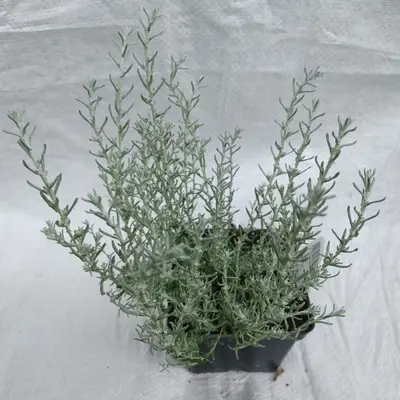
Golden Yellow
Golden Yellow is an heirloom flower variety prized for its vibrant golden-yellow blooms that mature in 75-85 days. This ornamental thrives in full sun and tolerates poor soils with minimal fertility requirements, making it an excellent choice for challenging garden spaces. The variety is notably easy to grow, requiring minimal maintenance while delivering cheerful color throughout the season.
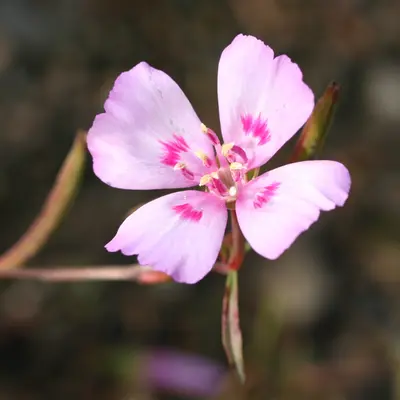
Grace Mix
Each stem produces clusters of cup-shaped blooms in shades of pink, magenta, salmon, and white. Sturdy stems and upward-facing bloom clusters work well as cut flowers. Blooms add a cheerful and almost tropical vibe to mixed bouquets and arrangements. Also known as farewell-to-spring and satin flower.
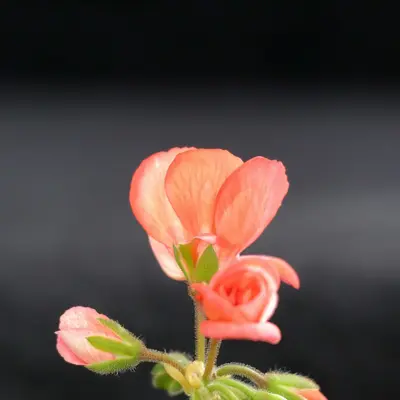
Grace Salmon
Each stem produces clusters of 1 1/2-3" wide, cup-shaped blooms. Sturdy stems and upward-facing bloom clusters work well as cut flowers. Bright, salmon-colored blooms add a cheerful and almost tropical vibe to mixed bouquets and arrangements. Supporting plants for straight stems is recommended. Also known as farewell-to-spring and satin flower.
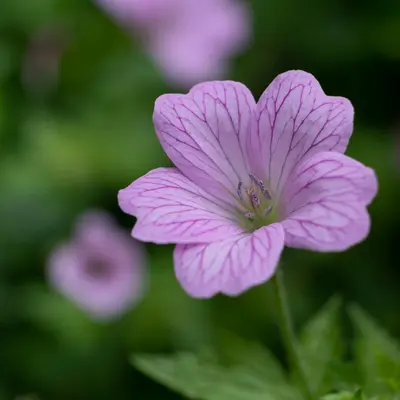
Grace Shell Pink
Each stem produces clusters of 1 1/2-3" wide, cup-shaped blooms. Sturdy stems and upward-facing bloom clusters work well as cut flowers. White with blushy, shell-pink petals. Blooms add a cheerful and almost tropical vibe to mixed bouquets and arrangements. Supporting plants for straight stems is recommended. Also known as farewell-to-spring and satin flower.
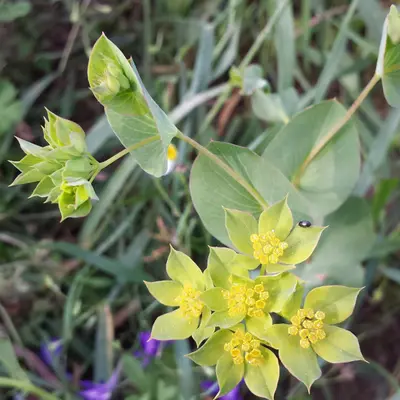
Green Gold
Upright plants produce 2 1/2" yellow-lime green flowers atop long, wiry stems. Excellent for mixed bouquets and makes a unique dried flower. Also known as thoroughwax and hare's ear. Also available in organic seed.
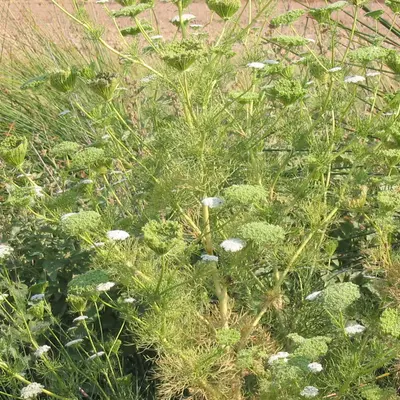
Green Mist
A greener, fuller ammi for cutting. Complements any color scheme. Stems are long and sturdy with dense flower heads 3-5" across. Foliage is full with blue-green, finely dissected leaves and has a feathery appearance. Also known as false Queen Anne's lace, lace flower, false bishop's weed, toothpickweed, and bishop's weed. Attracts and supports beneficial insects such as lacewings, lady beetles, minute pirate bugs, syrphid flies, and parasitic wasps.
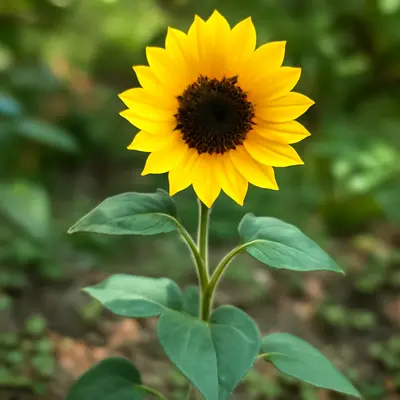
Gummy Bear
Uniform, branching variety produces 3-5" fully double, fluffy blooms. Great for garden beds, container plantings, and short-stemmed cut flowers. Compared to Teddy Bear, Gummy Bear has lighter yellow coloring, is a bit taller, and is several days later to bloom. Flower form and habit are comparable. Blooms produce minimal pollen.
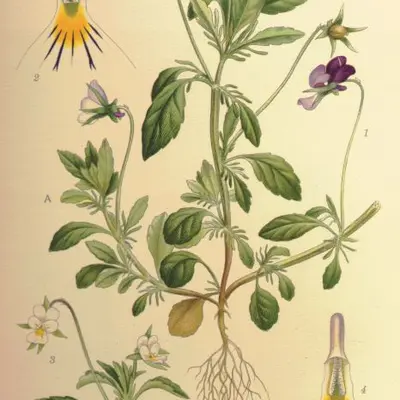
Helen Mount
1-2" tricolor flowers in purple, yellow, and white. May reseed. Also known as pansy, heart's ease, Johnny jump-up, and European field pansy. Perennial in Zones 4-9. Edible Flowers: Abundant blooms make dainty garnishes for salads and desserts with slight wintergreen flavor. While a popular choice for brightening up salad mix, the flowers are also good for candying.
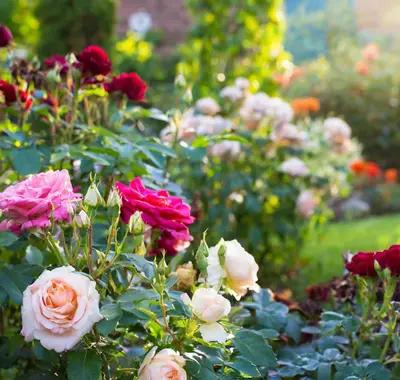
High Scent
Sturdy stems, abundant blooms, vigorous and healthy foliage. Flowers open to cream with lavender blush on petal edges. Color and plant habit is very comparable to Old Times, although flower color is more lavender than blue. Highly fragrant. Attracts hummingbirds.
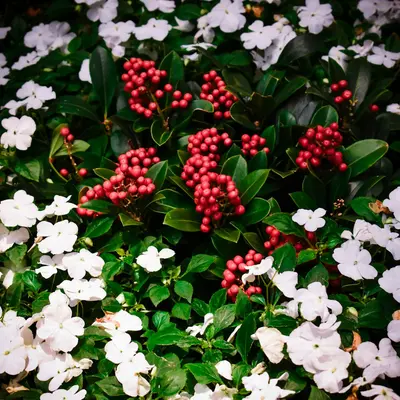
Holiday
Traditional, golden-yellow rays with dark brown disks. Bears armfuls of 3-5" blooms on 12-20" stems. Bears pollen; good for bee forage. Branching.Edible Flowers: Flower buds can be fried and the petals used as a garnish in salads and desserts; the flavor is bittersweet.
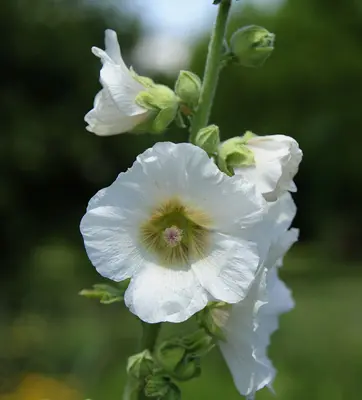
Hollyhock Chater's Double Mix
Towering cottage garden favorites that create dramatic vertical accents with their impressive 6-8 foot spikes covered in fully double, ruffled flowers resembling peonies in shades of pink, red, white, yellow, and purple. These old-fashioned beauties are perfect for creating privacy screens, backdrop plantings, or adding height to perennial borders while attracting beneficial insects and hummingbirds. Self-seeding readily to create naturalized colonies over time.
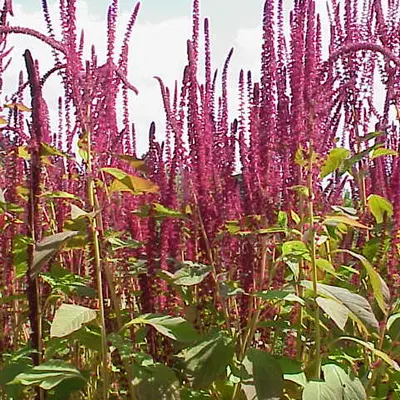
Hot Biscuits
Hot Biscuits is an heirloom ornamental flower variety that matures in 65-75 days, thriving in full sun and well-drained soil despite its tolerance for poor growing conditions. This easy-to-grow variety is prized for its vibrant, biscuit-colored blooms that add warmth and texture to garden displays. Its hardy nature and forgiving growth requirements make it ideal for beginner gardeners seeking reliable, low-maintenance ornamental interest.
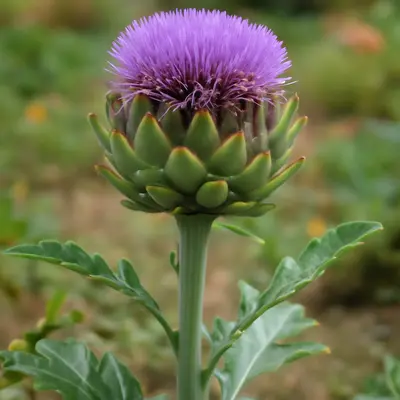
Imperial Star
A green artichoke specifically bred for annual production, Imperial Star will produce well-developed artichokes the first year from seed. Plants become 1 1/2-3' tall and have an open growth habit. Each typically produces 1-2 primary buds, which average 3-4" in diameter, and 5-7 smaller secondary buds. Perennial in Zone 7 and warmer; otherwise treat as an annual.
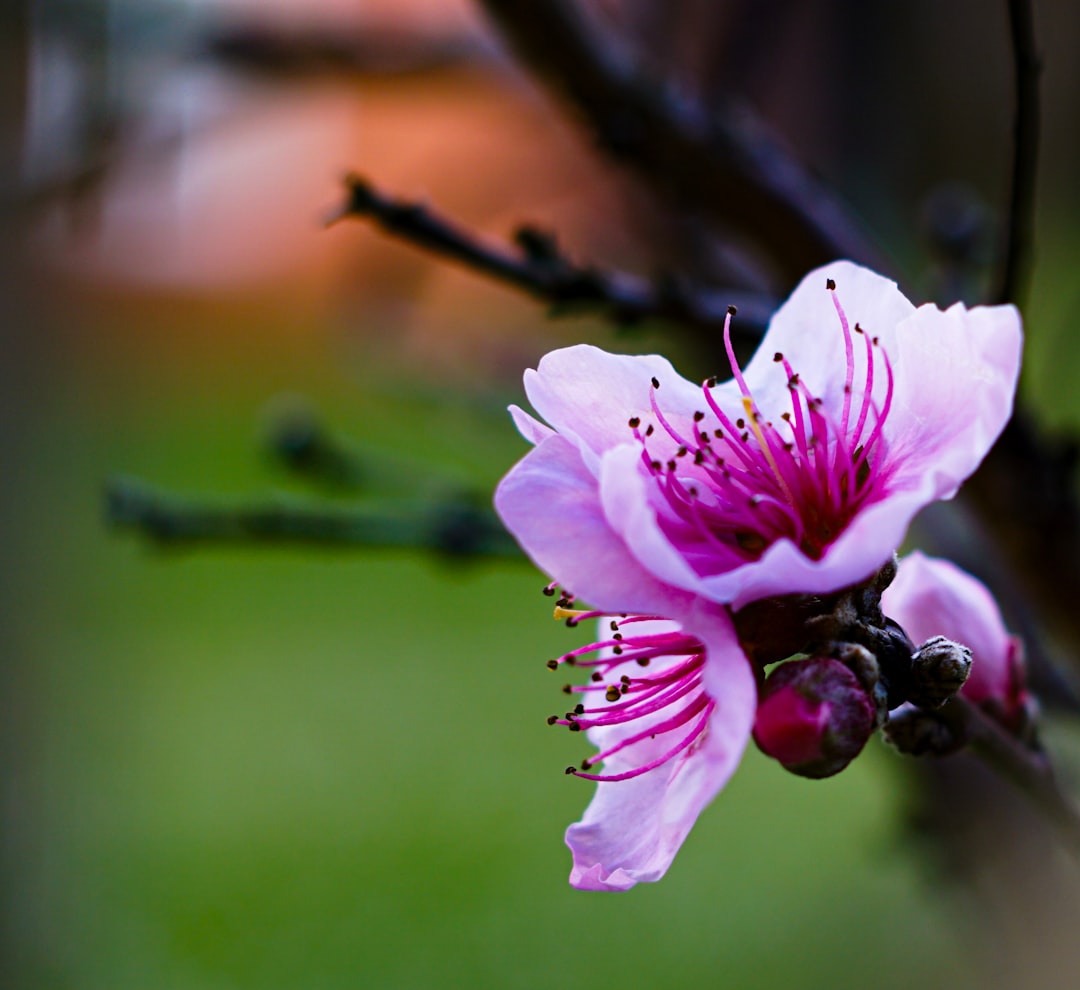
Iron Apricot
Early single-stem, or column-type stock in a highly uniform series for one-cut harvest. Aptly named for strong, straight, rigid stems. Iron performed well in our spring, early summer, and fall trials. Selectable for doubles and 55% double without selection. Compared to Katz, Iron is slightly later to flower, and has somewhat shorter and thicker stems. Tightly spaced florets on the flower spike make for compact 1 1/2-2", creamy peach-colored blooms with a full appearance. NOTE: This variety produces one flowering stem per plant. Pinching is not advisable as it will terminate flowering. Edible Flowers: The peppery, clove-like flavor of the flowers lends itself well to use as a garnish on salads, desserts, and drinks.
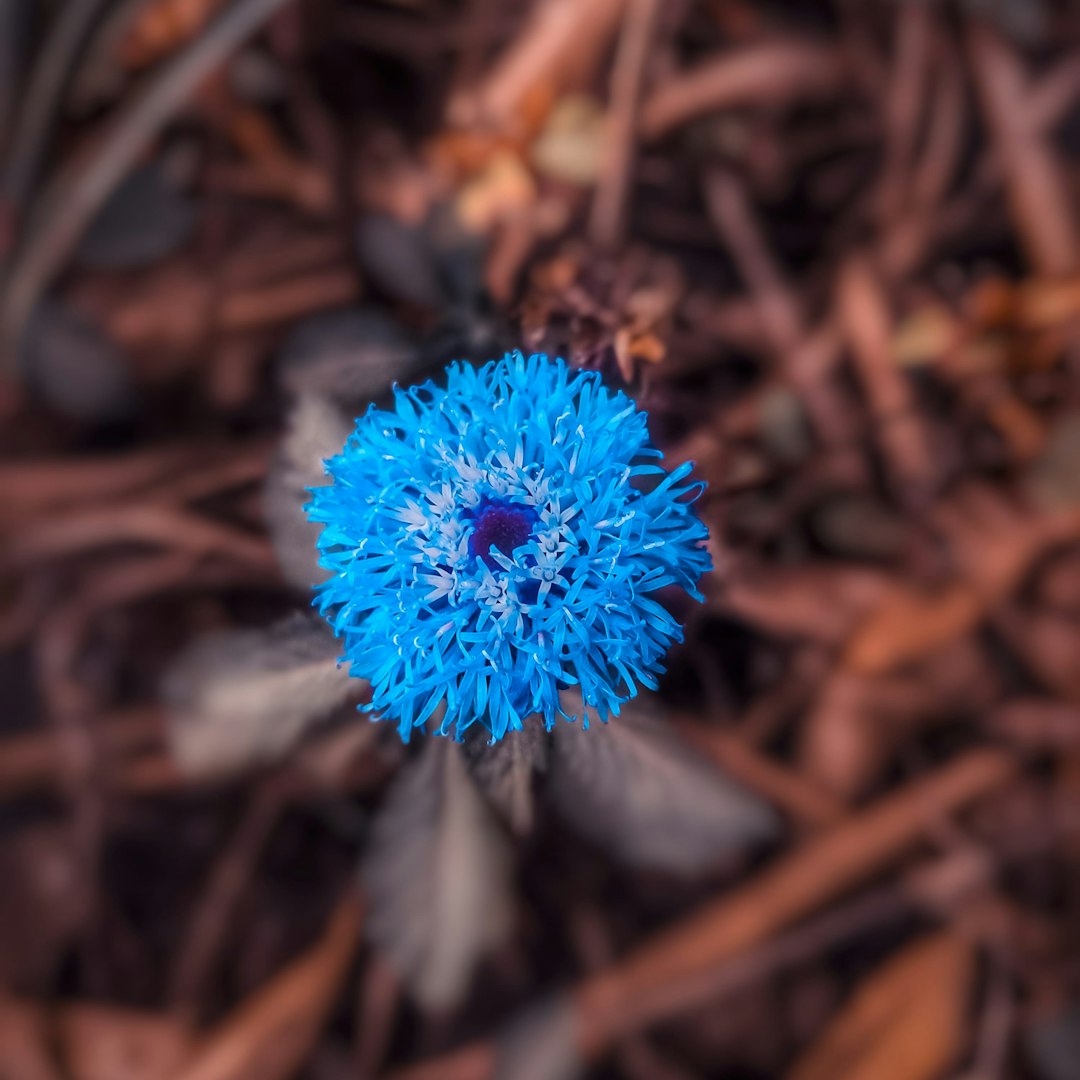
Iron Blue
Early single-stem, or column-type stock in a highly uniform series for one-cut harvest. Aptly named for strong, straight, rigid stems. Iron performed well in our spring, early summer, and fall trials. Selectable for doubles and 55% double without selection. Compared to Katz, Iron is slightly later to flower, and has somewhat shorter and thicker stems. Tightly spaced florets on the flower spike make for compact 1 1/2-2", blue blooms with a full appearance. NOTE: This variety produces one flowering stem per plant. Pinching is not advisable as it will terminate flowering. Edible Flowers: The peppery, clove-like flavor of the flowers lends itself well to use as a garnish on salads, desserts, and drinks.
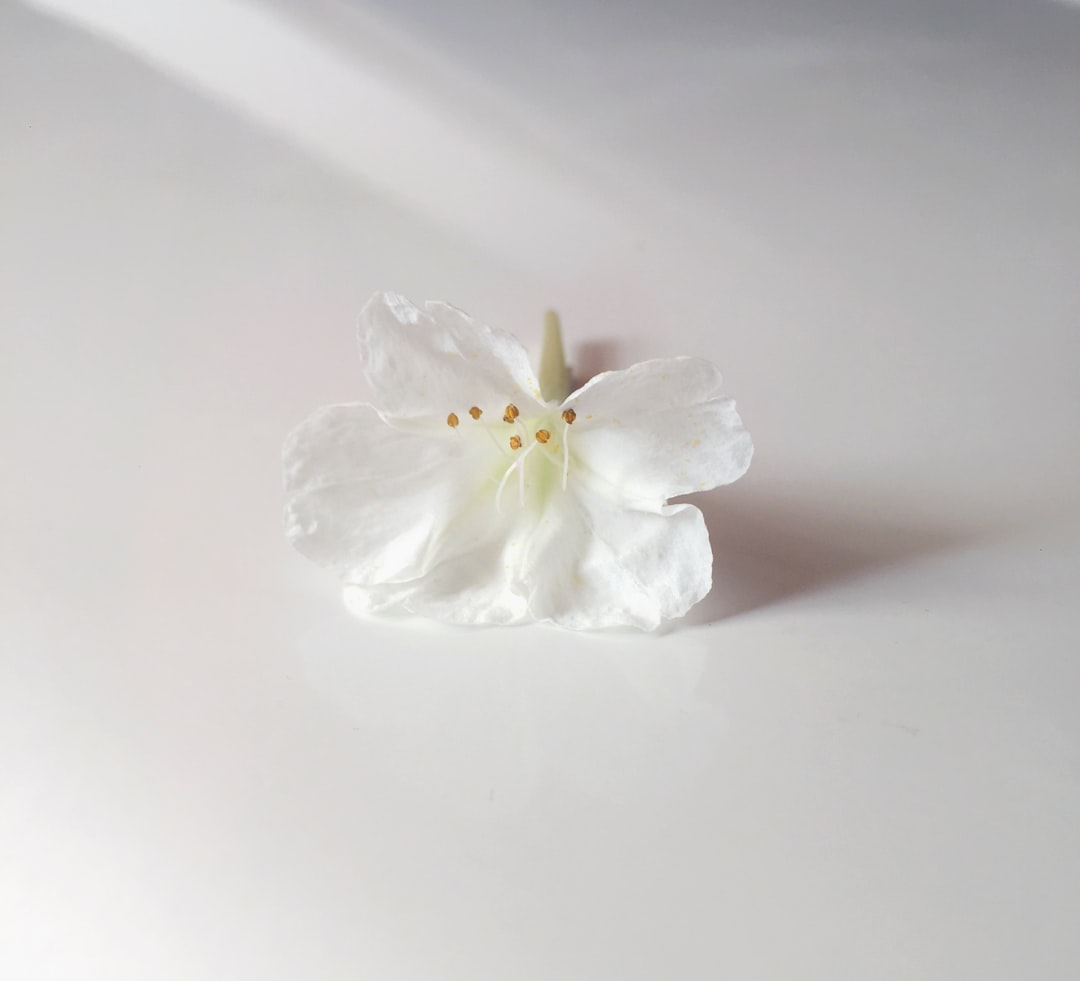
Iron Cherry
Early single-stem, or column-type stock in a highly uniform series for one-cut harvest. Aptly named for strong, straight, rigid stems. Iron performed well in our spring, early summer, and fall trials. Selectable for doubles and 55% double without selection. Compared to Katz, Iron is slightly later to flower, and has somewhat shorter and thicker stems. Tightly spaced florets on the flower spike make for compact 1 1/2-2", soft blush/rose pink blooms with a full appearance. NOTE: This variety produces one flowering stem per plant. Pinching is not advisable as it will terminate flowering. Edible Flowers: The peppery, clove-like flavor of the flowers lends itself well to use as a garnish on salads, desserts, and drinks.
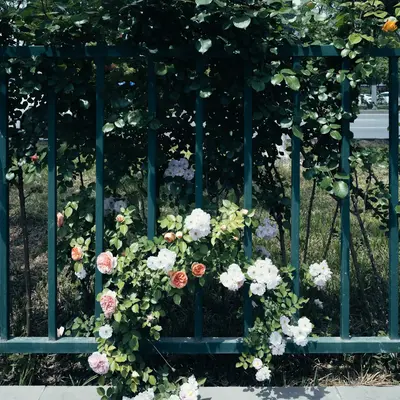
Iron Marine
Early single-stem, or column-type stock in a highly uniform series for one-cut harvest. Aptly named for strong, straight, rigid stems. Iron performed well in our spring, early summer, and fall trials. Selectable for doubles and 55% double without selection. Compared to Katz, Iron is slightly later to flower, and has somewhat shorter and thicker stems. Tightly spaced florets on the flower spike make for compact 1 1/2-2", pale lavender-blue blooms with a full appearance. NOTE: This variety produces one flowering stem per plant. Pinching is not advisable as it will terminate flowering. Edible Flowers: The peppery, clove-like flavor of the flowers lends itself well to use as a garnish on salads, desserts, and drinks.
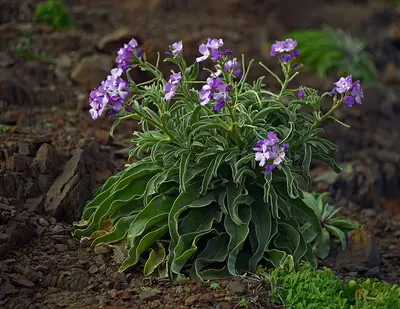
Iron Pastel Mix
Our soft pastel blend is reminiscent of pastel-colored candies and marshmallows. Early single-stem, or column-type stock in a highly uniform series for one-cut harvest. Aptly named for strong, straight, rigid stems. Iron performed well in our spring, early summer, and fall trials. Selectable for doubles and 55% double without selection. Compared to Katz, Iron is slightly later to flower, and has somewhat shorter and thicker stems. Tightly spaced florets on the flower spike make for compact 1 1/2-2" blooms. NOTE: This variety produces one flowering stem per plant. Pinching is not advisable as it will terminate flowering. Edible Flowers: The peppery, clove-like flavor of the flowers lends itself well to use as a garnish on salads, desserts, and drinks.
Iron Pink
Early single-stem, or column-type stock in a highly uniform series for one-cut harvest. Aptly named for strong, straight, rigid stems. Iron performed well in our spring, early summer, and fall trials. Selectable for doubles and 55% double without selection. Compared to Katz, Iron is slightly later to flower, and has somewhat shorter and thicker stems. Tightly spaced florets on the flower spike make for compact 1 1/2-2", medium-light pink blooms with a full appearance. Flowers are a lighter shade than those of Iron Rose Pink. NOTE: This variety produces one flowering stem per plant. Pinching is not advisable as it will terminate flowering. Edible Flowers: The peppery, clove-like flavor of the flowers lends itself well to use as a garnish on salads, desserts, and drinks.
Iron Purple
Early single-stem, or column-type stock in a highly uniform series for one-cut harvest. Aptly named for strong, straight, rigid stems. Iron performed well in our spring, early summer, and fall trials. Selectable for doubles and 55% double without selection. Compared to Katz, Iron is slightly later to flower, and has somewhat shorter and thicker stems. Tightly spaced florets on the flower spike make for compact 1 1/2-2", deep plum-colored blooms with a full appearance. NOTE: This variety produces one flowering stem per plant. Pinching is not advisable as it will terminate flowering.Edible Flowers: The peppery, clove-like flavor of the flowers lends itself well to use as a garnish on salads, desserts, and drinks.
Iron Rose
Early single-stem, or column-type stock in a highly uniform series for one-cut harvest. Aptly named for strong, straight, rigid stems. Iron performed well in our spring, early summer, and fall trials. Selectable for doubles and 55% double without selection. Compared to Katz, Iron is slightly later to flower, and has somewhat shorter and thicker stems. Tightly spaced florets on the flower spike make for compact 1 1/2-2", dark rose-red blooms with a full appearance. NOTE: This variety produces one flowering stem per plant. Pinching is not advisable as it will terminate flowering. Edible Flowers: The peppery, clove-like flavor of the flowers lends itself well to use as a garnish on salads, desserts, and drinks.
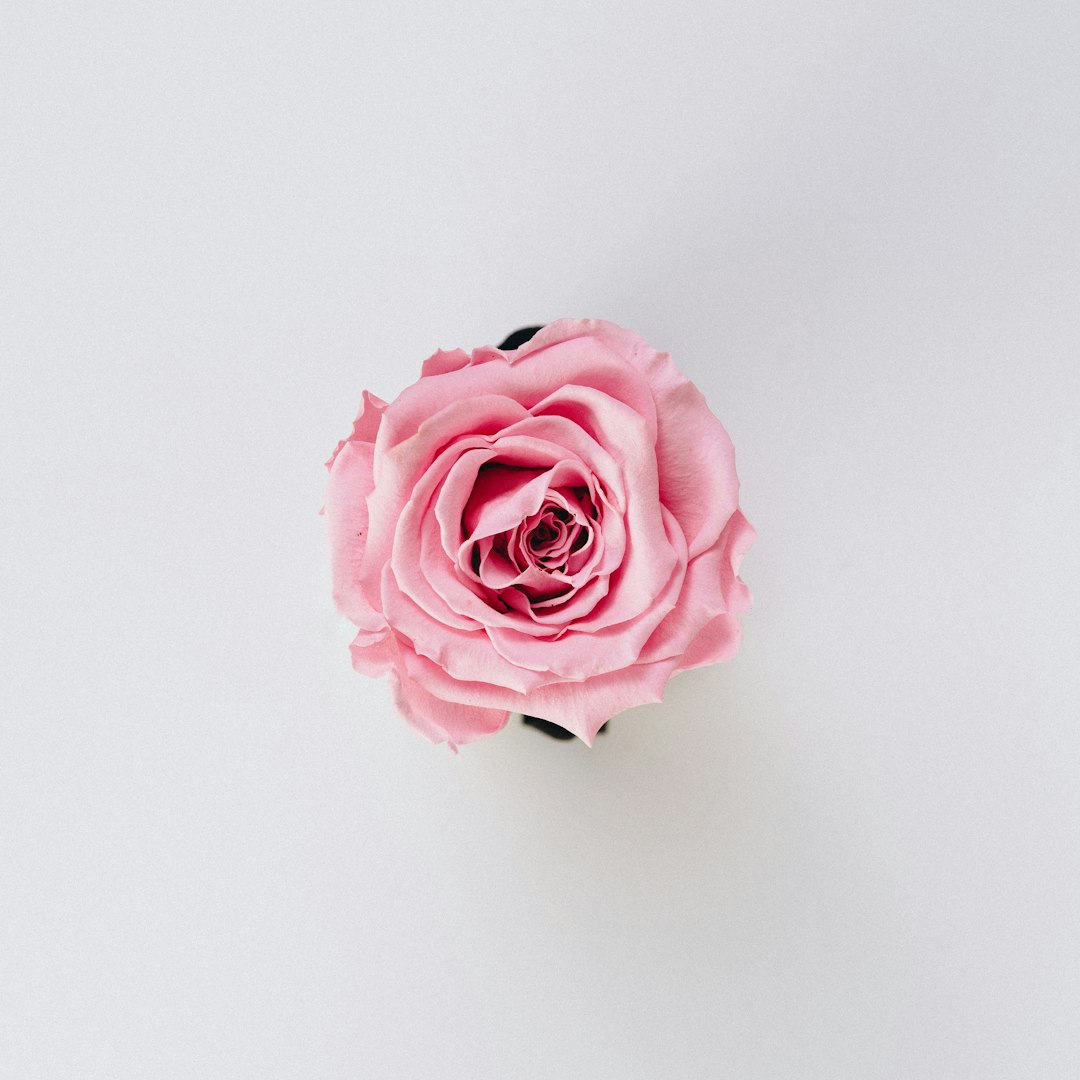
Iron Rose Pink
Early single-stem, or column-type stock in a highly uniform series for one-cut harvest. Aptly named for strong, straight, rigid stems. Iron performed well in our spring, early summer, and fall trials. Selectable for doubles and 55% double without selection. Compared to Katz, Iron is slightly later to flower, and has somewhat shorter and thicker stems. Tightly spaced florets on the flower spike make for compact 1 1/2-2", deep rose-pink blooms with a full appearance. NOTE: This variety produces one flowering stem per plant. Pinching is not advisable as it will terminate flowering. Edible Flowers: The peppery, clove-like flavor of the flowers lends itself well to use as a garnish on salads, desserts, and drinks.
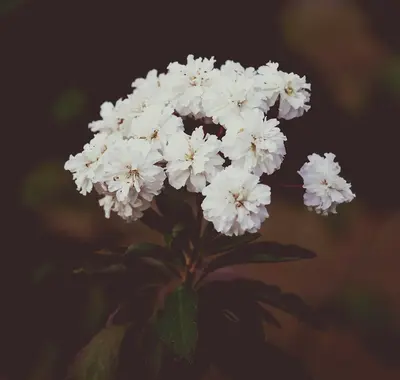
Iron White
Early single-stem, or column-type stock in a highly uniform series for one-cut harvest. Aptly named for strong, straight, rigid stems. Iron performed well in our spring, early summer, and fall trials. Selectable for doubles and 55% double without selection. Compared to Katz, Iron is slightly later to flower, and has somewhat shorter and thicker stems. Tightly spaced florets on the flower spike make for compact 1 1/2-2", pure white blooms with a full appearance. NOTE: This variety produces one flowering stem per plant. Pinching is not advisable as it will terminate flowering. Edible Flowers: The peppery, clove-like flavor of the flowers lends itself well to use as a garnish on salads, desserts, and drinks.
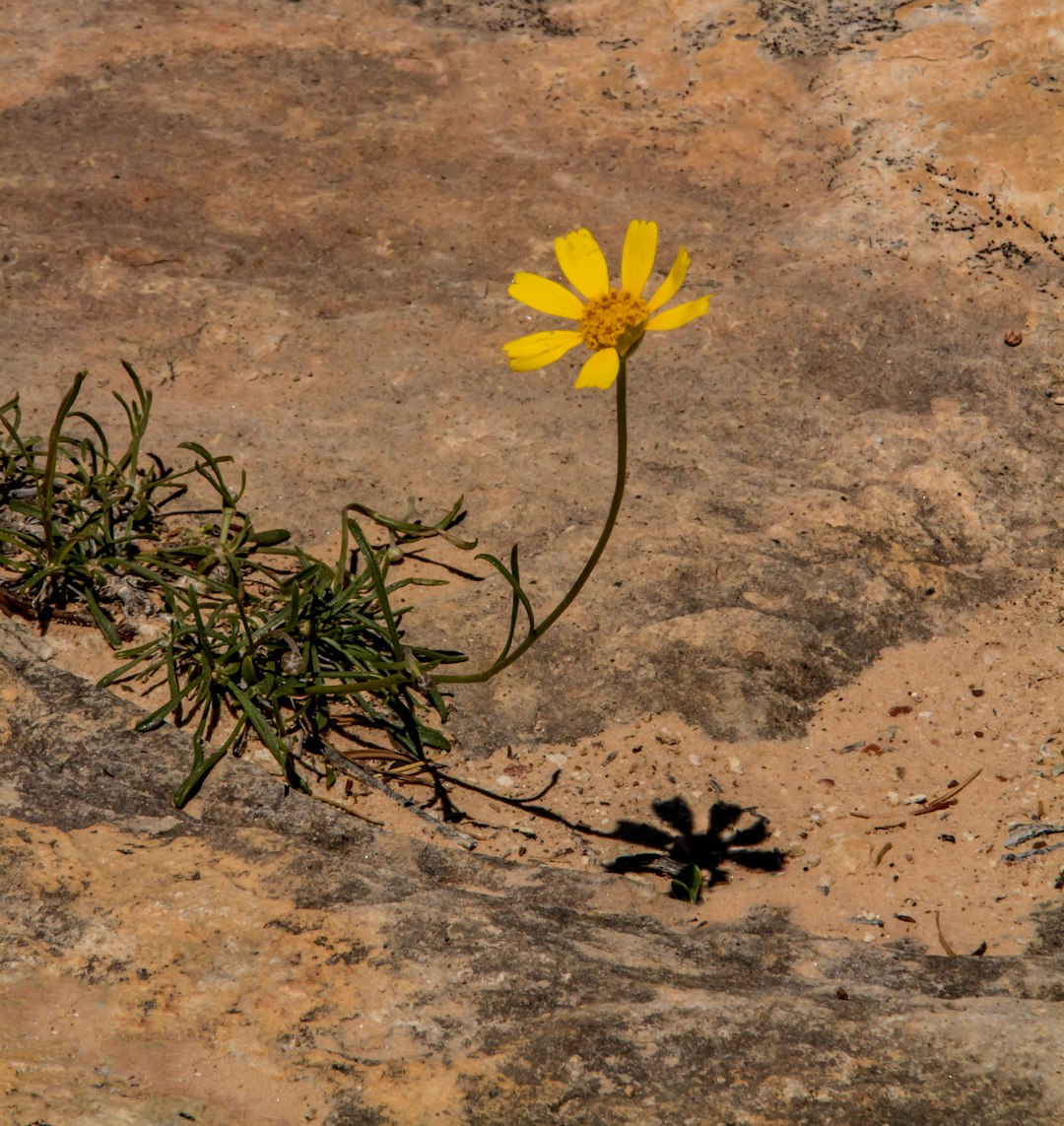
Iron Yellow
Early single-stem, or column-type stock in a highly uniform series for one-cut harvest. Aptly named for strong, straight, rigid stems. Iron performed well in our spring, early summer, and fall trials. Selectable for doubles and 55% double without selection. Compared to Katz, Iron is slightly later to flower, and has somewhat shorter and thicker stems. Tightly spaced florets on the flower spike make for compact 1 1/2-2", buttercream yellow blooms with a full appearance. NOTE: This variety produces one flowering stem per plant. Pinching is not advisable as it will terminate flowering. Edible Flowers: The peppery, clove-like flavor of the flowers lends itself well to use as a garnish on salads, desserts, and drinks.
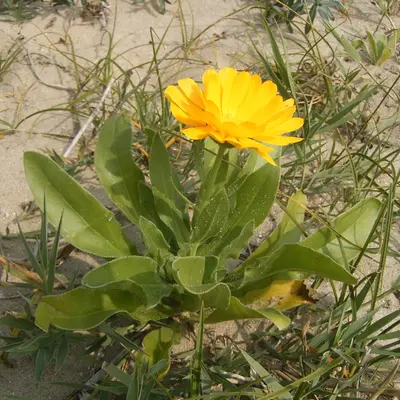
Ivory Princess
2-3" wide double and semidouble blooms. Creamy petals with hints of gold contrast beautifully with a dark center disk. Tall, vigorous, healthy plants yield sturdy stems. Also known as pot marigold, common marigold, and Scotch marigold. Edible Flowers: Petals of the flowers can be used fresh or dried in "flower confetti," soups, soufflés, rice dishes, baked goods, and to garnish desserts. Calendula is a popular choice for brightening up salad mix. Flavor is tangy and slightly bitter. Remove the petals from the flower base before consuming as the base can be quite bitter.
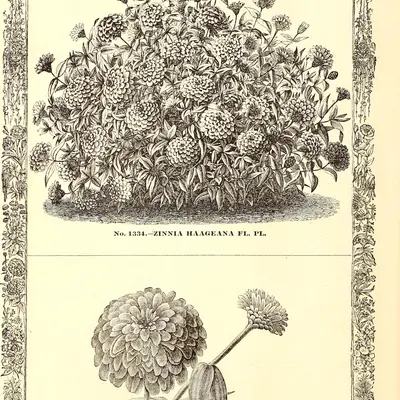
Jazzy Mix
Attractive fully double and semidouble blooms are 1-2" in size. Bright and earthy shades of burgundy red, red, yellow, and orange with cream, red, or yellow tips. Plants are compact but highly productive. Cut-and-come-again flower, yielding multiple cuts over the season.
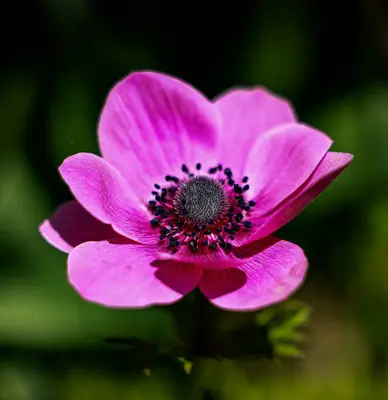
Jewel Mix
These bright, 2" blooms of red, pink, orange, and yellow are held above light green foliage. Mounded plant habit. Also known as garden nasturtium and Indian cress. Edible Flower: Use the flowers as garnishes, or stuff with soft cheese. The flowers can be minced and added to butters and the immature seed heads can be pickled. Nasturtiums are a popular choice for adding color to salad mix. Peppery-flavored foliage is also edible.
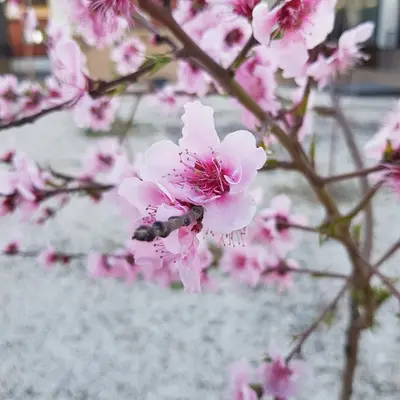
Katz Apricot
Long stems with 1 1/2-2", light peach blooms. Early blooming one-cut series. Performed well in our spring, early summer, and fall trials. Good uniformity in bloom time and stem length. 55-60% double-flowering without selection; some selection possible. NOTE: This variety produces one flowering stem per plant. Pinching is not advisable as it will terminate flowering. Edible Flowers: The peppery, clove-like flavor of the flowers lends itself well to use as a garnish on salads, desserts, and drinks.
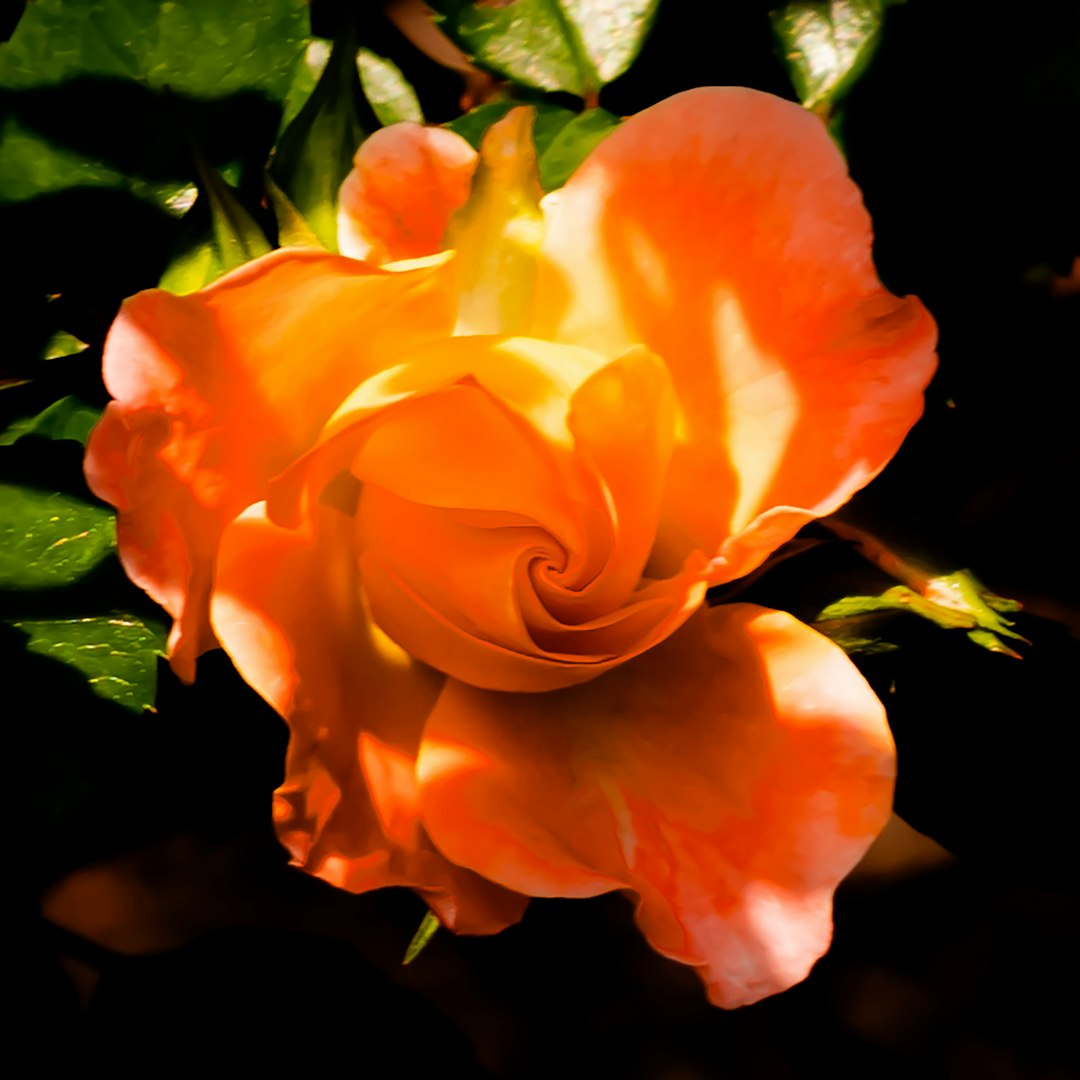
Katz Bright Rose
Long stems with 1 1/2-2", bright pink blooms. Early blooming one-cut series. Performed well in our spring, early summer, and fall trials. Good uniformity in bloom time and stem length. 55-60% double-flowering without selection; some selection possible. NOTE: This variety produces one flowering stem per plant. Pinching is not advisable as it will terminate flowering. Edible Flowers: The peppery, clove-like flavor of the flowers lends itself well to use as a garnish on salads, desserts, and drinks.
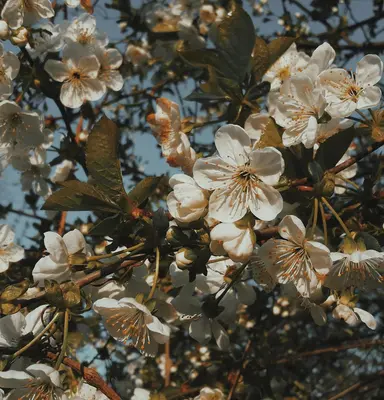
Katz Cherry Blossom
Long stems with 1 1/2-2", pale pink blooms. Early blooming one-cut series. Performed well in our spring, early summer, and fall trials. Good uniformity in bloom time and stem length. 55-60% double-flowering without selection; some selection possible. NOTE: This variety produces one flowering stem per plant. Pinching is not advisable as it will terminate flowering. Edible Flowers: The peppery, clove-like flavor of the flowers lends itself well to use as a garnish on salads, desserts, and drinks.
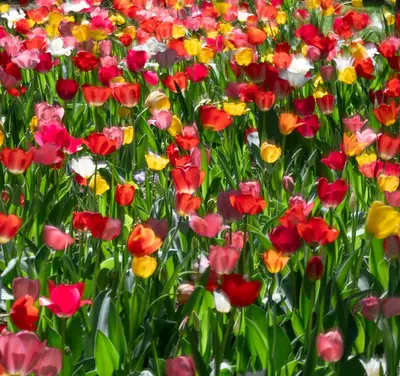
Katz Formula Mix
Long stems with 1 1/2-2" blooms in apricot, bright pink, wine red, pale purple, creamy yellow, dark purple, pale pink, and pure white. Early blooming one-cut series. Performed well in our spring, early summer, and fall trials. Good uniformity in bloom time and stem length. 55-60% double-flowering without selection; some selection possible. NOTE: This variety produces one flowering stem per plant. Pinching is not advisable as it will terminate flowering. Edible Flowers: The peppery, clove-like flavor of the flowers lends itself well to use as a garnish on salads, desserts, and drinks.
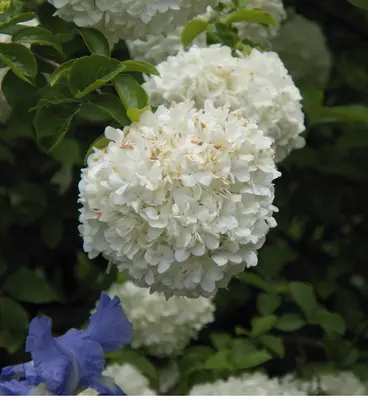
Katz Hi Double White
The same overall performance of the standard Katz series varieties, but now selected to produce 90% double-flowering plants. Long stems with 1 1/2-2", pure white blooms. Early blooming one-cut series. Performed well in our spring, early summer, and fall trials. Good uniformity in bloom time and stem length. Seedling selection for double flowers is not necessary; plants will yield 90% double blooms without selection. NOTE: This variety produces one flowering stem per plant. Pinching is not advisable as it will terminate flowering. Edible Flowers: The peppery, clove-like flavor of the flowers lends itself well to use as a garnish on salads, desserts, and drinks.
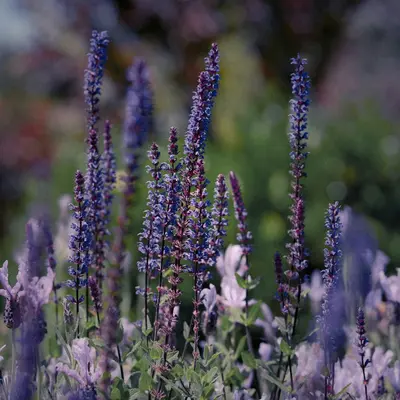
Katz Lavender Blue
Long stems with 1 1/2-2", pale purple blooms. Early blooming one-cut series. Performed well in our spring, early summer, and fall trials. Good uniformity in bloom time and stem length. 55-60% double-flowering without selection; some selection possible. NOTE: This variety produces one flowering stem per plant. Pinching is not advisable as it will terminate flowering. Edible Flowers: The peppery, clove-like flavor of the flowers lends itself well to use as a garnish on salads, desserts, and drinks.
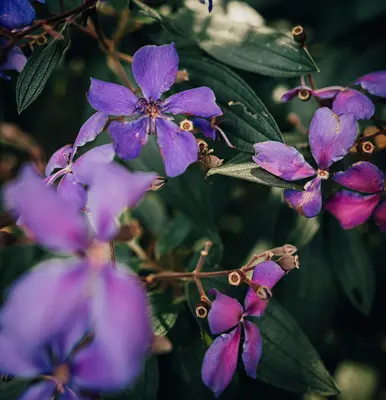
Katz Purple
Long stems with 1 1/2-2", dark purple blooms. Early blooming one-cut series. Performed well in our spring, early summer, and fall trials. Good uniformity in bloom time and stem length. 55-60% double-flowering without selection; some selection possible. NOTE: This variety produces one flowering stem per plant. Pinching is not advisable as it will terminate flowering. Edible Flowers: The peppery, clove-like flavor of the flowers lends itself well to use as a garnish on salads, desserts, and drinks.
Katz Ruby
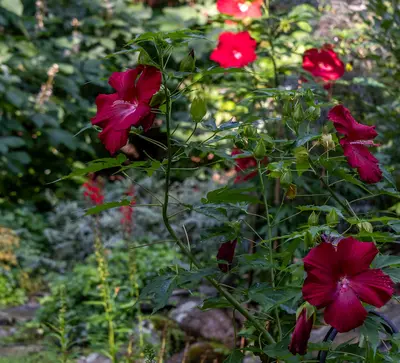
Long stems with 1 1/2-2", wine-red colored blooms. Early blooming one-cut series. Performed well in our spring, early summer, and fall trials. Good uniformity in bloom time and stem length. 55-60% double-flowering without selection; some selection possible. Plant Variety Protected. NOTE: This variety produces one flowering stem per plant. Pinching is not advisable as it will terminate flowering. Edible Flowers: The peppery, clove-like flavor of the flowers lends itself well to use as a garnish on salads, desserts, and drinks.

Katz White
Long stems with 1 1/2-2", pure white blooms. Early blooming one-cut series. Performed well in our spring, early summer, and fall trials. Good uniformity in bloom time and stem length. 55-60% double-flowering without selection; some selection possible. NOTE: This variety produces one flowering stem per plant. Pinching is not advisable as it will terminate flowering. Edible Flowers: The peppery, clove-like flavor of the flowers lends itself well to use as a garnish on salads, desserts, and drinks.
Katz Yellow
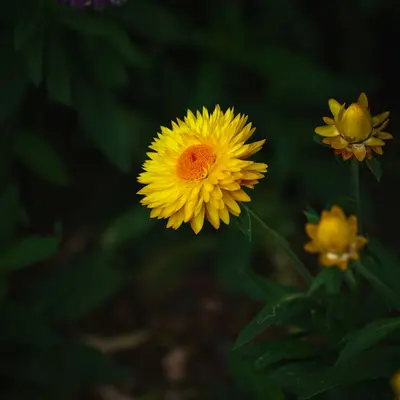
Long stems with 1 1/2-2", creamy yellow blooms. Early blooming one-cut series. Performed well in our spring, early summer, and fall trials. Good uniformity in bloom time and stem length. 55-60% double-flowering without selection; some selection possible. NOTE: This variety produces one flowering stem per plant. Pinching is not advisable as it will terminate flowering. Edible Flowers: The peppery, clove-like flavor of the flowers lends itself well to use as a garnish on salads, desserts, and drinks.
King Size Apricot
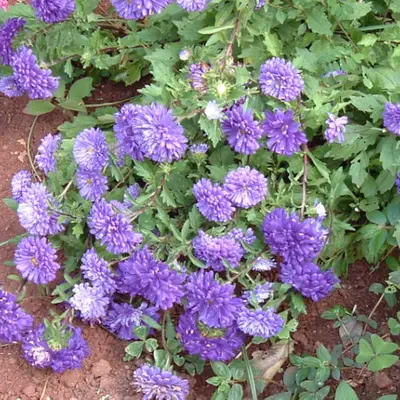
2 1/2-3" double and semidouble, light apricot-colored flowers. Compared to Tower Chamois, King Size Apricot plants are taller and equally as productive, blooms are similar in size and a shade lighter with a warmer (creamier yellow) tone, and petals are only slightly curled (whereas Tower Chamois' petals are heavily curled inward toward the center of the bloom).
King Size Gold
King Size Gold is a heirloom flower variety prized for its large, vibrant golden-yellow blooms that reach full maturity in 75-85 days. This easy-to-grow cultivar thrives in full sun with minimal soil requirements, tolerating poor conditions while avoiding heavy clay. The flowers develop substantial size, making it a striking ornamental choice for garden displays and arrangements. Notable for its resilience against common pests including aphids and occasional thrips.
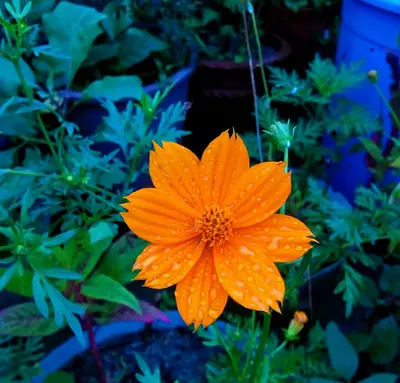
King Size Orange
Tall, well-branched plants produce double flowers 2-2 1/2" across. Blooms are fiery orange with hints of red and gold. Also known as bracted strawflower.
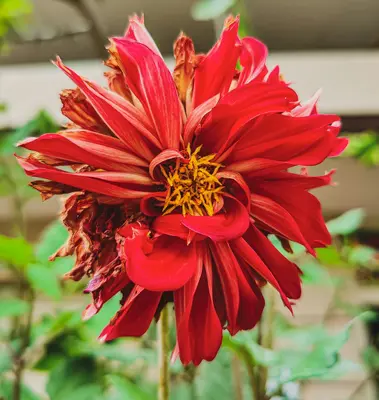
King Size Red
Tall, well-branched plants produce double flowers 2-2 1/2" across. Blooms are dark maroon red. Also known as bracted strawflower.
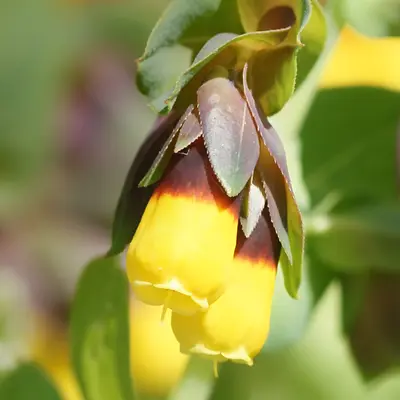
Kiwi Blue
The drooping habit of the flowers makes an elegant addition to bouquets. The brilliant-blue flowers are complemented by the gray-green foliage. Attracts bees and hummingbirds. Also known as honeywort.
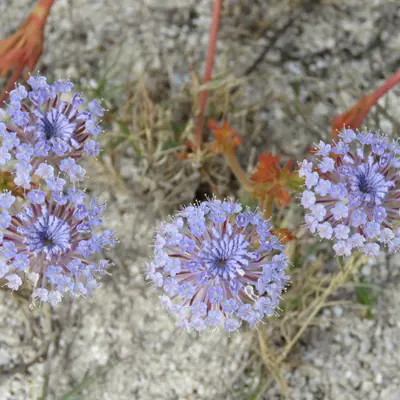
Lacy Lavender Blue
Pale blue, 2-2 1/2" blooms are held aloft on stiff stems. Flowers have a mild, clean fragrance and delicate appearance. Plant habit is branching and upright with few leaves. Plants produce blooms for up to two months in our trials. Also available in organic seed.
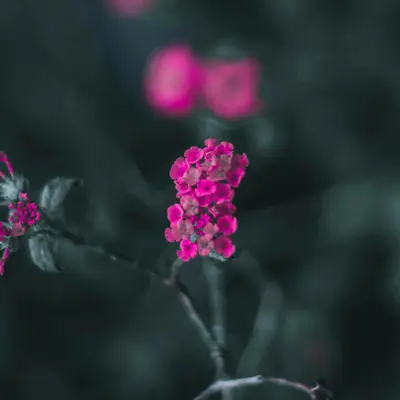
Lacy Pink
Pale pink, 2-2 1/2" blooms are held aloft on stiff stems. Flowers have a mild, clean fragrance and delicate appearance. Plant habit is branching and upright with few leaves. Plants produce blooms for up to two months in our trials.

Lacy White
Pure white, 2-2 1/2" blooms are held aloft on stiff stems. Flowers have a mild, clean fragrance and delicate appearance. Plant habit is branching and upright with few leaves. Plants produce blooms for up to two months in our trials.
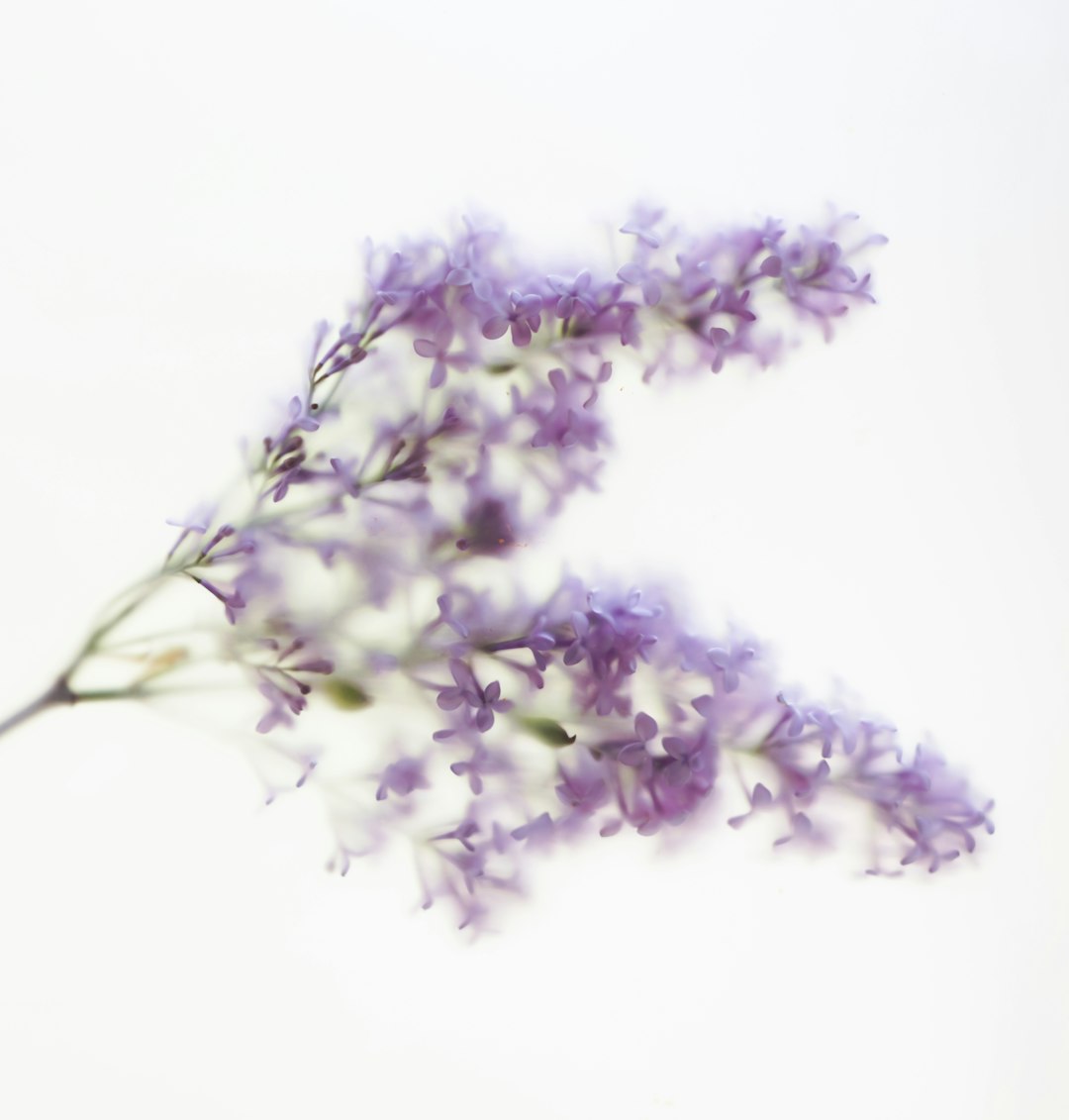
Lady Coral Lavender
The unique, captivating color of Lady Coral Lavender is simply indescribable - you have to see it to believe it. A favorite in our trials and reminiscent of the silvery full moon, her lilac-taupe petals are tightly packed into 2 1/2-3 1/2" blooms. A bit later to bloom than our other China asters.
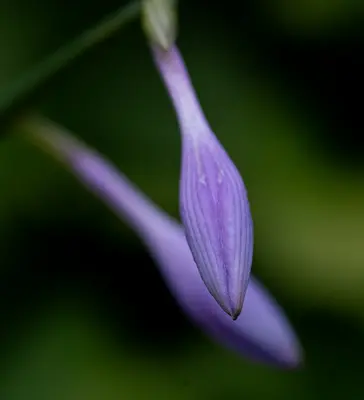
Lavender Hidcote
A compact English lavender variety beloved for its intensely fragrant, deep purple flower spikes and silvery-gray foliage that creates perfect low hedges or border plantings. This hardy perennial blooms repeatedly throughout summer, attracting beneficial pollinators while providing endless harvests for culinary and craft uses. Exceptionally drought-tolerant once established, making it perfect for water-wise gardens.
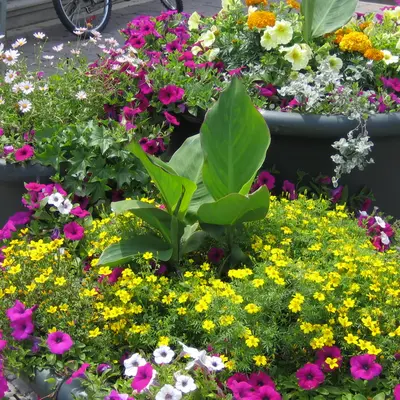
Lemon Gem
Hundreds of petite, citrus-scented flowers cover neat, low mounds of lacy foliage. Long-blooming for beds, borders and containers where it attracts beneficial insects such as hoverflies. Leaves of the plant are edible and are used as flavorful salad greens and garnish. Also known as signet marigold.Edible Flowers: Use the flowers to dress up salads and desserts or cooked in egg or rice dishes. Flavor is floral with hints of citrus and spice, and slightly bitter. Remove the petals from the flower base before consuming as the base can be quite bitter.
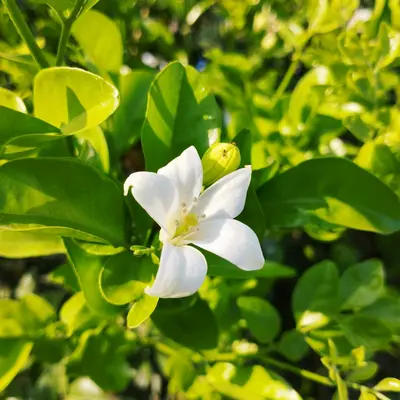
Lemonade
Very similar to Goldy Double in plant habit and timing. Branching plants have 18-24" long stems and produce blooms 5-7" across. Compared to Starburst Lemon Aura, its blooms are larger and brighter in color. The plants are also more vigorous, taller, and later to flower. Produces minimal pollen. Branching.
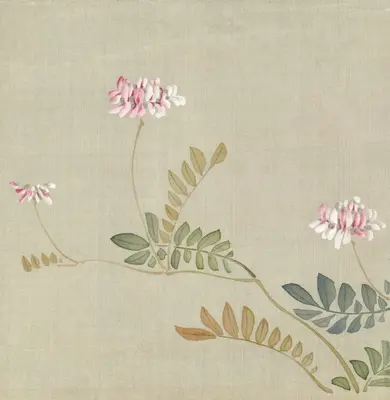
Linen
From the same lineage as Ballerina, Linen offers refinements in bloom form, color, and overall uniformity. Like Ballerina, Linen produces a high percentage of double blooms, but its slightly smaller 4-5" blooms are more consistently dahlia-shaped. The color range consists of warm, flaxen tones. Developed by Johnny's Breeding Team and named 'Linen' for its clean, almost neutral color palette. Fresh-cut blooms are oatmeal in color with a pale pink or pale peach cast. As the blooms age, they display more pink and peach hues. Expect some variation in bloom form and color: a small percentage of cactus-shaped flowers and about 5% of plants will produce ivory blooms.
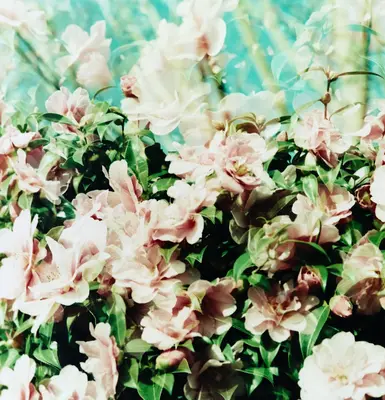
Love-In-A-Mist
Blue, mauve, pink, purple, and white blooms clothed in a lacy netting of greenery. Heirloom favorite for fresh or dried flowers. Balloon-shaped seed pods. Also known as devil in a bush.
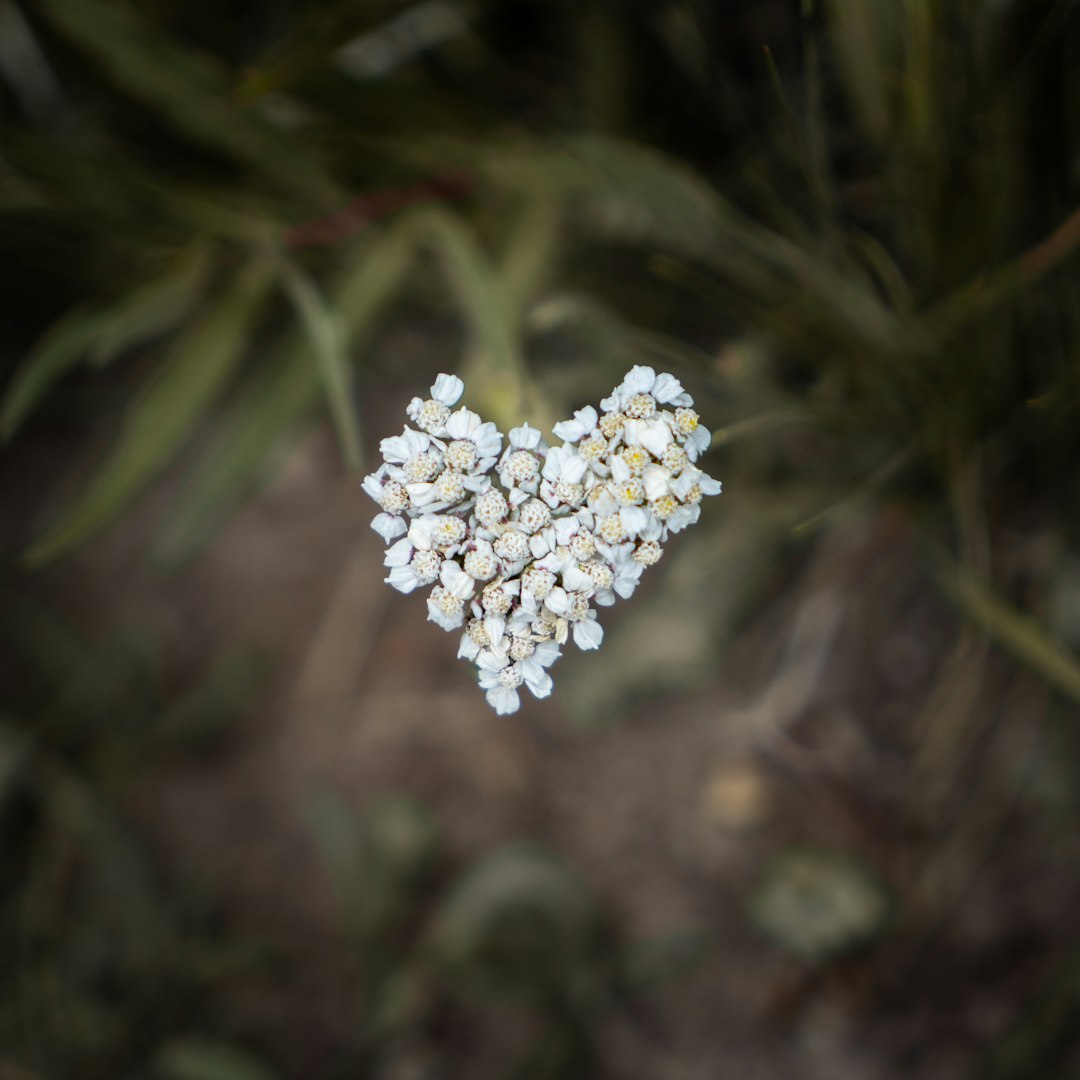
Love-Lies-Bleeding
A reminder of things Victorian and a graceful accent in arrangements. Common names include amaranth and tassel flower.
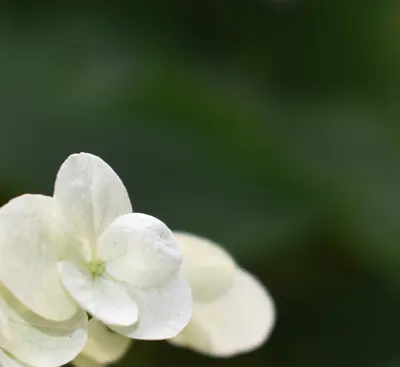
Macaroon White
In our trials, Macaroon White was 7-10 days earlier to flower than the Bonita series. Appearance and plant architecture are both very comparable to the Bonita series, although plants are earlier to flower and slightly shorter. 1 1/2-2 1/2", bright white, double blooms with creamy yellow centers. Uniform and productive plants.
Magic Fountains Cherry Blossom
Pastel blooms with white centers (bees). Soft lilac-pink color works especially well for spring bouquets and design work. Dwarf Pacific type with full florets and tight internodes. Magic Fountains' sturdy, compact plants will tolerate windy locations. Attracts bees and butterflies. This species of delphinium is also known as candle larkspur. Perennial in Zones 3-7.
Magic Fountains Lilac Pink White Bee
Pastel blooms with white centers (bees) in a plum shade that complements a wide range of colors. Dwarf Pacific type with full florets and tight internodes. Magic Fountains' sturdy, compact plants will tolerate windy locations. Attracts bees and butterflies. This species of delphinium is also known as candle larkspur. Perennial in Zones 3-7.
Magic Fountains Mid Blue White Bee
Striking, true-blue blooms with white centers (bees). Dwarf Pacific type with full florets and tight internodes. Magic Fountains' sturdy, compact plants will tolerate windy locations. Attracts bees and butterflies. This species of delphinium is also known as candle larkspur. Perennial in Zones 3-7.
Magic Fountains Mix
Full florets and tight internodes. White and dark centers (bees) on cherry, lilac, lavender, dark blue, sky blue, and white. Magic Fountains' sturdy, compact plants will tolerate windy locations. Attracts bees and butterflies. This species of delphinium is also known as candle larkspur. Perennial in Zones 3-7.
Magic Fountains Pure White
Elegant, clean-white blooms with white centers (bees). Excellent for wedding design. Dwarf Pacific type with full florets and tight internodes. Magic Fountains' sturdy, compact plants will tolerate windy locations. Attracts bees and butterflies. This species of delphinium is also known as candle larkspur. Perennial in Zones 3-7.
Magic Fountains Sky Blue White Bee
Pale blue blooms with white centers (bees). Dwarf Pacific type with full florets and tight internodes. Magic Fountains' sturdy, compact plants will tolerate windy locations. Attracts bees and butterflies. This species of delphinium is also known as candle larkspur. Perennial in Zones 3-7.
Mammoth Choice Mix
This early flowering variety can withstand heat and drought unusually well. Mix of deep rose, rose pink, salmon, scarlet, white, lavender, medium blue, and deep burgundy produces well into the summer. Can be spelled either as sweet pea or sweetpea. Attracts hummingbirds.
Marie Chabaud
Vintage carnations present the sweet and spicy fragrance of clove. Frilly, pale lemon yellow, 1 1/2-2" double blooms with a small percentage of singles. Grass-like, gray or blue-green foliage. Blooms late July through August in our trials and is best grown as an annual for cut-flower production. Chabaud is an old-fashioned type dating back to as early as 1904. D. caryophyllus is native to the Mediterranean, where emotional attachment to this flower first took root. Also known as annual carnation. Pronounced shab-o, with a long "o." Tender perennial in Zones 6-8. Edible Flowers: Use the flower petals to garnish salads, desserts, soups, icing, and cold drinks. Flavor is of mild clove. Remove the petals from the flower base before consuming as the base can be quite bitter.
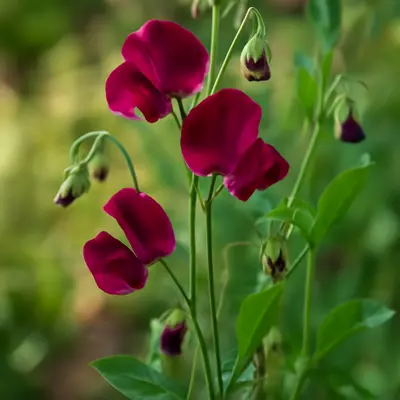
Mars
From the Spencer series. Brilliant crimson streaks throughout and lining the petal edge. Plants produce 3-4 blooms per 9-12" stem. Highly fragrant. NOTE: Spencer series sweet peas are known as late-flowering because they require at least 12 hours of daylight, unlike more modern sweet pea varieties bred for winter production, which may require only 10-11 hours of daylight. Attracts hummingbirds.
Maximilian
As tough as it is beautiful, Maximilian blooms from August to frost. Masses of 3" yellow-gold blooms. This native wild flower is excellent for back borders and bouquets. Perennial in Zones 3-9. Attracts bees and beneficial insects such as lacewings, lady beetles, syrphid flies and parasitic wasps. Known as perennial sunflower.
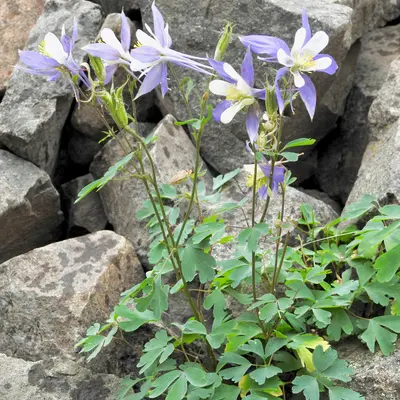
McKana Giants Mix
Well-branched plants produce 3-3 1/2" blooms with long spurs. A great cut to fill the gap between early spring and summer bouquets. Blooms in spring of second year from a spring sowing. Attracts hummingbirds. 1955 All-America Selections Winner and originally introduced by W. Atlee Burpee & Co. Perennial in Zones 3-9.
Merlot Red
Elegant and whimsical cut flower. Productive plants. 1 1/2-2 1/2" dark wine-colored blooms stand tall on strong, slender stems. A dramatic addition to any bouquet or garden. Also known as mourning bride.
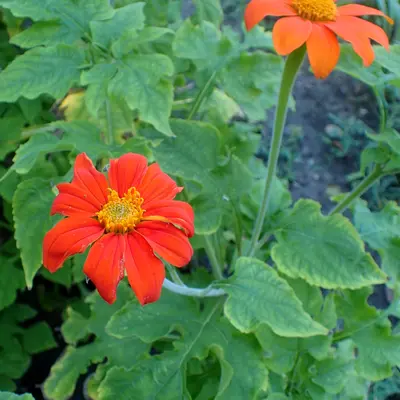
Mexican Sunflower
Blooms midsummer until first hard freeze, providing bright 3-3 1/2" flowers well into fall. Most plants produce orange, with a small percentage producing red or yellow blooms. Vigorous and full plant habit. Performs well in hot, dry climates. Native to Central America and Mexico. Attracts Beneficial Insects: Nectar plant and habitat for bees and butterflies.
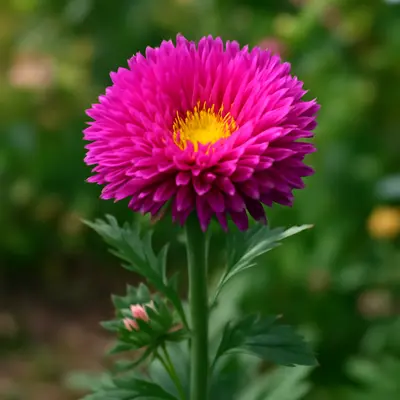
Miss Europe Resist
Start the aster harvest with these ruffled, 2-3" wide light pink double blooms on sturdy stems and vigorous plants. Similar color to Tower Salmon but earlier to mature and plants are more uniform. Miss Europe Resist bloomed 5-7 days earlier than the Tower series in our trials. Bloom form is similar to the Tower series, although blooms are slightly looser and more ruffled. Peony-type blooms looks similar to heirloom garden mums. Also known as summer aster.

Misty Lavender
Features tall spires of 1 1/2-1 3/4", dense florets on 9-12" flower spikes. Plants produce double blooms with a small percentage of singles. In our trials, Misty Lavender is identical to the heirloom variety known as 'Earl Grey.' Attracts hummingbirds.
Moonflower
An enchanting night-blooming vine that opens massive white flowers at dusk, filling the evening air with intoxicating fragrance. These dinner-plate sized blooms unfurl in minutes as you watch, creating magical twilight moments in the garden. A fast-growing climber that can reach 15 feet in a season, perfect for covering fences, arbors, or creating a romantic evening garden backdrop.
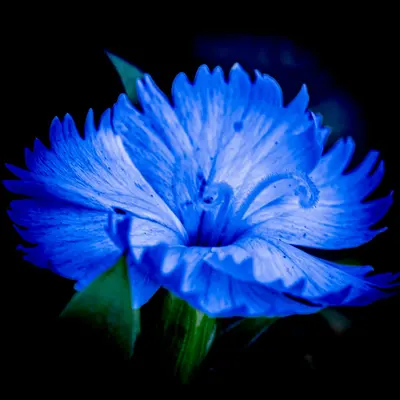
Morning Glory Heavenly Blue
This vigorous climbing vine produces stunning sky-blue trumpet-shaped flowers with white throats that open fresh each morning, creating a spectacular living curtain of color. The heart-shaped leaves provide excellent coverage for fences, trellises, or arbors, while the 4-5 inch blooms attract hummingbirds and butterflies throughout the summer. This All-America Selections winner has been beloved by gardeners since 1966 for its reliable performance and breathtaking color.
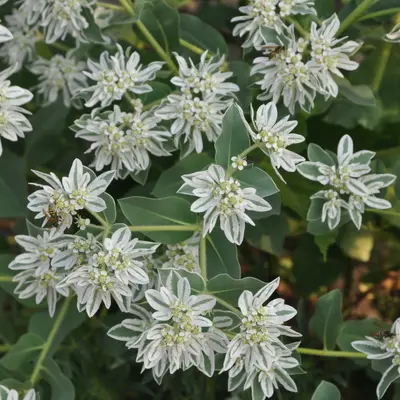
Mountain Snow
Pure white bracts contrast well with green foliage. Foliage variegation occurs when days begin to shorten. Strong stems. Long vase life.

My Castle
Part of the Russell Hybrids 'Band of Nobles' series. My Castle has sweetly scented, rich red blooms that are a standout in bouquets and garden beds. Plants are especially productive for us and produce multiple blooms with stiff, straight stems. In our trials, these first-year flowering plants bloomed in early July in the first year and about a month earlier (early June) from well-established plants in the second season of growing. Bloom quality and productivity were better in the second season, although all plants did produce flowers in the first season. Performs best where summers are cool. Attracts and provides a food source for bees and hummingbirds. 1-2' blooms/spikes are densely covered with ½" pea-like flowers. Lupine is typically resistant to deer and rabbits. Perennial in Zones 4-8.
Nasturtium Alaska Mix
This stunning variety combines the classic peppery-flavored edible flowers of nasturtiums with uniquely variegated cream and green foliage that's as ornamental as the blooms. The compact, bushy plants produce abundant flowers in jewel tones while serving as a living mulch and natural pest deterrent.
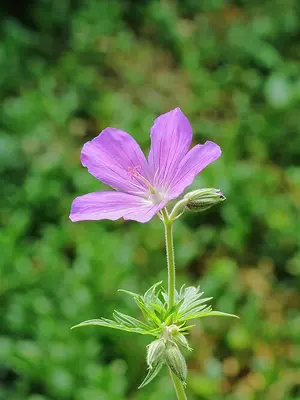
Nimbus
From the Spencer series. Gray-white petals with inky, blue-black streaks throughout and lining the petal edge. Plants produce 3-4, slightly ruffled blooms per 9-12" stem. Lightly fragrant. NOTE: Spencer series sweet peas are known as late-flowering because they require at least 12 hours of daylight, unlike more modern sweet pea varieties bred for winter production, which may require only 10-11 daylight hours. Attracts hummingbirds.
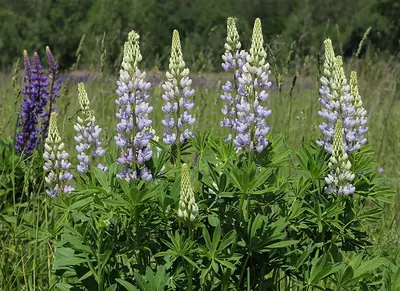
Noble Maiden
Part of the Russell Hybrids 'Band of Nobles' series. Noble Maiden has sweetly scented, bright white blooms. Plants produce multiple blooms with stiff, straight stems. In our trials, these first-year flowering plants bloomed in early July in the first year and about a month earlier (early June) from well-established plants in the second season of growing. Bloom quality and productivity were better in the second season, although all plants did produce flowers in the first season. Performs best where summers are cool. Attracts and provides a food source for bees and hummingbirds. 1-2' blooms/spikes are densely covered with ½" pea-like flowers. Lupine is typically resistant to deer and rabbits. Perennial in Zones 4-8.
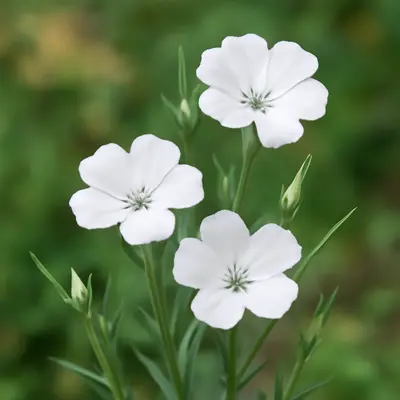
Ocean Pearls
1-2" blooms grow in sprays on willowy gray stems. Prefers cool growing conditions. FleuroSelect Gold Award Winner.
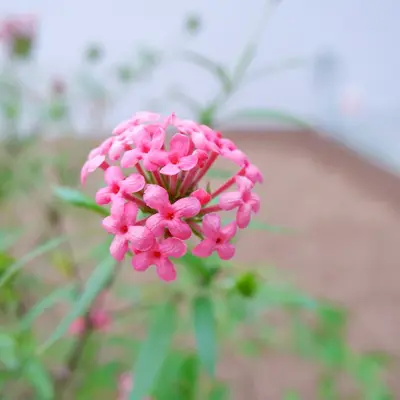
Oklahoma Carmine
Prolific 1 1/2-2 1/2" double and semidouble petite, yet sturdy violet-colored blooms. Excellent, reliable accent flowers for market bouquets, wedding flowers, and event work. Cut-and-come-again flower, yielding multiple cuts over the season.
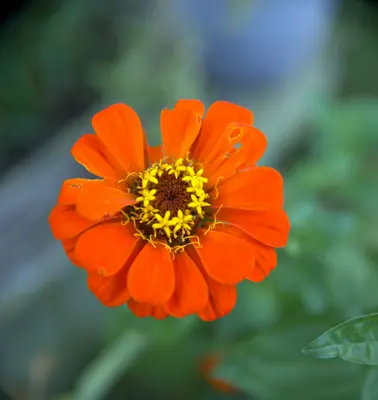
Oklahoma Formula Mix Improved
This improved mix is an essential component of any cut-flower offering. Prolific double and semidouble blooms are easy to use in bouquets due to their smaller size. The 1 1/2-2 1/2" blooms hold up well to handling compared to larger blooms which can snap at the stem due to the weight of the larger flower heads. Cut-and-come-again flower, yielding multiple cuts over the season.
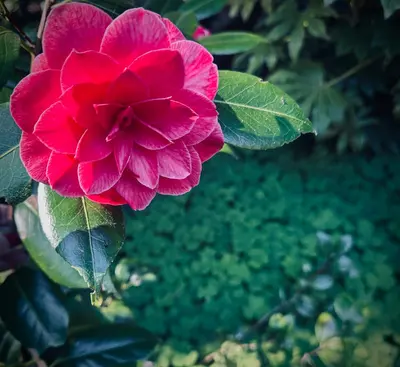
Oklahoma Golden Yellow
Prolific 1 1/2-2 1/2" double and semidouble petite, yet sturdy, flowers. Blooms are a rich, golden yellow with red-to-yellow centers. Excellent, reliable accent flowers for market bouquets, wedding flowers, and event work. Cut-and-come-again flower, yielding multiple cuts over the season.
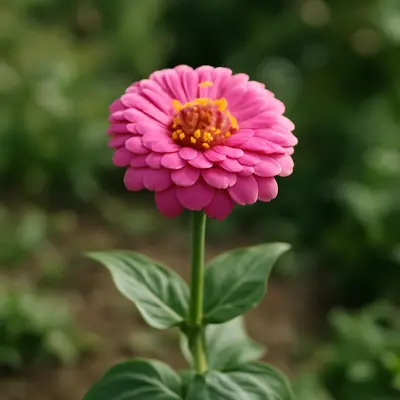
Oklahoma Pink
Prolific 1 1/2-2 1/2" double and semidouble petite, yet sturdy, bright pink blooms. Excellent, reliable accent flowers for market bouquets, wedding flowers, and event work. Cut-and-come-again flower, yielding multiple cuts over the season.
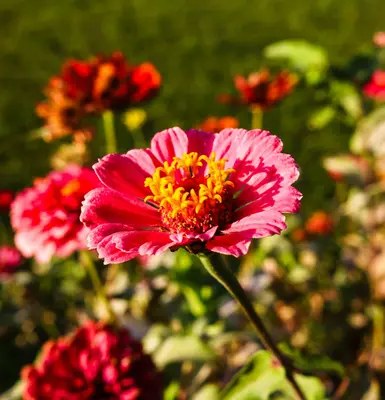
Oklahoma Salmon
Blooms are 1 1/2-2 1/2", double and semidouble. These petite, yet sturdy, blooms make excellent, reliable accent flowers for market bouquets, wedding flowers, and event work. Cut-and-come-again flower, yielding multiple cuts over the season.
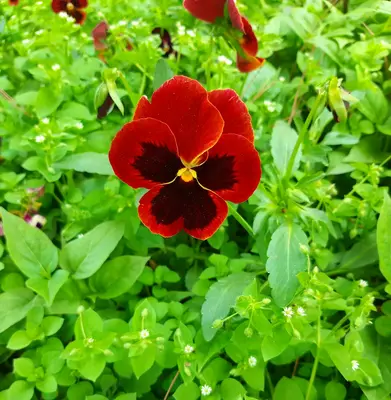
Oklahoma Scarlet
Prolific 1 1/2-2 1/2" double and semidouble petite, yet sturdy, scarlet red blooms. Excellent, reliable accent flowers for market bouquets, wedding flowers, and event work. Cut-and-come-again flower, yielding multiple cuts over the season.
Old Times
From the Spencer series. Dreamy, cream-colored blooms with lavender-blue blush and veins. Plants produce 3-4, slightly ruffled blooms per 9-12" stem. Highly fragrant. NOTE: Spencer series sweet peas are known as late-flowering because they require at least 12 hours of daylight, unlike more modern sweet pea varieties bred for winter production, which may require only 10-11 hours of daylight. Attracts hummingbirds.
Orange Button
2-2 1/2" double blooms. A favorite in our trials for its vibrant color. Blooms have brilliant, dark orange petals and a contrasting dark, almost purple center. Also known as pot marigold, common marigold, and Scotch marigold. Edible Flowers: Petals of the flowers can be used fresh or dried in "flower confetti," soups, soufflés, rice dishes, baked goods, and to garnish desserts. Calendula is a popular choice for brightening up salad mix. Flavor is tangy and slightly bitter. Remove the petals from the flower base before consuming as the base can be quite bitter.
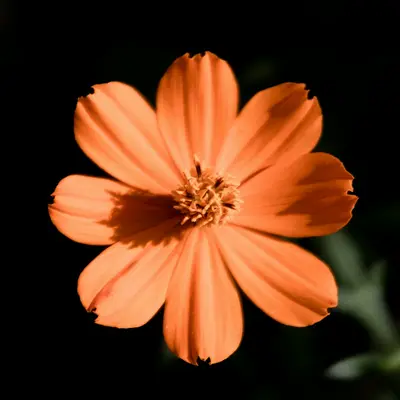
Orange Flash
1 1/2-3" blooms have a bronze center with some hints of peach and cream. Uniform plants. Timing, color, and performance are very comparable to Triangle Flashback. Edible Flowers: Petals of the flowers can be used fresh or dried in "flower confetti," soups, soufflés, rice dishes, baked goods, and to garnish desserts. Calendula is a popular choice for brightening up salad mix. Flavor is tangy and slightly bitter. Remove the petals from the flower base before consuming as the base can be quite bitter.
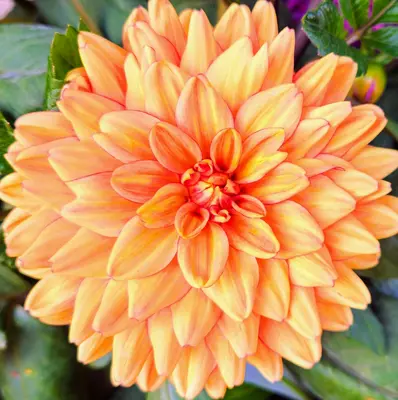
Orange Queen Improved
2-7" densely folded orange combs make useful fresh or dried cut flowers. Very similar to the Chief series in days to maturity, plant growth habit, and bloom size. Also known as cockscomb and crested cock's comb. Unauthorized reproduction and sale of seeds is prohibited by the breeder.
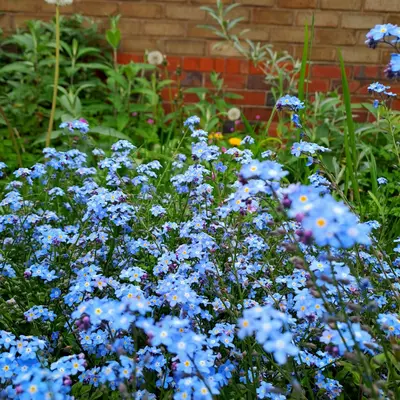
Oxford Blue
1 1/2-2 1/2", lavender blue flowers stand tall on strong, slender stems. A dramatic addition to any bouquet or garden. Also known as mourningbride.
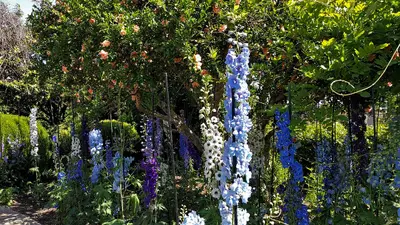
Pacific Apricot Beauty
2-3" wide fully double blooms. Tall, vigorous, healthy plants with sturdy stems. More uniform plant habit and flower size than other calendulas in our trials within this color range. Cream-colored ray petals darken to apricot at the petal edges. Also known as pot marigold, common marigold, and Scotch marigold. Edible Flowers: Petals of the flowers can be used fresh or dried in "flower confetti," soups, soufflés, rice dishes, baked goods, and to garnish desserts. Calendula is a popular choice for brightening up salad mix. Flavor is tangy and slightly bitter. Remove the petals from the flower base before consuming as the base can be quite bitter.
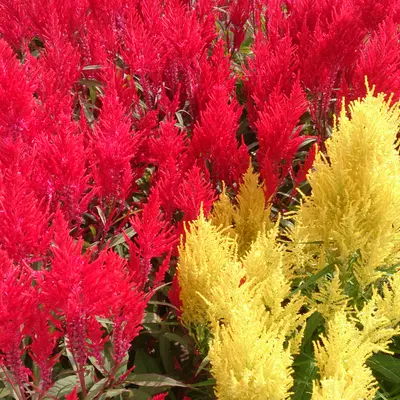
Pampas Plume
Masses of soft, feathery, 2-6" long plumes in scarlet, orange, bright yellow, pink, cream. Multi-branching plants produce 10-14 stems each. Also known as cockscomb, Prince of Wales feather, and prince feather.
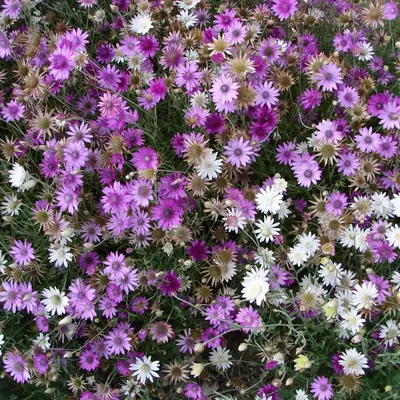
Paper Flower Double Mixture
Adorable, 1-1 1/2" papery blooms with silvery gray foliage and stems add an airy element to bouquets. Suitable for fresh and dried use. Mix of silvery-white and lavender blooms supported by sturdy, yet thin and flexible stems. Plants are well-contained, upright, and densely branched. Also known as annual daisy everlasting, paper flower, or immortelle.

Pastel Shades™
Very similar to Johnny's Pastel Mix but does not contain the same ratio of apricot and pink hues represented in that mix. This mix contains white and multiple shades of lavender, purple, pink, and rose. Productive plants produce 1½-3" flower clusters on strong stems in the field and greenhouse. Statice is long-lasting for both fresh and dried bouquets. One of the best choices for a dried floral as it holds its color well and is easy to dry. Also known as wavyleaf sea lavender.
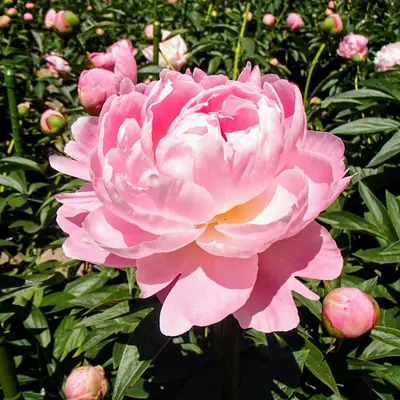
Peony Sarah Bernhardt
A legendary herbaceous peony that has been the gold standard for over 100 years, producing enormous double blooms in the most perfect shade of soft pink. The fragrant flowers can reach 8 inches across and are beloved by florists and gardeners alike for their romantic, ruffled petals and incredible longevity in both the garden and vase. This reliable bloomer returns year after year, becoming more spectacular with age.
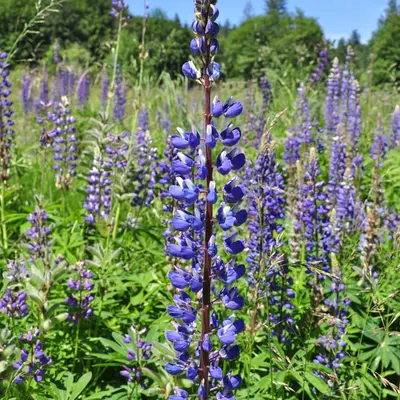
Perennial Lupine
These hardy perennials are long-lived and require very little maintenance. The flowers look great in a meadow or garden, as well as bouquets. Attracts and provides a food source for bees. Stems are stiff, erect 1-2' spikes densely covered with ½" pea-like flowers. Perennial in Zones 4-8.
Persian Carpet
Charming addition to country bouquets and gardens. Fully double and semidouble 2" bicolors in red, orange, pale yellow, gold, chocolate, and cream. Vigorous, healthy, upright plants are slightly taller than Jazzy Mix. AAS Winner. Also known as Mexican zinnia.
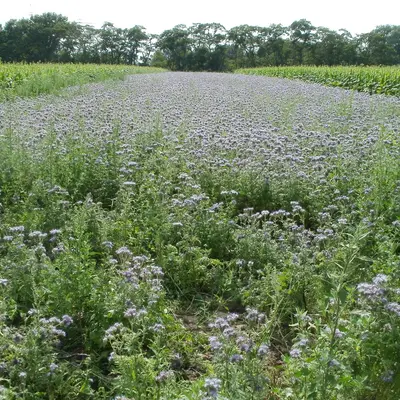
Phacelia
Most commonly seeded in mass plantings, or as an annual cover crop with nectar-rich blooms to attract and support beneficial and pollinator insects. An excellent, fast-growing, easy-to-grow source of nectar for honeybee forage. Tolerant of low water conditions and poor soils. Used as a cover crop, will winterkill at 18°F (-8°C) - residue breaks down relatively quickly. Furled, lavender-colored flowers with tall, sturdy stems are sometimes used as a cut flower, adding a casual, wildflower look to bouquets. Also commonly known as bee's friend, lacy phacelia, blue tansy, purple tansy, and lacy scorpion-weed. Relative of borage and native to the United States and Mexico. For mass plantings or cover crop, sow at 3 oz./1,000 sq.ft. or 7 lb./acre.
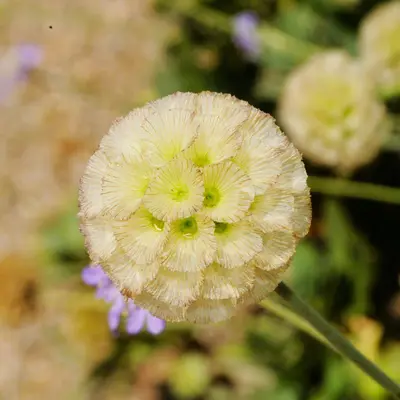
Phlox Drummond Mix
Cherry Caramel's unique color combination makes it popular with designers and gardeners alike. From our trials, we've selected phlox varieties with the tallest stems and most desirable colors. Annual phlox produces charming and abundant blooms on branched stems.
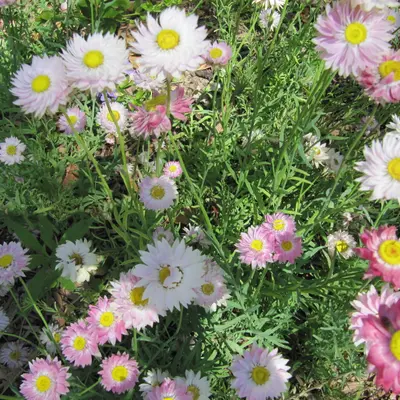
Pierrot Red
Productive plants produce relatively small, 1-2" upward-facing, daisy-like flowers with papery petals. Most blooms have a dramatic, contrasting black center while a small percentage have golden centers. The flowers have a long vase life and also make excellent dried flowers. The plant stature is a bit short for cutting (approximately 18-24"). Plants are basal branching, which makes the thin, wiry stems easy to cut and strip. Very comparable plant habit and performance to Pierrot White. Helipterum is also known as Acroclinium, immortelle, paper daisy, Australian everlasting, and everlasting daisy.
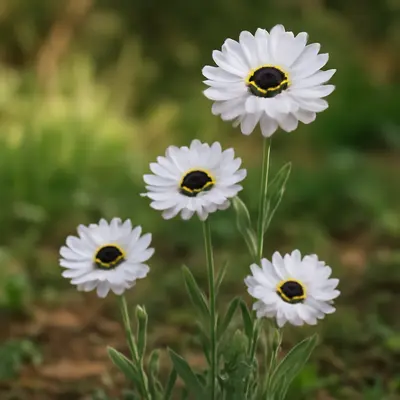
Pierrot White
Pierrot White provides a distinctive, moody look for both cut and dried florals, though the plant stature is a bit short for cutting (approximately 18-24"). Productive plants produce relatively small, 1-2" upward-facing, daisy-like flowers with papery petals. The flowers have a long vase life and also make excellent dried flowers. Plants are basal branching, which makes the thin, wiry stems easy to cut and strip. Helipterum is also known as Acroclinium, immortelle, paper daisy, Australian everlasting, and everlasting daisy.
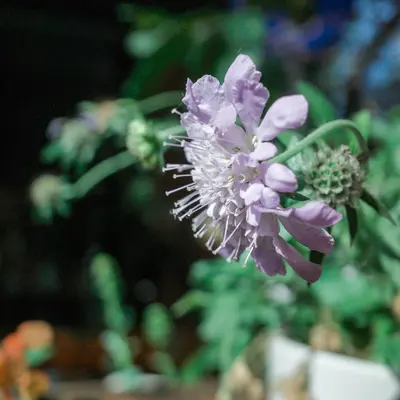
Pincushion Formula Mix
Sturdy, uniform, annual Scabiosa mix in a wide range of colors. 1 1/2-2 1/2" blooms. Formula mix of black, blue, creamy yellow, pink, bright red, deep blue, salmon rose, and pure white. Also known as mourningbride.
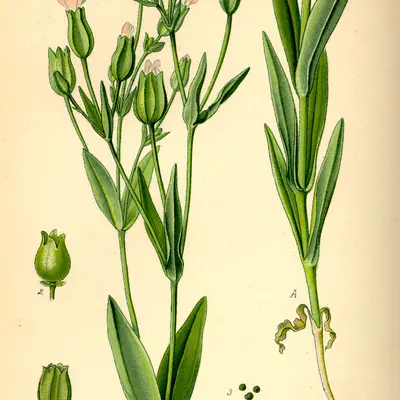
Pink Beauty
Sturdy and easy to grow. Stems are thicker, stronger, taller, and easier to manage than those of annual gypsophila, an otherwise similar flower. 3/4 to 1" dusty pink blooms float above gray-blue, waxy foliage. Branching plant habit. Also known as soapwort or cow soapwort.
Pink Gin
Second-year flowering. Delicately colored shell-pink bells with lightly freckled throats. Bells form on one side of the stem. In our trials, Pink Gin produced 4-7 tall stems and 2-3 shorter, secondary stems per plant. Can be fall or spring-planted. NOTE: Flowering occurs in late spring in the second season of growth.
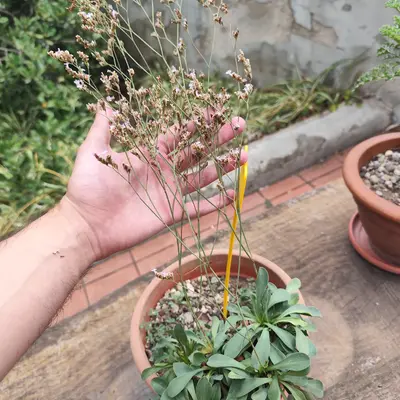
Pink Pokers
Whimsical and wild statice looks to be a thing of fairytales or a sea-dwelling creature. Compared to L. sinuatum types, this statice has a very different look but is also earlier and easier to harvest. Plants have mostly basal leaves, which makes the stems easy to locate for cutting, and there are almost no leaves to strip away. Low-growing plants produced 2-3 flushes of harvestable stems in our trials. Excellent for dried flowers or fresh cuts. Flowers dry beautifully, holding their color well. Early statice. Also commonly known as Russian statice and rat tail statice.
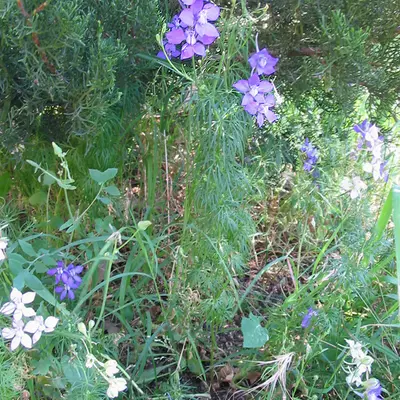
Pink Queen
Features tall spires of dense florets. Flowers bloom in shades of light pink with hints of pale green. Plants produce double blooms with a small percentage of singles. 1 1/2-1 3/4" florets on 9-12" flower spikes. Very similar to the QIS™ series in plant height and bloom time. Attracts hummingbirds.
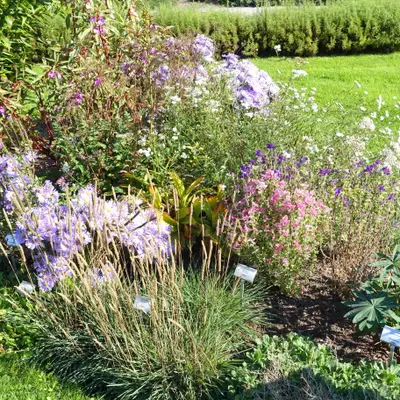
Pink Sundae
Easy-to-grow plants for casual cut flowers, pollinator plantings, and displays of color in the garden. Productive, densely branched plants produce abundant stems and multiple cuts of this versatile crop. Suitable for fresh or dried flowers. Colored bracts of vibrant rose-pink decorate the tops of 30-40" branches. Tolerant of frost. Also commonly known as annual clary sage.
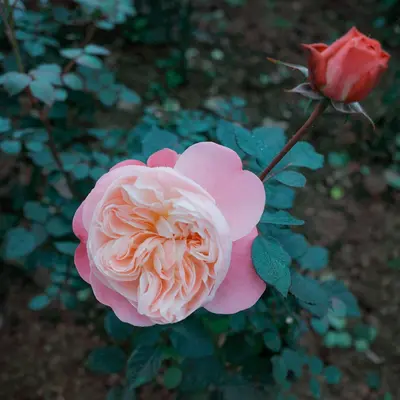
Prince Rose
Vivid red combs with attractive purple foliage and rose-colored stems. 2-4" wide dark magenta combs on sturdy 18-24" long stems are useful for fresh or dried cut flowers. Similar overall performance to the Chief series but earlier to bloom. In our trials, Prince Rose is ready for harvest 5-7 days earlier than the Chief series. Uniform bloom time, plant habit, and height. We recommend pinching seedlings for optimal branching and productivity. Crested-type celosia, also known as cockscomb and crested cock's comb. Unauthorized reproduction and sale of seeds is prohibited by the breeder.
Pulsar
From the Spencer series. Lavender streaks throughout and lining the petal edge. Plants produce 3-4 blooms per 9-12" stem. Highly fragrant. NOTE: Spencer series sweet peas are known as late-flowering because they require at least 12 hours of daylight, unlike more modern sweet pea varieties bred for winter production, which may require only 10-11 hours of daylight. Attracts hummingbirds.

Purple Kisses
Purple Kisses is very similar to Dara, with 3-5" lacy umbels atop strong, sturdy, upright stems. Flowers in shades of dark purple, pink, and approximately 15% white. Highly productive with 7-15 stems per plant. Long lasting in bouquets. Also known as Queen Anne's lace, ornamental carrot, and wild carrot.
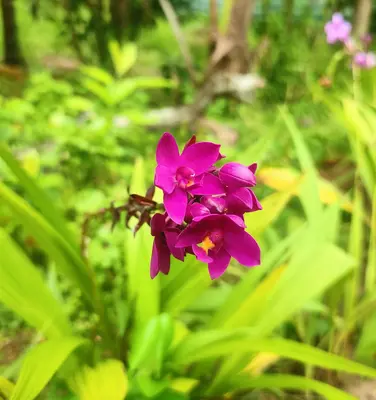
Purple Queen
Silky, speckled, 1-2" blooms grow in sprays on willowy gray stems. Easy-to-grow plants prefer cool growing conditions.
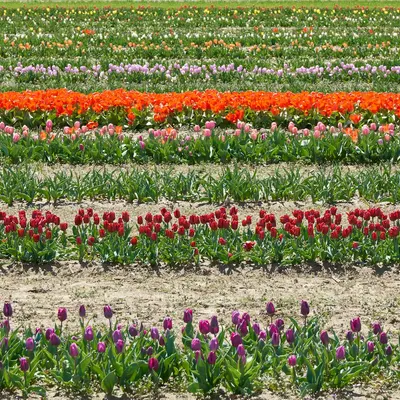
Purple Red
Tall, well-branched plants produce dark wine (almost black) flowers 2-2 1/2" across. Fully open blooms reveal contrasting fiery-orange center. Also known as bracted strawflower.
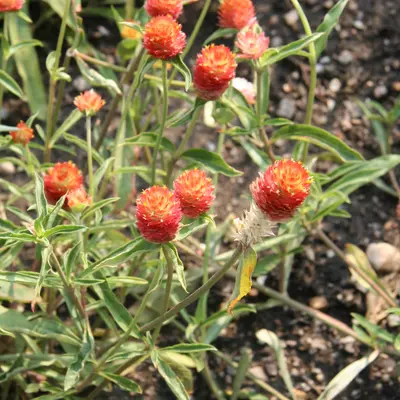
QIS™ Carmine
Glowing, 1 1/2" carmine blooms on long stems. This uncommon color is unique to the QIS™ (Quality in Seed) Series. Also known as globe amaranth and Rio Grande globe amaranth.
QIS™ Dark Blue
Features tall spires of dense florets. Plants produce indigo-blue double blooms with a small percentage of singles. 1 1/2-1 3/4" florets on 9-12" flower spikes. Very similar to the Sublime series, which QIS™ replaced. Attracts hummingbirds.

QIS™ Light Blue
Features tall spires of dense florets. Plants produce silvery lavender-colored, double blooms with a small percentage of singles. 1 1/2-1 3/4" florets on 9-12" flower spikes. Very similar to the Sublime series, which QIS™ replaced. Attracts hummingbirds.
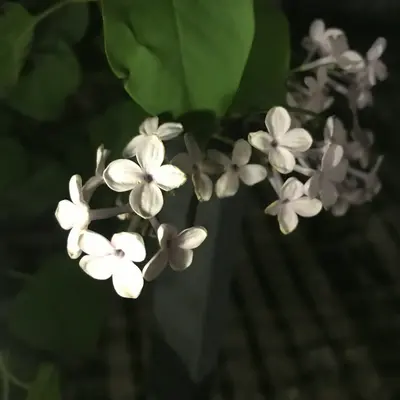
QIS™ Lilac
Features tall spires of dense florets. Plants produce lavender-colored, double blooms with a small percentage of singles. 1 1/2-1 3/4" florets on 9-12" flower spikes. Very similar to the Sublime series, which QIS™ replaced. Attracts hummingbirds.
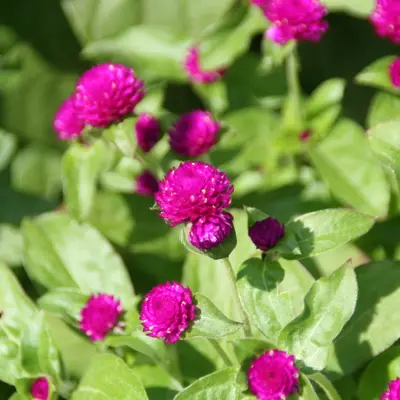
QIS™ Pink
Frosty pink, 1 1/2" blooms on long stems. We have found the QIS™ (Quality in Seed) Series to be a good choice for cut-flower production for its stem quality, length, and uniformity. Also known as globe amaranth and common globe amaranth.
QIS™ Purple
1 1/2" blooms on long stems. We have found the QIS™ (Quality in Seed) Series to be a good choice for cut-flower production for its stem quality, length, and uniformity. Also known as globe amaranth and common globe amaranth.
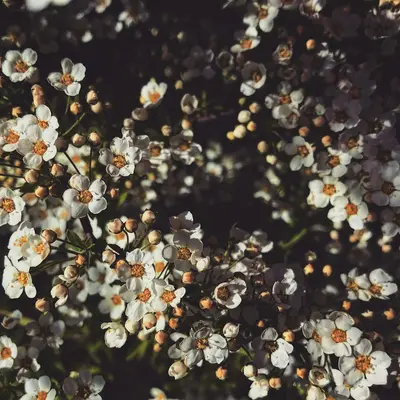
QIS™ White
Features tall spires of dense florets. Plants produce snow white double blooms with a small percentage of singles. 1 1/2-1 3/4" florets on 9-12" flower spikes. Very similar to the Sublime series, which QIS™ replaced. Attracts hummingbirds.
Queeny Formula Mix
Sturdy plants produce blooms in shades of rose, orange, peach, lemon, and lime. Mostly double and semidouble 2-3 1/2" blooms with a small percentage of singles. Cut-and-come-again flower, yielding multiple cuts over the season. Previously and widely known as "Queen Series" and "Queen Mix." Over the years, as the breeder has developed new colors in the series, he has transitioned the series name from "Queen" to "Queeny." To respect his wishes, we have updated the product names accordingly.
Queeny Lemon Peach
Yet another brilliant addition to the Queeny series. Dreamy 2-3 1/2" blooms. A rosy center disk contrasts beautifully with creamy-lime petals which gradually darken to soft peach outer petals. Plants seem a bit more vigorous than the other Queeny series varieties. A mix of fully double, semidouble, and a small percentage of single flowers. Cut-and-come-again flower, yielding multiple cuts over the season. Previously and widely known as 'Queen Lime Peach.' Over the years, as the breeder has developed new colors in the series, he has transitioned the series name from "Queen" to "Queeny." To respect his wishes, we have updated the product names accordingly. AAS Regional (Northeast, West/Northwest) Winner.
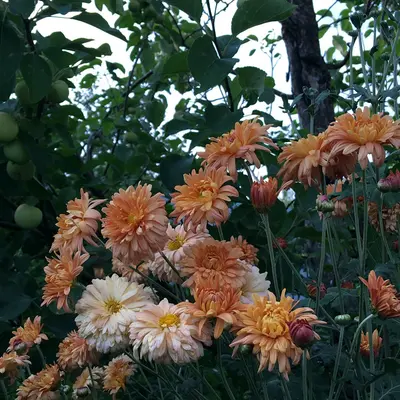
Queeny Lime Orange
Innovative addition to the Queeny series. Glowing, apricot blooms with a blush of lime and bright rose centers. A popular color combination suitable for market flowers and sophisticated design work. Mostly double and semidouble, 2-3 1/2" blooms with a small percentage of singles. Cut-and-come-again flower, yielding multiple cuts over the season. Compared to Benary's Giant Salmon Rose, blooms are smaller with a lighter, more subtle coloring. Color gradient gives a unique three-dimensional appearance. Previously and widely known as 'Queen Lime Orange.' Over the years, as the breeder has developed new colors in the series, he has transitioned the series name from "Queen" to "Queeny." To respect his wishes, we have updated the product names accordingly. AAS Winner.
Queeny Lime with Blush
Innovative and elegant. Mostly double and semidouble 2-3 1/2" blooms with a small percentage of singles. Cut-and-come-again flower, yielding multiple cuts over the season. Previously and widely known as 'Queen Lime Blush' or 'Queen Lime Blotch.' Over the years, as the breeder has developed new colors in the series, he has transitioned the series name from "Queen" to "Queeny." To respect his wishes, we have updated the product names accordingly.
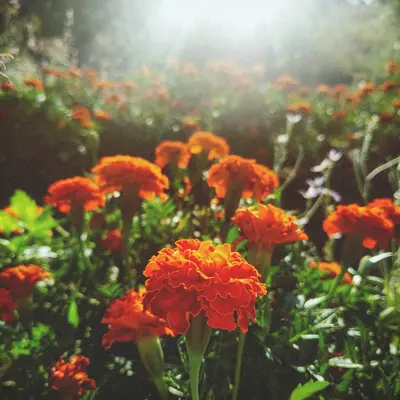
Queeny Pure Orange
Vigorous plants produce 1 1/2-2 1/2" wide, double and semidouble blooms. The only orange zinnia we've found that produces mid-sized blooms and is tall enough for cutting. While from the same breeder as the beloved Queen/Queeny series, Queeny Pure Orange stands apart. Its blooms are smaller than others in the series, and instead of antique hues, it produces simple, pure shades of orange. Most similar to the Oklahoma series in bloom size and timing. Cut-and-come-again flower, yielding multiple cuts over the season.
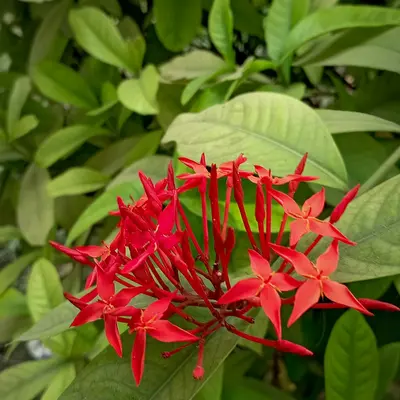
Queeny Red Lime
These 2-3½" blooms have soft burgundy outer petals that gradually lighten to creamy lime centers. A mix of fully double and semidouble flowers with a small percentage of singles. Cut-and-come-again flower, yielding multiple cuts over the season. Previously and widely known as 'Queen Red Lime.' Over the years, as the breeder has developed new colors in the series, he has transitioned the series name from "Queen" to "Queeny." To respect his wishes, we have updated the product names accordingly.
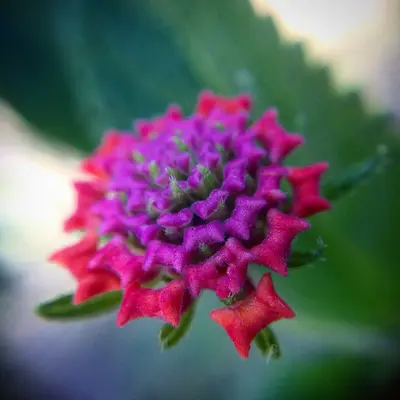
Raspberry Cream
Uniform, productive plants. Very similar to QIS™ Pink but with a darker, richer color. 1 1/2" blooms. Also known as globe amaranth and common globe amaranth.
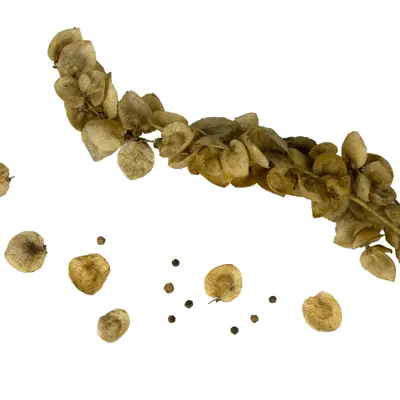
Red Plume
12-24", wine-red plumes on long, strong stems feature small, paper-thin seed pods. Easy-to-grow plants provide an interesting, textural element to design work. Earthy red combines easily with other colors in bouquets. Foliage is edible. Also known as orach and orache.
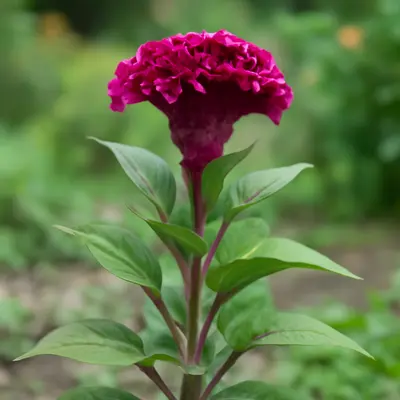
Reien
Vivid red combs with attractive, dark red foliage and stems. 2-4" wide scarlet combs on sturdy, 18-24" long stems are useful for fresh or dried cut flowers. Similar overall performance to the Chief series but earlier to bloom. In our trials, Reien is ready for harvest 5-7 days earlier than the Chief series. Uniform bloom time, plant habit, and height. Also known as cockscomb and crested cock's comb. Unauthorized reproduction and sale of seeds is prohibited by the breeder.
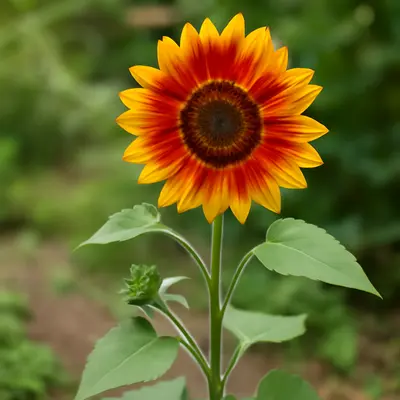
Ring of Fire
Unique bicolor flower pattern sets this beauty ablaze with autumn colors. Blooms average 5-6" across, but with tight spacing will be slightly smaller. Stem length is 16-34". Day-length neutral. Minimal pollen. Branching. AAS Winner.Edible Flowers: Flower buds can be fried and the petals used as a garnish in salads and desserts; the flavor is bittersweet.
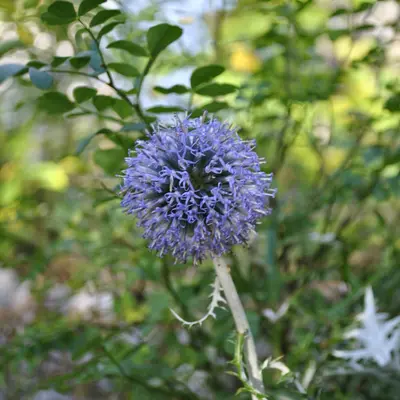
Ritro
1-3" wide globes take on a steel-blue hue as they mature. Dries well. Globes add texture and color to fresh and dried arrangements. Spines are minimal compared to similar types, but gloves are recommended for harvesting as the leaves and stems are a bit prickly. Begins blooming mid-summer in the second year after planting. Tolerant of hot, dry growing conditions, once established. Also commonly known as southern globethistle. Perennial in zones 3-8.
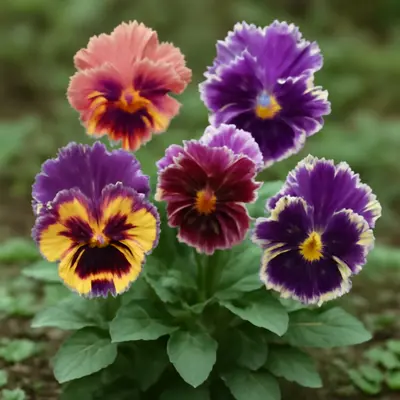
Rococo Frilled Mix
2-3" deeply ruffled flowers in multicolor combinations of purple, burgundy, plum, gold, lavender, mauve, and ivory. Some variability in bloom size, degree of frill, and plant height across the mix. Mildly fragrant blooms. Overwinters well in our unheated tunnel (Zone 5), yielding 12-14" long stems that are perfect for mixing with tulips and daffodils in early spring bouquets. Also known as pansy, Johnny jump-up, European field pansy, heart's ease, and hybrid violet. Edible Flowers: Decorative and edible garnish for salads and desserts with slight wintergreen flavor. While a popular choice for brightening up salad mix, the flowers are also good for candying.
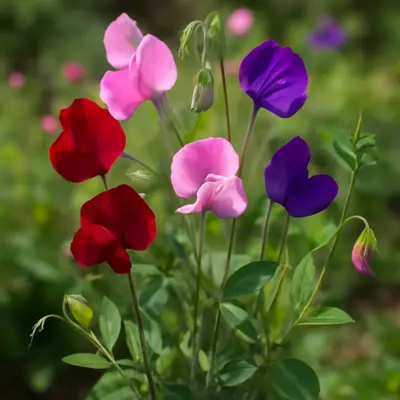
Royal Mix
Royal Mix is a classic heirloom flower variety prized for its vibrant, mixed-color blooms that mature within 90 days. This easy-to-grow cultivar thrives in full sun and produces abundant flowers ideal for cutting and garden displays. The diverse color palette and long flowering season make it a standout choice for gardeners seeking reliable, showy blooms throughout the season.
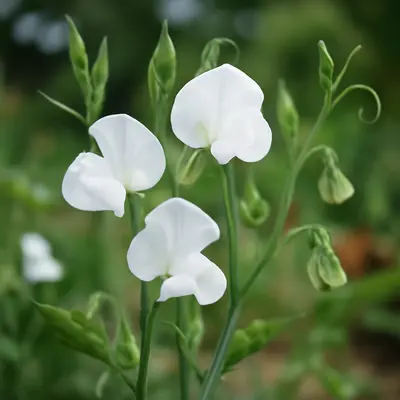
Royal Wedding
From the Spencer series. Slightly ruffled, pure white blooms with a hint of cream color. NOTE: Spencer series sweet peas are known as late-flowering because they require at least 12 hours of daylight, unlike more modern sweet pea varieties bred for winter production, which may require only 10-11 hours of daylight. Attracts hummingbirds.
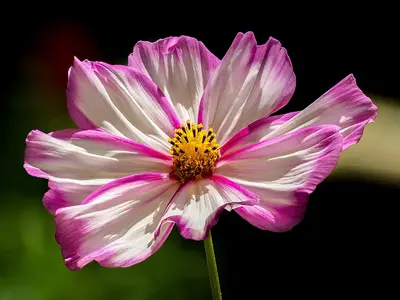
Rubenza
As blooms mature, petals fade from a deep cranberry to an antique rose with hints of amber. The medium-height plants are very productive, flowering early and continuing to bloom for several weeks if cut or deadheaded. 2 1/2-3 1/2" blooms. Fleuroselect Novelty 2008.
Ruby Parfait
Dark rose, arrow-shaped plumes. 2-3" textural flower spikes on full, branching plants can stand alone in a bouquet, be used as filler, or make a grand statement in the flower garden. A sweet and sturdy addition to boutonnières. Excellent vase life. Also known as wheat celosia, and red fox. Unauthorized reproduction and sale of seeds is prohibited by the breeder.
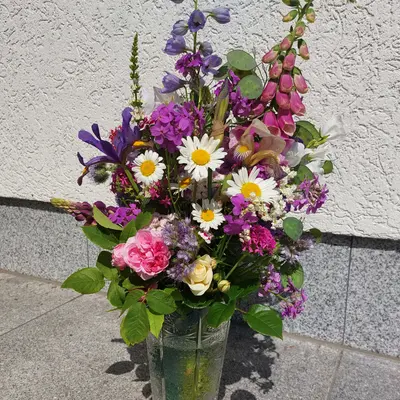
Russell's Formula Mix
Includes white, pink, violet-blue, red, yellow, peach, and bicolors. Sweetly scented blooms. Plants produce multiple blooms with stiff and straight stems. In our trials, these first-year flowering plants bloomed in early July in the first year and about a month earlier, (early June) from well-established plants in the second year. Bloom quality and productivity were better in the second season, although all plants did produce flowers in the first season. Performs best where summers are cool. Attracts and provides a food source for bees and hummingbirds. 1-2' blooms/spikes are densely covered with ½" pea-like flowers. Lupin is typically resistant to deer and rabbits. Perennial in Zones 4-8.
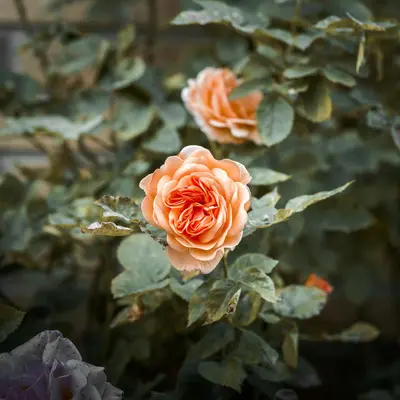
Salmon Rose
1 1/2-2 1/2", coral-colored flowers stand tall on strong, slender stems. A dramatic addition to any bouquet or garden. Also known as mourningbride.
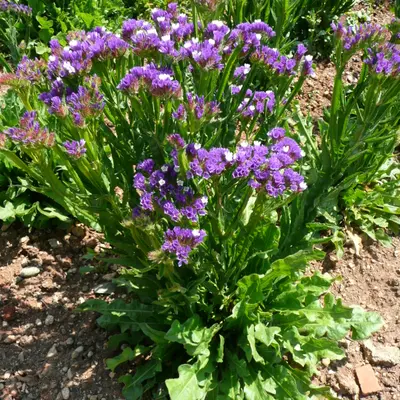
Seeker Rose Shades
1 1/2-3" flower clusters are produced on strong stems in the field and greenhouse. Blooms in varying shades of rose pink. Also known as annual statice and wavyleaf sea lavender.
Seeker White
1 1/2-3" flower clusters are produced on strong stems in the field and greenhouse. Blooms are pure white, with some showing a slight blush of pink. Also known as annual statice and wavyleaf sea lavender.
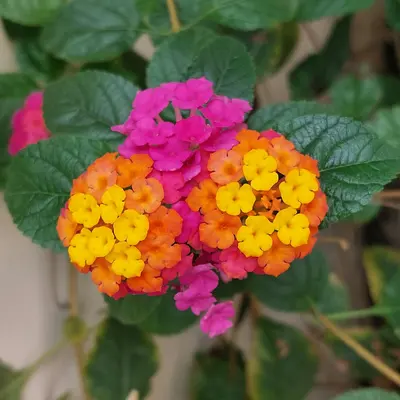
Sensation Mix
Single flowers, 3-4" across, in lavender, pink, magenta, and white. AAS Winner. Cosmos are also known as garden cosmos.
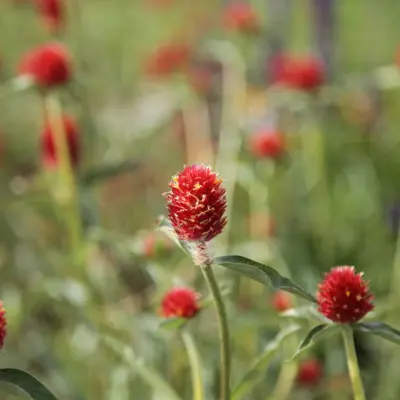
Sequin
Unique color in gomphrena developed by Johnny's Breeding Team. Rose bracts surround a creamy, glowing center - creating a luminous, dusky-rose bloom. Opalescent color shifts in the petals make us think of sparkling sequins. When comparing the bloom colors of Sequin (G. haageana) and Raspberry Cream (G. globosa), Sequin's flower color is lighter and warmer. Sequin's uniform plant is consistent with other G. haageana types: open plants branch from the base and contain few leaves; stems are tall and slender; and blooms are 1 1/2" in diameter. A perfect accent flower for tying together cool or warm color palettes. As a dried flower, Sequin's color holds well; petals lighten only slightly, and the bloom center deepens into light rose. PVP pending.
Silvery Rose
Tall, well-branched plants produce double flowers 2-2 1/2" across. Blooms are pure to creamy white and frosted with rose at the petal tips. Rose coloring is subtler on young blooms and darkens as they mature and open. Also known as bracted strawflower.
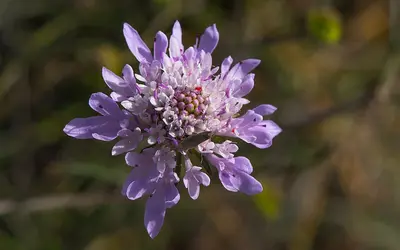
Snowmaiden
1 1/2-2 1/2", pure white flowers stand tall on strong, slender stems. A dramatic addition to any bouquet or garden. Also known as mourningbride.
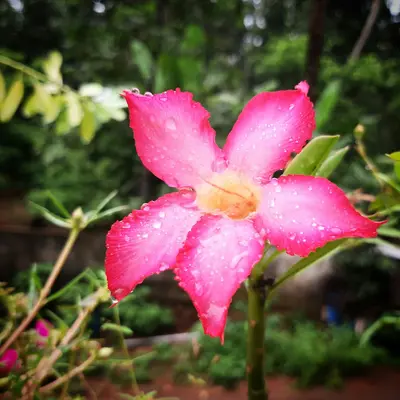
Sonja
Tangerine petals with dark centers. Sprays of 8 or more side branches on strong 17-28" stems bear 4" blooms. Long vase life. Bears pollen; good for bee forage. Day-length neutral. Branching.
Soraya
Soraya is a striking heirloom flower variety that matures in 85-95 days and thrives in full sun with well-draining loam. This ornamental cultivar produces vibrant blooms with distinctive appearance characteristics typical of its type. Easy to grow, Soraya is prized by gardeners for its reliable performance and aesthetic appeal in gardens and cut flower arrangements.
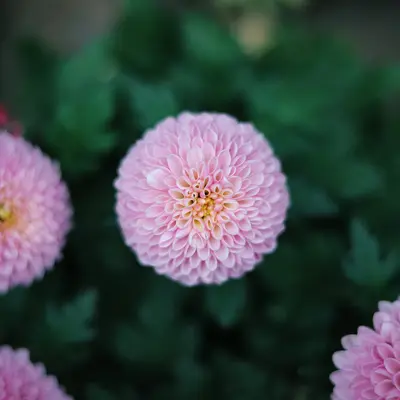
Soufflé Light Pink
2 1/2-3 1/2" double blooms of excellent quality. Plants are highly uniform and have been consistently healthy and sturdy in our trials. Compared to the Tower series, Soufflé Light Pink blooms earlier and has similar peony-style flowers.
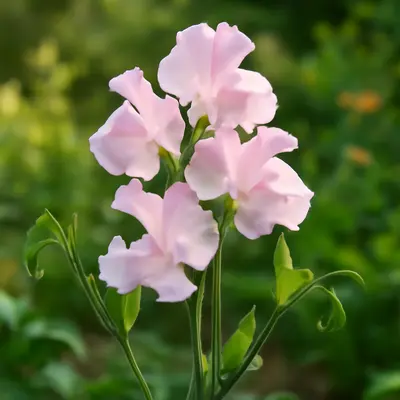
Spencer Ice Cream
Like vanilla ice cream, this aptly named variety produces blooms that are sweetly scented and creamy in color. Abundant, ivory blooms on healthy plants. Highly fragrant. Stems are shorter than those of other Spencer series varieties, but since the plants are vigorous and productive, foliage and tendrils can be cut with the flowers, providing the extra stem length and greenery needed to fill out bouquets or design work. NOTE: Spencer series sweet peas are known as late-flowering because they require at least 12 hours of daylight, unlike more modern sweet pea varieties bred for winter production, which may require only 10-11 hours of daylight. Attracts hummingbirds.
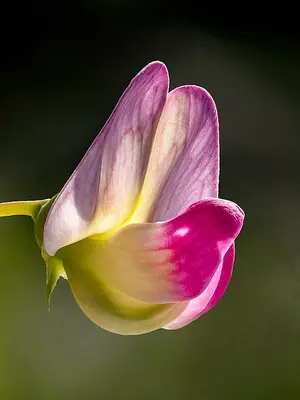
Spencer Ripple Formula Mix
These flowers look as good as they smell with their uniquely ruffled, bicolor petals. Displayed alone or mixed with solid color varieties in bouquets, they are simply gorgeous. One of the most fragrant sweet pea varieties. Very popular in England. Can be spelled either as sweet pea or sweetpea. Attracts hummingbirds.
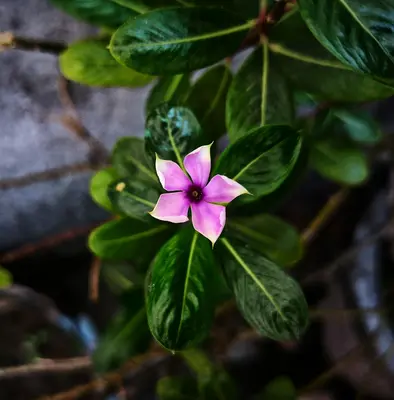
Starflower
Small pale blue blossoms on wiry stems transform into highly decorative bronze-colored geometric and globe-shaped seed heads. Plants are grown primarily for the papery seed pods, which are useful for both fresh and dried bouquets. Also known as drumstick flower.
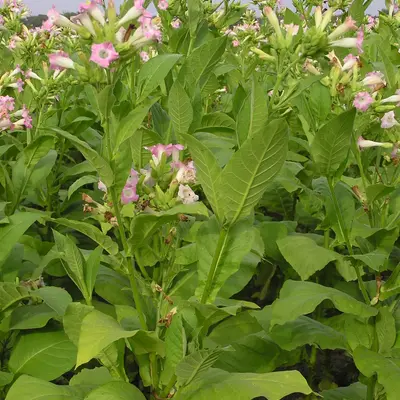
Starlight Dancer
Star-shaped bells are lime and cream-colored on the outside throat, opening to 1" wide ivory flowers. Grows easily from seed and is quick to flower in the field. Nicotiana flowers continuously for most of the season when cut back regularly. Blooms are relatively fragile and have a short vase life (5-7 days), making them best for casual bouquets, design work (not requiring a long vase life) and home cutting gardens. A favorite of pollinators and hummingbirds. Also known as flowering tobacco.
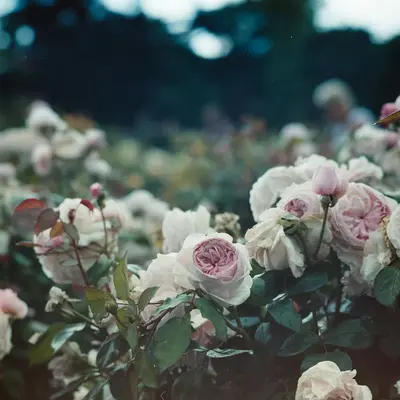
StoX® Antique Rose
Light, dusty-rosy color is similar to Vintage Brown, although a few shades lighter. Single-stem/column-type stock for one-cut harvest. Sturdy, upright stems are comparable to the Iron series. Double-flowering plant selection: Plants are selectable for double-flowering blooms. Without selection your plants will produce approximately 55% double-flowering plants and 45% single-flowering plants. Double-flowering plants will display a lighter leaf color at the seedling stage after a cold treatment. You might notice that some seedlings will present the lighter color leaves, even without a prescribed cold treatment. NOTE: This variety produces one flowering stem per plant. Pinching is not advisable as it will terminate flowering. Edible Flowers: The peppery, clove-like flavor of the flowers lends itself well to use as a garnish on salads, desserts, and drinks.
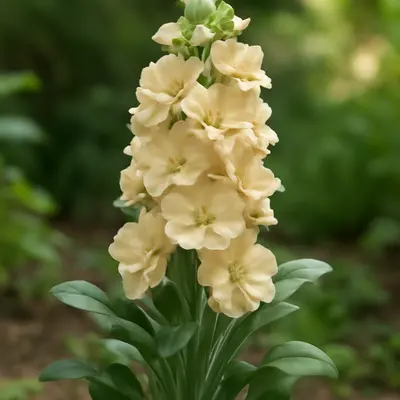
StoX® Champagne
Completely unique, soft peachy-pink color - a standout in our trials. Single-stem/column-type stock for one-cut harvest. Sturdy, upright stems are comparable to the Iron series. Double-flowering plant selection: Plants are selectable for double-flowering blooms. Without selection your plants will produce approximately 55% double-flowering plants and 45% single-flowering plants. Double-flowering plants will display a lighter leaf color at the seedling stage after a cold treatment. You might notice that some seedlings will present the lighter color leaves, even without a prescribed cold treatment. NOTE: This variety produces one flowering stem per plant. Pinching is not advisable as it will terminate flowering. Edible Flowers: The peppery, clove-like flavor of the flowers lends itself well to use as a garnish on salads, desserts, and drinks.
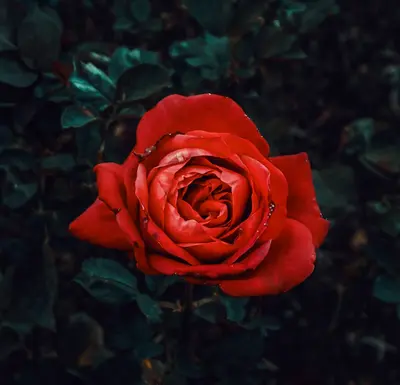
StoX® Deep Rose
Sturdy, upright stems are comparable in quality to the Iron series. The StoX series was bred for easier selection of double-flowering plants. Double-flowering plants will display a lighter leaf color at the seedling stage after exposure to cool temperatures. Without selection your plants will produce approximately 55% double-flowering plants and 45% single-flowering plants. You might notice that some seedlings will present the lighter color leaves, even without a cold treatment. Single-stem/column-type stock for one-cut harvest. NOTE: This variety produces one flowering stem per plant. Pinching is not advisable as it will terminate flowering. Blooms are a brilliant deep rose color. Edible Flowers: The peppery, clove-like flavor of the flowers lends itself well to use as a garnish on salads, desserts, and drinks.
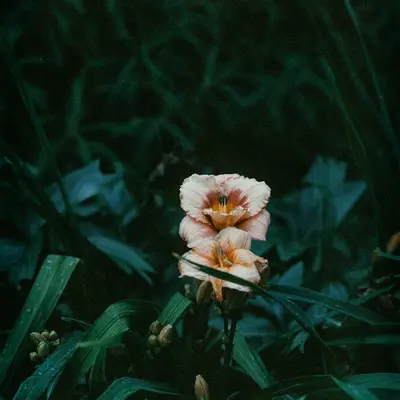
StoX® Rose Pink
Medium-light rose color is more subtle and muted compared to many other rose-colored varieties. Single-stem/column-type stock for one-cut harvest. Sturdy, upright stems are comparable to the Iron series. Double-flowering plant selection: Plants are selectable for double-flowering blooms. Without selection your plants will produce approximately 55% double-flowering plants and 45% single-flowering plants. Double-flowering plants will display a lighter leaf color at the seedling stage after a cold treatment. You might notice that some seedlings will present the lighter color leaves, even without a prescribed cold treatment. NOTE: This variety produces one flowering stem per plant. Pinching is not advisable as it will terminate flowering. Edible Flowers: The peppery, clove-like flavor of the flowers lends itself well to use as a garnish on salads, desserts, and drinks.
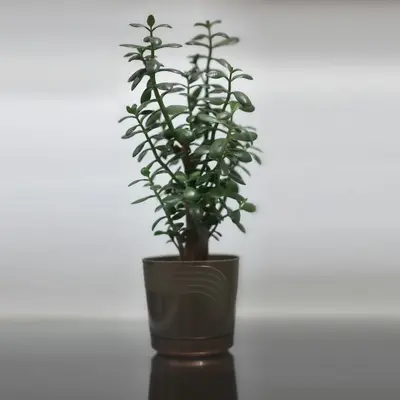
StoX® Silver
Sturdy, upright stems are comparable in quality to the Iron series. The StoX series was bred for easier selection of double-flowering plants. Double-flowering plants will display a lighter leaf color at the seedling stage after exposure to cool temperatures. Without selection your plants will produce approximately 55% double-flowering plants and 45% single-flowering plants. You might notice that some seedlings will present the lighter color leaves, even without a cold treatment. Single-stem/column-type stock for one-cut harvest. NOTE: This variety produces one flowering stem per plant. Pinching is not advisable as it will terminate flowering. Blooms are pale pink in color. Edible Flowers: The peppery, clove-like flavor of the flowers lends itself well to use as a garnish on salads, desserts, and drinks.
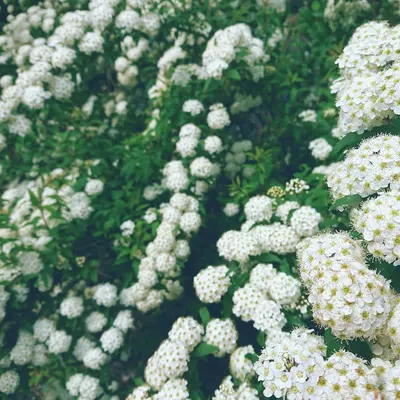
StoX® White
Sturdy, upright stems are comparable in quality to the Iron series. The StoX series was bred for easier selection of double-flowering plants. Double-flowering plants will display a lighter leaf color at the seedling stage after exposure to cool temperatures. Without selection your plants will produce approximately 55% double-flowering plants and 45% single-flowering plants. You might notice that some seedlings will present the lighter color leaves, even without a cold treatment. Single-stem/column-type stock for one-cut harvest. NOTE: This variety produces one flowering stem per plant. Pinching is not advisable as it will terminate flowering. Blooms are pure white in color. Edible Flowers: The peppery, clove-like flavor of the flowers lends itself well to use as a garnish on salads, desserts, and drinks.
StoX® Yellow
Sturdy, upright stems are comparable in quality to the Iron series. The StoX series was bred for easier selection of double-flowering plants. Double-flowering plants will display a lighter leaf color at the seedling stage after exposure to cool temperatures. Without selection your plants will produce approximately 55% double-flowering plants and 45% single-flowering plants. You might notice that some seedlings will present the lighter color leaves, even without a cold treatment. Single-stem/column-type stock for one-cut harvest. NOTE: This variety produces one flowering stem per plant. Pinching is not advisable as it will terminate flowering. Creamy yellow blooms are similar in color to Iron Yellow and Katz Yellow. Edible Flowers: The peppery, clove-like flavor of the flowers lends itself well to use as a garnish on salads, desserts, and drinks.
Strawberry Fields
Brilliant flowers, 1 1/2" across, atop strong stems. Plants are very productive, and an excellent complement to the QIS™ series. Holds color exceptionally well when dried. Also known as globe amaranth and Rio Grande globe amaranth.
Summer™ Pastels
Shades of sunny pastel blooms make excellent cut flowers and reliable perennial garden plants with decorative, fern-like foliage. As cut flowers, the 2-4" flat-topped flower heads on 24" stems add bulk, durability, and beauty to bouquets. Long vase life. Summer Pastels F2 population. Flowers first year from seed. Low maintenance. Tolerates drought once established. Perennial in Zones 2-9. AAS Winner. Attracts and supports beneficial insects such as damsel bugs, lacewings, lady beetles, and parasitic wasps.
Sun Ball
1" globes on long, stiff stems are easy to harvest and use as cut flowers. Grass-like, silvery green foliage. As a cut flower, it has a long vase life and as a dried flower, it retains its color. Tolerates heat. Craspedia is also known as drumsticks. Tender perennial in Zones 8-11.
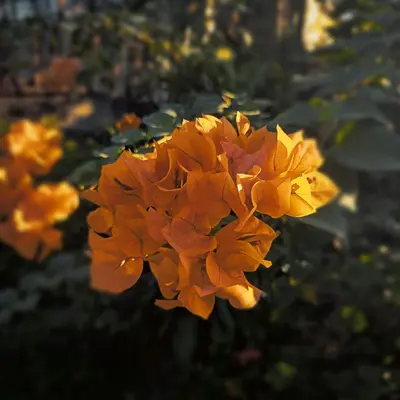
Sunday™ Bright Orange
Taller plant habit with longer stems for cutting and slightly later maturity date when compared to the rest of the Sunday™ series. Highly uniform plant habit. Upright, vigorous branching plants produce 3-5" tall plumes that are a few shades lighter in color than Sunday Orange. Matures 7-10 days later than Sunday Orange. Raw, uncoated seed.
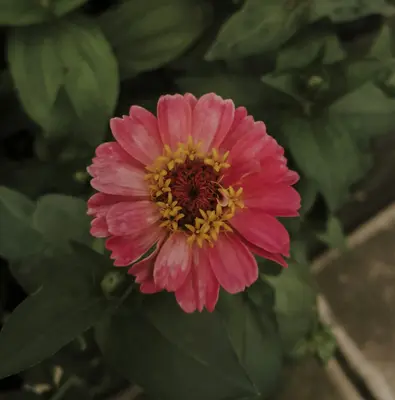
Sunday™ Bright Pink
Uniform, productive plants. 3-5" long, bright pink, feathery spikes on long stems. Plants are slightly taller and later to mature compared to others in the Sunday series. Pale green stems and light green foliage. Raw, uncoated seed.
Sunday™ Cherry
Uniform, productive plants. 3-5" long, bright, cherry-colored, feathery spikes on long stems. Stems are pink to red-toned with light green leaves. Raw, uncoated seed.
Sunday™ Gold
Uniform, productive plants. 4-8" long, bright golden-yellow, feathery spikes on long stems. Rich color complements high-summer and autumn arrangements. Raw, uncoated seed.
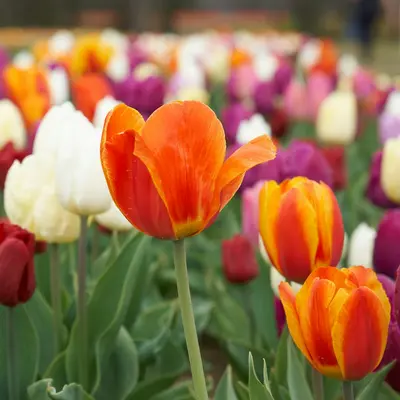
Sunday™ Mix
Productive plants produce vivid blooms that are useful for multicolor bunches, bouquet fillers, or a celebration of color for garden beds. 3-5" long plumes. Raw, uncoated seed.
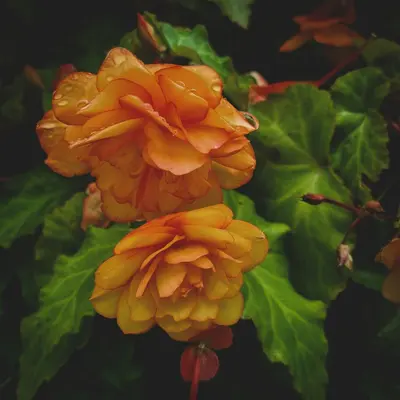
Sunday™ Orange
Uniform, productive plants. 3-5" long, bright orange, feathery spikes. Stems are yellow and orange-hued with light green leaves. Rich color complements high-summer and autumn arrangements. Raw, uncoated seed.
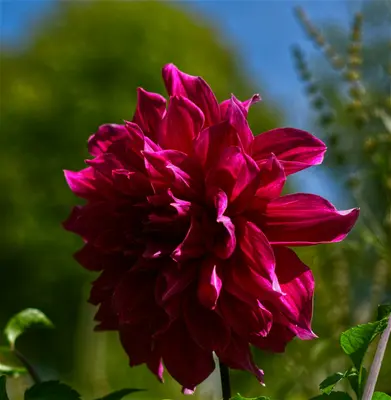
Sunday™ Wine Red
Uniform, productive plants. 3-5" long, deep red, feathery spikes on attractive, dark red stems and leaves. Plants are slightly more compact compared to others in the Sunday series. Raw, uncoated seed.
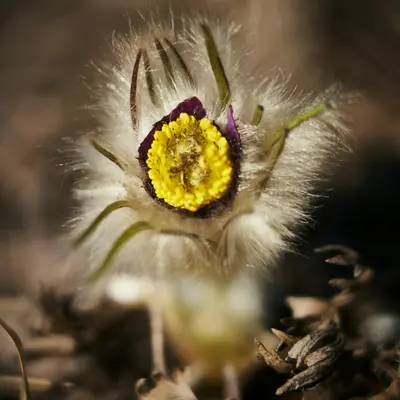
Sunflower Mammoth
The classic giant sunflower that creates stunning 12-inch flower heads on towering 12-foot stalks, making it perfect for creating natural privacy screens or dramatic garden backdrops. Children and adults alike are amazed by these impressive blooms that follow the sun throughout the day and produce abundant seeds for wildlife or roasting. This heirloom variety has been delighting gardeners since the 1800s with its reliable performance and impressive size.
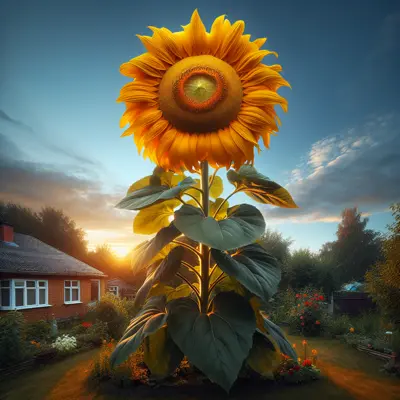
Sunflower Russian Mammoth
The giant of the sunflower world, this heirloom variety produces enormous flower heads up to 12 inches across on towering 10-foot stalks. Not only spectacular for garden displays and cut flowers, but also produces abundant large seeds perfect for snacking or feeding birds. A true showstopper that creates instant impact in any garden space.
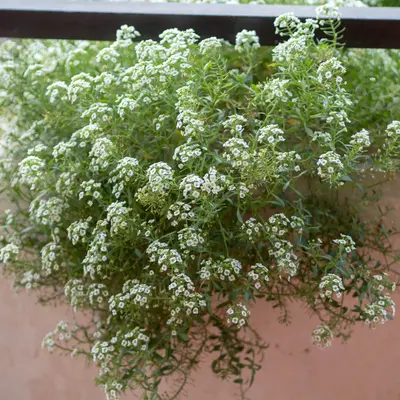
Sweet Alyssum
Sweet Alyssum is a delicate, low-growing flowering plant prized for its tiny, fragrant clustered blooms in white, pink, purple, or bicolor varieties. Reaching maturity in 50-60 days, it produces abundant flowers throughout the season. The defining characteristic is its sweet honey-like fragrance, which makes it exceptional for borders, containers, and pollinator gardens. Easy to grow and tolerant of poor soil, it thrives in full sun to partial shade and becomes a cheerful ground cover or edging plant. Heirloom varieties offer reliable performance and self-seeding capability.
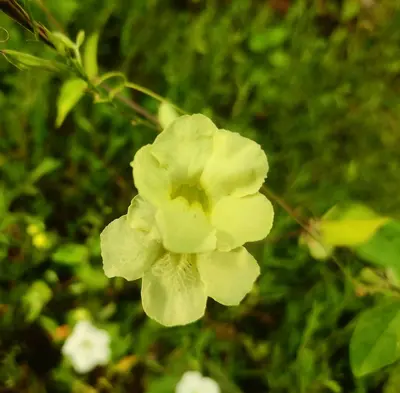
Sweet Pea Cupani
The original wild sweet pea discovered in Sicily in 1695, prized for its intensely sweet fragrance that modern hybrids can't match. These vigorous climbing vines produce smaller but incredibly aromatic flowers in deep purple and maroon, filling the entire garden with their heavenly scent. A must-have heirloom for cutting gardens and romantic cottage garden settings.
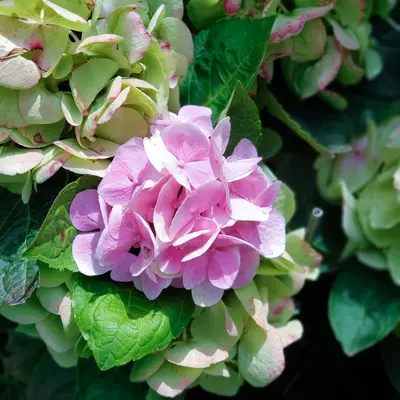
Sweet Pea Royal Mix
The epitome of old-fashioned garden romance, these climbing beauties produce intensely fragrant ruffled flowers that perfume the entire garden on cool mornings. Their sweet scent and pastel colors make them irresistible for cutting gardens and cottage garden schemes.
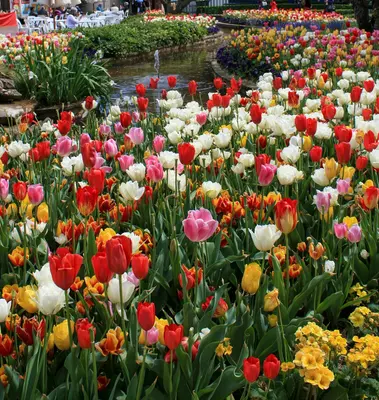
Sylphid
Highly uniform plants produce lemon-lime colored plumes that complement any color combination. Feathery plumes sit on tall, straight stems. Also known as cockscomb, Prince of Wales feather, and prince feather. Unauthorized reproduction and sale of seeds is prohibited by the breeder.
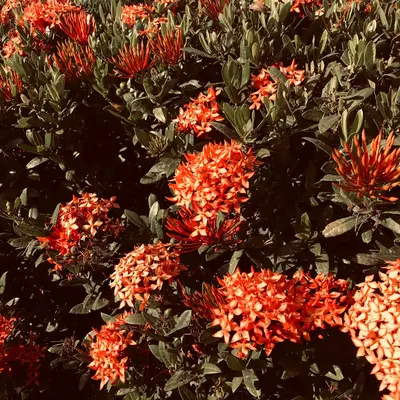
Tangerine Gem
Hundreds of petite flowers cover neat, low mounds of lacy foliage with a citrusy scent. Long-blooming for beds, borders and containers where it attracts beneficial insects, such as ladybugs, hoverflies, butterflies, predatory bugs, and parasitic wasps. Leaves of the plant are edible and are used as flavorful salad greens and garnish. Also known as signet marigold.Edible Flowers: Use the flowers to dress up salads and desserts or cooked in egg or rice dishes. Flavor is floral with hints of citrus and spice, and slightly bitter. Remove the petals from the flower base before consuming as the base can be quite bitter.
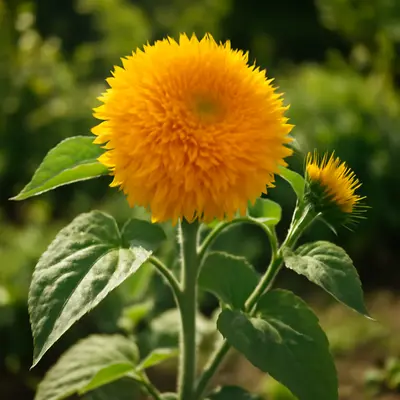
Teddy Bear
Like our other dwarfs, the final height depends on the size of the container. Expect 8-12" plants from seeds directly sown in a 4" pot. 35-42" in the garden; 14-25" long stems. Earliest of the teddy types in trial, this branching variety will host 3-5" sunny, shaggy blooms. Popular with children. Minimal pollen.
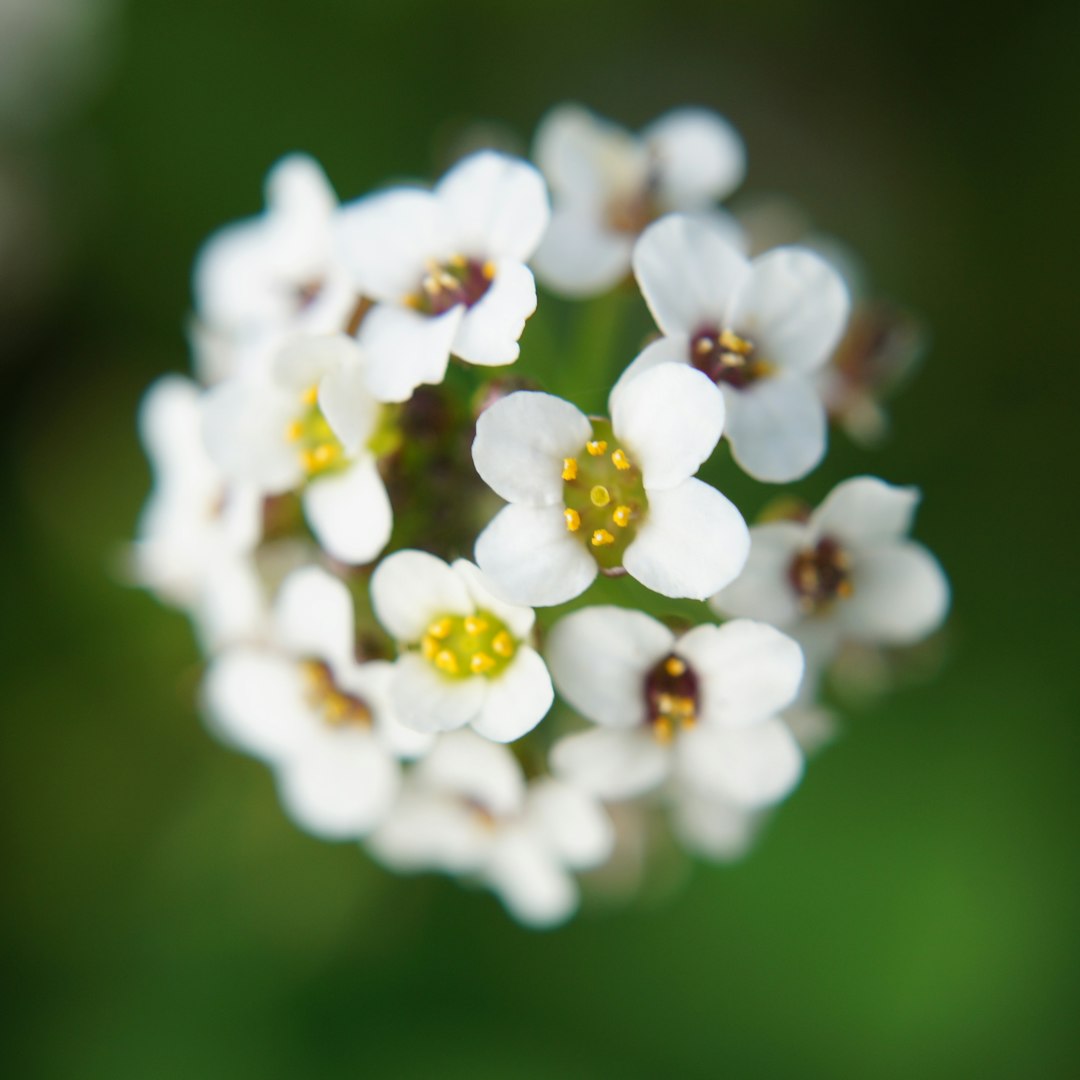
Tetra White
Fully double 3/4-1" blooms uniformly fill the top of the plant, making it a very productive cut flower. Blooms are pure white with citrus-yellow to lime-green centers. Tender or short-lived perennial in Zones 5-9. Also known as feverfew.
The Governor
Part of the Russell Hybrids 'Band of Nobles' series. The Governor has sweetly scented bicolor blooms in blue-purple with white. Plants produce multiple blooms with stiff, straight stems. In our trials, these first-year flowering plants bloomed in early July in the first year and about a month earlier (early June) from well-established plants in the second season of growing. Bloom quality and productivity were better in the second season, although all plants did produce flowers in the first season. Performs best where summers are cool. Attracts and provides a food source for bees and hummingbirds. 1-2' blooms/spikes are densely covered with ½" pea-like flowers. Lupine is typically resistant to deer and rabbits. Perennial in Zones 4-8.
Timeless Mix
Long-lasting 1-2" flower clusters add texture and interest to mixed bouquets. Mix includes lovely shades of red, pink, blue, and white, which complement any color scheme. Attracts bees and butterflies to the garden. Ideal for beds, containers, and cutting. For continuous blooms from early summer until frost, make 2-3 successive plantings. Ageratum is also known as flossflower.
Tower Blue
All the elegance and beauty of peonies and garden mums in an easy-to-grow annual. Deep silvery violet-colored blooms avg. 2-3" with 13-20 stems per plant. Tower features uniform bloom time and plant height across the series and mix. Also known as summer aster.
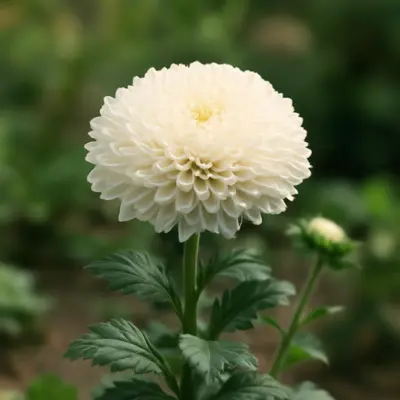
Tower Chamois
All the elegance and beauty of peonies and garden mums in an easy-to-grow annual. Creamy salmon-colored blooms avg. 2-3" with 13-20 stems per plant. Tower features uniform bloom time and plant height across the series and mix. Also known as summer aster.

Tower Custom Mix
All the elegance and beauty of peonies and garden mums in an easy-to-grow annual. Bloom size avg. 2-3" with 13-20 stems per plant. Tower features uniform bloom time and plant height across the series and mix. Colors include yellow, chamois, white, red, violet, silver, blue, cherry rose, dusty pink, light blue, and salmon. Colors are subject to slight variance due to seed availability. Also known as summer aster.
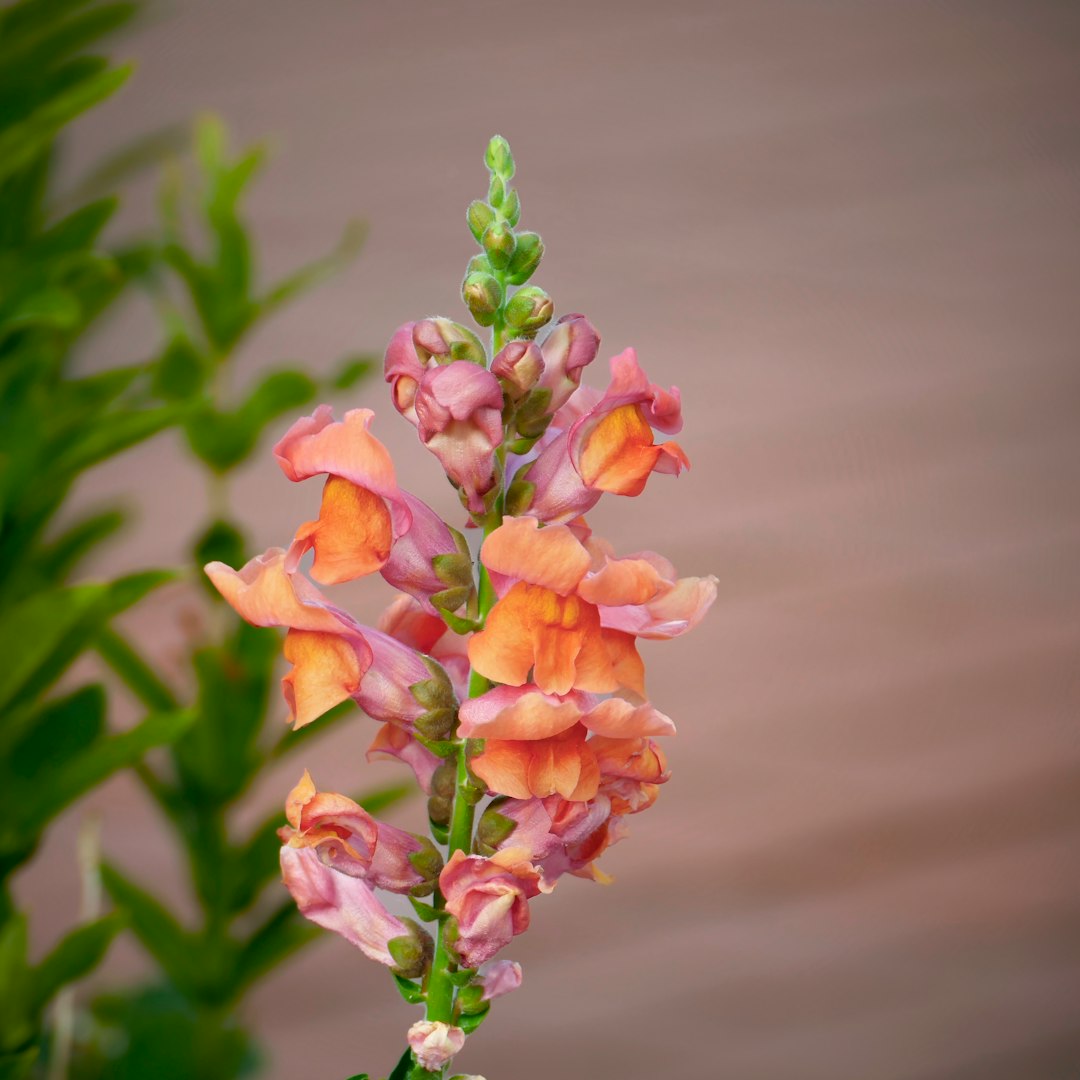
Tower Salmon
All the elegance and beauty of peonies and garden mums in an easy-to-grow annual. Salmon-pink colored blooms avg. 2-3" with 13-20 stems per plant. Tower features uniform bloom time and plant height across the series and mix. Also known as summer aster.
Tower Silver
All the elegance and beauty of peonies and garden mums in an easy-to-grow annual. Bicolor blooms in frosted white with lavender avg. 2-3" with 13-20 stems per plant. Tower features uniform bloom time and plant height across the series and mix. Also known as summer aster.
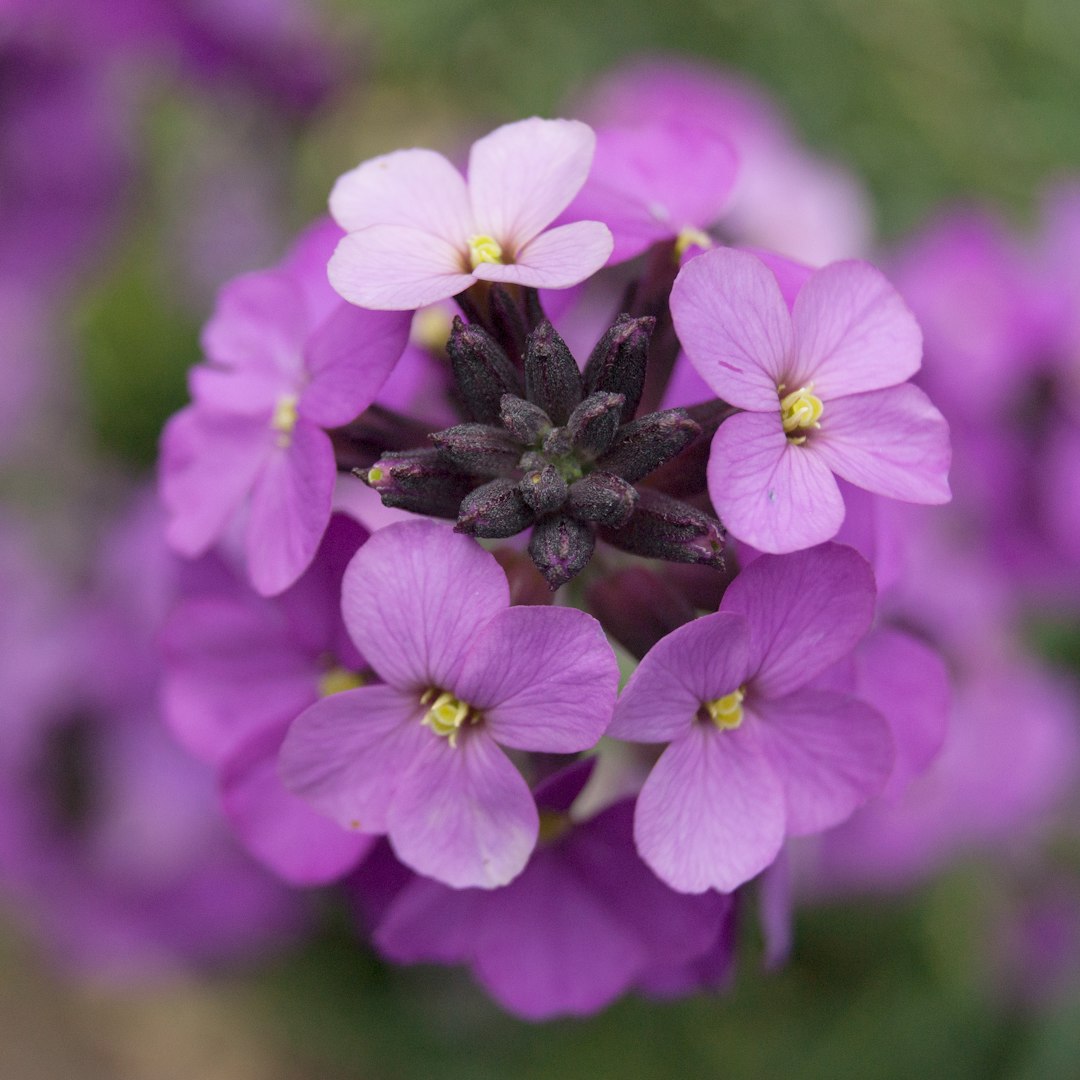
Tower Violet
All the elegance and beauty of peonies and garden mums in an easy-to-grow annual. Rich plum-colored blooms avg. 2-3" with 13-20 stems per plant. Tower features uniform bloom time and plant height across the series and mix. Also known as summer aster.
Tower White
All the elegance and beauty of peonies and garden mums in an easy-to-grow annual. Bright white blooms avg. 2-3" with 13-20 stems per plant. Tower features uniform bloom time and plant height across the series and mix. Also known as summer aster.

Tower Yellow
All the elegance and beauty of peonies and garden mums in an easy-to-grow annual. Buttercream-yellow blooms avg. 2-3" with 13-20 stems per plant. Tower features uniform bloom time and plant height across the series and mix. Also known as summer aster.
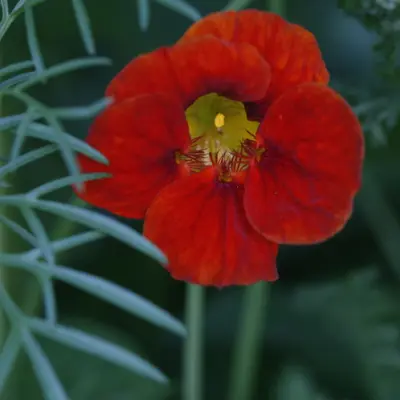
Trailing Nasturtium Mix
Flowers in red, rose, orange, and yellow. Perfect for hanging baskets and containers, or even as a ground cover. Will "climb" if tied to upright supports. Also known as garden nasturtium and Indian cress.Edible Flower: Use the flowers as garnishes, or stuff with soft cheese. The flowers can be minced and added to butters and the immature seed heads can be pickled. Nasturtiums are a popular choice for adding color to salad mix. Peppery-flavored foliage is also edible.
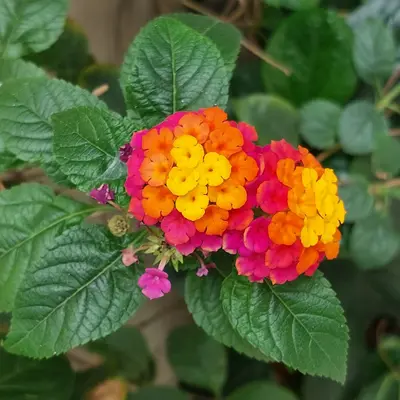
Triple Berry Mix
We've formulated this mix for the delicious, fruity color palette but also for improved uniformity and ease of harvest. While beautiful, some of the lighter colors (not included here) which are included in the full-color mixes can have a rangy or weak plant habit, making those mixes trickier to harvest. 1 1/2-2 1/2" blooms. Also known as pincushion flower or mourningbride.
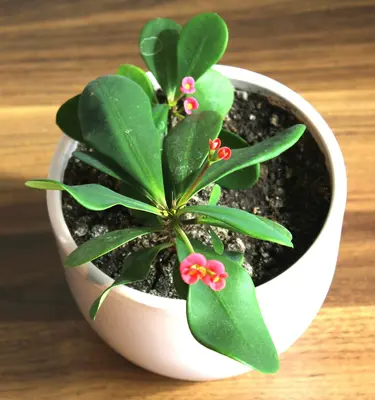
Valentine
Sturdy stems with 3-4" blooms. Valentine blooms later than Buttercream by approximately 10 days, making it a good choice for sowing at the same time for succession harvest of light yellow blooms. Valentine's stems are stronger, and petals are shorter, rounder, and more lemon-yellow in color than Buttercream's very pale blooms. Stem length is 25-45". Day neutral. Bears pollen; good for bee forage. Branching. FleuroSelect Quality Award Winner.
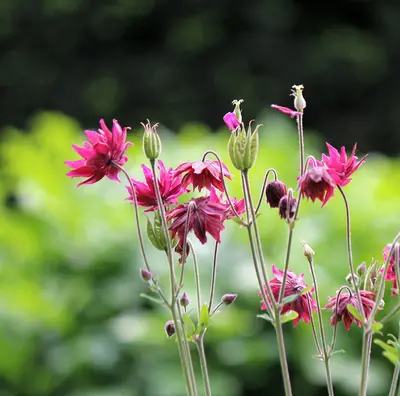
Valkyrie Brunhilde Chamois
Needle- or quilled-type blooms atop long, sturdy stems add a delicate appearance to arrangements. 3 1/2-5 1/2" flowers bloom in pastel apricot - a shade lighter than Tower Chamois. Easy to harvest due to the well-branched plants' open, airy habit. Long vase life. Also known as summer aster.
Valkyrie Mix
Needle- or quilled-type blooms atop long sturdy stems. Large, brightly colored, 3½ - 5½" flowers bloom in white, light yellow, pink, crimson, rose, and dark and light purple. Easy to harvest due to the well-branched plant's open airy habit. Long vase life. Also known as summer aster.
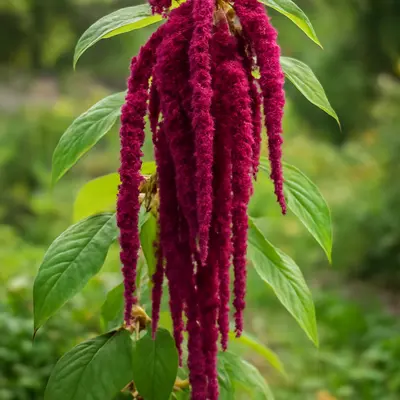
Velvet Curtains
Feathery plumes are slightly lighter in color when compared to Red Spike. Lovely color and form for late summer and fall arrangements. When plants are young and leaves are tender, the foliage makes a nice edible green. Also known simply as amaranth.
Verbena bonariensis
Multiple long, thin stems topped with clusters of 2" heads packed with tiny flowers. Blooms July to frost. Attracts bees and butterflies. Also known as purple top verbena, tall verbena, South American vervain, and purple-top verbena. Perennial in Zones 7-10 but can be grown as an annual.
Versailles Flush
Blooms are 2 1/2" across and the palest, blush pink. Strong, straight stems can withstand considerable handling. Produces under short days.
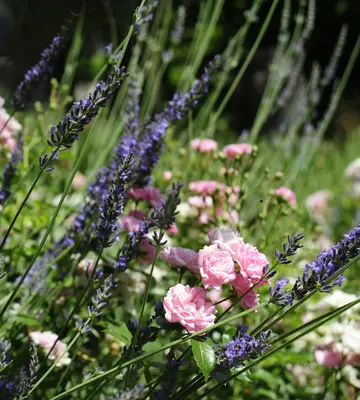
Versailles Mix
Early blooming and vigorous. Produces under short days and is also suitable for greenhouse culture during the winter. Strong stems can withstand considerable handling. Blooms are 2 1/2" across in shades of blush pink, pure white, carmine red, and pink with a deep pink eye. Cosmos are also known as garden cosmos.
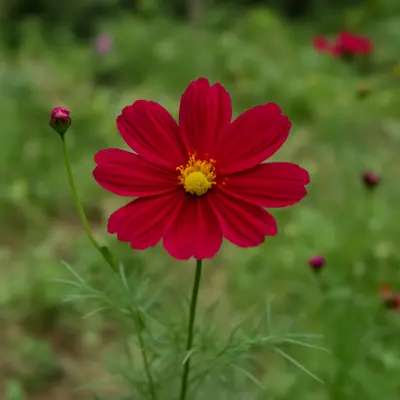
Versailles Red
Blooms are 2 1/2" across and are a beautiful, dark burgundy/magenta red color. Strong, straight stems can withstand considerable handling. Produces under short days.
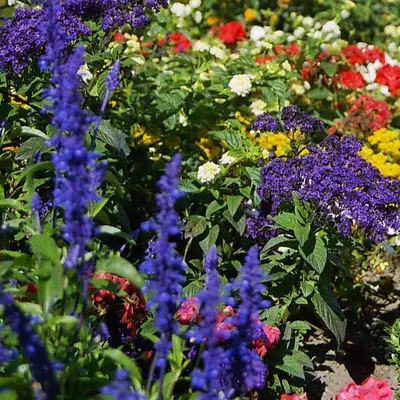
Victoria Blue
A bit shorter, a week later to flower, and a deeper blue than Gruppenblau. Uniform plants tolerate heat, humidity, and poor soils. Well-suited for mass plantings. Strong, thin stems are harvested fresh or dried when bottom 3-4 flowers open. Also known as mealycup sage and mealy-cup sage. Tender perennial in Zones 8-10.
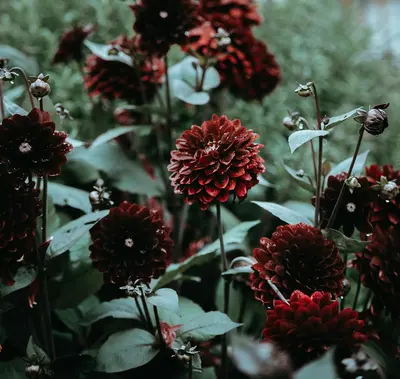
Vintage Brown
Tightly spaced florets on thick, strong, straight stems. Single-stem/column-type stock for one-cut harvest. Vintage Brown is not brown but rose-taupe in color. This variety (updated in 2023) is the newest version of Vintage Brown and has a slightly warmer color palette and a touch of light gold at the flower center, as opposed to the original Vintage Brown, which was fully rose in color.Produces about 55% double-flowering plants. Overall, very similar to the Iron series in performance. NOTE: This variety produces one flowering stem per plant. Pinching is not advisable as it will terminate flowering. Edible Flowers: The peppery, clove-like flavor of the flowers lends itself well to use as a garnish on salads, desserts, and drinks.
Vintage White
Tall, well-branched plants produce pure white, double flowers 2-2 1/2" across. Also known as bracted strawflower.
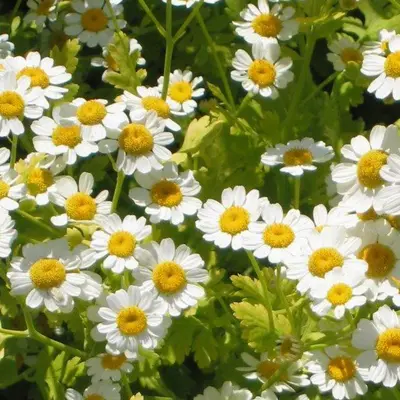
Virgo
Productive, uniform, and upright plants produce 1/2", round flowers. Before fully developed, blooms have ivory centers which turn pure white at maturity.
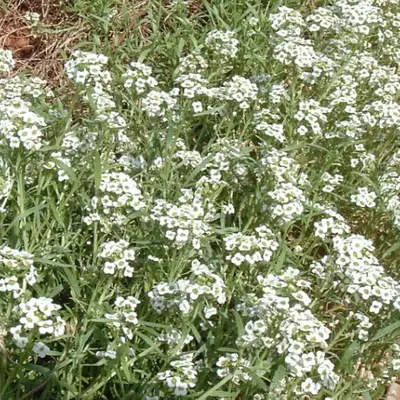
Wandering Mixture
Highly fragrant mix of soft pastel flowers in shades of white, lavender, purple, and pale yellow. Densely mounding plant habit. Plants are less vigorous, more compact, and have a more contained habit compared to our white Sweet Alyssum (#1932). Sweet alyssum is fast and low growing, trouble free, and low cost, making it a popular choice for use as beneficial insect habitat in vegetable and fruit production. Because of its very manageable plant habit, sweet alyssum is a good choice for beneficial planting in greenhouses and containers, in addition to outdoor production. Field-grown mixture. Tender perennial in Zones 9-11. Attracts and provides a food source for beneficial insects such as lacewings, parasitic wasps, syrphid flies, and tachinid flies.
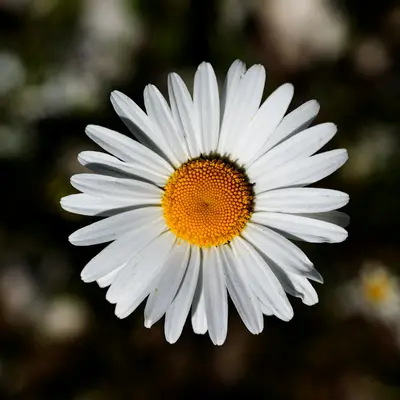
White Beauty
Sturdy and easy to grow. Stems are thicker, stronger, taller, and easier to manage than those of annual gypsophila, an otherwise similar flower. 3/4 to 1" pure white blooms float above gray-blue, waxy foliage. Branching plant habit. Also known as soapwort or cow soapwort.
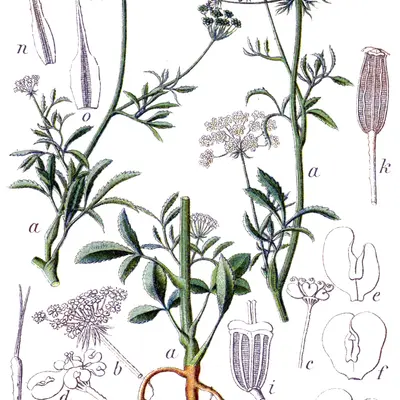
White Dill
Free-flowering plants bear a multitude of lacy flower heads 5-6" across. Flowers can be dyed in an assortment of colors. Also known as false Queen Anne's lace, lace flower, false bishop's weed, large bullwort, and bishop's weed. Attracts and supports beneficial insects such as lacewings, lady beetles, minute pirate bugs, syrphid flies, and parasitic wasps.
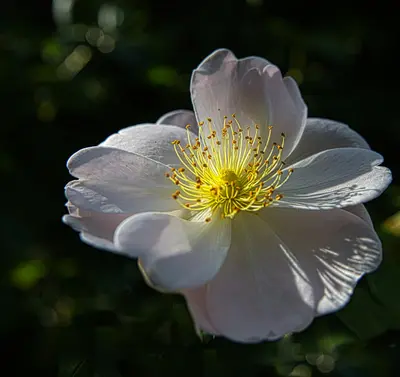
White Glitter
Attractive blooms with a metallic shine. Eryngium is a hardy perennial with long, sturdy stems. Tolerates hot, sunny locations. Plants produce flowers during the second year of growth and in subsequent years. Attracts bees, beneficial flies and wasps. Also known as plains eryngo and flat sea holly. Perennial in Zones 3-8.
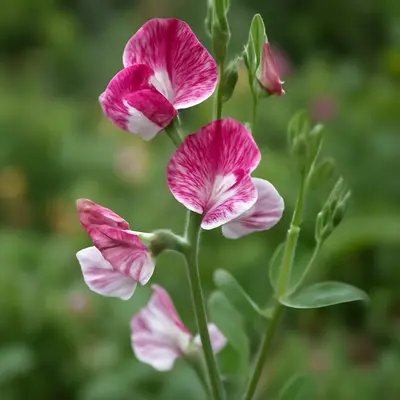
Wiltshire Ripple
From the Spencer series. Chocolate to cranberry streaks throughout and lining the petal edge. Plants produce 3-4 blooms per 9-12" stem. Highly fragrant. NOTE: Spencer series sweet peas are known as late-flowering because they require at least 12 hours of daylight, unlike more modern sweet pea varieties bred for winter production, which may require only 10-11 hours of daylight. Attracts hummingbirds.
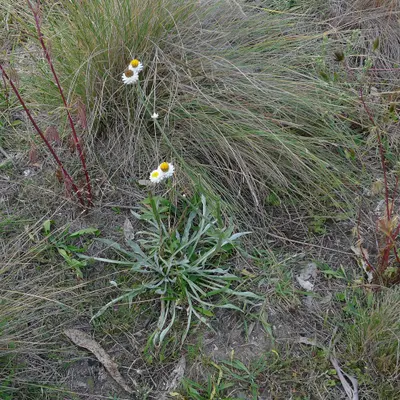
Winged Everlasting
The prolific 1/2- 3/4" silvery-white blooms on stiff stems are typically grown for dried-flower production but are also useful as fresh cuts for flower arrangements. The tiny blooms make an elegant addition to boutonnieres and floral crowns. As flowers mature, the papery white petals open to reveal bright-yellow centers. Flowers are typically harvested when half open, before the center is exposed. Winged Everlasting gets its name from ribbed, or winged stems the plant produces. Tender perennial in Zones 9-10 but most often grown as an annual. Once the flowers were fully open at our trial farm, we noticed lots of flying friends visiting the flowers, including hoverflies and wasps.
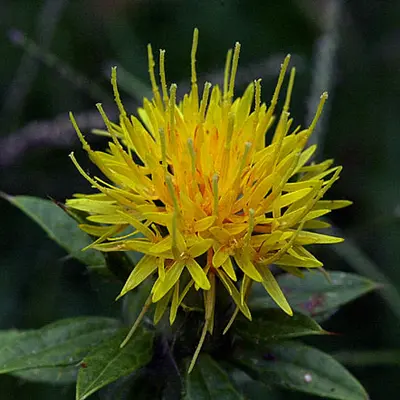
Zanzibar
Sturdy, straight stems and branching flower clusters store well and can be used fresh or dried. Stems are easily air-dried for arrangements. Fresh, dark green foliage and geometric buds add structure to mixed bouquets. Great in combination with sunflowers. This strain is nearly thornless for easy harvest. Tufted thistle-like flowers with oval leaves. Fiery orange-and-gold petals are edible and sometimes used as a substitute for saffron. Also known as safflower.
Zinderella Peach
2-2 1/2" fully double, semidouble, and approximately 20% single flowers. Unique salmon color with cream-to-rose petals and a distinct dark eye. Cut-and-come-again flower, yielding multiple cuts over the season.
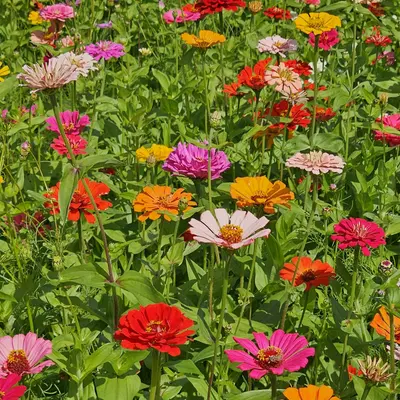
Zinnia Elegans Giant Dahlia Flowered Mix
A classic heirloom zinnia variety that produces enormous 5-6 inch blooms resembling dahlias in a spectacular range of colors including pink, red, orange, yellow, and white. These tall, sturdy plants are beloved by both gardeners and pollinators, creating impressive cut flower gardens and stunning backdrops in borders. The long-lasting blooms get better with heat and continue producing until the first hard frost.
Why These Flowers Work for Heirloom
Heirloom varieties are open-pollinated cultivars passed down for generations — prized for complex flavor, storied history, and seed-saving potential. These varieties let you save seeds and grow the same crop next year.