Queeny Red Lime
Zinnia elegans
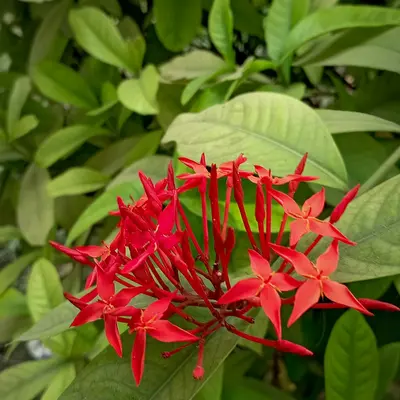
Wikimedia Commons via Zinnia elegans
These 2-3½" blooms have soft burgundy outer petals that gradually lighten to creamy lime centers. A mix of fully double and semidouble flowers with a small percentage of singles. Cut-and-come-again flower, yielding multiple cuts over the season. Previously and widely known as 'Queen Red Lime.' Over the years, as the breeder has developed new colors in the series, he has transitioned the series name from "Queen" to "Queeny." To respect his wishes, we have updated the product names accordingly.
Harvest
75-85d
Days to harvest
Sun
Full sun
Zones
2–11
USDA hardiness
Height
0-3 feet
Planting Timeline
Showing dates for Queeny Red Lime in USDA Zone 7
All Zone 7 flower →Zone Map
Click a state to update dates
Queeny Red Lime · Zones 2–11
Growing Details
Succession Planting
Direct sow every 2 to 3 weeks from April through mid-June in zone 7, stopping once daytime highs are consistently above 90°F — germination rates drop off and seedlings struggle to establish in that heat. A sow in late June can work in milder spots, but you're racing the first frost; zinnias need 75 to 85 days to flower and won't survive a hard freeze. For cut-flower production, staggering sowings every 14 days from April onward keeps blooms coming through early fall without a mid-summer gap.
Complete Growing Guide
These 2-3½" blooms have soft burgundy outer petals that gradually lighten to creamy lime centers. A mix of fully double and semidouble flowers with a small percentage of singles. Cut-and-come-again flower, yielding multiple cuts over the season. Previously and widely known as 'Queen Red Lime.' Over the years, as the breeder has developed new colors in the series, he has transitioned the series name from "Queen" to "Queeny." To respect his wishes, we have updated the product names accordingly. According to Johnny's Selected Seeds, Queeny Red Lime is 75 - 85 days to maturity, annual, open pollinated. Notable features: Use for Cut Flowers and Bouquets.
Light: Full sun (6 or more hours of direct sunlight a day). Soil: High Organic Matter, Loam (Silt). Soil pH: Acid (<6.0), Alkaline (>8.0), Neutral (6.0-8.0). Drainage: Good Drainage, Occasionally Dry. Height: 0 ft. 6 in. - 3 ft. 0 in.. Spread: 0 ft. 8 in. - 1 ft. 0 in.. Spacing: 12 inches-3 feet. Growth rate: Rapid. Maintenance: Medium. Propagation: Seed. Regions: Coastal, Mountains, Piedmont.
Harvesting
Queeny Red Lime reaches harvest at 75 - 85 days from sowing per Johnny's Selected Seeds. As an annual, harvest continues until frost ends the season.
Type: Achene.
Storage & Preservation
Fresh blooms last 7–10 days in a cool room (65–72°F) with clean water changed every 2–3 days. Use a flower preservative (homemade or commercial) to extend vase life and inhibit bacterial growth. Keep arrangements away from ripening fruit and direct sun to prevent premature wilting.
For preservation, air-dry blooms by hanging small bunches upside down in a warm, dark, well-ventilated space for 2–3 weeks. Dried Queeny Red Lime flowers retain their distinctive burgundy-to-lime color gradient beautifully and work wonderfully in dried arrangements that last indefinitely. Alternatively, press individual blooms between parchment paper under heavy books for 2–4 weeks to create flat flowers for crafts and pressed-flower arrangements.
History & Origin
Queeny Red Lime is open-pollinated, meaning seed saved from healthy plants will produce true-to-type offspring. Listed in the Johnny's Selected Seeds catalog.
Origin: Mexico
Advantages
- +Stunning burgundy-to-lime color gradient creates eye-catching two-tone blooms
- +Cut-and-come-again variety produces multiple harvests throughout the growing season
- +Double and semidouble flower forms provide excellent fullness and texture
- +Relatively quick maturity at 75-85 days from planting to bloom
- +Easy to grow with minimal experience required for success
Considerations
- -Semidouble and single flowers reduce consistency in premium cut-flower quality
- -Burgundy outer petals may fade or bleach in intense afternoon heat
Companion Plants
Marigolds are the most practical neighbor — their root secretions deter soil nematodes, and they tend to pull aphids away from zinnias as a trap crop. Sweet Alyssum draws in parasitic wasps that knock back whitefly populations, which zinnias can attract in warm weather. Cosmos share similar water and sun needs without crowding root space. Black Walnut is the one companion to avoid outright: juglone leaches through the soil from both roots and fallen debris, and Zinnia elegans is sensitive enough that plants within the drip line often stunt badly or fail to establish.
Plant Together
Marigolds
Repel nematodes, aphids, and whiteflies while attracting beneficial insects
Nasturtiums
Act as trap crops for aphids and cucumber beetles, natural pest deterrent
Sweet Alyssum
Attracts beneficial insects like lacewings and parasitic wasps for pest control
Lavender
Repels moths, fleas, and mosquitoes while attracting pollinators
Petunias
Natural pesticide properties, repel aphids, tomato hornworms, and squash bugs
Zinnia
Attracts beneficial predatory insects and butterflies for pollination
Catnip
Repels mosquitoes, ants, and rodents more effectively than DEET
Cosmos
Attracts beneficial insects and provides habitat for pest predators
Keep Apart
Black Walnut
Produces juglone toxin that inhibits growth and can kill sensitive plants
Eucalyptus
Releases allelopathic compounds that suppress nearby plant growth
Fennel
Inhibits growth of most garden plants through allelopathic root secretions
Sunflowers
Allelopathic effects can stunt growth of nearby smaller flowering plants
Troubleshooting Queeny Red Lime
What you'll see, why it happens, and what to do about it.
White powdery coating on leaves and stems, usually showing up mid-summer when nights cool down slightly
Likely Causes
- Powdery mildew (Erysiphe cichoracearum) — a fungal disease that spreads through airborne spores and thrives when humidity is high but leaves stay dry
- Overcrowded spacing that cuts off airflow between plants
What to Do
- 1.Space plants at least 12 inches apart — 18 is better if you've had mildew before
- 2.Water at the base, not overhead, and do it in the morning so any splash dries fast
- 3.Remove heavily infected leaves and dispose in the trash; spray remaining foliage with a diluted neem oil solution (2 tbsp per gallon) every 7 days
Chewed or raggedly notched petals and leaves, with small metallic green-bronze beetles visible on the flowers
Likely Causes
- Japanese beetle (Popillia japonica) — they're drawn to open flowers in full sun and can strip a zinnia bloom in a day or two
What to Do
- 1.Knock beetles into a bucket of soapy water in the early morning when they're sluggish — this is genuinely more effective than it sounds
- 2.Avoid Japanese beetle traps near your zinnia patch; they attract more beetles than they catch
- 3.Row cover works if you're growing zinnias for cut flowers and don't need pollinator access
Stems collapsing at soil level on young seedlings, usually within the first 2 weeks after germination
Likely Causes
- Damping off — most often caused by Pythium or Rhizoctonia fungi in overly wet, poorly drained germination media
- Starting seeds in trays that weren't cleaned between uses
What to Do
- 1.Use a fresh, sterile seed-starting mix every season — don't reuse old trays of soil
- 2.Water from the bottom by setting trays in a shallow pan rather than pouring from overhead
- 3.Run a small fan on low near seedling trays; Pythium and Rhizoctonia both struggle in moving air
Frequently Asked Questions
How long does Queeny Red Lime take to bloom from seed?▼
Is Queeny Red Lime good for beginners?▼
Can you grow Queeny Red Lime in containers?▼
How often should I harvest Queeny Red Lime flowers?▼
What's the difference between Queeny Red Lime and 'Queen Red Lime' (the old name)?▼
How long do cut flowers last in a vase?▼
Zone-by-Zone Planting Calendar
| Zone | Indoor Start | Transplant | Direct Sow | Harvest |
|---|---|---|---|---|
| Zone 3 | April – May | June – July | June – August | — |
| Zone 4 | March – April | June – June | June – July | — |
| Zone 5 | March – April | May – June | May – July | — |
| Zone 6 | March – April | May – June | May – July | — |
| Zone 7 | February – March | April – May | April – June | — |
| Zone 8 | February – March | April – May | April – June | — |
| Zone 9 | January – February | March – April | March – May | — |
| Zone 10 | January – January | February – March | February – April | — |
| Zone 1 | May – June | July – August | July – September | — |
| Zone 2 | April – May | June – July | June – August | — |
| Zone 11 | January – January | January – February | January – March | — |
| Zone 12 | January – January | January – February | January – March | — |
| Zone 13 | January – January | January – February | January – March | — |
Growing Guides from Wind River Greens
Sources & References
External authority sources used in compiling this guide.
- BreederJohnny's Selected Seeds
See the Methodology page for how this data is sourced, what's AI-assisted, and known limitations.