Magic Fountains Cherry Blossom
Delphinium elatum
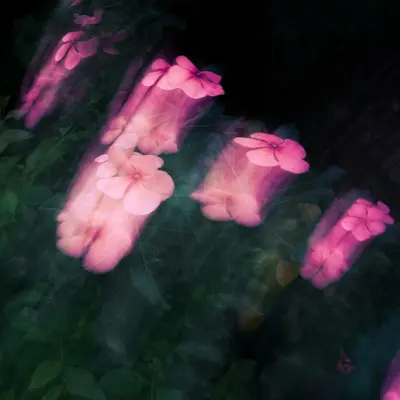
Pastel blooms with white centers (bees). Soft lilac-pink color works especially well for spring bouquets and design work. Dwarf Pacific type with full florets and tight internodes. Magic Fountains' sturdy, compact plants will tolerate windy locations. Attracts bees and butterflies. This species of delphinium is also known as candle larkspur. Perennial in Zones 3-7.
Harvest
105-125d
Days to harvest
Sun
Full sun
Zones
3–7
USDA hardiness
Height
3-5 feet
Planting Timeline
Showing dates for Magic Fountains Cherry Blossom in USDA Zone 7
All Zone 7 flower →Zone Map
Click a state to update dates
Magic Fountains Cherry Blossom · Zones 3–7
Growing Details
Complete Growing Guide
Pastel blooms with white centers (bees). Soft lilac-pink color works especially well for spring bouquets and design work. Dwarf Pacific type with full florets and tight internodes. Magic Fountains' sturdy, compact plants will tolerate windy locations. Attracts bees and butterflies. This species of delphinium is also known as candle larkspur. Perennial in Zones 3-7. According to Johnny's Selected Seeds, Magic Fountains Cherry Blossom is 105 - 125 days to maturity, perennial, open pollinated. Notable features: Use for Cut Flowers and Bouquets, Attracts Beneficial Insects.
Light: Full sun (6 or more hours of direct sunlight a day). Soil: High Organic Matter. Soil pH: Alkaline (>8.0). Drainage: Good Drainage. Height: 3 ft. 0 in. - 5 ft. 0 in.. Spread: 2 ft. 0 in. - 3 ft. 0 in.. Spacing: 12 inches-3 feet, 3 feet-6 feet. Growth rate: Medium. Maintenance: Medium. Propagation: Seed. Regions: Mountains, Piedmont.
Harvesting
Magic Fountains Cherry Blossom reaches harvest at 105 - 125 days from sowing per Johnny's Selected Seeds.
Edibility: Toxic if eaten.
Storage & Preservation
Freshly cut Magic Fountains Cherry Blossom spikes last longest in a cool location with indirect light. Remove lower leaves and split the stem base before placing in a clean vase filled with cool water mixed with floral preservative. Refresh water every 2-3 days. Vase life is typically 10-14 days.
For preservation, air-drying is ideal: bundle 5-7 stems together and hang upside-down in a warm, dark, well-ventilated space (attic, garage) for 2-3 weeks until papery-dry. Dried Magic Fountains retain their soft pink color beautifully and hold in arrangements for months. Alternatively, press individual florets between parchment for delicate herbarium or craft use. Freeze fresh blooms in ice cubes for decorative cocktails or specialty uses, though they won't retain shape for arrangements. Store dried spikes in acid-free boxes in a dry environment away from direct sunlight.
History & Origin
Magic Fountains Cherry Blossom is open-pollinated, meaning seed saved from healthy plants will produce true-to-type offspring. Listed in the Johnny's Selected Seeds catalog.
Origin: Europe to Mongolia
Advantages
- +Soft lilac-pink pastel blooms create stunning spring bouquets and floral designs.
- +Dwarf compact habit thrives in windy locations without staking needed.
- +Attracts bees and butterflies while providing long-lasting garden color display.
- +Full florets with tight internodes create dense, professional-looking flower spikes.
- +Cold-hardy perennial thriving in Zones 3-7 for reliable year-after-year growth.
Considerations
- -Long 105-125 day growing period requires patience before flowering begins.
- -Delphiniums susceptible to powdery mildew in humid or poorly ventilated areas.
- -Requires well-draining soil; clay-heavy or waterlogged conditions cause root rot.
- -Deer and slugs frequently damage young foliage and emerging flower spikes.
Companion Plants
Marigolds and sweet alyssum are the most practical companions here. French marigold varieties like 'Lemon Drop' release thiophenes from their roots, which deter soil nematodes, and their scent disrupts aphid host-finding — aphids are a persistent problem on delphinium new growth. Sweet alyssum draws in Braconid wasps and hoverflies that actively predate aphid colonies, and it stays low enough (6–8 inches) that it won't shade out a 3-to-5-foot spike. Catmint along the border edge shares the same well-drained soil preference that keeps delphinium crowns from rotting, and it pulls in predatory insects through most of the season.
Skip any planting within 50 feet of black walnut — juglone leaches through the soil from both roots and decomposing leaf litter and is directly toxic to delphiniums. Fennel is a subtler problem: its root exudates suppress neighboring plants, and it tends to seed aggressively enough that by year two it's crowding out whatever you planted near it.
Plant Together
Marigolds
Repel aphids, whiteflies, and nematodes while attracting beneficial insects
Sweet Alyssum
Attracts beneficial insects like lacewings and provides ground cover
Nasturtiums
Act as trap crops for aphids and flea beetles, drawing pests away
Catmint
Deters ants, aphids, and rodents while attracting pollinators
Lavender
Repels moths, fleas, and mosquitoes with aromatic oils
Chives
Repel aphids and Japanese beetles with strong sulfur compounds
Cosmos
Attract beneficial predatory insects and provide habitat for pest controllers
Petunias
Repel aphids, tomato hornworms, and squash bugs naturally
Keep Apart
Black Walnut Trees
Release juglone toxin that inhibits growth and causes wilting
Eucalyptus
Produces allelopathic compounds that suppress nearby plant growth
Fennel
Inhibits growth of most garden plants through allelopathic root secretions
Pests & Disease Resistance
Common Pests
Slugs, spider mites, aphids
Diseases
Powdery mildew, crown rot in poorly drained soil
Troubleshooting Magic Fountains Cherry Blossom
What you'll see, why it happens, and what to do about it.
Ragged holes chewed in leaves and stems near soil level, damage worse after wet nights
Likely Causes
- Slugs — they hide under mulch or debris during the day and feed at night
- Crown rot (Phytophthora or Pythium spp.) starting at the base, which can look like chewing damage early on
What to Do
- 1.Set out shallow traps filled with cheap beer at dusk — slugs fall in and drown; check and empty every morning
- 2.Scatter iron phosphate bait (Sluggo) around the base; it's safe around pets and won't hurt beneficial insects
- 3.Pull mulch 2–3 inches back from the crown so the base stays drier and slugs have less cover
White powdery coating on upper leaf surfaces, usually appearing mid-summer when nights cool down
Likely Causes
- Powdery mildew (Erysiphe cichoracearum) — spreads via airborne spores, gets worse with poor airflow and crowded spacing
What to Do
- 1.Space plants at least 18 inches apart to improve airflow — crowding at 12 inches is fine early but mildew risk climbs fast in humid stretches
- 2.Spray affected foliage with a diluted baking soda solution (1 tablespoon per gallon of water) or a potassium bicarbonate product at first sign
- 3.After bloom, cut stalks back to basal foliage — this removes the worst-infected tissue and often triggers a cleaner flush of new leaves
Leaves stippled with tiny yellow or bronze dots, fine webbing visible on undersides in dry weather
Likely Causes
- Two-spotted spider mites (Tetranychus urticae) — populations explode in hot, dry conditions above 85°F
What to Do
- 1.Blast the undersides of leaves hard with water from a hose — do this 3 days in a row to knock mites off and disrupt egg cycles
- 2.Apply insecticidal soap or neem oil to leaf undersides in the evening; repeat every 5–7 days until populations drop
- 3.Keep soil consistently moist during heat — drought-stressed delphiniums are far more susceptible to mite damage
Frequently Asked Questions
How tall does Magic Fountains Cherry Blossom delphinium grow?▼
Can you grow Magic Fountains Cherry Blossom in containers?▼
When should I plant Magic Fountains Cherry Blossom seeds?▼
How long does Magic Fountains Cherry Blossom take to bloom from seed?▼
Is Magic Fountains Cherry Blossom good for beginners?▼
What's the difference between Magic Fountains and other delphinium varieties?▼
Zone-by-Zone Planting Calendar
| Zone | Indoor Start | Transplant | Direct Sow | Harvest |
|---|---|---|---|---|
| Zone 1 | May – June | July – August | July – September | — |
| Zone 2 | April – May | June – July | June – August | — |
| Zone 11 | January – January | January – February | January – March | — |
| Zone 12 | January – January | January – February | January – March | — |
| Zone 13 | January – January | January – February | January – March | — |
| Zone 3 | April – May | June – July | June – August | — |
| Zone 4 | March – April | June – June | June – July | — |
| Zone 5 | March – April | May – June | May – July | — |
| Zone 6 | March – April | May – June | May – July | — |
| Zone 7 | February – March | April – May | April – June | — |
| Zone 8 | February – March | April – May | April – June | — |
| Zone 9 | January – February | March – April | March – May | — |
| Zone 10 | January – January | February – March | February – April | — |
Growing Guides from Wind River Greens
Sources & References
External authority sources used in compiling this guide.
- ExtensionNC State Extension
- BreederJohnny's Selected Seeds
See the Methodology page for how this data is sourced, what's AI-assisted, and known limitations.