Elegance Lavender
Lathyrus odoratus
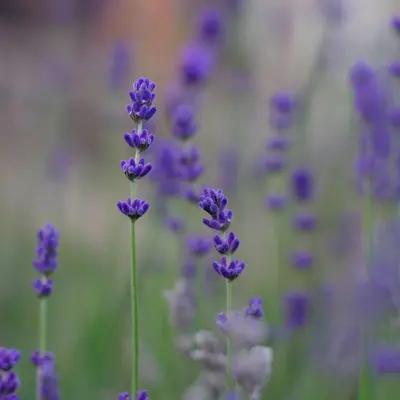
Light lilac colored blooms. In our trials, Elegance Lavender is typically a few days later than other colors in the series. Developed for flowering under short days, low light conditions, and in cool greenhouses. Suitable for spring or midwinter production. Long stems bear 3-5 blooms. Formerly called Winter Elegance. Can be spelled either as sweet pea or sweetpea. Attracts hummingbirds.
Harvest
75-85d
Days to harvest
Sun
Full sun
Zones
2–11
USDA hardiness
Height
3-8 feet
Planting Timeline
Showing dates for Elegance Lavender in USDA Zone 7
All Zone 7 flower →Zone Map
Click a state to update dates
Elegance Lavender · Zones 2–11
Growing Details
Succession Planting
Sweet peas are a one-flush crop — each plant blooms for a season and is done, so succession sowing is worth doing if you want continuous cut flowers. In zone 7, sow indoors every 3 weeks from February through early March, then direct sow outdoors from April through early June. Stop sowing once daytime highs are consistently above 80°F; seeds germinate poorly in warm soil and plants that do emerge will bolt straight to seed without giving you much bloom.
Nick the seed coat lightly with a file or soak seeds in water for 24 hours before sowing — it cuts germination time noticeably, often getting you to sprout in 7 days instead of 14. For the latest-season succession, direct sow into the ground in early April rather than transplanting; sweet peas resent root disturbance once they've put down a taproot.
Complete Growing Guide
Starting Elegance Lavender requires timing consideration, particularly if you plan to capitalize on this variety's strength in cool-season production. For spring flowering, direct sow seeds outdoors two to three weeks before your last frost date, as the cool soil will encourage germination. Alternatively, start seeds indoors four to six weeks before your last frost and transplant seedlings outside once they've developed their first true leaves. The variety's designation as a short-day, low-light performer makes it exceptional for midwinter production in controlled greenhouse settings, where you can sow seeds in late summer for winter blooms. Direct sowing remains the preferred method for most gardeners, as these sweetpeas resent transplanting due to their sensitive root systems.
Prepare soil that drains well and incorporates organic matter such as compost or aged manure, aiming for a pH between 6.0 and 7.0. Sow seeds directly one inch deep, spacing them two inches apart initially, then thin seedlings to six inches apart once they emerge. While Elegance Lavender can reach heights between three and eight feet depending on growing conditions, provide sturdy trellising from the start, as these plants will vigorously climb and sprawl without support.
Water consistently throughout the growing season, providing approximately one inch per week through rainfall or irrigation. During the cooler months when Elegance Lavender thrives, evaporation rates are lower, so monitor soil moisture carefully to avoid waterlogging. Once flowering begins, increase watering if conditions are dry, as flower production demands consistent moisture. Feed every two to three weeks with a balanced, all-purpose fertilizer once plants are established and flowering has commenced. Avoid high-nitrogen formulations, which encourage foliage at the expense of blooms.
Watch for spider mites, which occasionally plague this variety despite its general hardiness, particularly in drier greenhouse environments where Elegance Lavender is being forced for winter production. Monitor leaf undersides for fine webbing and stippled foliage. Powdery mildew can develop on plants stressed by poor air circulation, so ensure adequate spacing and ventilation. Root rot remains a concern if drainage is inadequate, especially during winter production when soil dries more slowly.
The most common mistake gardeners make with Elegance Lavender is neglecting deadheading. Remove spent flowers regularly—ideally every two to three days—to extend the flowering period and maximize the long stems that bear three to five blooms. This single practice dramatically increases your harvest window and encourages continuous production through the season.
For extended bloom throughout spring or winter, consider succession planting every two weeks, staggering sowings to ensure continuous flowering. The seventy-five-day maturity means strategic timing creates overlapping harvests when multiple plantings are in cultivation simultaneously.
Harvesting
Elegance Lavender reaches harvest at 75 - 85 days from sowing per Johnny's Selected Seeds. As an annual, harvest continues until frost ends the season.
Type: Legume.
Edibility: Sweet pea fruits are inedible and poisonous to humans.
Storage & Preservation
Fresh-cut Elegance Lavender stems remain vibrant for 2–3 weeks in cool water (50–60°F) with daily water changes and 1–2 inches trimmed from the stem base every 2–3 days. Keep arrangements away from fruit and ripening ethylene sources. For long-term preservation, hang-dry bundles in a warm (65–75°F), well-ventilated space away from direct sunlight; drying typically takes 2–3 weeks. Once fully dry, store bundles in sealed containers in a cool, dark place for up to 1 year while retaining color and fragrance.
Alternatively, you can press individual blooms between parchment paper under light weight for 2–4 weeks, then store in airtight containers with silica gel for craft projects or pressed-flower arrangements. Dried Elegance Lavender also infuses well into oils and vinegars (submerge dried stems in carrier oil or vinegar for 2–4 weeks, strain, and store in cool darkness) for aromatherapy or decorative purposes.
History & Origin
Elegance Lavender is open-pollinated, meaning seed saved from healthy plants will produce true-to-type offspring. Listed in the Johnny's Selected Seeds catalog.
Origin: Southern Italy, Sicily, Crete
Advantages
- +Light lilac blooms provide elegant color variety for floral arrangements
- +Performs reliably in cool greenhouses with low light conditions
- +Long stems bearing multiple blooms maximize cut flower yield
- +Ideal for winter and spring production schedules year-round
- +Attracts hummingbirds adding ornamental garden appeal
Considerations
- -Flowers several days later than other Elegance series colors
- -Requires cool greenhouse conditions limiting warm-climate cultivation options
- -Short vase life typical of sweet pea varieties
Companion Plants
Rosemary, thyme, sage, and catmint are good neighbors for Elegance Lavender for a few overlapping reasons. Their aromatic volatile oils disrupt the scent cues aphids use to locate host plants — aphid pressure tends to be noticeably lower when these herbs grow within a foot or two of the vines. They also share a preference for well-drained, drier conditions, so you won't be fighting competing water needs. Marigolds (Tagetes spp.) and alliums pull similar duty, drawing in predatory insects like lacewings that keep spider mite populations from building up quietly.
Mint is the main one to keep out of the bed — it spreads via underground runners and will muscle sweet peas out before you catch it happening. Impatiens and ferns are a mismatch for a different reason: both want consistently moist, shaded conditions, while Elegance Lavender needs 6+ hours of sun and soil that dries between waterings to flower well. Put them together and you'll be making compromises that hurt both plants.
Plant Together
Rosemary
Similar water and soil requirements, both repel pests and attract pollinators
Thyme
Complementary growth habits, shared preference for well-draining soil and full sun
Sage
Similar Mediterranean growing conditions, both deter rabbits and deer
Catmint
Repels ants and rodents, attracts beneficial insects, similar sun and water needs
Marigold
Deters nematodes and aphids, adds complementary color contrast
Oregano
Shared preference for alkaline, well-draining soil and drought tolerance
Sedum
Similar drought tolerance and well-draining soil requirements
Allium
Repels aphids and other pests, complementary bloom times and colors
Keep Apart
Mint
Aggressive spreading habit can overwhelm lavender, prefers moister conditions
Impatiens
Requires frequent watering which can cause root rot in lavender
Ferns
Need consistently moist, shaded conditions opposite to lavender's requirements
Pests & Disease Resistance
Common Pests
Spider mites, aphids
Diseases
Root rot, powdery mildew, fungal leaf spots
Troubleshooting Elegance Lavender
What you'll see, why it happens, and what to do about it.
Fine webbing on stems and leaf undersides, leaves looking dusty or stippled, around mid-summer
Likely Causes
- Spider mites (Tetranychus urticae) — thrive in hot, dry conditions above 85°F
- Stressed or drought-weakened plants, which mites preferentially attack
What to Do
- 1.Blast the undersides of leaves with a strong stream of water every 2-3 days to knock mite populations back
- 2.Apply insecticidal soap or neem oil in the evening — full coverage of leaf undersides is what matters, not a light misting
- 3.Keep soil consistently moist during heat spikes; stressed plants are more vulnerable
White powdery coating on upper leaf surfaces, usually appearing once nights cool back down in late summer
Likely Causes
- Powdery mildew (Erysiphe spp.) — spores spread in dry air with high humidity swings, not from wet soil
- Crowded plantings with poor airflow between vines
What to Do
- 1.Strip and bag the worst-affected leaves — don't compost them
- 2.Spray remaining foliage with a baking soda solution (1 tablespoon per gallon of water plus a few drops of dish soap) every 7 days
- 3.Space new plantings at least 18 inches apart next season and train vines up a trellis so air moves through
Wilting despite adequate watering, stems turning brown or mushy at the soil line
Likely Causes
- Root rot (Phytophthora or Pythium spp.) from waterlogged or poorly draining soil
- Planting in a low spot where water pools after rain
What to Do
- 1.Pull the affected plant — once the crown has rotted, the vine won't recover
- 2.Amend the bed with coarse perlite or compost before replanting to improve drainage
- 3.In future sowings, let the top inch of soil dry out between waterings and avoid overhead irrigation late in the day
Frequently Asked Questions
How long does Elegance Lavender take to grow and bloom?▼
Is Elegance Lavender easy to grow from seed for beginners?▼
Can I grow Elegance Lavender in containers or pots?▼
What's the difference between Elegance Lavender and other Elegance series colors?▼
When should I plant Elegance Lavender seeds for spring and winter blooms?▼
Why is Elegance Lavender called 'Winter Elegance' and does the name matter?▼
Zone-by-Zone Planting Calendar
| Zone | Indoor Start | Transplant | Direct Sow | Harvest |
|---|---|---|---|---|
| Zone 1 | May – June | July – August | July – September | — |
| Zone 2 | April – May | June – July | June – August | — |
| Zone 11 | January – January | January – February | January – March | — |
| Zone 12 | January – January | January – February | January – March | — |
| Zone 13 | January – January | January – February | January – March | — |
| Zone 3 | April – May | June – July | June – August | — |
| Zone 4 | March – April | June – June | June – July | — |
| Zone 5 | March – April | May – June | May – July | — |
| Zone 6 | March – April | May – June | May – July | — |
| Zone 7 | February – March | April – May | April – June | — |
| Zone 8 | February – March | April – May | April – June | — |
| Zone 9 | January – February | March – April | March – May | — |
| Zone 10 | January – January | February – March | February – April | — |
Growing Guides from Wind River Greens
Sources & References
External authority sources used in compiling this guide.
- BreederJohnny's Selected Seeds
See the Methodology page for how this data is sourced, what's AI-assisted, and known limitations.