Teddy Bear
Helianthus annuus
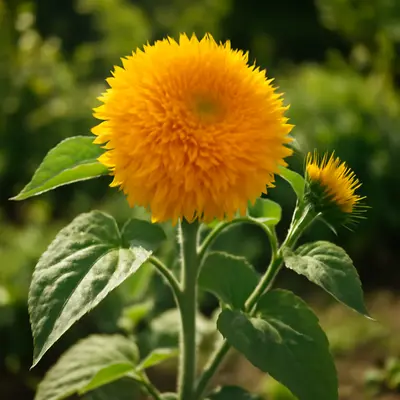
Like our other dwarfs, the final height depends on the size of the container. Expect 8-12" plants from seeds directly sown in a 4" pot. 35-42" in the garden; 14-25" long stems. Earliest of the teddy types in trial, this branching variety will host 3-5" sunny, shaggy blooms. Popular with children. Minimal pollen.
Harvest
65-75d
Days to harvest
Sun
Full sun
Zones
2–11
USDA hardiness
Height
1-10 feet
Planting Timeline
Showing dates for Teddy Bear in USDA Zone 7
All Zone 7 flower →Zone Map
Click a state to update dates
Teddy Bear · Zones 2–11
Growing Details
Succession Planting
Direct sow every 14-21 days from April through early June in zone 7 to keep blooms coming through late summer. One sowing gives you roughly a 2-week window of peak bloom before the flowers start to go over, so stagger your plantings rather than putting everything in at once. Stop sowing by late June — seeds started after that point tend to produce smaller flowers, and the plants won't hit their stride before the first frost cuts them down at 65-75 days out.
If you're growing Teddy Bear strictly as an ornamental (not for cutting), one or two sowings in April and May is usually enough. An April 1 direct sow puts flowers on you by mid-June; a May 15 sowing carries you into August.
Complete Growing Guide
Teddy Bear sunflowers are wonderfully adaptable to both indoor starting and direct sowing, giving you flexibility based on your garden timeline. For earliest blooms, start seeds indoors 4-6 weeks before your last frost date, sowing them into seed-starting mix about half an inch deep. Alternatively, direct sow seeds outdoors after all frost danger has passed and soil has warmed to at least 50°F, which typically aligns with your region's last spring frost date. Direct sowing often produces sturdier, more branched plants, which is particularly beneficial for Teddy Bear since this variety's branching habit is one of its defining characteristics.
Space Teddy Bear seeds or seedlings 12-18 inches apart in well-draining garden soil enriched with compost or aged manure. Sunflowers aren't fussy about soil pH, but they do dislike waterlogged conditions. Sow seeds about three-quarters of an inch deep, slightly deeper than many small seeds, which helps anchor them and improves germination. If starting in containers, a 4-inch pot will produce compact 8-12 inch plants, perfect for patios and small spaces, while garden plantings typically reach 35-42 inches with sturdy 14-25 inch stems suitable for cutting.
Water newly sown seeds consistently until seedlings emerge, then establish a regular watering schedule of about one inch per week, either through rainfall or irrigation. Once plants are established, Teddy Bear's relatively shallow root system benefits from consistent moisture rather than feast-or-famine watering. Feed with a balanced, all-purpose fertilizer when plants reach about 12 inches tall, then again once flower buds appear. Avoid excess nitrogen, which can promote leafy growth at the expense of blooms.
Teddy Bear's minimal pollen makes it exceptionally popular with children and those with pollen sensitivities, but this trait doesn't affect pest susceptibility. Watch for aphids on young growth and spider mites during hot, dry spells—both favor this variety's tender foliage. Powdery mildew occasionally appears on the leaves but rarely causes serious problems in well-spaced plantings with good air circulation. Regular inspections catch infestations early.
One technique that dramatically improves Teddy Bear's performance is pinching out the central growing tip when plants reach 6-8 inches tall. This simple action stimulates the branching habit for which this variety is celebrated, resulting in more of those charming 3-5 inch shaggy blooms rather than a single central flower.
The most common mistake gardeners make with Teddy Bear is overwatering, particularly in containers. While sunflowers need consistent moisture, they absolutely cannot tolerate standing water. Ensure pots have drainage holes and allow the soil surface to dry slightly between waterings—this builds stronger, more drought-tolerant plants and prevents root rot.
Harvesting
Teddy Bear reaches harvest at 65 - 75 days from sowing per Johnny's Selected Seeds. Expect 8-12" at peak. As an annual, harvest continues until frost ends the season.
Seeds are ovoid and somewhat flattened
Color: Black, Brown/Copper. Type: Achene. Length: < 1 inch. Width: < 1 inch.
Garden value: Edible
Harvest time: Fall
Edibility: Seeds are used for cooking oil, livestock feed, and as a snack food or garnish. Petals are edible and young flower buds can be steamed like artichokes.
Storage & Preservation
Fresh Teddy Bear cut flowers last 7-10 days in a clean vase with fresh water changed every 2-3 days. Remove lower leaves below the waterline to prevent bacterial growth. Keep vases away from ripening fruit and heat sources; cool rooms extend vase life significantly.
For drying, hang whole stems upside-down in bundles of 3-5 in a dark, well-ventilated space at 50-70°F for 3-4 weeks. Once completely dry, they're stable for months in low-humidity conditions and work beautifully in dried arrangements.
Alternatively, press individual petals between parchment paper under weights for 2-3 weeks to preserve them flat for crafts or framed displays. For seed preservation, allow flower heads to fully mature on the plant, then dry completely and store seeds in an airtight container in a cool (below 60°F), dark location—viable for 3-5 years with proper storage.
History & Origin
Teddy Bear is open-pollinated, meaning seed saved from healthy plants will produce true-to-type offspring. Listed in the Johnny's Selected Seeds catalog.
Origin: Western United States
Advantages
- +Earliest teddy-type sunflower in trials, blooming within 65-75 days
- +Minimal pollen makes it ideal for allergy-prone gardeners and children
- +Branching habit produces multiple 3-5 inch shaggy blooms per plant
- +Extremely easy to grow, perfect for beginner and child gardeners
- +Highly flexible sizing from 8-12 inches potted to 35-42 inches in garden
Considerations
- -Smaller flower size limits visual impact compared to giant varieties
- -Branching tendency may require staking support in windy locations
- -Less pollen means reduced bee visitation and pollination potential
Companion Plants
Marigolds and nasturtiums are the most practical companions here. Both confuse or repel aphids and whiteflies that would otherwise cluster on nearby vegetables, and Teddy Bear's compact size — usually 2-3 feet — means you can tuck it along a bed edge without throwing shade on anything that needs full sun. Pair it with cucumbers or beans along a fence line and you get pest deterrence without sacrificing space. Borage is worth adding too; it draws pollinators reliably, and sunflowers set seed better with more bee traffic moving through.
Lettuce is a genuinely practical pairing that doesn't get enough credit. The sunflower's canopy casts enough afternoon shade to slow bolting in warm weather — potentially buying you an extra 10-14 days of harvest. Plant lettuce 6-8 inches out from the sunflower's base and it handles itself pretty well.
On the harmful side: black walnut (Juglans nigra) produces juglone through its root system, and sunflowers are among the more sensitive plants to it — NC State Extension specifically lists Helianthus annuus as susceptible. Give Teddy Bear at least 50-60 feet of clearance from any walnut. Fennel is a general troublemaker regardless of what you're growing next to it; its allelopathic root exudates stunt most neighboring plants, and sunflowers aren't exempt. Skip it.
Plant Together
Marigolds
Repel aphids, whiteflies, and other pests while attracting beneficial insects
Nasturtiums
Act as trap crops for aphids and cucumber beetles, protecting sunflowers
Zinnias
Attract pollinators and beneficial predatory insects like ladybugs
Cosmos
Provide habitat for beneficial insects and complement sunflower's growing habits
Lettuce
Benefits from sunflower's shade and wind protection during hot weather
Cucumbers
Use sunflower stalks for natural support while benefiting from shade
Beans
Fix nitrogen in soil that sunflowers can utilize, while using stalks for support
Borage
Attracts pollinators and may improve sunflower seed production
Keep Apart
Black Walnut
Produces juglone toxin that stunts sunflower growth and can kill plants
Fennel
Releases allelopathic compounds that inhibit sunflower germination and growth
Potatoes
Compete heavily for nutrients and may increase susceptibility to shared fungal diseases
Pests & Disease Resistance
Common Pests
Minimal pest issues; occasional spider mites in hot, dry conditions
Diseases
Powdery mildew in humid conditions; fungal issues if watered overhead
Troubleshooting Teddy Bear
What you'll see, why it happens, and what to do about it.
White powdery coating on leaves and stems, usually showing up mid-summer when nights cool slightly after hot days
Likely Causes
- Powdery mildew (Erysiphe cichoracearum) — a fungal disease that thrives in humid air with poor circulation
- Overhead watering that leaves foliage wet going into the evening
What to Do
- 1.Water at the base only, and do it in the morning so any splash dries quickly
- 2.Strip the worst-affected leaves and bin them — don't compost them
- 3.If it's spreading fast, a diluted neem oil spray (2 tsp per quart of water) every 7 days can slow it down
Tiny yellow stippling across leaves, with fine webbing on the undersides — usually on plants that have been dry for a stretch
Likely Causes
- Two-spotted spider mites (Tetranychus urticae) — they explode in hot, dry conditions above 85°F
- Dusty, water-stressed plants are especially vulnerable
What to Do
- 1.Hit the undersides of leaves hard with a strong stream of water — knocks the mites off and they rarely climb back
- 2.Keep plants consistently watered; drought stress is what opens the door for mites in the first place
- 3.If the infestation is heavy, apply insecticidal soap every 5-7 days for 2-3 applications
Seedlings topple over at the soil line, stem pinched and darkened, within the first 10-14 days after germination
Likely Causes
- Damping off — typically caused by Pythium or Rhizoctonia fungi living in wet, poorly drained soil
- Sowing too deep (deeper than 1 inch) in cool, slow-to-dry conditions
What to Do
- 1.Don't sow Teddy Bear seeds more than ½ to 1 inch deep — they don't need to be buried
- 2.Let the top inch of soil dry out between waterings once seeds are in the ground
- 3.If starting indoors, use a sterile seed-starting mix and make sure trays have drainage holes — standing water finishes seedlings fast at this stage
Frequently Asked Questions
How long does Teddy Bear sunflower take to grow from seed to bloom?▼
Can you grow Teddy Bear sunflowers in pots or containers?▼
Is Teddy Bear sunflower good for beginners and children?▼
When should I plant Teddy Bear sunflower seeds?▼
How much sun and water does Teddy Bear sunflower need?▼
What makes Teddy Bear different from other dwarf sunflower varieties?▼
Zone-by-Zone Planting Calendar
| Zone | Indoor Start | Transplant | Direct Sow | Harvest |
|---|---|---|---|---|
| Zone 1 | May – June | July – August | July – September | — |
| Zone 2 | April – May | June – July | June – August | — |
| Zone 11 | January – January | January – February | January – March | — |
| Zone 12 | January – January | January – February | January – March | — |
| Zone 13 | January – January | January – February | January – March | — |
| Zone 3 | April – May | June – July | June – August | — |
| Zone 4 | March – April | June – June | June – July | — |
| Zone 5 | March – April | May – June | May – July | — |
| Zone 6 | March – April | May – June | May – July | — |
| Zone 7 | February – March | April – May | April – June | — |
| Zone 8 | February – March | April – May | April – June | — |
| Zone 9 | January – February | March – April | March – May | — |
| Zone 10 | January – January | February – March | February – April | — |
Growing Guides from Wind River Greens
Sources & References
External authority sources used in compiling this guide.
- BreederJohnny's Selected Seeds
See the Methodology page for how this data is sourced, what's AI-assisted, and known limitations.