Benary's Giant Purple
Zinnia elegans
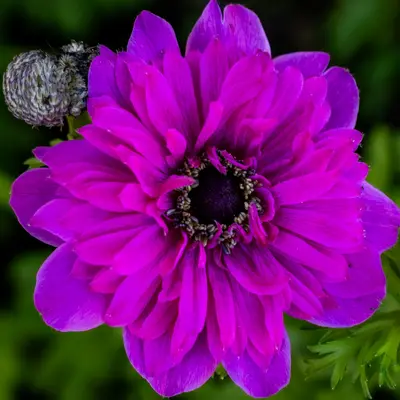
Benary's Giant Purple is a stunning heirloom flower variety renowned for its large, vibrant deep purple blooms. Reaching maturity in 75-90 days, this vigorous cultivar produces oversized flowers that stand out in gardens and cut-flower arrangements. A key differentiator is its exceptional flower size and rich color saturation. The blooms are ideal for ornamental display and floristry work, valued for their dramatic visual impact.
Harvest
75-90d
Days to harvest
Sun
Full sun
Zones
2–11
USDA hardiness
Height
0-3 feet
Planting Timeline
Showing dates for Benary's Giant Purple in USDA Zone 7
All Zone 7 flower →Zone Map
Click a state to update dates
Benary's Giant Purple · Zones 2–11
Growing Details
Succession Planting
Start seeds indoors 4-6 weeks before your last frost — late February to early March in zone 7 — then direct sow every 3 weeks from April through early June. Zinnia seeds stop germinating reliably once soil temps climb above 95°F, so your last sowing window closes around mid-June in most climates. That staggered schedule produces continuous bloom from roughly July through first frost rather than one heavy flush in August that's done before summer's out.
Complete Growing Guide
Recommended by the Association of Specialty Cut Flower Growers. High yields of long, sturdy stems with 4-6" fully double, dahlia-like blooms. Excellent vase life. Vigorous plants hold up well in summer heat and rain. Low susceptibility to powdery mildew. Cut-and-come-again flower, yielding multiple cuts over the season. According to Johnny's Selected Seeds, Benary's Giant Purple is 75 - 90 days to maturity, annual, open pollinated. Notable features: Use for Cut Flowers and Bouquets.
Light: Full sun (6 or more hours of direct sunlight a day). Soil: High Organic Matter, Loam (Silt). Soil pH: Acid (<6.0), Alkaline (>8.0), Neutral (6.0-8.0). Drainage: Good Drainage, Occasionally Dry. Height: 0 ft. 6 in. - 3 ft. 0 in.. Spread: 0 ft. 8 in. - 1 ft. 0 in.. Spacing: 12 inches-3 feet. Growth rate: Rapid. Maintenance: Medium. Propagation: Seed. Regions: Coastal, Mountains, Piedmont.
Harvesting
Benary's Giant Purple reaches harvest at 75 - 90 days from sowing per Johnny's Selected Seeds. Expect 4-6" at peak. As an annual, harvest continues until frost ends the season.
Type: Achene.
Storage & Preservation
Fresh cut Benary's Giant Purple stems last 7-10 days in the vase with proper handling. Place freshly cut stems immediately in clean, cold water containing floral preservative. Store in a cool location (65-70°F) away from ripening fruit and direct sunlight, which fades the deep purple color. For extended enjoyment, condition stems by placing them in deep water for 2-4 hours before arranging.
To preserve blooms, hang-dry fully mature flowers in a warm, dark, well-ventilated space for 2-3 weeks. Dried flowers retain their deep purple color exceptionally well and work beautifully in arrangements for many months. Alternatively, press individual petals between parchment paper weighted with books for 2-3 weeks to create pressed-flower crafts. For small-scale preservation, you can also glycerin-dry stems, submerging them in a 1:1 mixture of glycerin and water for 1-2 weeks, which produces pliable, long-lasting stems.
History & Origin
Benary's Giant Purple is open-pollinated, meaning seed saved from healthy plants will produce true-to-type offspring. Listed in the Johnny's Selected Seeds catalog.
Origin: Mexico
Advantages
- +Produces long, sturdy stems ideal for professional cut flower arrangements
- +Fully double dahlia-like blooms reach impressive 4-6 inch size
- +Excellent vase life means arrangements stay fresh longer than typical zinnias
- +Cut-and-come-again habit yields multiple harvests throughout growing season
- +Vigorous plants tolerate summer heat and rain without declining
Considerations
- -Requires 75-90 days to first bloom, longer than many zinnia varieties
- -Large double blooms may require staking or support in windy conditions
- -Deadheading needed to maintain continuous flowering throughout season
Companion Plants
Marigolds pull double duty next to zinnias — their root secretions and foliage odor deter aphids and whiteflies, and the color contrast is genuinely useful if you're cutting for market. Alyssum along the border draws parasitic wasps that go after caterpillars, while nasturtiums act as a trap crop for aphids, pulling pressure away from the zinnia stems. Keep fennel well clear — it releases allelopathic compounds from its roots that stunt most nearby annuals, and zinnias are no exception. Black walnut is the other hard no: its juglone toxicity affects a wide range of plants, and the root zone reaches farther than most gardeners expect.
Plant Together
Marigolds
Repel nematodes and aphids while attracting beneficial insects
Nasturtiums
Act as trap crops for aphids and cucumber beetles
Basil
Repels thrips, flies, and mosquitoes while attracting pollinators
Alyssum
Attracts hoverflies and parasitic wasps that control aphids
Cosmos
Attracts beneficial insects and provides complementary purple color scheme
Parsley
Attracts beneficial insects and provides good height contrast
Zinnia
Attracts butterflies and beneficial insects while providing similar care needs
Catnip
Repels ants, aphids, and flea beetles
Keep Apart
Black Walnut Trees
Produce juglone toxin that inhibits growth of many flowers including zinnias
Fennel
Releases allelopathic compounds that stunt growth of nearby plants
Sunflowers
Can inhibit growth through allelopathy and compete heavily for nutrients
Pests & Disease Resistance
Diseases
Powdery mildew (low susceptibility)
Troubleshooting Benary's Giant Purple
What you'll see, why it happens, and what to do about it.
White powdery coating on upper leaf surfaces, usually appearing mid-summer when nights cool down but days stay warm
Likely Causes
- Powdery mildew (Erysiphe cichoracearum) — a fungal disease that spreads by airborne spores, not soil splash; thrives in humid, low-airflow conditions
- Crowded spacing under 18 inches that prevents air movement between plants
What to Do
- 1.Space plants at the full 18-24 inches from the start — cramming them closer is where most people lose this battle
- 2.Remove and trash (don't compost) any heavily coated leaves to slow spore spread
- 3.Apply a dilute baking soda spray (1 tablespoon per gallon of water with a few drops of dish soap) weekly as a low-cost preventive once you see the first signs
Seedling stems collapsing at the soil line within the first 2 weeks after germination
Likely Causes
- Damping off — most often Pythium or Rhizoctonia species — triggered by overwatering or poorly drained seed-starting mix
- Reusing old, unsterilized trays or growing medium that carry fungal load from a previous season
What to Do
- 1.Use fresh, sterile seed-starting mix every season — sanitize old trays with a 10% bleach solution before reuse
- 2.Water from below (bottom-watering) rather than overhead, and let the top of the mix dry slightly between waterings
- 3.Pull affected seedlings immediately and run a small fan nearby to improve airflow — there's no saving an infected seedling, but you can protect the ones next to it
Frequently Asked Questions
How long does Benary's Giant Purple take to flower from seed?▼
Is Benary's Giant Purple good for beginning cut flower growers?▼
Can you grow Benary's Giant Purple in containers or pots?▼
When should I pinch Benary's Giant Purple for more flowers?▼
Why are my Benary's Giant Purple stems short or weak?▼
How often should I harvest Benary's Giant Purple for continuous blooms?▼
Zone-by-Zone Planting Calendar
| Zone | Indoor Start | Transplant | Direct Sow | Harvest |
|---|---|---|---|---|
| Zone 1 | May – June | July – August | July – September | — |
| Zone 2 | April – May | June – July | June – August | — |
| Zone 11 | January – January | January – February | January – March | — |
| Zone 12 | January – January | January – February | January – March | — |
| Zone 13 | January – January | January – February | January – March | — |
| Zone 3 | April – May | June – July | June – August | — |
| Zone 4 | March – April | June – June | June – July | — |
| Zone 5 | March – April | May – June | May – July | — |
| Zone 6 | March – April | May – June | May – July | — |
| Zone 7 | February – March | April – May | April – June | — |
| Zone 8 | February – March | April – May | April – June | — |
| Zone 9 | January – February | March – April | March – May | — |
| Zone 10 | January – January | February – March | February – April | — |
Growing Guides from Wind River Greens
Sources & References
External authority sources used in compiling this guide.
- BreederJohnny's Selected Seeds
See the Methodology page for how this data is sourced, what's AI-assisted, and known limitations.